Key takeaways:
Awiqli (insulin icodec-abae) and Tresiba (insulin degludec) are both ultra-long-acting insulins approved to treat Type 2 diabetes. They contain different kinds of insulin.
Awiqli is longer-lasting, so you only need to inject it once-weekly. Tresiba doesn’t last as long and needs to be injected once a day. Awiqli can also be stored for longer than Tresiba after it’s taken out of the fridge and while it’s in use.
Awiqli and Tresiba can cause similar side effects, such as hypoglycemia (low blood glucose) and injection site reactions (itching, redness, or pain). Rare, but serious side effects such as severe allergic reaction and low potassium levels can also occur.
Save on related medications
If you’re living with Type 2 diabetes, you may have discussed insulin therapy with your healthcare team. Insulin is an important hormone that manages your blood glucose (sugar) levels. There are many insulin options to choose from depending on your lifestyle and typical blood sugar levels.
Awiqli (insulin icodec-abae) and Tresiba (insulin degludec) are two ultra-long-acting insulins that your healthcare team may consider for you. Both insulins help manage your blood sugar levels during the day and overnight. But there are some key differences to consider, including how often you inject them.
So how do you choose between Awiqli and Tresiba? Here, we’ll cover seven similarities and differences to keep in mind when comparing Awiqli versus Tresiba.
1. Awiqli and Tresiba contain different kinds of insulin
Awiqli and Tresiba are both ultra-long-acting insulins, but they contain different active ingredients. Awiqli contains insulin icodec, while Tresiba contains insulin degludec. The main difference between them is how they stay in your body over time.
When Awiqli is injected under your skin, it enters your bloodstream and attaches to a protein called albumin. From there, it’s slowly released over the course of a week. Tresiba works differently. After you’ve injected a dose, it stays under your skin and slowly releases into your bloodstream from there.
These differences allow both medications to provide long-lasting blood sugar management. But they also affect how often each one needs to be injected (covered next).
2. Awiqli is used once weekly, while Tresiba is used once daily
Awiqli and Tresiba are considered ultra-long-acting insulins, meaning their effects can last longer than 24 hours. But compared with Tresiba, Awiqli’s effects last longer.
Awiqli is usually injected once a week. Studies show that its effects last for up to 7 days. Tresiba is typically injected once a day, but its blood sugar-lowering effects can last for up to 42 hours.
Awiqli can be a good option for adults who prefer a simpler regimen with fewer injections for managing their blood sugar. If you need more day-to-day adjustments for your blood sugar levels, Tresiba may be a good fit.
3. Awiqli and Tresiba have different starting doses
As covered above, Awiqli and Tresiba last for different amounts of time in the body. As a result, healthcare professionals don't use the same approach when determining your dose.
For adults diagnosed with Type 2 diabetes who have never used insulin, the typical starting dose of Tresiba is 10 units once daily. The starting dose of Awiqli is 70 units once weekly on the same day each week, which is considered equal to 10 units per day. It takes 3 to 4 days to reach steady levels of Tresiba in your system, while it can take up to 4 weeks to do so with Awiqli. From there, your dose may be adjusted based on how you respond to treatment.
But if you're switching from Tresiba to Awiqli, your new dose will be calculated based on your previous daily insulin dose. More on this later.
4. Awiqli and Tresiba are approved for different age groups
Awiqli and Tresiba aren't approved for the same people. Because of this, your age and the type of diabetes you have can determine your options.
Awiqli is approved to treat Type 2 diabetes in adults. It isn't approved for children or people with Type 1 diabetes. However, future studies may look into whether Awiqli is safe and effective for children.
Tresiba has broader FDA-approved uses. It's approved to treat Type 1 and Type 2 diabetes in adults, as well as diabetes in children ages 1 and older.
5. Both Awiqli and Tresiba use the same type of injection pen
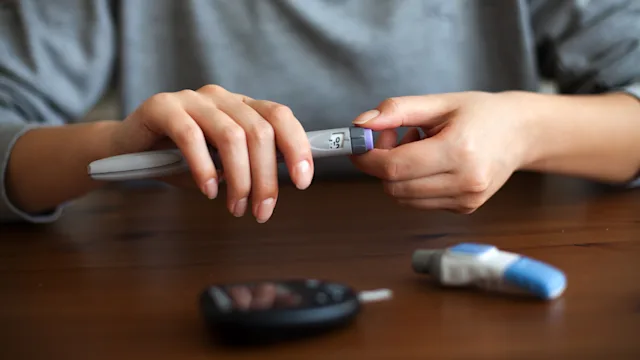
Both Awiqli and Tresiba are available as FlexTouch pens. FlexTouch pens are useful for people who have difficulty with hand coordination. And if you’re switching from Tresiba to Awiqli, this can help make the transition easier since the pens work the same way.
Here are the general steps to using an insulin pen such as FlexTouch:
Check your pen, then attach a new needle.
Prime your pen by following the manufacturer instructions.
Select your insulin dose on the pen using the dial.
Clean your injection site with a new alcohol swab.
Insert the needle into your skin, then press the dose button to inject.
You’ll hear a click when the entire dose is delivered. But be sure to hold your insulin pen in place for at least 6 seconds to make sure you get the full dose.
What’s more, Tresiba is also available as a multidose vial. The multidose vial may be a good option for people who prefer vials or for children who need a smaller half-unit dose. FlexTouch pens cannot do half-unit doses.
6. Awiqli has a longer storage time at room temperature
Ideally, insulin should be stored in the fridge, especially before you’re ready to use it for the first time. This applies to ultra-long-acting insulin, too. But don’t worry if you accidentally leave your pen out at room temperature; it can still be used for several weeks.
Awiqli and Tresiba have different storage requirements. Compared with Tresiba, Awiqli pens last about a month longer at room temperature, both before and after first use. Read the table below to learn more about how they compare:
Insulin Type | Not Opened | In Use |
Awiqli pens | Refrigerator: lasts until expiration date listed on package Room temperature: 84 days | 84 days in the refrigerator or at room temperature |
Tresiba pens | Refrigerator: lasts until expiration date listed on package Room temperature: 56 days | 56 days in the refrigerator or at room temperature |
Tresiba vials | Refrigerator: lasts until expiration date listed on package Room temperature: 56 days | 56 days in the refrigerator or at room temperature |
7. Awiqli and Tresiba have similar side effects
Awiqli and Tresiba are both insulin, so you can expect similar side effects. The most common side effects include:
Low blood sugar (hypoglycemia)
Injection site reactions, such as itching, redness, or pain
Lipodystrophy (lumps or pits under the skin in injection areas)
Headache
Fluid buildup in the arms and legs
Other common Tresiba side effects include the common cold, upper respiratory tract infections, and diarrhea.
Although rare, Awiqli and Tresiba can also cause potentially serious side effects such as:
Severe allergic reaction
Severely low blood sugar
Very low potassium levels (hypokalemia)
Some side effects are more likely to occur with larger doses of either medication. Keep in mind that other side effects not listed here are also possible. Speak with your prescriber if you develop any troublesome side effects or notice that your side effects don’t improve.
Who shouldn’t take Awiqli or Tresiba?
You shouldn’t take Awiqli or Tresiba if you are allergic to any of their active or inactive ingredients. You also shouldn’t use them if you are currently having a low blood sugar episode.
Can you switch from Tresiba to Awiqli (or vice versa)?
Yes, you can switch from Tresiba to Awiqli (or vice versa). These medications are not interchangeable, so your prescriber will help you switch between products safely.
Your prescriber will calculate how much insulin you will likely need based on the type you are currently using and the manufacturer’s guide. For example, they may have you inject a higher initial dose of Awiqli before starting your usual weekly dose when switching from Tresiba.
Your healthcare team may also ask you to monitor your blood sugar more often than normal, especially during the first few months. This is to help minimize side effects and to find the best dose for you.
How to save on Awiqli and Tresiba
Awiqli and Tresiba are both available as brand-name medications. There are a few ways to save on these insulins, including GoodRx coupons, manufacturer copay savings cards, and patient assistance programs.
Save with GoodRx. With a free GoodRx coupon, you can access a 5-pack of brand Tresiba pens starting at $165.02 and 1 vial of brand Tresiba starting at $113.23.
Save with a copay savings card. If you have commercial insurance and meet eligibility requirements, Tresiba’s price is as little as $35 per month if you use the manufacturer’s savings card. Awiqli’s price can be as little as $35 per month if you use the manufacturer’s savings card.
Save with a patient assistance program. If you’re uninsured or underinsured, you may be eligible for a patient assistance program. You could get Tresiba at no cost through Tresiba’s patient assistance program. You could get a 1 month supply of Awiqli for $55 through Awiqli’s patient assistance program.
The bottom line
Awiqli (insulin icodec-abae) and Tresiba (insulin degludec) are two ultra-long-acting insulins for Type 2 diabetes. Tresiba is a once-daily injection, whereas Awiqli is a once-weekly injection. They are administered the same way and have similar side effects, but they are not interchangeable.
If you’ve been comparing Awiqli versus Tresiba and are wondering which one is right for you, speak with a healthcare professional. They can help you find the best treatment option for you.

Why trust our experts?



References
A-S Medication Solutions. (2024). Tresiba- insulin degludec injection, solution [package insert].
Gudiksen, N., et al. (2017). FlexTouch: An insulin pen-injector with a low activation force across different insulin formulations, needle technologies, and temperature conditions. Diabetes Technology & Therapeutics.
NovoCare. (n.d.). Patient assistance program.
Novo Nordisk. (2025). Tresiba FAQs.
Novo Nordisk. (2026). Awiqli- insulin icodec-abae injection, solution [package insert].
Novo Nordisk. (2026). Is Tresiba covered by my insurance?
Shin, S., et al. (2025). Weekly injectable insulin icodec for adults with diabetes. Canadian Medical Association Journal.
U.S. Centers for Disease Control and Prevention. (2024). Types of insulin.
U.S. Food and Drug Administration. (2026). Awiqli (insulin icodec-abae) injection biologics license application (BLA) approval letter.