Key takeaways:
Liraglutide is available as Victoza for blood sugar control in people with Type 2 diabetes. It’s also available as Saxenda for weight loss. Both are injections.
The most common liraglutide side effects are nausea, vomiting, and diarrhea. They’re more likely to happen when starting treatment and with dose increases.
Although rare, liraglutide can cause serious side effects. These include pancreatitis, gallbladder disease, and kidney problems. Serious allergic reactions are also possible.
Save on related medications
Liraglutide is known by a few different names. It was first approved as Victoza for blood sugar control in people with Type 2 diabetes. But researchers found that people taking it also lost weight. A few years later, a higher-dose version was approved as Saxenda — the first medication of its kind for weight loss.
While liraglutide has several different uses, it also has risks. Common side effects, like nausea, vomiting, and diarrhea, are temporary for most people. But there are serious side effects to know about, too.
Below, we’ll discuss 12 important liraglutide side effects and how to manage them.
1. Nausea and vomiting
Nausea is the most common liraglutide side effect — no matter why you’re taking it. Up to 20% of people taking Victoza and almost 40% of people taking Saxenda reported nausea in clinical trials. Vomiting was also reported with both medications, but not as frequently.
You’re more likely to experience nausea and vomiting with higher liraglutide doses. To minimize these effects, your dose is typically raised slowly over time. And for most people, these side effects go away over time.
Even so, these side effects may be bothersome as you’re getting started on the medication. Eating smaller meals and bland foods that aren’t spicy, fatty, or salty might help. And it’s important to get enough fluids to prevent dehydration, especially if you’re throwing up. Let your healthcare provider know if these side effects don’t go away or become severe.
2. Diarrhea
Diarrhea is also a common liraglutide side effect. It’s more likely to happen when starting the medication and with dose increases. But it should also get better over time.
It’s important to keep hydrated if you’re experiencing diarrhea from liraglutide. Especially if it’s ongoing or severe, you could become dehydrated. Although uncommon, this has resulted in kidney problems for some people.
Dietary changes, like avoiding high-fat and fried foods, can help with diarrhea. Your healthcare provider may suggest an over-the-counter (OTC) antidiarrheal, like loperamide (Imodium A-D). But if your diarrhea doesn’t go away or becomes severe, let your healthcare provider know right away.

Read more like this
Explore these related articles, suggested for readers like you.



3. Headache
Headache is another common liraglutide side effect. Like the other side effects we’ve discussed, this should improve over time.
Keeping hydrated, avoiding alcohol, and getting enough sleep are a few tips for managing headaches. Your healthcare provider may also suggest an OTC pain reliever, like acetaminophen (Tylenol).
4. Appetite changes
One of the ways liraglutide works is by slowing down how quickly food moves out of your stomach. This can make you feel full, causing you to eat less.
Some people consider reduced appetite a beneficial side effect, especially if it helps them manage their weight. In fact, this is the main reason Saxenda may be prescribed.
If appetite changes become a concern for you, let your healthcare provider know. Sometimes, you may not feel like eating due to other side effects, like nausea and vomiting. If that sounds like your situation, keep in mind this should improve over time.
5. Indigestion
As mentioned above, liraglutide can make you feel full. Sometimes this can result in indigestion. This fullness can happen while you're eating and continue after you’ve finished. It can also cause pain or burning in your upper abdomen.
Eating smaller meals and staying upright after you eat can help with indigestion. Carbonated drinks and alcohol can make indigestion worse. Try keeping them to a minimum. Your healthcare provider may also suggest an OTC product like Pepto-Bismol (bismuth subsalicylate).
6. Constipation
Some people experience constipation with liraglutide, especially when starting it and after dose increases. Constipation should resolve over time. But it may take longer to resolve than other side effects, like nausea.
Getting enough fluids and fiber in your diet is key in managing constipation. If needed, your healthcare provider may suggest a stool softener or laxative to help. Let them know if your constipation doesn’t go away or becomes severe.
7. Injection-site reactions
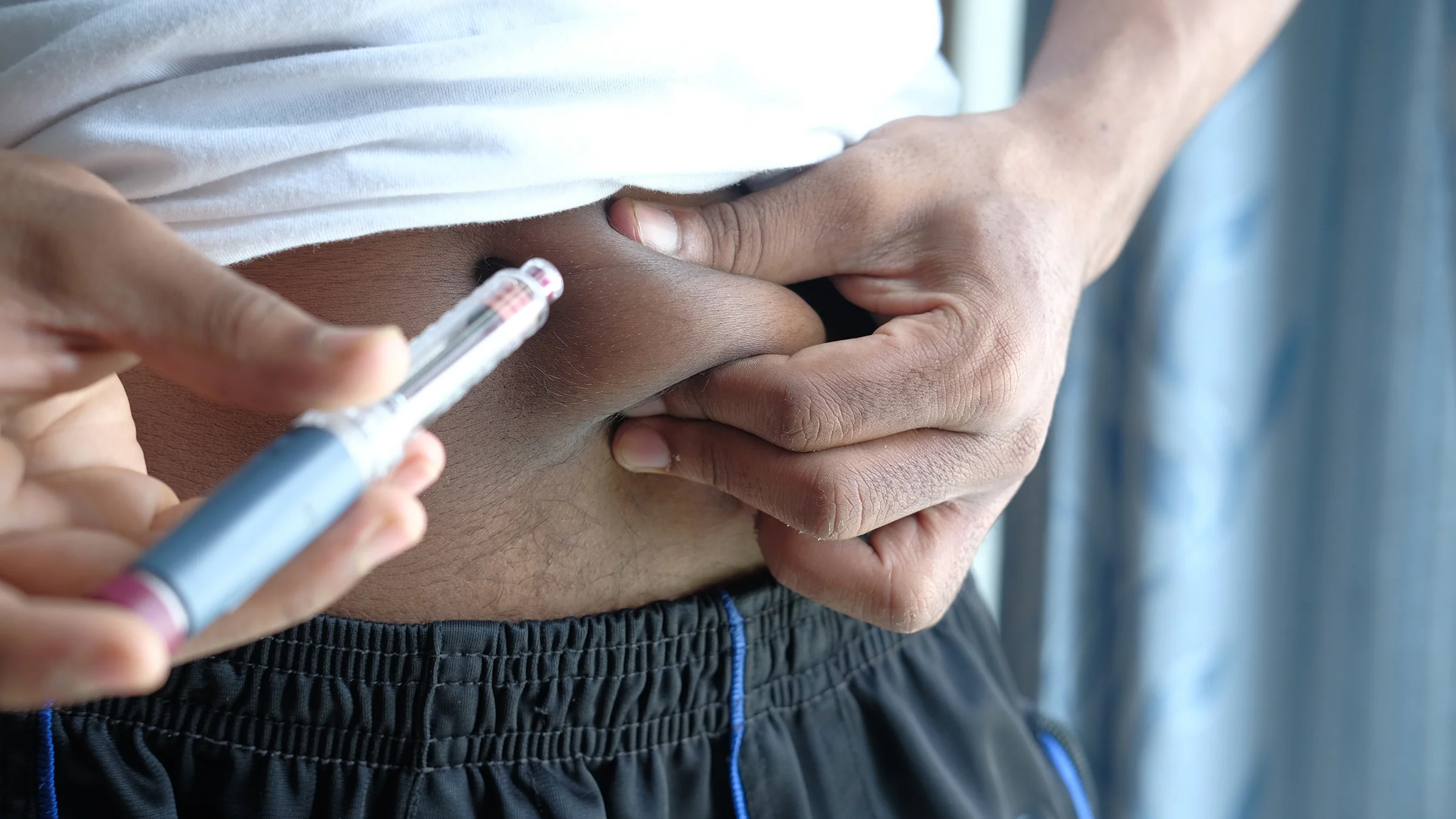
Some people report injection-site reactions from liraglutide. This can include a variety of symptoms, including redness, swelling, or discomfort where you inject the medication. But it can also include lumps that form under the skin.
A cold compress may help with swelling, redness, or itching from the injection. And changing where you inject each dose can help prevent lumps from forming.
Injection-site reactions usually resolve on their own within a day or two. But if your symptoms get worse instead, let your healthcare provider know right away.
8. Hypoglycemia
Medications like liraglutide rarely cause hypoglycemia (low blood sugar) on their own. That’s because they only trigger insulin release in response to a meal. But the risk of hypoglycemia can go up if they’re combined with other diabetes medications. This includes insulin or other insulin-releasing medications (like sulfonylureas).
It’s important to know the indicators of hypoglycemia. This includes symptoms like shakiness, fast heartbeat, and sweating. Hypoglycemia should be treated right away. If it becomes severe, you could become unconscious and require assistance. In this case, someone may need to administer an emergency glucagon or glucagon-like product to raise your blood sugar quickly. They should also call 911.
9. Pancreatitis
Although rare, there have been reports of acute pancreatitis (swelling of the pancreas) with liraglutide. Because of this, it shouldn’t be given to people with a history of acute pancreatitis.
Symptoms include severe abdominal pain, nausea and vomiting, and jaundice (yellowing of skin and eyes). Acute pancreatitis can be life-threatening. So, it’s important to seek medical attention right away if you develop symptoms.
10. Gallbladder disease
Acute gallbladder disease has been reported in some people taking Saxenda and Victoza in clinical trials. This included gallstones and inflammation of the gallbladder (cholecystitis). In most cases, people needed to be hospitalized or have their gallbladder removed.
If you’re taking Saxenda for weight loss, keeping active is important. You’ll get the most benefit when you take it in combination with dietary changes and exercise. Losing weight quickly can raise the risk of gallstones. Saxenda may cause gallstones on its own. But exercise and healthy food choices can help lower the added risk from weight loss.
Stomach pain is a common liraglutide side effect. But if it’s accompanied by symptoms like nausea and vomiting, fever, and jaundice, this can be a sign of gallbladder problems. Get immediate medical attention if these symptoms develop.
11. Kidney problems
As mentioned above, fluid loss from vomiting and diarrhea can result in dehydration. This has led to new or worsening kidney problems in some people taking liraglutide. Taking other medications that affect your kidneys or fluids in your body may also increase this risk.
Contact your healthcare provider right away if you’re peeing less often, notice swelling in your legs or ankles, or have shortness of breath.
12. Thyroid cancer
Liraglutide also has serious side effects and risks, including a boxed warning. A boxed warning is the FDA’s strictest warning for a medication.
Both Victoza and Saxenda have a boxed warning for thyroid C-cell tumors. This type of tumor was seen in animal studies, but it’s not clear what the risk is for people. So, these medications shouldn’t be used if you have a personal or family history of certain types of thyroid cancer.
When should I contact my healthcare provider about liraglutide side effects?
As you’re getting started on liraglutide, your healthcare provider will slowly increase your dose over time. This is to help minimize some of the GI side effects. Let your healthcare provider know if you’re having difficulty tolerating a certain dose.
In the case of Saxenda, they may delay raising your dose by another week. But if you can’t tolerate 3 mg daily (the target dose), they may have you stop taking the medication.
As mentioned, a number of side effects may require prompt medical attention. So, it’s important to pay attention to how you’re feeling while taking liraglutide. If you start experiencing side effects that feel severe or life-threatening, get medical attention right away.
The bottom line
Liraglutide is a medication used for its blood sugar-lowering and weight loss effects. But it doesn’t come without risks. Common liraglutide side effects include nausea, vomiting, and diarrhea. For most people, these tend to go away over time.
Although rare, serious side effects are possible. This includes pancreatitis, gallbladder disease, and kidney problems. Hypoglycemia is more likely to happen if you’re also taking insulin or other insulin-releasing medications.
Talk to your healthcare provider if you have any questions about liraglutide side effects.

Why trust our experts?



References
Collins, L., et al. (2022). Glucagon-like peptide-1 receptor agonists. StatPearls.
Food and Drug Administration. (2010). Drug approval package: Victoza (liraglutide) injection.
National Institute of Diabetes and Digestive and Kidney Diseases. (2017). Dieting & gallstones.
National Kidney Foundation. (n.d.). Acute kidney injury - Symptoms, causes, treatment.
Novo Nordisk. (2014). Novo Nordisk receives FDA approval for Saxenda (liraglutide [rDNA origin] injection) for chronic weight management.
Novo Nordisk. (2022). Saxenda [package insert].
Novo Nordisk. (2022). Victoza [package insert].
Wharton, S., et al. (2021). Managing the gastrointestinal side effects of GLP-1 receptor agonists in obesity: recommendations for clinical practice. Postgraduate Medicine.