Caplyta
Caplyta (lumateperone) is a brand name atypical antipsychotic. It's used to treat schizophrenia and depression related to bipolar disorder in adults. The medication is also FDA approved to treat depression when taken with antidepressants. Caplyta (lumateperone) is taken by mouth, typically once daily. Common side effects of this medication include drowsiness, nausea, and dizziness.


What is Caplyta (lumateperone)?
What is Caplyta (lumateperone) used for?
- Schizophrenia
- Bipolar depression, with or without lithium (Lithobid) or valproate
- Depression when taken with antidepressants
How Caplyta (lumateperone) works
It's not entirely clear how Caplyta (lumateperone) works. It's an atypical antipsychotic that's thought to work by balancing out the levels of chemicals (dopamine and serotonin) in your brain to help manage your thoughts, mood, and behaviors.
Drug facts
More on Caplyta (lumateperone) essentials


Side effects of Caplyta (lumateperone)
The following side effects may get better over time as your body gets used to the medication. Let your healthcare provider know immediately if you continue to experience these symptoms or if they worsen over time.
Common Side Effects
Schizophrenia
- Sleepiness (24%)
- Nausea (9%)
- Dry mouth (6%)
- Dizziness (5%)
Bipolar depression
- Headache (14%)
- Sleepiness (13%)
- Dizziness (8%)
- Nausea (8%)
- Dry mouth (5%)
Depression
- Headache (19%)
- Dizziness (17%)
- Dry mouth (13%)
- Sleepiness (12%)
- Nausea (9%)
- Fatigue (8%)
- Diarrhea (5%)
Less Common Side Effects
- Vomiting
- Poor appetite
- Stomach pain
- Vertigo
- Trouble sleeping
Caplyta (lumateperone) serious side effects
Contact your healthcare provider immediately if you experience any of the following.
- Neuroleptic malignant syndrome (NMS): high fever, sweating, confusion, stiffness, blood pressure instability
- Stroke: trouble speaking, trouble walking, sudden confusion, weakness in the face, arm, or leg
- Extremely high blood sugar levels: feeling very hungry or thirsty, urinating more often, fruity-smelling breath
- Uncontrolled muscle movements: involuntarily sticking out your tongue, puffing out your cheeks, puckering your mouth, lip smacking, chewing, foot tapping
- Serious infections: fever, weakness, tiredness, sore throat, cough, difficulty breathing
- Seizures
- Trouble swallowing
- Suicidal thoughts and behaviors
The following Caplyta (lumateperone) side effects have also been reported
Side effects that you should report to your care team as soon as possible:
- Allergic reactions—skin rash, itching, hives, swelling of the face, lips, tongue, or throat
- High blood sugar (hyperglycemia)—increased thirst or amount of urine, unusual weakness or fatigue, blurry vision
- High fever, stiff muscles, increased sweating, fast or irregular heartbeat, and confusion, which may be signs of neuroleptic malignant syndrome
- Infection—fever, chills, cough, or sore throat
- Low blood pressure—dizziness, feeling faint or lightheaded, blurry vision
- Pain or trouble swallowing
- Seizures
- Stroke—sudden numbness or weakness of the face, arm, or leg, trouble speaking, confusion, trouble walking, loss of balance or coordination, dizziness, severe headache, change in vision
- Thoughts of suicide or self-harm, worsening mood, feelings of depression
- Uncontrolled and repetitive body movements, muscle stiffness or spasms, tremors or shaking, loss of balance or coordination, restlessness, shuffling walk, which may be signs of extrapyramidal symptoms (EPS)
Side effects that usually do not require medical attention (report these to your care team if they continue or are bothersome):
- Diarrhea
- Dizziness
- Drowsiness
- Dry mouth
- Headache
- Nausea
- Weight gain

Get your GoodRx coupon

Pros and cons of Caplyta (lumateperone)
Pros
- Taken once daily
- Less likely to cause movement disorders compared to other antipsychotics
- Less likely to cause weight gain than most other antipsychotics
Cons
- Might take a few weeks to see more noticeable improvements in your symptoms
- Not approved for children
- Commonly causes drowsiness as a side effect

Pharmacist tips for Caplyta (lumateperone)

- Take Caplyta (lumateperone) around the same time each day. If it's making you feel sleepy, try taking your dose at bedtime.
- If you miss your Caplyta (lumateperone) dose, take it as soon as you remember. If it's close to the time for your next dose however, skip the missed dose and go back to your usual schedule.
- Keep taking Caplyta (lumateperone) as prescribed, even if you feel your symptoms are getting better. If you stop taking it without starting a new medication, your symptoms could get worse.
- Make sure to chew your food completely and swallow carefully while taking Caplyta (lumateperone). In some rare cases, this medication can cause the muscles in your throat to not work well and make it hard for you to swallow food.
- Caplyta (lumateperone) might make it hard for your body to maintain a normal body temperature. Drink water to stay hydrated, especially if you're out in the sun or exercising. Be careful if you're traveling to a place that's very hot.
- Caplyta (lumateperone) can make you feel drowsy or sleepy. You might have a more difficult time thinking clearly or making decisions. Avoid driving or tasks that require alertness until you know how Caplyta (lumateperone) makes you feel.

Common questions about Caplyta (lumateperone)
In clinical studies, people who took Caplyta (lumateperone) for schizophrenia noticed an improvement in symptoms as soon as after the first week of treatment. In general, you can expect Caplyta (lumateperone) to start working in 1 to 2 weeks, but it might take several weeks until it takes full effect. Some people might see continued to experience improvements in their symptoms after taking this medication for 4 to 6 weeks.
In general, atypical antipsychotics can cause weight gain. But this side effect isn't as likely to happen with Caplyta (lumateperone). Research showed that after a year of treatment, people who took Caplyta (lumateperone) gained similar amount of weight as those who took placebo. To minimize weight gained while taking Caplyta (lumateperone), it's important to eat a nutritious diet and to exercise regularly. Talk with your healthcare team about planning meals and building an exercise routine that's appropriate for you.
No, Caplyta (lumateperone) isn't a controlled substance.
Whether the side effects of Caplyta (lumateperone) go away depends on what symptoms you're experiencing. Certain side effects might lessen over time or can be managed with lifestyle changes. For example, one of the more common side effects of Caplyta (lumateperone) is sleepiness. If you feel very drowsy after taking Caplyta (lumateperone), your healthcare team might ask you to take your dose at night. There are other side effects that are more rare, but their risk can stay with you as long as you're taking Caplyta (lumateperone). These types of side effects include a movement disorder called tardive dyskinesia (which can become permanent) and the risk for neuroleptic malignant syndrome (NMS). Talk with your healthcare team if you have concerns about any particular side effect.
Sleepiness is a common side effect of Caplyta (lumateperone). Don't drive or perform activities that require you to be alert until you know how the medication affects you. If drowsiness is affecting your normal daily activities, let your healthcare team know. They might ask you to take Caplyta (lumateperone) at night instead. And if that doesn't help, they can talk with you about other options.
There isn't enough information to know if Caplyta (lumateperone) causes withdrawal symptoms after you stop taking it. But in general, stopping an antipsychotic medication suddenly can lead to withdrawal symptoms, such as nausea, vomiting, and abnormal movements. Don't suddenly stop taking Caplyta (lumateperone) without first talking with your healthcare team. If you do want to stop this medication, your care team can help you do so safely by lowering your dose slowly over time.
Talk with your healthcare team if you're thinking about becoming pregnant. They can talk with you about the risks and benefits of taking Caplyta (lumateperone) during pregnancy, and talk with you about other options. Caplyta (lumateperone) hasn't been well-studied during pregnancy. But babies born to mothers who took antipsychotic medications during the third trimester of pregnancy are at risk for movement disorders or withdrawal symptoms at birth. There is a National Pregnancy Registry for Psychiatric Medications to monitor the safety of certain medications during pregnancy. If you choose to take Caplyta (lumateperone) during pregnancy, you're encouraged to enroll in the registry.
Both Caplyta (lumateperone) and quetiapine (Seroquel) are atypical antipsychotics that can treat schizophrenia. And while quetiapine (Seroquel) is FDA-approved to treat bipolar disorder, Caplyta (lumateperone) is only approved to treat depression related to bipolar disorder. One of the main differences between these medications is side effects. Caplyta (lumateperone) is less likely to cause certain side effects, such as movement-related side effects and weight gain, than quetiapine (Seroquel). In addition, quetiapine (Seroquel) is available as a generic, but Caplyta (lumateperone) is brand name only. Talk with your healthcare team if you have more questions about these medications.

How to save using GoodRx




Risks and warnings for Caplyta (lumateperone)
Caplyta (lumateperone) can cause some serious health issues. This risk may be even higher for certain groups. If this worries you, talk to your doctor or pharmacist about other options.
Higher risk of death in older adults with dementia-related psychosis
- Risk factors: Older adults with dementia-related psychosis
 Older adults who also have dementia sometimes have some symptoms of schizophrenia, like hallucinations and delusions. This is called dementia-related psychosis, and shouldn't be treated with Caplyta (lumateperone). If Caplyta (lumateperone) is used for dementia-related psychosis, it can cause death. The cause of death is typically from heart problems, stroke, or infections. Let your healthcare team know if you or your loved one has dementia before starting Caplyta (lumateperone).
Worsening depression, suicidal thoughts and behavior
- Risk factors: Age younger than 24 years old | History of depression or other mental health conditions
Research of other antidepressant medications suggest that taking an antidepressant, like Caplyta (lumateperone), might worsen depression and raise the risk of thoughts of suicide. The risk is highest for people ages 24 years or younger, during the first few weeks of taking the medication, and when your dose changes. If you or anyone around you notice that you have suicidal thoughts or unusual behavior (e.g., anxiety, panic attacks, difficulty sleeping, feeling angry or irritated, restlessness) while taking Caplyta (lumateperone), get medical help right away.
Neuroleptic malignant syndrome
Antipsychotic medications like Caplyta (lumateperone) can cause a rare but life-threatening reaction called neuroleptic malignant syndrome (NMS). Symptoms can include high fever, stiff muscles, confusion, abnormal pulse or blood pressure, fast heartbeat, sweating, and heart rhythm problems. Stop taking Caplyta (lumateperone) and get emergency medical help if you experience any of those symptoms.
Movement problems
- Risk factors: People 65 years or older | Taking high doses of antipsychotic medications | Taking Caplyta (lumateperone) for a long time
Caplyta (lumateperone) might cause a type of movement problem that you can't control called tardive dyskinesia. This problem might be permanent, but sometimes it can go away after the medication is stopped. Although it can happen to anyone, the risk is higher in older adults, especially older females. The risk of tardive dyskinesia and the likelihood that it'll become permanent is also higher if you take this medication for a long period of time or if you take many antipsychotic medications at the same time. Let your prescriber know if you have movements that you can't control in your face, tongue, or other body parts while taking Caplyta (lumateperone).
High blood sugar, high cholesterol, and weight gain
Caplyta (lumateperone) can cause high blood sugar levels. Although rare, sometimes high blood sugar levels can lead to coma or death. If you have diabetes or are at risk of getting diabetes, your prescriber might have you monitor your blood sugar levels regularly while taking Caplyta (lumateperone). Let your prescriber know if you experience symptoms of high blood sugar, such as frequent thirst, frequent urination, excessive hunger, or weakness.
Caplyta (lumateperone) can also cause high cholesterol levels and weight gain. Your prescriber will order regular lab tests throughout your treatment. Contact your healthcare team if you notice you're gaining a lot of weight, because weight gain can put you at risk for many health problems.
Low white blood cells
- Risk factors: Low white blood cells | Taking medications that lower white blood cell counts
Caplyta (lumateperone) can lower the white blood cell count in some people. White blood cells are needed to help fight against infections. When white blood cell counts are lower, your body has a hard time fighting off germs, making it easier to get an infection. Talk to your prescriber right away if you experience symptoms of an infection, such as fever, weakness, or sore throat, while taking this medication.
Changes in blood pressure and heartbeat
- Risk factors: High blood pressure | History of heartbeat problems
Caplyta (lumateperone) can cause changes in your blood pressure and heartbeat. Be very careful the first few days you're taking Caplyta (lumateperone) when you're getting up from sitting or lying down for a while, because you might feel dizzy and can possibly fall. If you've had problems in the past with your heart or heart rhythm, talk to your prescriber to see if you should take something else besides Caplyta (lumateperone). In addition, contact your care team if you feel faint or experience any abnormal heartbeats while using Caplyta (lumateperone).
Seizures
- Risk factors: History of seizures | Health conditions that make it easier to get seizures
Caplyta (lumateperone) can make you more likely to have seizures. Before starting this medication, let your prescriber know if you have a history of seizures or have a medical condition that puts you at risk for getting seizures.

Caplyta (lumateperone) dosage


Typical dosage for Caplyta (lumateperone)
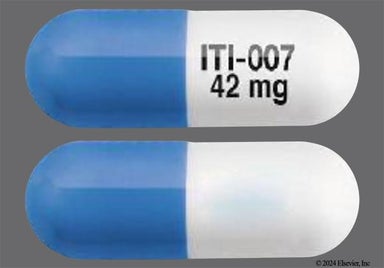
The typical dose is 42 mg by mouth once a day.
Your dose might differ if you're taking certain medications that interact with Caplyta (lumateperone).
More on Caplyta (lumateperone) dosage

How much does Caplyta (lumateperone) cost?
$0.00

What are alternatives to Caplyta (lumateperone)?

News about Caplyta (lumateperone)

Caplyta (lumateperone) images