What is the most important information I should know about CAPLYTA®?
Medicines like CAPLYTA® can raise the risk of death in elderly people who have lost touch with reality (psychosis) due to confusion and memory loss (dementia). CAPLYTA® is not approved for treating people with dementia-related psychosis.
CAPLYTA® and antidepressant medicines increase the risk of suicidal thoughts and actions in people 24 years of age and younger, especially within the first few months of treatment or when the dose is changed. Depression and other serious mental illnesses are the most important causes of suicidal thoughts and actions.
Patients and their families or caregivers should watch for new or worsening depression symptoms, especially sudden changes in mood, behaviors, thoughts, or feelings. This is very important when CAPLYTA® or an antidepressant medicine is started or when the dose is changed.
Report any changes in these symptoms to your healthcare provider immediately.
thoughts about suicide or dying
new or worse depression
feeling very agitated or restless
trouble sleeping
acting aggressive, being angry or violent
new or worse anxiety
suicide attempts
an extreme increase in activity and talking (mania)
panic attacks
new or worse irritability
acting on dangerous impulses
other unusual changes in behavior or mood
Do not take CAPLYTA® if you are allergic to any of its ingredients. Get emergency medical help if you are having an allergic reaction (e.g., rash, itching, hives, swelling of the tongue, lip, face, or throat).
What are the possible side effects of CAPLYTA®?
CAPLYTA® may cause serious side effects, including:
Stroke (cerebrovascular problems) in elderly people with dementia-related psychosis that can lead to death.
Neuroleptic malignant syndrome (NMS): high fever, confusion, changes in your breathing, heart rate, and blood pressure, stiff muscles, and increased sweating; these may be symptoms of a rare but potentially fatal condition. Contact your healthcare provider or go to the emergency room if you experience signs and symptoms of NMS.
Uncontrolled body movements (tardive dyskinesia, TD) in your face, tongue, or other body parts. TD may not go away, even if you stop taking CAPLYTA®. It may also occur after you stop taking CAPLYTA®.
Problems with your metabolism including high blood sugar, diabetes, increased fat (cholesterol and triglyceride) levels in your blood and weight gain. Your healthcare provider should check your blood sugar, fat levels, and weight before you start and during your treatment with CAPLYTA®.
Extremely high blood sugar levels can lead to coma or death. Call your healthcare provider if you have any of the following symptoms of high blood sugar: feeling very thirsty, hungry, sick to your stomach, needing to urinate more than usual, weak/tired, or confused, or your breath smells fruity.
Low white blood cell count. Your healthcare provider may do blood tests during the first few months of treatment with CAPLYTA®.
Decreased blood pressure (orthostatic hypotension). You may feel lightheaded, dizzy, or faint when you rise too quickly from a sitting or lying position.
Falls. CAPLYTA® may make you sleepy or dizzy, may cause a decrease in your blood pressure when changing position (orthostatic hypotension), and can slow your thinking and motor skills which may lead to falls that can cause broken bones or other injuries.
Seizures (convulsions).
Sleepiness, drowsiness, feeling tired, difficulty thinking and doing normal activities. Until you know how CAPLYTA® affects you, do not drive, operate heavy machinery, or do other dangerous activities.
Problems controlling your body temperature so that you feel too warm. Avoid getting overheated or dehydrated while taking CAPLYTA®.
Difficulty swallowing that can cause food or liquid to get into the lungs.
The most common side effects of CAPLYTA® include sleepiness, dizziness, nausea, dry mouth, feeling tired, and diarrhea.
These are not all the possible side effects of CAPLYTA®.
Before taking CAPLYTA®, tell your healthcare provider about all of your medical conditions, including if you: have or have had heart problems or a stroke, high or low blood pressure, diabetes, or high blood sugar, problems with cholesterol, have or have had a low white blood cell count, seizures (convulsions), or kidney or liver problems.
CAPLYTA® may cause fertility problems in females and males. You should notify your healthcare provider if you become pregnant or intend to become pregnant while taking CAPLYTA®. There is a pregnancy registry for females who are exposed to CAPLYTA® during pregnancy. CAPLYTA® may cause abnormal involuntary movements and/or withdrawal symptoms in newborn babies exposed to CAPLYTA® during the third trimester. Talk to your healthcare provider if you breastfeed or are planning to breastfeed as CAPLYTA® passes into breast milk.
Tell your healthcare provider about all the medicines you’re taking. CAPLYTA® may affect the way other medicines work, and other medicines may affect how CAPLYTA® works, causing possible serious side effects. Do not start or stop any medicines while taking CAPLYTA® without talking to your healthcare provider. You are encouraged to report negative side effects of prescription drugs. Contact Intra-Cellular Therapies, Inc. at 1-888-611-4824 or FDA at 1-800-FDA-1088 or www.fda.gov/medwatch.
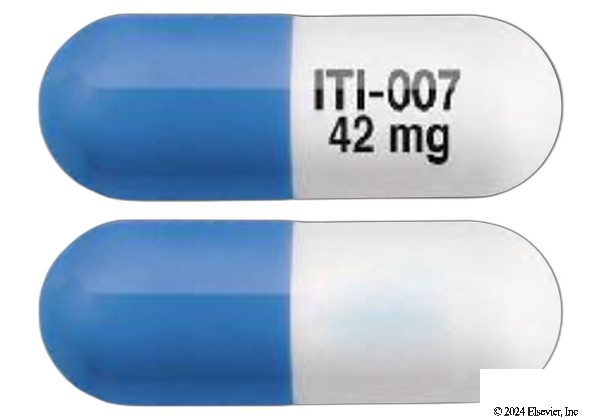
CAPLYTA® is available in 42 mg, 21 mg, and 10.5 mg capsules.
What is CAPLYTA® (lumateperone)?
CAPLYTA® (lumateperone) is a prescription medicine used in adults along with an antidepressant to treat major depressive disorder (MDD); to treat depressive episodes associated with bipolar I or bipolar II disorder (bipolar depression) alone or with lithium or valproate; or to treat schizophrenia. It is not known if CAPLYTA® is safe and effective in children.
US-CAP-2500883
Please see full Prescribing Information, including Boxed WARNINGS, and Medication Guide for CAPLYTA®.
© Johnson & Johnson and its affiliates 2025
CAPLYTA is a trademark of Johnson & Johnson and its affiliates.
Third party trademarks listed are the property of their respective owners.
12/25 US-CAP-2500094
 Find expert answers to your health questions so you can make the best decisions for yourself and your family.