


What is a Beta Blocker? And Other Commonly Asked Questions
We're answering questions about beta blockers — learn what they are, how they work, common side effects, and more.
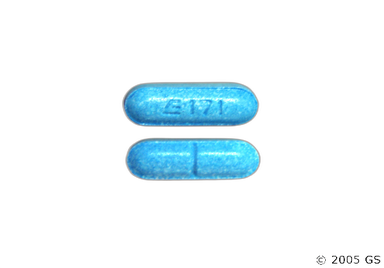
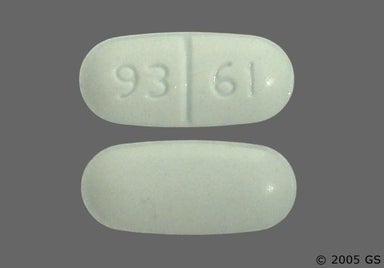
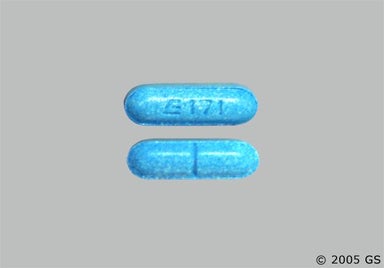
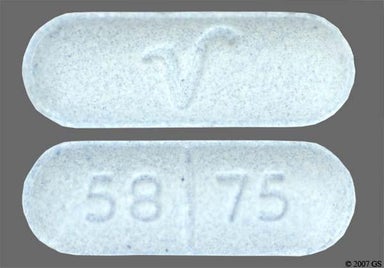
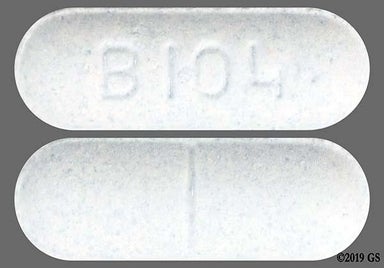
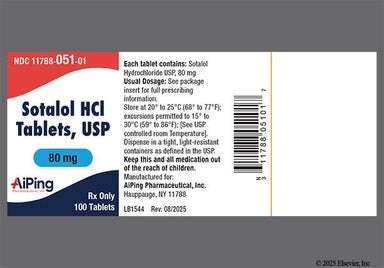
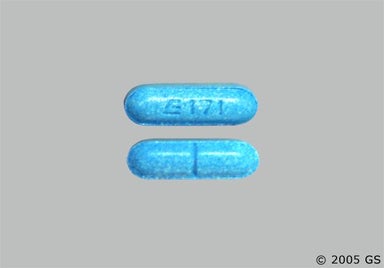
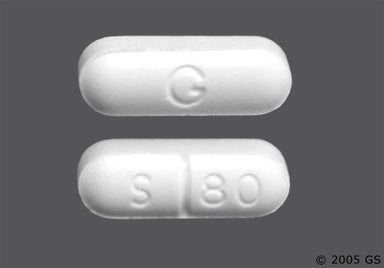
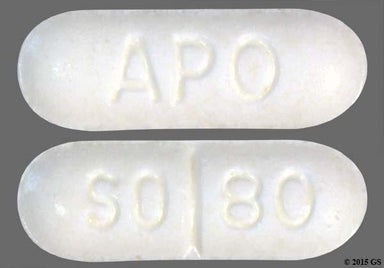
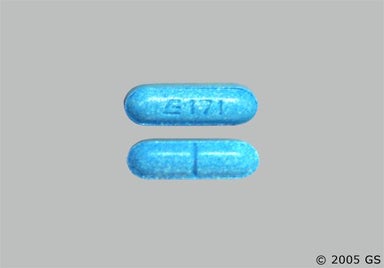
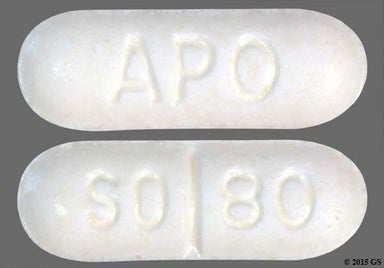
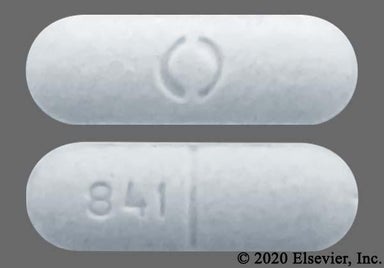
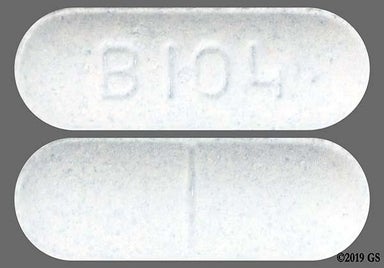
Sotalol (Betapace) is used to treat and prevent certain types of heart rate and heart rhythm problems (like atrial fibrillation or Afib). It's taken by mouth, typically twice a day. Usually, you need to start this medication in the hospital and stay there for at least 3 days so that the healthcare team can monitor your heart rhythm and check for any serious side effects. Sotalol (Betapace) can interact with several medications, including certain blood pressure medications and antacids. Sotalol is available both generic and brand name medications.

Sotalol (Betapace) is a non-selective beta blocker and potassium channel blocker. It works by blocking certain potassium channels and beta receptors in your heart to slow down electrical activity; it also slows down your heart rate. These actions help in treating abnormal heart rhythms.
| Common Brands | Betapace, Betapace AF, Sorine, Sotylize |
|---|---|
| Drug Class | Antiarrhythmic |
| Controlled Substance Classification | Not a controlled medication |
| Generic Status | Lower-cost generic available |
| Availability | Prescription only |

The following side effects may get better over time as your body gets used to the medication. Let your healthcare provider know immediately if you continue to experience these symptoms or if they worsen over time.
Contact your healthcare provider immediately if you experience any of the following.
Along with its needed effects, a medicine may cause some unwanted effects. Although not all of these side effects may occur, if they do occur they may need medical attention.
Check with your doctor immediately if any of the following side effects occur:
More common
Blurred vision
chest pain or discomfort
confusion
difficult or labored breathing
dizziness, faintness, or lightheadedness when getting up suddenly from a lying or sitting position
fast, slow, irregular, pounding, or racing heartbeat or pulse
lightheadedness, dizziness, or fainting
sweating
swelling of the face, fingers, feet, or lower legs
tightness in the chest
unusual tiredness or weakness
Less common
Abdominal or stomach pain or swelling
body aches or pain
burning, crawling, itching, numbness, prickling, "pins and needles", or tingling feelings
cough or hoarseness
decreased alertness
difficulty with speaking
dilated neck veins
double vision
extreme fatigue
feeling of warmth or heat
fever or chills
flushing or redness of the skin, especially on the face and neck
headache
inability to move the arms, legs, or facial muscles
inability to speak
irregular breathing
joint pain or swelling
loss of voice
lower back or side pain
nervousness
noisy breathing
painful, burning, or difficult urination
pounding in the ears
slow speech
Rare
Fast breathing
pinpoint red spots on the skin
Get emergency help immediately if any of the following symptoms of overdose occur:
Symptoms of overdose
cold sweats
cool, pale skin
increased hunger
nightmares
seizures
shakiness
slurred speech
Some side effects may occur that usually do not need medical attention. These side effects may go away during treatment as your body adjusts to the medicine. Also, your health care professional may be able to tell you about ways to prevent or reduce some of these side effects. Check with your health care professional if any of the following side effects continue or are bothersome or if you have any questions about them:
More common
Acid or sour stomach
difficulty with sleeping
heartburn or indigestion
pain in the arms or legs
Less common
Changes in vision
decreased sexual performance or desire
loss of appetite
mood changes
night blindness
passing gas
skin rash
weight changes
Other side effects not listed may also occur in some patients. If you notice any other effects, check with your healthcare professional.
Call your doctor for medical advice about side effects. You may report side effects to the FDA at 1-800-FDA-1088.



More tips for the sotalol (Betapace) 5 mg/mL liquid:

Sotalol (Betapace) can cause some serious health issues. This risk may be even higher for certain groups. If this worries you, talk to your doctor or pharmacist about other options.
Sotalol (Betapace) can affect your heart rhythm, which can lead to serious and life-threatening problems like QT prolongation. To lower your risk, your provider might periodically check your heart and perform electrocardiograms (EKGs) to make sure your heart rhythm is normal. If you feel your chest pounding, have trouble breathing, have chest pain, or feel faint or lightheaded while taking sotalol (Betapace), get medical attention right away.
Sotalol (Betapace) can lower your heart rate or blood pressure by too much. This is more likely to happen when you first start sotalol (Betapace) or when the dose is raised. Make sure to stay well-hydrated. Your provider might ask you to check your heart rate and blood pressure regularly when you're at home. If your blood pressure or heart rate drops too much and you feel dizzy, make sure to sit down slowly while holding onto something and let your provider know. If you fall and hit your head, get medical help right away. If you feel dizzy, lightheaded, faint, tired, or confused while taking sotalol (Betapace), contact your provider right away.
Sotalol (Betapace) cause heart failure or make existing heart failure worse. Contact your provider right away if you notice symptoms of heart failure such as unexplained weight gain, edema (swelling due to more fluid) in legs or feet, or more shortness of breath especially when you lie down.
Sotalol (Betapace) can make breathing harder because it causes your airways to tighten. This can also cause wheezing, cough, and chest discomfort. To lower your risk for lung problems, your provider will check your medical history and might give you a test that checks how healthy your lungs are before and during treatment with sotalol (Betapace). If you experience trouble breathing, wheezing, or coughing after using sotalol (Betapace), get medical attention right away.
Sotalol (Betapace) can mask many symptoms of low blood sugar (hypoglycemia), except for sweating and dizziness. Sotalol (Betapace) can also cause higher blood sugar levels. If you have diabetes, talk to your provider if you need to monitor your blood sugar or change the dosages of your diabetes medications while taking sotalol (Betapace).
Don't suddenly stop taking sotalol (Betapace). Doing so puts you at risk for chest pain and heart attacks, especially if you have other medical conditions like thyroid problems or heart disease. If you're wanting to stop sotalol (Betapace), contact your provider to come up with a plan on how to stop the medication safely. You'll need to lower the dose slower over a long period of time (e.g., 1 to 2 weeks).
Some people have experienced a severe allergic reaction to sotalol (Betapace). These reactions can be life-threatening and include facial swelling, hives, and anaphylaxis (e.g., closing of the throat). If you notice dizziness; fast heartbeat; a choking sensation; difficulty breathing; swelling around your eyes, lips, or tongue; or any signs of a severe skin reaction after taking sotalol (Betapace); get medical attention right away.


Although certain medicines should not be used together at all, in other cases two different medicines may be used together even if an interaction might occur. In these cases, your doctor may want to change the dose, or other precautions may be necessary. When you are taking this medicine, it is especially important that your healthcare professional know if you are taking any of the medicines listed below. The following interactions have been selected on the basis of their potential significance and are not necessarily all-inclusive.
Using this medicine with any of the following medicines is not recommended. Your doctor may decide not to treat you with this medication or change some of the other medicines you take.
Using this medicine with any of the following medicines is usually not recommended, but may be required in some cases. If both medicines are prescribed together, your doctor may change the dose or how often you use one or both of the medicines.
Using this medicine with any of the following medicines may cause an increased risk of certain side effects, but using both drugs may be the best treatment for you. If both medicines are prescribed together, your doctor may change the dose or how often you use one or both of the medicines.


Contraindications are specific health conditions or situations in which a person should not take a medication due to safety concerns. If you have any of the following conditions or if any of the following apply to you, let your healthcare provider know because Sotalol (Betapace) will not be safe for you to take.




Prescription savings
Stop paying too much for your prescriptions. Compare prices, get pharmacy coupons, and save up to 80%. Find expert answers to your health questions so you can make the best decisions for yourself and your family.
Health conditions
Medications & treatment
Access & affordability
Medication discounts


Yes, Sotalol is a beta blocker. More specifically, it's a non-selective beta blocker, meaning it can affect your heart and blood vessels, as well as your airways. A rare but serious side effect of Sotalol is breathing problems because this medication can tighten your airways. Let your provider know if you have medical conditions that affect your breathing, such as asthma or chronic obstructive pulmonary disease (COPD), because Sotalol is likely not a good option for you.
There are several medications that can interact with Sotalol so make sure to let your provider know all the medications you're taking before you start treatment. For example, if you're taking any antacids that contain aluminum oxide or magnesium hydroxide (e.g., Mylanta), you'll need to separate Sotalol from them by at least 2 hours or else your body won't be able to fully absorb Sotalol. Also, you'll need to avoid taking Sotalol with certain medications that affect your heart rhythm, such as disopyramide (Norpace), because combining the two can lead to dangerous heart problems. And if you're taking medications to lower your blood sugar, your provider might need to adjust the doses of those medications because Sotalol can raise blood sugar levels. Let your provider know if you've any specific questions about Sotalol and medication interactions.
Yes, Sotalol can cause low blood pressure as a side effect. Your provider might recommend you measure and record your blood pressure at home and bring a record to your medical appointments. To lower your risk for severely low blood pressure, make sure to stay well-hydrated. If your blood pressure drops too much and you feel too dizzy, make sure to sit down slowly while holding onto something. If you get dizzy or lightheaded while taking Sotalol, contact your provider because your dose might need to be adjusted.
Yes, you can take Sotalol with food, especially if it's hurting your stomach. But, some foods can lower how much of the medication is absorbed into your body. So it's important that you're consistent with taking Sotalol (e.g., either with food every day or without food every day). This will make sure the medication is working as well and as safe as possible for you.
Both Sotalol and metoprolol (Lopressor) are beta blockers. They can cause similar side effects, such as low heart rate and low blood pressure. But they're not approved to treat the same medical conditions. For example, Sotalol can treat and prevent heart rhythm problems, whereas metoprolol (Lopressor) is used to lower blood pressure, ease chest pain, and to lower the risk of death after a heart attack. Ask your provider if you've more questions about the differences between Sotalol and metoprolol (Lopressor).
There isn't any evidence or well-documented research that says you should avoid eating bananas when taking Sotalol. Some people might be concerned about eating bananas because they're high in potassium. And high potassium levels can raise your risk for heart rhythm problem, the very condition that Sotalol is taken to treat. While information is limited, a small study suggests that eating up to 2 servings of bananas cause very little changes to your body's potassium levels, which means this amount is unlikely to affect heart rhythm. If you have more questions about bananas and how they might impact Sotalol, talk with your provider.
