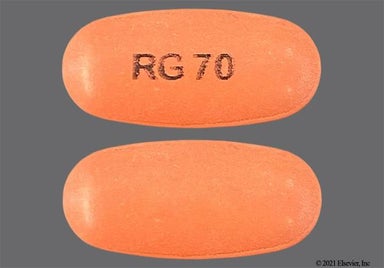
mesalamine DR
Mesalamine DR (Lialda) is an aminosalicylate that's used to treat mild-to-moderate ulcerative colitis (UC) in adults and children. It's a delayed-release (DR) tablet that's taken by mouth once daily with food. Side effects aren't common but can include headache and stomach upset. Mesalamine DR (Lialda) also has a risk for serious skin rash and sensitivity to the sun (e.g., might sunburn more easily).


What is Mesalamine DR (Lialda)?
What is Mesalamine DR (Lialda) used for?
- Mild-to-moderate ulcerative colitis (UC) in adults and children weighing at least 53 lbs
How Mesalamine DR (Lialda) works
Mesalamine DR (Lialda) is an aminosalicylate. The exact way the medication works isn't well understood. But it's thought to stop certain proteins and chemicals in the gut that typically cause inflammation from turning on. This might lessen inflammation in the gut.
Drug facts
More on Mesalamine DR (Lialda) essentials


Side effects of Mesalamine DR (Lialda)
The following side effects may get better over time as your body gets used to the medication. Let your healthcare provider know immediately if you continue to experience these symptoms or if they worsen over time.
Common Side Effects
- Headache (3%)
- Stomach pain (2%)
- Diarrhea (2%)
- Abnormal liver enzyme levels (2%)
Less Common Side Effects
- Stomach bloating
- Indigestion
- Back pain
- Joint pain
- Fatigue
- High blood pressure
- Rash
- Itching
- Hair loss
Note: Side effects listed were reported by adults who took 2.4 grams of mesalamine DR (Lialda) per day for maintenance of remission. Side effects might differ depending on dosage and age.
Mesalamine DR (Lialda) serious side effects
Contact your healthcare provider immediately if you experience any of the following.
- Kidney damage: urinating less often than usual; dry and itchy skin; muscle cramps; swelling in your feet, ankles, or hands
- Kidney stone: trouble urinating, bloody urine, fever, chills, back or side pain
- Liver problems: stomach bloating, right-sided stomach pain, yellowing of your skin or the whites of your eyes, dark urine
- Serious allergic reactions: hives, swelling of the lips or tongue, trouble breathing
- Serious skin reactions: hives, blisters, peeling skin, skin reddening, fever, sore throat, swollen lymph nodes
The following Mesalamine DR (Lialda) side effects have also been reported
Along with its needed effects, a medicine may cause some unwanted effects. Although not all of these side effects may occur, if they do occur they may need medical attention.
Check with your doctor immediately if any of the following side effects occur:
Less common
Bloody stools
bloody urine
blurred vision
chest tightness
chills
clay-colored stools
dark urine
difficulty with breathing
dizziness
full or bloated feeling
general feeling of discomfort or illness
headache
itching, skin rash
joint pain
loss of appetite
muscle aches and pains
nervousness
pain or tenderness around the eyes and cheekbones
pounding in the ears
pressure in the stomach
runny or stuffy nose
shivering
slow or fast heartbeat
stomach cramps
sweating
swelling of the stomach area
trouble sleeping
unpleasant breath odor
unusual tiredness or weakness
vomiting
vomiting of blood
yellow eyes or skin
Incidence not known
Black, tarry stools
blistering, peeling, or loosening of the skin
change in the ability to see colors, especially blue or yellow
chest discomfort
decreased frequency or amount of urine
greatly increased frequency of urination or amount of urine
hives or welts
hoarseness
inability to move the arms and legs
increased thirst
indigestion
large, hive-like swelling on the face, eyelids, lips, tongue, throat, hands, legs, feet, or genitals
light-colored stools
lower back or side pain
muscle weakness, sudden and progressing
pain in the ankles or knees
painful or difficult urination
painful, red lumps under the skin, mostly on the legs
rapid breathing
red skin lesions, often with a purple center
red, irritated eyes
severe nausea or vomiting
sores, ulcers, or white spots in the mouth or on the lips
stomach tenderness
sudden numbness and weakness in the arms and legs
swelling of the feet or lower legs
swollen or painful glands
thickening of bronchial secretions
unusual bleeding or bruising
Some side effects may occur that usually do not need medical attention. These side effects may go away during treatment as your body adjusts to the medicine. Also, your health care professional may be able to tell you about ways to prevent or reduce some of these side effects. Check with your health care professional if any of the following side effects continue or are bothersome or if you have any questions about them:
More common
Less common
belching
continuing ringing or buzzing or other unexplained noise in the ears
difficulty with moving
dizziness or lightheadedness
excess air or gas in the stomach or bowels
feeling of constant movement of self or surroundings
hair loss or thinning of the hair
hearing loss
muscle stiffness
passing gas
sensation of spinning
stomach discomfort or upset
Incidence not known
Burning, numbness, tingling, or painful sensations
unsteadiness or awkwardness
weakness in the arms, hands, legs, or feet
Other side effects not listed may also occur in some patients. If you notice any other effects, check with your healthcare professional.
Call your doctor for medical advice about side effects. You may report side effects to the FDA at 1-800-FDA-1088.

Get your GoodRx coupon

Pros and cons of Mesalamine DR (Lialda)
Pros
- Taken by mouth once daily
- Available as a generic
Cons
- Need to take with food
- Only available as an extended-release tablet that can't be crushed, broken, or chewed

Pharmacist tips for Mesalamine DR (Lialda)

- Take mesalamine DR (Lialda) with food. This will help make sure most of the medication gets absorbed into your body so it can work as best as possible for you.
- Don't crush, chew, or break the mesalamine DR (Lialda) tablets. Contact your prescriber if you're having trouble swallowing the pills. You might need to switch to a different medication.
- Make sure to drink enough fluids while you're taking mesalamine DR (Lialda). Staying hydrated helps lessen your risk for kidney stones from the medication.
- While you're taking mesalamine DR (Lialda), it's normal for your urine to look reddish-brown when it comes in contact with surfaces or water that's been bleached. But contact your prescriber if you see that your urine is a reddish-brown color before it hits the toilet; this isn't normal.
- Your skin might become more sensitive to the sun and be easier to burn while you're taking mesalamine DR (Lialda). To protect your skin, make sure to wear sunscreen, wear long-sleeve clothing, and find shade when you're outside.
- Share your most up-to-date medication list with your care team. They can check that your medications are safe to take together since mesalamine DR (Lialda) interacts with a few medications. For example, taking mesalamine DR (Lialda) with nonsteroidal anti-inflammatory drugs (NSAIDs) such as ibuprofen (Advil) can raise your risk for kidney problems because they can both harm the kidneys.
- Tell your healthcare team if you're pregnant so they can discuss with you about the risks and benefits of taking mesalamine DR (Lialda). It's not clear whether this medication is safe for you and your baby.
- Speak with your healthcare team about the risks and benefits of breastfeeding while you're taking mesalamine DR (Lialda). It's generally safe to breastfeed while you're taking this medication if it's clearly needed, but your baby might have diarrhea.

Common questions about Mesalamine DR (Lialda)
Less mesalamine DR (Lialda) might get absorbed into the body if you take the medication with food. This might make mesalamine DR (Lialda) work less well to treat your UC symptoms. This is based on studies that showed that food helps the medication get absorbed into the body. Make sure to be consistent with how you take mesalamine DR (Lialda). Speak with your prescriber if taking mesalamine DR (Lialda) with food isn't convenient for you. They can discuss how to best take the medication so that it works with your daily schedule.
Mesalamine DR (Lialda) is neither a steroid nor an immunosuppressant (a medication that weakens your immune system). Instead, mesalamine DR (Lialda) is an aminosalicylate. All three types of medications help treat UC, but they work differently to lower inflammation in the gut. Depending on the type and severity of your UC, your prescriber might suggest that you take mesalamine DR (Lialda) with or without steroids or immunosuppressants.
The time it takes for mesalamine DR (Lialda) to start working isn't completely clear. But in general, studies show that people have symptom improvement from UC, including healing of the digestive tract, within 2 months of taking the medication and going into remission. Talk to your prescriber if you're concerned about how long it's taking mesalamine DR (Lialda) to work for you.
People who took mesalamine DR (Lialda) didn't report having weight gain in clinical studies. Keep in mind that severe gut-related symptoms of UC can lead to low appetite and weight loss. So it's possible that you might slowly get your appetite back and gain a little weight if mesalamine DR (Lialda) is working to treat your UC. Discuss with your care team about ways to incorporate balanced, nutritious meals and regular exercise into your daily routine to manage your weight.
Hair loss was reported very rarely during clinical studies of mesalamine DR (Lialda). Only 1% noticed hair loss in a clinical study of about 180 adults who took 4.8 grams of the medication per day to go into remission. Contact your prescriber if you notice unusual hair loss while you're taking mesalamine DR (Lialda). They can examine what's causing this hair loss.
It's not exactly clear how long mesalamine DR (Lialda) side effects last. But it'll probably depend on the specific side effect. For example, side effects like headache or stomach upset might last as long as you're taking mesalamine DR (Lialda). They might even get better over time as you continue to take the medication. But more rare and serious side effects, like kidney or liver problems, might take a while to get better or might not go away at all (depending on how severe the problem is). Make sure to check in regularly with your prescriber and tell them about any side effects you might be having. Your prescriber will also order lab tests to check whether you're having serious side effects.
Both Lialda and Apriso are brand-name medications that contain mesalamine as the active ingredient. They're both used for ulcerative colitis (UC) but for different situations and age groups. Lialda is approved for treating UC in children as well as inducing and maintaining UC remission in adults. On the other hand, Apriso is only approved for maintaining remission in adults with UC. Lialda is a tablet that should be taken with food, whereas Apriso is a capsule that can be taken with or without food. Ask a healthcare professional if you have more questions about the differences between Lialda and Apriso.
Yes, mesalamine DR (Lialda) is available as a generic.

How to save using GoodRx




Risks and warnings for Mesalamine DR (Lialda)
Mesalamine DR (Lialda) can cause some serious health issues. This risk may be even higher for certain groups. If this worries you, talk to your doctor or pharmacist about other options.
Kidney damage and kidney stones
- Risk factors: Kidney problems | Taking other medications that can cause kidney problems
Mesalamine DR (Lialda) can sometimes damage your kidneys. Your risk for kidney damage is higher if you already have kidney problems or if you take medications that can harm the kidneys, like nonsteroidal anti-inflammatory drugs (NSAIDs) and diuretics (water pills). You might need blood work or urine tests done every so often during treatment so your prescriber can check your kidney function. Tell your care team if you have any signs or symptoms of kidney problems, including changes in your need to urinate, tiredness, low appetite, and muscle cramps.
Some people who take mesalamine DR (Lialda) can also get kidney stones. Make sure to stay hydrated each day while you're taking this medication to prevent kidney stones. Let your prescriber know if you have trouble urinating, notice a change in how much you urinate, have blood in the urine, or feel back or side pain. These can be signs of a kidney stone.
Acute intolerance syndrome
Although rare, some people who take mesalamine DR (Lialda) can have a reaction to the medication called acute intolerance syndrome. If it does happen, it typically occurs 1 to 3 weeks after starting mesalamine DR (Lialda). And it usually goes away within a few days after stopping the medication or after starting corticosteroid treatment.
Symptoms of acute intolerance syndrome can be hard to tell apart from a flareup of UC. Let your care team know if you have symptoms like stomach cramping or pain, bloody diarrhea, fever, headache, and rash. You might need to stop treatment with mesalamine DR (Lialda) to help these symptoms go away.
Severe allergic reactions
Severe allergic reactions to mesalamine DR (Lialda) are possible, including life-threatening reactions like facial swelling, shock, and anaphylaxis (e.g., closing of the throat). Get emergency medical help right away if you notice hives, rash, swelling of the lips or tongue, or difficulty breathing after you take mesalamine DR (Lialda).
Severe skin reactions
Mesalamine DR (Lialda) can cause rare but serious skin reactions, such as Stevens-Johnson syndrome (SJS) or toxic epidermal necrolysis (TEN), and drug reaction with eosinophilia and systemic symptoms (DRESS) syndrome. Stop taking mesalamine DR (Lialda) and get medical attention right away if you notice unusual changes in your skin, like rash, blisters, peeling skin, or skin reddening. These skin reactions can sometimes come along with fever, sore throat, fatigue, and swollen lymph nodes, so watch out for these symptoms as well.
Liver problems
- Risk factors: History of liver problems
Although rare, some people with liver problems had liver failure when they took mesalamine DR (Lialda). Let your prescriber know if you have a history of liver problems before you start taking this medication so they can weigh the risks and benefits of treatment. Get medical help as soon as possible if you notice severe nausea, vomiting, right-sided stomach pain, fatigue, low or no appetite, or yellowing of the skin or eyes while you're taking mesalamine DR (Lialda). These can be signs of liver damage.
Caution in people with gut blockage
People who have or are at risk of a bowel obstruction should avoid taking mesalamine DR (Lialda). Gut blockages can prevent the medication from reaching your colon to work. Let your prescriber know right away if you notice symptoms of a bowel obstruction, such as severe stomach cramping or pain, nausea, vomiting, constipation, or a hard or swollen belly.
Skin that's sensitive to sun and light
- Risk factors: Skin problems (e.g., eczema)
People with skin problems like eczema who take mesalamine DR (Lialda) are at higher risk of having skin that's more sensitive to the sun or ultraviolet (UV) light. This means that they can get sunburns more easily than usual, even during the winter and on overcast days.
To lower your risk for sunburn, make sure to wear sunscreen and wear long-sleeved clothing to protect your skin when you're outside. Also avoid being exposed to the sun for too long (find shade if possible) and avoid too much exposure to UV light (e.g., tanning beds).

Mesalamine DR (Lialda) dosage
 Tablet
| Dosage | Quantity | Price as low as | Price per unit |
|---|---|---|---|
| 1.2g | 60 tablets | $55.37 | $0.92 |
Typical dosage for Mesalamine DR (Lialda)
Each tablet of mesalamine DR (Lialda) contains 1.2 grams of medication.
-
Adults
- Induction of remission (i.e., to go into remission): The typical dose is 2 to 4 tablets by mouth once daily.
- Maintenance of remission: The typical dose is 2 tablets by mouth once daily.
-
Children
- Weight of 53 to 77 pounds: The typical dose is 2 tablets by mouth once daily for 8 weeks, then 1 tablet by mouth once daily thereafter.
- Weight of 77 to 110 pounds: The typical dose is 3 tablets by mouth once daily for 8 weeks, then 2 tablets by mouth once daily thereafter.
- Weight of more than 110 pounds: The typical dose is 4 tablets by mouth once daily for 8 weeks, then 2 tablets by mouth once daily thereafter.

Interactions between Mesalamine DR (Lialda) and other drugs
Although certain medicines should not be used together at all, in other cases two different medicines may be used together even if an interaction might occur. In these cases, your doctor may want to change the dose, or other precautions may be necessary. When you are taking this medicine, it is especially important that your healthcare professional know if you are taking any of the medicines listed below. The following interactions have been selected on the basis of their potential significance and are not necessarily all-inclusive.
Using this medicine with any of the following medicines is usually not recommended, but may be required in some cases. If both medicines are prescribed together, your doctor may change the dose or how often you use one or both of the medicines.
- Aceclofenac
- Acemetacin
- Amtolmetin Guacil
- Balsalazide
- Bismuth Subsalicylate
- Bromfenac
- Bufexamac
- Celecoxib
- Choline Magnesium Trisalicylate
- Choline Salicylate
- Clonixin
- Dexibuprofen
- Dexketoprofen
- Diclofenac
- Diflunisal
- Dipyrone
- Droxicam
- Etodolac
- Etofenamate
- Etoricoxib
- Felbinac
- Fenoprofen
- Fepradinol
- Feprazone
- Floctafenine
- Flufenamic Acid
- Flurbiprofen
- Ibuprofen
- Indomethacin
- Ketoprofen
- Lornoxicam
- Loxoprofen
- Lumiracoxib
- Magnesium Salicylate
- Meclofenamate
- Mefenamic Acid
- Meloxicam
- Mercaptopurine
- Morniflumate
- Nabumetone
- Naproxen
- Nepafenac
- Niflumic Acid
- Nimesulide
- Nimesulide Beta Cyclodextrin
- Olsalazine
- Oxaprozin
- Oxyphenbutazone
- Parecoxib
- Phenylbutazone
- Phenyl Salicylate
- Piketoprofen
- Piroxicam
- Proglumetacin
- Propyphenazone
- Proquazone
- Rofecoxib
- Salicylamide
- Salicylic Acid
- Salsalate
- Sodium Salicylate
- Sulfasalazine
- Sulindac
- Tenoxicam
- Tiaprofenic Acid
- Tolfenamic Acid
- Tolmetin
- Trolamine Salicylate
- Valdecoxib
- Varicella Virus Vaccine, Live
Using this medicine with any of the following medicines may cause an increased risk of certain side effects, but using both drugs may be the best treatment for you. If both medicines are prescribed together, your doctor may change the dose or how often you use one or both of the medicines.
- Tamarind
- Warfarin

How much does Mesalamine DR (Lialda) cost?

Mesalamine DR (Lialda) contraindications
Contraindications are specific health conditions or situations in which a person should not take a medication due to safety concerns. If you have any of the following conditions or if any of the following apply to you, let your healthcare provider know because Mesalamine DR (Lialda) will not be safe for you to take.
- Allergy to aspirin or other salicylates (e.g., sulfasalazine)

What are alternatives to Mesalamine DR (Lialda)?

News about Mesalamine DR (Lialda)




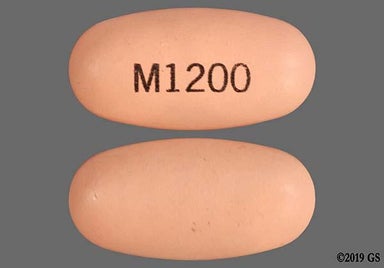
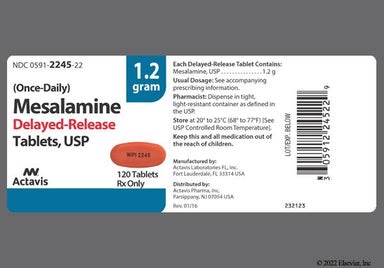
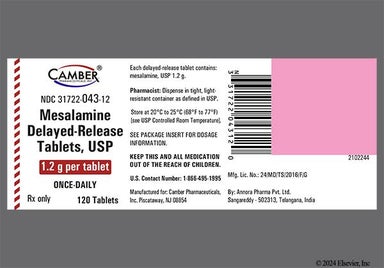
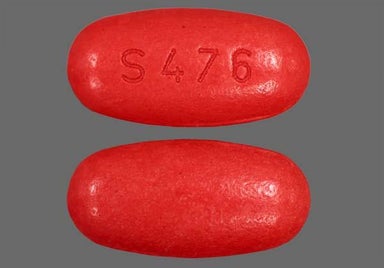
Mesalamine DR (Lialda) images