


6 Corticosteroid (Steroid) Eye Drops: Uses, Formulations, and How to Save
Steroid eye drops, such as prednisolone, may be prescribed to treat inflammation from eye surgery. Learn more with this list of popular steroid eye drops.
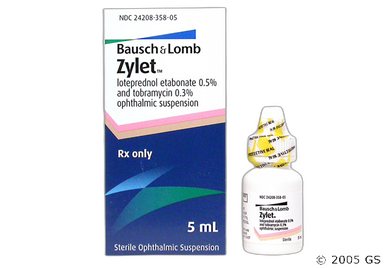
Zylet is a combination eye drop medication that contains two active ingredients: loteprednol and tobramycin. It's approved for use in people 7 years and older to treat bacterial eye infections, like pink eye, and related eye redness and swelling (inflammation). The corticosteroid (or steroid), loteprednol, helps lessen eye inflammation and the aminoglycoside antibiotic, tobramycin, fights off bacteria causing the eye infection. Zylet eye drops are placed directly into the affected eye(s) every 4 to 6 hours. Side effects include eye irritation and headache.

Zylet (loteprednol / tobramycin) is a combination eye drop containing two medications.
| Common Brands | Zylet |
|---|---|
| Drug Class | Corticosteroid / Antibiotic |
| Controlled Substance Classification | Not a controlled medication |
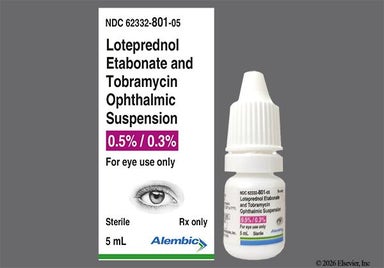
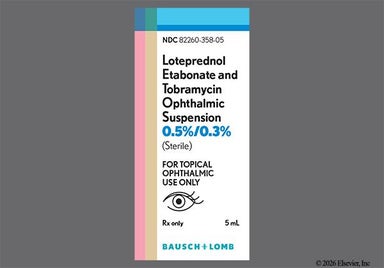
| Generic Status | Lower-cost generic available |
| Availability | Prescription only |

The following side effects may get better over time as your body gets used to the medication. Let your healthcare provider know immediately if you continue to experience these symptoms or if they worsen over time.
Contact your healthcare provider immediately if you experience any of the following.
Side effects that you should report to your care team as soon as possible:
Side effects that usually do not require medical attention (report to your care team if they continue or are bothersome):



How to use Zylet (loteprednol / tobramycin):

Zylet (loteprednol / tobramycin) can cause some serious health issues. This risk may be even higher for certain groups. If this worries you, talk to your doctor or pharmacist about other options.
Zylet (loteprednol / tobramycin) is an eye drop medication that you should place on the surface of the eye only. Don't put Zylet (loteprednol / tobramycin) on or into any other place on your body.
Long-term use of Zylet (loteprednol / tobramycin) can raise your risk of developing new or worsening eye infections. It also raises your risk for glaucoma, cataracts, and vision problems. If you need to take Zylet (loteprednol / tobramycin) for a long time (10 days or longer), you'll need regular eye exams to check the health of your eyes. Let your prescriber know if you have any vision changes, eye pain, or new symptoms of an eye infection while you're using this medication.
Using steroid eye drops like Zylet (loteprednol / tobramycin) after cataract surgery can slow the healing process in the eye. Let your prescriber know if you've recently had cataract surgery or other type of eye surgery.
Steroid eye drops like Zylet (loteprednol / tobramycin) can also possibly cause eye injury or damage, including thinning of the cornea (the outer layer of your eye). Call your prescriber right away if you notice changes in vision, eye pain, or watery eyes. You might need to get your eyes checked for injury. Speak with your prescriber if you're concerned about this risk.
Don't wear contact lenses while you're using Zylet (loteprednol / tobramycin). This eye drop medication contains a preservative that can damage contact lenses.
In general, it's recommended that you avoid wearing contact lenses while you have an eye infection (such as pink eye) because it could irritate your eye even more. Throw away any contacts you wore before you started treatment since they might have bacteria on them. Ask your primary care provider or optometrist when it's safe to wear contact lenses again once your infection clears.
Let your prescriber know if you're allergic to aminoglycoside antibiotics like tobramycin. It's possible that you might be allergic to Zylet (loteprednol / tobramycin) too. Serious allergic reactions can be life-threatening, and they can include reactions like facial swelling, dizziness, and anaphylaxis (e.g., closing of the throat). Get medical help right away if you notice hives, rash, swelling of the lips or tongue, or trouble breathing after you use Zylet (loteprednol / tobramycin).


Contraindications are specific health conditions or situations in which a person should not take a medication due to safety concerns. If you have any of the following conditions or if any of the following apply to you, let your healthcare provider know because Zylet (loteprednol / tobramycin) will not be safe for you to take.


Prescription savings
Stop paying too much for your prescriptions. Compare prices, get pharmacy coupons, and save up to 80%. Find expert answers to your health questions so you can make the best decisions for yourself and your family.
Health conditions
Medications & treatment
Access & affordability
 Our monthly healthcare membership can help you save thousands on your prescription costs.
Resources

The time it takes for Zylet to work can differ depending on how severe your eye inflammation or eye infection is. It might also depend on the type of bacterial eye infection you have. A general recommendation is to contact your prescriber if your eye symptoms don't start to improve after 2 days of starting Zylet. Your prescriber can check to see whether there's a different medication that's more appropriate for your symptoms.
Zylet is a combination eye drop that contains a steroid medication called loteprednol as one of its active ingredients. Loteprednol lessens inflammation in the eye to help treat eye itchiness, swelling, pain, and redness. The other active ingredient in Zylet is tobramycin, which is an aminoglycoside antibiotic that kills bacteria that's causing the eye infection.
Yes, Zylet is a treatment option for pink eye that's caused by bacteria and if you have eye inflammation symptoms (e.g., itching, redness, swelling). Be sure to contact your prescriber if the medication doesn't appear to be helping your symptoms after a couple of days. This is because pink eye can also be caused by viruses. But since Zylet contains an antibiotic and not an antiviral, the medication won't work well to treat pink eye caused by a virus. You might need to use a different medication.
Usually, it's recommended that you treat styes with warm compresses or eyelid scrubs. The stye will typically go away on its own. Contact a healthcare professional if your stye doesn't seem to get better or if it gets worse. They might recommend you to get a prescription for Zylet to help treat the stye. Styes are often caused by skin bacteria that get trapped along the eyelid. And the tobramycin antibiotic in Zylet can fight against many bacteria, including common skin bacteria. But don't use Zylet for a stye unless a healthcare professional specifically prescribed it to you for this purpose.
No, you can't find Zylet over the counter or along the aisles in the pharmacy. You'll need a prescription from a healthcare professional for this eye drop medication.
Yes, you can use Refresh Tears while you're using Zylet if you have dry eye. Refresh Tears is one of many brand-name products for artificial tears. Be sure to space out when you place the drops of each product in your eye by 5 to 15 minutes. This makes sure your eye has enough time to absorb each eye product.
Yes, Zylet can be used with ofloxacin eye drops (Ocuflox) because there aren't any direct interactions between the two medications. The tobramycin in Zylet and ofloxacin are two different kinds of antibiotics. Your prescriber might decide that you need multiple antibiotics to treat your eye infection if it's severe. Wait 5 to 15 minutes between using each eye drop medication if you're prescribed both Zylet and ofloxacin eye drops (Ocuflox) to use. This helps your eye have enough time to absorb each medication.
No, don't use Zylet if it's expired because it might not work well to help treat your eye infection. Using expired Zylet can also lead to new eye infections if the medication got contaminated with germs. There should be an expiration date that's written on the medication box or eye drop bottle. Let your pharmacist or prescriber know if your Zylet supply has expired.
