Key takeaways:
Seeds are a great source of plant-based protein, and many have just as much protein as nuts.
Hemp seeds are the highest in protein, followed by pumpkin seeds.
Aside from protein, seeds provide many important nutrients, like fiber, healthy fats, and essential vitamins and minerals.
When you think of high-protein plant-based foods, nuts and beans probably come to mind first. But many seeds pack just as much protein, along with plenty of fiber and healthy fats. And seeds are easy to add to all kinds of meals and snacks — from smoothies to oatmeal to cooked grains and more.
Not sure which seed to try? Here are seven high-protein seeds worth getting to know.
1. Hemp seeds
Protein per ounce: 9 g
Hemp seeds (also called hemp hearts) come from the Cannabis sativa plant — the same species as marijuana. But the seeds don’t naturally contain cannabidiol (CBD) or tetrahydrocannabinol (THC), the compounds responsible for marijuana’s effects.
Hemp seeds are tiny — about the size of a sesame seed — but they’re packed with protein. Unlike most plant foods, hemp seeds are a “complete” protein, meaning they have all nine essential amino acids your body needs but can’t make on its own. And they’re packed with omega-3 and omega-6 fatty acids and plant compounds that may help lower the risk of heart disease.
You can eat hemp seeds with or without the shell (hulled), but hulled hemp seeds are easier to digest. Hemp hearts have a soft, creamy texture and sweet, nutty flavor. Think of them as a cross between sesame seeds and pine nuts.
Sprinkle raw or toasted hemp seeds on salads or yogurt, blend them into smoothies, or use them in place of nuts in sweet or savory recipes.
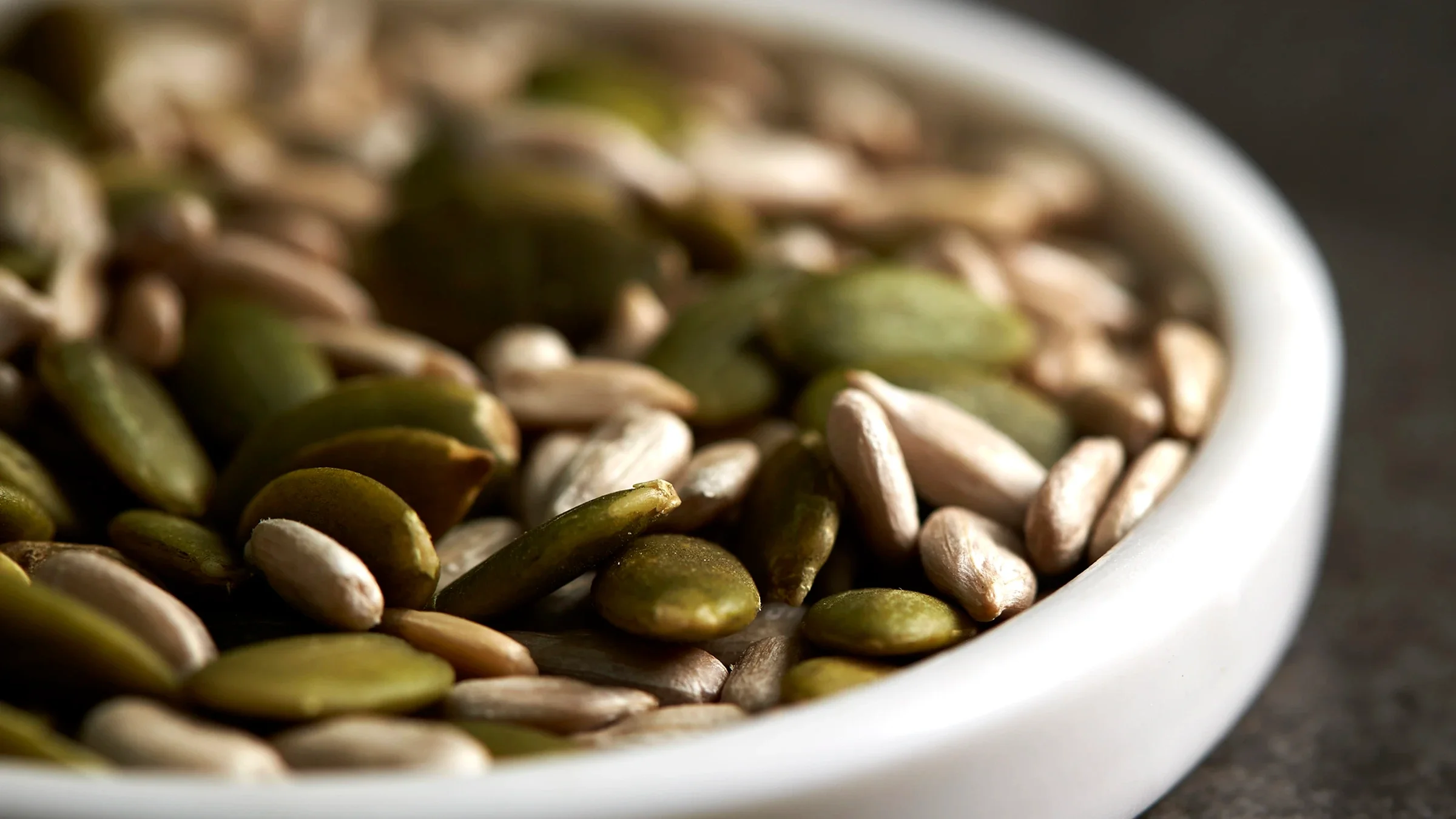
2. Pumpkin seeds
Protein per ounce: 8.5 g
Crunchy, nutty, and slightly earthy-tasting, pumpkin seeds contain many antioxidants that help fight cell damage and prevent inflammation. Pumpkin seeds are also high in magnesium, which supports your heart, muscles, and blood sugar. Magnesium may also help with sleep, so if you’re looking for a nighttime snack, pumpkin seeds could be worth a try.
You can buy pumpkin seeds raw or roasted, in the shell or hulled (pepitas). Look for low- or no-salt options to keep them more heart-friendly. You can also prep your own by scooping out the pulp from inside a pumpkin, rinsing and drying the seeds, and roasting them with your favorite seasonings.
3. Watermelon seeds
Protein per ounce: 8 g
If you’re like most people, you probably toss out watermelon seeds along with the rind. But all watermelon seeds — the small white seeds and mature black seeds — are edible and nutritious. They’re packed with many minerals and plant compounds that have antioxidant, antimicrobial, and anti-inflammatory properties.
Packaged watermelon seeds can be hard to find in regular grocery stores. They’re often easier to find in health food markets. Roasted watermelon seeds can add a satisfying crunch to yogurt or ice cream. Or eat them right along with the fruit.
4. Sunflower seeds
Protein per ounce: 5.5 g
Sunflower seeds are one of the best food sources of vitamin E, a fat-soluble vitamin with antioxidant properties. And they provide nearly 40% of your daily selenium needs. Selenium is an important mineral that supports your thyroid function and immune health.
You can snack on roasted sunflower seeds straight out of the shell, or add hulled seeds into trail mix for a nutty flavor. And for people with peanut or tree nut allergies (or for people without), sunflower butter makes a great nut butter alternative.
5. Flaxseed
Protein per ounce: 5.2 g
All seeds are a good source of fiber, but flaxseed has more fiber than most other seeds. Fiber is essential for digestion, cholesterol, blood sugar regulation, and weight management. Flaxseed also stands out for its omega-3 fatty acids. Omega-3s are healthy fats that support heart health, regulate levels of fats in your blood, and more.
Flaxseed also contains a plant compound called lignan, a powerful antioxidant. Lignan-rich foods may help lower the risk of heart disease and certain cancers, and may also help ease menopause symptoms.
Note that unlike some other seeds, flaxseed isn’t the type you grab by the handful. That’s because they usually come pre-ground into a powder-like substance. Eating ground flaxseed — as opposed to whole — helps you absorb the nutrients better.
Try adding ground flaxseed to oatmeal, yogurt, or baked goods.
6. Sesame seeds
Protein per ounce: 4.8 g
Sesame seeds are more than just a garnish — they’re small, but they contain important minerals and antioxidants. Their calcium, magnesium, and phosphorus work together to support bone strength and prevent bone loss as you age. Sesame seeds are also high in copper, a trace mineral important for energy production and maintaining healthy connective tissue.
Sprinkle raw or toasted sesame seeds on salads or stir-fries, or use them as a crust for tofu or salmon. You can also sprinkle them onto breads and other baked goods for a crunchy texture.
7. Chia seeds
Protein per ounce: 4.7 g
Chia seeds contain all nine amino acids your body needs. But that’s not all. They also have more fiber than the other seeds on this list. They’re an excellent source of omega-3 fats, and also contain magnesium and selenium. And they’re particularly high in antioxidants that help protect your cells from damage.
It’s not common to eat chia seeds on their own. It’s better to mix them into a moist food or liquid before eating them. This makes them easier to chew and digest. Since they’re mild in flavor, it’s easy to add them to salad dressings, oatmeal, yogurt, or smoothies.
Nutrient comparison
Below is a quick comparison of some of the nutrients in a 1 oz serving of seeds.
Protein | Fiber | Other standout nutrients include | |
Hemp seeds | 9 g | 1.1 g | Omega-3 and omega-6 fatty acids |
Pumpkin seeds | 8.5 g | 1.8 g | Magnesium |
Watermelon seeds | 8 g | Data not available | Magnesium |
Sunflower seeds | 5.5 g | 3.2 g | Vitamin E |
Flaxseed | 5.2 g | 7.8 g | Omega-3s |
Sesame seeds | 4.8 g | 4 g | Copper |
Chia seeds | 4.7 g | 9.8 g | Omega-3s |
How to add high-protein seeds to your diet
Seeds are versatile and easy to add to many foods. Try:
Mixing them into foods you already eat, like cottage cheese, rice and other grains, pasta, and granola
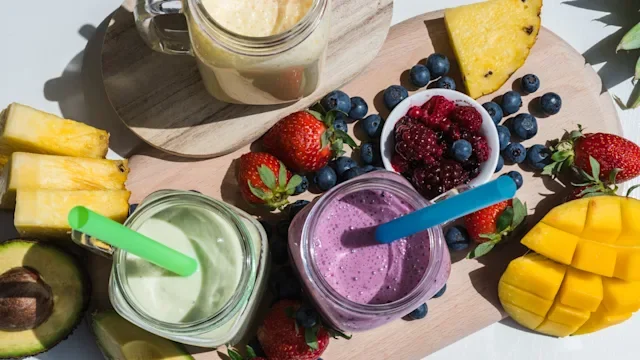
Blending them into a smoothie
Using them whole or ground to add a crust to meat, tofu, or vegetables
Baking them into breads or muffins
Swapping them into recipes that call for roasted nuts
Frequently asked questions
Yes, seeds may help lower cholesterol, thanks to their fiber, unsaturated fats, and plant compounds like phytosterols and lignans.
All seeds are healthy in their natural form because of their protein, fiber, beneficial fats, and other nutrients. But there are some versions of seeds you should limit. Heavily salted seeds are high in sodium, which over time can contribute to high blood pressure. Sugar- or candy-coated seeds add sugar and calories. And fried or oil-roasted seeds are often high in saturated fat. Keep in mind that all seeds are calorie-dense, so try to stick to a serving size of about an ounce.
Yes, seeds may help lower cholesterol, thanks to their fiber, unsaturated fats, and plant compounds like phytosterols and lignans.
All seeds are healthy in their natural form because of their protein, fiber, beneficial fats, and other nutrients. But there are some versions of seeds you should limit. Heavily salted seeds are high in sodium, which over time can contribute to high blood pressure. Sugar- or candy-coated seeds add sugar and calories. And fried or oil-roasted seeds are often high in saturated fat. Keep in mind that all seeds are calorie-dense, so try to stick to a serving size of about an ounce.
The bottom line
Seeds are a simple way to increase your protein intake without making major changes to your diet. Hemp hearts, pumpkin seeds, and sunflower seeds are among the seeds with the most protein. Experiment with different seeds to see which you like, and try adding one or two into meals you already eat. You’ll get a dose of protein, fiber, and healthy fats — along with a satisfying crunch.

Why trust our experts?




References
Hahn, A., et al. (2025). Preliminary data of the nutritive, antioxidative, and functional properties of watermelon (Citrullus lanatus L.) flour and seed protein concentrate. Molecules.
MyFoodData. (n.d.). Chia seeds.
MyFoodData. (n.d.). Dry roasted sunflower seeds.
MyFoodData. (n.d.). Flax seeds.
MyFoodData. (n.d.). Hemp seeds (hulled).
MyFoodData. (n.d.). Pumpkin and/or squash seeds hulled roasted salted.
MyFoodData. (n.d.). Seeds, watermelon seed kernels, dried.
MyFoodData. (n.d.). Toasted sesame seeds.
Office of Dietary Supplements. (2022). Copper: Fact Sheet for Health Professionals. National Institutes of Health.
Rodríguez-García, C., et al. (2019). Naturally lignan-rich foods: A dietary tool for health promotion? Molecules.
Ullah, R., et al. (2015). Nutritional and therapeutic perspectives of chia (Salvia hispanica L.): a review. Journal of Food Science and Technology.
U.S. Food and Drug Administration. (2018). FDA responds to three GRAS notices for hemp seed-derived ingredients for use in human food.