
Key takeaways:
A high-protein breakfast can help with weight loss by making you feel full longer. It may also help you eat less throughout the day.
Examples of high-protein breakfasts for weight loss include oat flour pancakes, Greek yogurt with nuts or seeds, and breakfast burritos.
Not everyone needs the same amount of protein each day. But eating 25 g to 30 g of protein at breakfast may be helpful for weight loss or preventing weight gain.
Ever feel hungry an hour after breakfast? That might be a sign that your morning meal is missing an important component — protein. Many common breakfast foods — like toast, muffins, and cereal — are heavy on carbs but light on protein. And those carb-heavy meals may not keep you full for very long.
Research suggests that starting your day with high-protein foods can help you feel full longer, and snack less during the day. So eating more protein at breakfast may help you lose weight.
Here are some options for high-protein breakfast foods.
Note: Each of the following breakfasts can provide around 20 g of protein (or more), depending on serving size.
1. Scrambled eggs with veggies
One egg has over 6 g of protein, which makes eggs a great way to start your day if you’re trying to increase protein. Eggs also provide choline, which can help boost brain health. Add some leafy green vegetables — like spinach, kale, and broccoli — to scrambled eggs for added fiber, and nutrients like iron and calcium.
2. Tofu scramble
If you don’t eat eggs, soft tofu is an easy way to make a vegan-style scramble. One serving provides about 18 g of protein. And tofu (and other foods made from soy) may help lower cholesterol, supporting heart health.
Add whatever seasonings you like to spice up your dish. Try adding paprika and chilli flakes for a spicy kick, or cinnamon and sugar for a sweet option.
3. Greek yogurt parfait
If you like yogurt, try Greek yogurt, which has more protein than regular yogurt. One serving (6 oz) of low-fat Greek yogurt contains 17 g of protein (versus 9 g of protein in regular yogurt). You can add more protein with toppings like nuts, nut butter, or seeds. Adding fruit like blueberries and/or strawberries adds inflammation-fighting antioxidants. Bonus: Most Greek yogurt contains probiotics, which can improve gut health.
4. Protein pancakes
You may think of pancakes as a carbohydrate-heavy breakfast option. But with a few adjustments, you can turn traditional pancakes into a protein-packed meal. Instead of using a pancake mix with regular flour, use one made with oat flour, which has over 13 g of protein per ½ cup. Or add a scoop of protein powder to your regular pancake mix to add anywhere from 10 g to 30 g of protein. Top pancakes with a scoop of Greek yogurt, or serve an egg on the side to bump up the protein even more.
5. Avocado and egg toast
Avocados are one of the fruits highest in protein. And eating avocados is good for your heart. Spread half an avocado on two slices of whole-grain toast and top with an egg and sautéed spinach. The whole-grain bread also provides important nutrients, including fiber. Fiber has many health benefits, including its own role in supporting weight loss.
6. Breakfast burrito
If you’re looking for an easy high-protein breakfast you can take on the go, breakfast burritos are a great, portable option. Beans are an excellent plant-based source of protein, fiber, and B vitamins. Fill a whole-wheat tortilla with scrambled eggs and black beans (½ cup will provide over 7 g of protein). Sprinkle some shredded cheese and salsa on top for a hearty and satisfying meal.
7. Protein breakfast smoothie
There are plenty of ways to make a protein-rich smoothie. Choose a liquid base that contains protein — such as milk or a dairy alternative like soy milk. Include a protein-rich addition of your choice — think yogurt, silken tofu, chia seeds, peanut butter, or protein powder. Experiment with different flavors to see what you like most. You can add fruits or veggies of your choice for added flavor and nutrients.

Read more like this
Explore these related articles, suggested for readers like you.



8. Cottage cheese with berries and nuts
Cottage cheese is a nutritious, protein-packed food. A ½ cup of low-fat cottage cheese has 12 g of protein. To increase protein even more, add pumpkin seeds or nuts. Try using slivered almonds, which are one of the highest-protein nuts, with 6 g per serving.
Quiz: What should I eat for breakfast?
9. Pinto bean and egg scramble
You can create your own “deconstructed” breakfast burrito with a scramble made with pinto beans and egg. Not only is this breakfast high in protein, but the fiber in pinto beans can help you regulate blood sugar, too. Try serving it with avocado slices on the side.
10. Quinoa breakfast bowl
Quinoa is a complete protein. This means it contains all nine amino acids your body needs but can’t make on its own. One cup of cooked quinoa provides 8 g of protein. Add some shredded cheese, an egg, and some pumpkin seeds for a hearty, high-protein meal.
11. Oatmeal
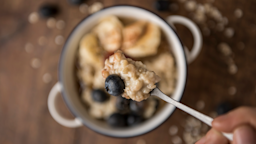
Studies show that the protein and fiber in oatmeal may support weight loss by decreasing appetite, increasing fullness, and reducing overall calorie intake.
A cup of cooked oatmeal (made from ½ cup of rolled oats) has about 5 g of protein. And it’s easy to add protein to oatmeal. Cook it in a half-cup of milk and then top it off with some yogurt, nuts or nut butter, and fruit for a heart-healthy meal with plenty of protein.
12. Egg muffins
It doesn’t take much work to prepare a week’s worth of breakfast in advance by making a batch of egg muffins. Mix together eggs, cottage cheese, and chopped veggies of your choice — think mushrooms, broccoli, bell peppers. You can stir in meat or beans for extra protein. Bake them in a muffin pan, and you have a perfectly portable high-protein breakfast.
13. Chia seed pudding
Chia seed pudding is best prepared the night before. Mix chia seeds, low-fat milk, and Greek yogurt. Refrigerate it overnight, then top with crushed nuts and a natural sweetener like honey or maple syrup.
14. Edamame
You might think of edamame (young soybeans) as a snack food, or one to toss into a stir-fry at dinnertime. But why not bring edamame into the breakfast realm? With 18.5 g of protein per cup, it can be a great food to include in a high-protein breakfast. And its mild flavor makes it very versatile. Try blending it into a smoothie, or adding smashed edamame to avocado toast.
How does a high-protein breakfast help with weight loss?
A high-protein diet can help with weight loss. In particular, eating a protein-rich breakfast may help by:
Reducing hunger
Helping you eat fewer calories later in the day
Increasing hormones that help you feel full
Cutting down on evening snacking
How much protein should you eat at breakfast when trying to lose weight?
Eating 25 g to 30 g of protein at breakfast can be especially helpful for regulating your appetite for the rest of the day, according to the American Society for Nutrition. They also recommend eating 25 g to 30 g of protein at each meal if your goal is weight loss or weight management.
Keep in mind that not everyone needs the same amount of protein. And most people already get enough protein in their diet. But some groups — like older adults, athletes, and people trying to lose or maintain their weight — may benefit from increasing their protein intake.
Easy tips for adding more protein to your breakfast
There are plenty of ways you can add more protein to your breakfast, including by:
Drinking a latte instead of regular coffee: One cup of milk has about 8 g of protein, and soy milk has 6 g.
Swapping out white bread: Eat multigrain bread instead, since it usually has about double the protein content of white bread.
Adding a side of yogurt: A scoop of yogurt as a side dish will add protein to your meal. Icelandic yogurt, also called skyr, is usually even higher in protein than Greek yogurt.
Using your leftovers: Last night’s chicken and wild rice can make for a satisfying, easy breakfast.
Frequently asked questions
Skipping breakfast doesn’t seem to help with weight loss. Some studies actually suggest that skipping breakfast can make you more likely to gain weight. (And a separate study showed it increased the risk of heart disease.) But the science isn’t clear. Some research shows that skipping breakfast has no effect on weight.
If you follow a dairy-free or gluten-free diet, you still have plenty of options for high-protein breakfasts. There are many dairy-free breakfasts and gluten-free breakfasts that combine high-protein foods like eggs, sausage, beans, salmon, lentils, nuts, and whole grains. Many dairy substitutes are also high in protein, such as pea powder “milk.”
If you’re looking for vegan breakfasts high in protein, remember that beans, legumes, seeds, and grains are packed with protein. You can try high-protein breakfasts like scrambled tofu with multigrain bread, oatmeal pancakes, or black beans with sweet potatoes.
What is the 30/30/30 rule for weight loss?
The 30/30/30 “rule” is a habit promoted by some health influencers. It involves eating 30 g of protein within 30 minutes of waking up, then doing 30 minutes of low-intensity exercise. To be clear, there’s nothing magical about hitting exactly 30 g, or doing it within a precise 30-minute window. Your body doesn’t flip a special switch at that number or time. But research does suggest that eating a high-protein breakfast can support weight loss in several ways.
Skipping breakfast doesn’t seem to help with weight loss. Some studies actually suggest that skipping breakfast can make you more likely to gain weight. (And a separate study showed it increased the risk of heart disease.) But the science isn’t clear. Some research shows that skipping breakfast has no effect on weight.
If you follow a dairy-free or gluten-free diet, you still have plenty of options for high-protein breakfasts. There are many dairy-free breakfasts and gluten-free breakfasts that combine high-protein foods like eggs, sausage, beans, salmon, lentils, nuts, and whole grains. Many dairy substitutes are also high in protein, such as pea powder “milk.”
If you’re looking for vegan breakfasts high in protein, remember that beans, legumes, seeds, and grains are packed with protein. You can try high-protein breakfasts like scrambled tofu with multigrain bread, oatmeal pancakes, or black beans with sweet potatoes.
What is the 30/30/30 rule for weight loss?
The 30/30/30 “rule” is a habit promoted by some health influencers. It involves eating 30 g of protein within 30 minutes of waking up, then doing 30 minutes of low-intensity exercise. To be clear, there’s nothing magical about hitting exactly 30 g, or doing it within a precise 30-minute window. Your body doesn’t flip a special switch at that number or time. But research does suggest that eating a high-protein breakfast can support weight loss in several ways.
The bottom line
Starting the day with a high-protein breakfast can support weight loss by helping you feel full longer and cutting down on snacking later on. Whether you like a hearty sit-down meal or something quick to take on the go, there are plenty of healthy breakfast ideas for weight loss. Even small changes can make a difference. Adding foods like nuts, yogurt, or even a latte to your usual breakfast is an easy easy way to increase your protein intake without much extra effort.

Why trust our experts?




References
Dhurandhar, E. J., et al. (2014). The effectiveness of breakfast recommendations on weight loss: A randomized controlled trial. The American Journal of Clinical Nutrition.
Ghazzawi, H. A., et al. (2019). Effect of high-protein breakfast meal on within-day appetite hormones: Peptide YY, glucagon like peptide-1 in adults. Clinical Nutrition Experimental.
Kumar, D., et al. (2020). Nutritional components in green leafy vegetables: A review. Journal of Pharmacognosy and Phytochemistry.
Leidy, H. J., et al. (2013). Beneficial effects of a higher-protein breakfast on the appetitive, hormonal, and neural signals controlling energy intake regulation in overweight/obese, “breakfast-skipping,” late-adolescent girls. The American Journal of Clinical Nutrition.
Leidy, H. J., et al. (2015). The role of protein in weight loss and maintenance. The American Journal of Clinical Nutrition.
My Food Data. (n.d.). Bob’s red mill - oat flour.
My Food Data. (n.d.). Cooked black beans.
My Food Data. (n.d.). Cooked oatmeal.
My Food Data. (n.d.). Edamame, cooked.
My Food Data. (n.d.). Eggs (raw).
My Food Data. (n.d.). Eziekiel bread.
My Food Data. (n.d.). Lowfat cottage cheese (2%).
My Food Data. (n.d.). Low fat milk 1%.
My Food Data. (n.d.). Quinoa, cooked.
My Food Data. (n.d.). Soft tofu.
My Food Data. (n.d.). Tortilla, whole wheat.
Reverri, E. J., et al. (2015). Black beans, fiber, and antioxidant capacity pilot study: Examination of whole foods vs. functional components on postprandial metabolic, oxidative stress, and inflammation in adults with metabolic syndrome. Nutrients.
U.S. Department of Agriculture. (2018). Old-fashioned rolled oats.
Wicherski, J., et al. (2021). Association between breakfast skipping and body weight—a systematic review and meta-analysis of observational longitudinal studies. Nutrients.
Zhang, H., et al. (2025). The association between skipping breakfast and cardiovascular disease: A meta analysis. Frontiers in Cardiovascular Medicine.