Key takeaways:
Snacking sometimes gets a bad reputation. But snacks can help you meet your nutrient needs and keep your energy up between meals.
Protein- and fiber-rich snacks can provide beneficial nutrients and help keep you satisfied between meals.
Some examples of nutritious, filling snacks include hummus and sliced veggies, cheese with whole-grain crackers, and yogurt topped with fruit, nuts, or seeds.
If you have a snacking habit, you’re far from alone. Most adults in the U.S. snack one to three times a day. In fact, snacks make up nearly one-third of our daily calorie intake.
The snacks you choose can make a difference in how full and satisfied you feel. Some provide lasting fuel, while others may leave you hungry again soon after eating.
For a filling snack, look for foods that provide protein, soluble fiber, or both. These nutrients take longer to digest and can help you feel fuller for longer. Pairing foods, like fruit with nut butter, can help you get a satisfying mix of nutrients.
Here are 25 ideas for healthy, filling snacks that’ll fuel your day.
1. Nuts
For a portable snack, try heart-healthy nuts. Nuts — and nut butters — are packed with:
Protein
Vitamins and minerals
Choose unsalted or lightly salted varieties without added sugar.
All types of nuts can make a great, filling snack, including:
Peanuts: Technically a legume, peanuts have 7 g of protein per ounce. They also have folate (which helps your body make DNA) and niacin (which helps turn food into energy).
Almonds: Just 1 oz provides 6 g of protein and vitamin E, an antioxidant that protects your cells from damage.
Cashews: With 5 g of protein per ounce, cashews also provide minerals like iron and zinc, as well as vitamin K.
A typical serving size is about 1 oz of nuts or 2 tbsp of nut butter.
2. Whole fruits and vegetables
Whole fruits and non-starchy vegetables make convenient, nutritious snacks. They’re full of fiber, vitamins, minerals, and antioxidants. Plus, there are many options to choose from, including:
Berries: Blackberries, blueberries, and raspberries provide fiber and antioxidants.
Apples: These have soluble fiber, insoluble fiber, and quercetin — a phytochemical with antioxidant and anti-inflammatory properties.
Bananas: Known for their potassium and magnesium, bananas are also rich in other nutrients.
Cucumbers: These are hydrating veggies that contain vitamin K, which supports strong bones.
Bell peppers: These are packed with vitamin C, a powerful antioxidant.

Read more like this
Explore these related articles, suggested for readers like you.
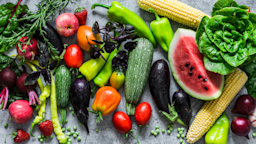
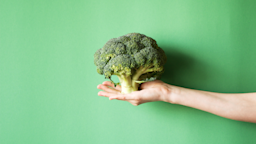

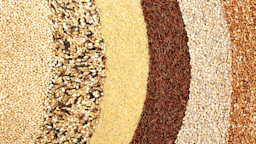
Try to choose fruits and vegetables in a variety of colors to get different nutrients. For example, orange and red produce often contain high amounts of vitamins A and C. Green vegetables are usually higher in iron and vitamin K.
3. Popcorn
If you’re looking for a low-calorie snack, popcorn is a good option. There are fewer than 35 calories in 1 cup of plain, air-popped popcorn.
As a whole grain, popcorn provides fiber, zinc, and iron. Plus, it’s filling. In one small study, participants found popcorn more satiating (filling) than potato chips.
For a flavor boost, toss plain popcorn with a little olive oil and seasonings like smoked paprika, chili powder, or oregano. Try to limit added salt and butter.
4. Greek yogurt parfait
Yogurt is a great source of calcium, fat, and protein. And it often contains probiotics, which are healthy bacteria that can boost your gut health. But the type of yogurt you choose matters.
Greek yogurt provides calcium and typically has more protein than regular yogurt. To make a parfait, layer plain Greek yogurt with fruit and a sprinkling of nuts or seeds.
Choose plain, unsweetened yogurt to limit added sugar. Fruit adds sweetness and fiber, while nuts or pumpkin seeds add crunch and healthy fats.
5. DIY ‘energy bites’
Oats provide fiber that supports gut health and heart health. They can also help make a snack more filling. Use oats to make no-bake energy bites for a great, on-the-go snack without the added sugar found in many store-bought granola bars.
Many DIY recipes combine oats, dates, nut butter, and seeds:
Blend the ingredients until the mixture sticks together and forms a paste-like consistency.
Adjust the texture by adding a little water if it’s too dry, or more oats if it’s too sticky.
Roll into 1-inch balls and refrigerate until you’re ready for your snack.
6. Cottage cheese
Cottage cheese is low in calories but high in protein: 1 cup of low-fat cottage cheese has over 24 g of protein. And it provides nutrients like calcium, selenium, and phosphorus.
For a sweet snack, top it with fruits, nuts, and a drizzle of honey. For a savory version, try fresh herbs, "everything bagel” seasoning, or chili oil and sesame seeds.
7. Apple and nut butter
Apple slices provide fiber, while nut butter adds protein and healthy fats. These fats benefit your heart by helping regulate blood pressure, blood sugar, and cholesterol. Together, they make a more satisfying snack.
Try making a sandwich using thinly sliced apples or pears as the “bread,” with nut butter in between.
8. Veggies and hummus
Hummus is made from garbanzo beans (chickpeas), which provide both protein and fiber. Pair it with sliced carrots, cucumbers, bell peppers, or whole-grain crackers.
You can buy ready-made hummus at the store or make it at home. Blend chickpeas with tahini (sesame seed paste), lemon juice, and olive oil. Add garlic and seasonings to taste.
9. Hard-boiled eggs
Eggs aren’t just for breakfast. Make a batch of hard-boiled eggs to have on hand for a high-protein snack. One hard-boiled egg contains over 6 g of protein.
If you don’t like plain eggs, try making egg salad by chopping hard-boiled eggs and mixing them with mayonnaise or plain Greek yogurt. Serve with whole-grain crackers for added fiber.
10. Cheese and whole-grain crackers
Cheese provides protein, calcium, and vitamin B12. Pair goat cheese, Swiss, mozzarella, or another cheese you enjoy with whole-grain crackers for a snack that combines protein and fiber.
Compare nutrition labels if you’re looking to limit sodium or saturated fat. Processed cheeses, like American cheese singles, tend to have more artificial preservatives.
11. Chia pudding
Chia seeds may be tiny, but they’re packed with fiber, protein, omega-3 fat, and antioxidants. You can simply mix them into yogurt, cereal, smoothies, or baked goods.
Another popular way to eat chia is in chia pudding. To make your own:
Mix 2 tbsp of chia seeds with ½ cup of milk of your choice.
Stir well, wait a few minutes, then stir again to break up clumps.
Refrigerate overnight.
Top your pudding with berries or other cut fruit. For more sweetness, you can drizzle a bit of honey or other natural sweetener.
12. DIY trail mix
Trail mix is portable and easy to customize. The base is usually a mixture of nuts, which provide protein, fiber, and nutritious fats. The add-in options are nearly endless. Here are a few ideas:
Unsweetened dried fruits, like figs, raisins, or dried apples
Seeds, such as pumpkin, hemp, or sunflower
Unsweetened coconut flakes or dark chocolate chips
13. Turkey pinwheels
Pinwheels are a rolled-up, snackable version of a turkey sandwich. To make your own:
Spread a tortilla with cream cheese, hummus, or smashed avocado.
Add cooked turkey (or other lean protein), thinly sliced veggies, and cheese if you like.
Roll up the tortilla like a sleeping bag, and slice it to create “pinwheels.”
Leftover roasted turkey works well and offers an alternative to processed deli meats, which have been linked to an increased risk of heart disease and colorectal cancer.
14. Smoothie
Pull out the blender and whip up a tasty smoothie for your next snack. To make a well-rounded smoothie, blend a combination of:
Fruits and/or vegetables
Healthy fats, like nut butter or seeds
Protein, like Greek yogurt, silken tofu, or protein powder
A liquid base, such as milk, an unsweetened milk alternative, coconut water, or plain water
15. Oatmeal
Oatmeal makes a great midday snack. As a whole grain, oats provide fiber. To add more protein to your oats, prepare them with milk or stir in yogurt, nut butter, or seeds.
16. Spring rolls
Fresh spring rolls are easy to customize with your favorite protein and produce. All you need are rice paper wrappers and ingredients for the filling. Try a mix of:
Protein, such as cooked shrimp or tofu
Vegetables, like cucumbers, carrots, and cabbage
Fruits, like avocado and mango
Once you’ve prepared your ingredients, soak the rice paper wrappers in water to soften them. Add the filling to the center, then roll. No cooking is required!
17. Canned fish with crackers
Canned fish is a convenient way to add seafood and protein to your snack rotation. Canned tuna, salmon, and sardines are all great options. Top a whole-grain cracker with a spoonful of fish for a protein-filled snack.
18. Turkey and lettuce wraps
For a quick snack with a little crunch, wrap cooked turkey and sliced cucumber or bell pepper in large lettuce leaves. Spread on some avocado or hummus for extra creaminess, protein, and fiber.
19. Baked tofu bites
Tofu is a plant-based source of protein that works well as a savory snack. There are lots of ways to prepare tofu, and it’s an easy way to add protein to many different meals.
For a simple snack, cut tofu into cubes then toss it with some olive oil and your favorite seasonings. Put it on a baking sheet lined with parchment paper. Bake until it’s golden brown.
20. Spinach and feta-stuffed peppers
Bell peppers make handy cups for a savory, filling snack. To make a well-rounded snack, fill halved peppers with chopped spinach, crumbled feta, and mashed white beans. Bake until the peppers begin to soften.
The beans provide fiber and protein, while the feta adds even more protein, calcium, and a tangy flavor. Spinach contains iron, vitamins A and K, and it’s a great source of fiber.
21. Quinoa salad
Quinoa has a reputation as a “superfood” because it’s loaded with B vitamins, fiber, and protein. It’s also very versatile and works well as a side dish, main meal, or easy snack.
To make a quinoa salad, start with cooked quinoa and add chopped vegetables, like cucumber and tomato. Drizzle with olive oil and lemon juice. For extra protein, add your favorite beans or some grated cheese.
22. Lentil salad
Lentils provide protein, fiber, and essential minerals, making them a filling base for a snack-sized salad. Combine lentils with chopped vegetables, olive oil, and vinegar. Garnish with some fresh herbs.
Choose canned lentils to save time. Canned vegetables can also simplify meal prep while maintaining a high nutritional value.
23. Peanut butter celery sticks
Peanut butter celery sticks may make you think of childhood. But it’s also a simple, healthy snack for adults. Spread peanut butter (or your favorite nut butter) into celery sticks.
Peanut butter adds protein, healthy fats, and creaminess, creating a tasty contrast with the crunchy and crisp celery. Sprinkle on a few raisins if you’re looking for a little added sweetness and fiber.
24. Protein bars
Protein bars are a classic grab-and-go snack. Their convenience is hard to beat, and some also have additional nutrients like fiber, vitamins, and minerals. But many are ultra-processed and contain added sugars, artificial sweeteners, or unhealthy fats. Look for options with nuts, seeds, or other whole-food ingredients.
25. Avocado toast
There’s a reason avocado toast is trendy. It requires very little prep and makes for a filling snack. Just spread sliced or mashed avocado on whole-grain toast for a filling snack with fiber and healthy fats.
Avocados are packed with nutrients, fiber, and healthy fat. Half of a medium-sized avocado has nearly 7 g of fiber, and whole-grain toast delivers another 2 g of fiber.
Planning tips for healthy and filling snacks
Some snacks require more preparation and planning time than others. Here are some tips to help make planning your next snack easier:
Pair protein and fiber. Snacks with both protein and fiber will take longer to digest. And that helps you feel fuller for longer.
Prep a few basics. Leftovers can be quick and easy snacks. Prepare beans, quinoa, or boiled eggs when you have time, then store extra in your refrigerator.
Keep convenient options on hand. A well-stocked pantry with nuts, canned vegetables, whole-grain crackers, and canned fish will let you keep a versatile and nutritious snack game.
Pack for your day. Lots of the snacks on our list can go right in your day bag. But others are perishable. Use an insulated bag with ice packs to keep them fresh. Forgot to pack a snack? Here are some tips for buying snacks at the convenience store.
Let your hunger guide you. One person’s snack may be another person’s meal. And your personal needs change from day to day. Choose a portion size that leaves you feeling satisfied.
Frequently asked questions
Dried seaweed (nori) is nutritious and can make a great, portable snack. It’s low in calories, fat, and sugar. But it’s high in antioxidants. Seaweed’s fiber supports digestive health and can help regulate blood sugar levels. Just try to choose varieties without too much sodium (salt) or other additives and flavorings.
It depends. Many pretzels are made from refined white flour. These provide little fiber. But whole-grain pretzels offer more fiber and nutrition. They’re an even better choice when paired with healthy fats and protein, like nut butter, cheese, or hummus. Look for pretzels that are low in sodium.
Not necessarily. Just because "fruit" is in the name doesn’t mean it’s a healthy snack. Most packaged fruit snacks are high in sugar. And since they don’t have any protein or fiber, they aren’t filling. Plus, their gummy texture means they stick to your teeth, which can cause cavities.
The bottom line
Snacks can help satisfy your hunger and keep you fueled between meals. Snacks rich in protein and fiber may help you feel fuller and provide important nutrients. The best thing you can do is find a snack that you enjoy eating, makes you feel good, and fits into your budget and daily routine.

Why trust our experts?


References
American Heart Association. (2024). Added sugars.
Enriquez, J. P., et al. (2023). Snacking consumption among adults in the united states: a scoping review. Nutrients.
FoodData Central. (2019). [Historical record]: Oats. U.S. Department of Agriculture.
FoodData Central. (2019). Chickpeas (garbanzo beans, bengal gram), mature seeds, canned, drained solids. U.S. Department of Agriculture.
Hess, J. (n.d.). Popcorn: A healthy, whole grain snack. U.S. Department of Agriculture.
Korczak, R., et al. (2020). Effects of oats on gastrointestinal health as assessed by in vitro, animal, and human studies. Nutrition Reviews.
MyFoodData. (n.d.). Avocados.
MyFoodData. (n.d.). Hard boiled eggs.
MyFoodData. (n.d.). Toasted whole wheat bread.
Nguyen, V., et al. (2012). Popcorn is more satiating than potato chips in normal-weight adults. Nutrition Journal.
Njike, V. Y., et al. (2016). Snack food, satiety, and weight. Advances in Nutrition.
ScienceDirect. (n.d.). Processed cheese.
U.S. Department of Agriculture. (2024). Advice about eating fish for those who might become or are pregnant or breastfeeding and children ages 1 - 11 years.