Key takeaways:
Goat milk can be made into both soft, spreadable cheese and firm, hard cheese.
Goat cheese is a source of protein, calcium, and healthy fats. And it may be easier to digest than cow’s milk cheese.
Some of the fat in goat cheese comes from capric acid, a beneficial fatty acid with anti-bacterial and anti-inflammatory properties.
Goat cheese refers to any cheese made with goat milk. Other types of cheese are made from cow’s milk or sheep’s milk.
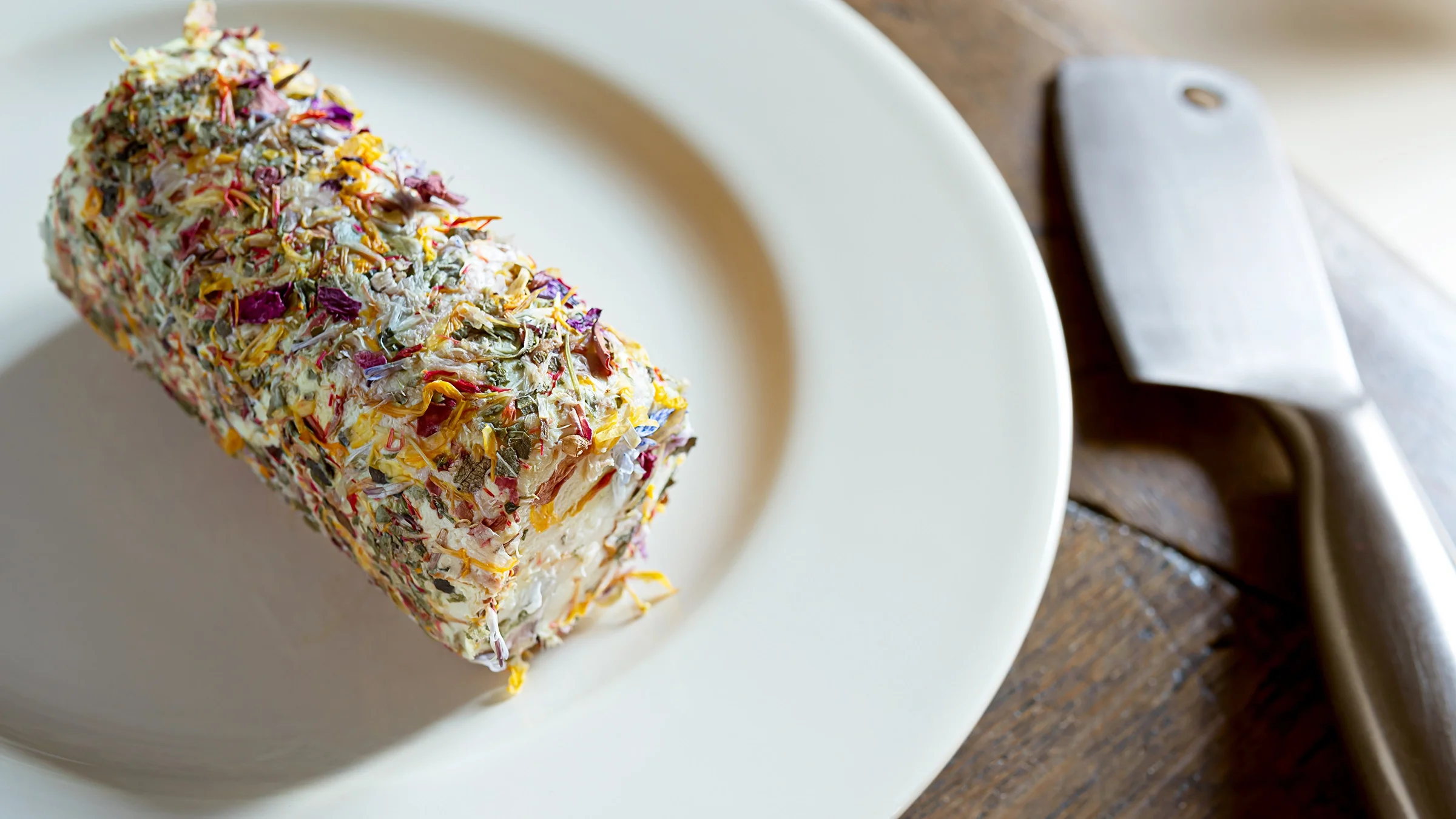
When you hear “goat cheese,” you may think of the popular, creamy, white log, often known in the U.S. as “chèvre.” Interestingly, chèvre just means “goat” in French. Goat cheese can come in many varieties, from brie to cheddar and feta.
Here, we’ll take a look at goat cheese, including what it is and how it compares to other cheeses.
Is goat cheese healthy?
Goat cheese is generally healthy if eaten in moderation. Like cheeses that are made from cow’s milk, goat cheese is a dairy product that’s rich in nutrients. Goat cheese is a good source of protein, fat, and calcium.
The type of fat in goat cheese is mostly saturated fat. While saturated fat is considered an unhealthy fat, some studies find that eating full-fat cheese doesn’t seem to raise heart disease risk.
Some of the saturated fat in goat cheese also comes from capric acid. This may have antibacterial and anti-inflammatory properties. Goat cheese may also contain some heart-healthy omega-3 fatty acids and conjugated linoleic acid, which is a potential antioxidant.
Goat cheese can be healthy if eaten as part of a balanced diet that includes:
Vegetables
Fruit
Whole grains
Other sources of protein
Benefits of goat cheese
Goat cheese may have some small benefits over cheese made from cow’s milk.
Digestibility
You may have heard that goat cheese is easier to digest than cow’s milk cheese. Interestingly, a study found that the digestibility of goat milk protein is 94%, which is similar to that of cow’s milk protein (95%). But if you find that you tolerate goat cheese better, that’s what matters most.
Lower lactose
Goat milk is also slightly lower in lactose than cow’s milk. Goat milk has 4.1 g of lactose, while cow's milk has 4.5 g of lactose per 100 g of milk. This may affect the amount of lactose in the cheese and make it easier to digest for people who’re sensitive to lactose.
What are the different types of goat cheese?
Goat milk can be used to make a variety of different cheeses, from spreadable chèvre to creamy brie and ashy Humboldt Fog.

Read more like this
Explore these related articles, suggested for readers like you.



Some goat cheeses are soft and runny. Others are dense, crumbly, and dry enough to grate. Overall, goat cheeses have a tangier flavor than cow’s milk cheeses. They’re a great addition to charcuterie platters or cheese boards.
The exact nutrient composition of goat cheese depends on how it’s made. There are subtle differences that depend on the:
Breed of goat
Country of origin
Time of year that the cheese is made
How long the cheese is aged
Goat cheeses that mature for 1 to 2 weeks stay fairly soft and spreadable, while those aged 3 to 5 months are firmer and drier. The nutrient content can change as a result. In general, there’s more calcium in hard cheeses — such as cheddar — compared to soft, creamy, spreadable cheese.
How is goat cheese nutritionally different from cow cheese?
Both goat cheese and cow cheese are made in a similar way and have similar amounts of nutrients. For example, goat cheddar is slightly lower in calories and fat than cow cheddar and a bit higher in calcium. But overall, the two cheeses are similar, as can be seen in the table below.
| Cow milk cheddar (1 oz) | Goat milk cheddar (1 oz) |
|---|---|---|
Calories | 115 | 100 |
Protein | 7 g | 7 g |
Fat | 9 g | 7 g |
Carb | 1 g | 1 g |
Sodium | 180 mg | 180 mg |
Calcium | 199 mg | 250 mg |
One study showed that, overall, goat’s milk has more healthier fats, like polyunsaturated fat, than cow’s milk. It also has higher levels of copper, magnesium and phosphorus. But it has less calcium and zinc.
The authors of that study noted that these differences were influenced by seasonality, species, and goat breeding practices, so this can vary quite a bit.
How can you use goat cheese in the kitchen?
Goat cheese can also add variety to your diet. It has a tangy, earthy flavor. Try it:
Spread on bread or crackers
Crumbled in salads (pairs especially well with salads with cucumber)
In pasta
As part of creamy dips (try baking it for extra warmth and deliciousness)
In frittatas or quiche
On pizza
Experiment with soft and hard varieties to find your favorites.
Frequently asked questions
Cheese is made when bacteria is added to milk. The bacteria makes the milk coagulate into a soft substance called curd. The curd is pressed into shape to become cheese. Soft curds are crafted in bags, and harder curds are shaped into wheels or blocks.
Both types of cheese are considered high-fat cheeses. But goat cheese has slightly higher levels of fat than feta. That means it has more calories too.
Most goat cheese is soft or semi soft. Soft cheeses tend to have less calcium than hard cheeses. So, if you’re counting cheese as a source of calcium in your diet, choose harder cheese.
Cheese is made when bacteria is added to milk. The bacteria makes the milk coagulate into a soft substance called curd. The curd is pressed into shape to become cheese. Soft curds are crafted in bags, and harder curds are shaped into wheels or blocks.
Both types of cheese are considered high-fat cheeses. But goat cheese has slightly higher levels of fat than feta. That means it has more calories too.
Most goat cheese is soft or semi soft. Soft cheeses tend to have less calcium than hard cheeses. So, if you’re counting cheese as a source of calcium in your diet, choose harder cheese.
The bottom line
Goat cheese can be a nutritious addition to your diet as part of an overall balanced eating plan that also includes vegetables, fruit, whole grains, and other sources of protein. It’s a nice way to add variety to your cheese rotation and is excellent for many culinary uses. Enjoy goat cheese for its tangy, earthy flavor, and try both soft and firm cheeses to suit your recipe preferences.

Why trust our experts?




References
British Heart Foundation. (n.d.). 7 cheese facts that will surprise you.
Chen, M., et al. (2016). Dairy fat and risk of cardiovascular disease in 3 cohorts of US adults. The American Journal of Clinical Nutrition.
Food Data Central. (2019). Cheese, cheddar, sharp, sliced. U.S. Department of Agriculture.
Food Data Central. (2019). Cheese, goat, soft type. U.S. Department of Agriculture.
Food Data Central. (2019). Goat milk cheddar cheese. U.S. Department of Agriculture.
Gilbert, S. M. (2017). Cheesy science. American Chemical Society.
Harvard T.H. Chan School of Public Health. (2020). Cheese.
Huang, W., et al. (2014). Anti-bacterial and anti-inflammatory properties of capric acid against Propionibacterium acnes: A comparative study with lauric acid. Journal of Dermatological Science.
Kashyap, S., et al. (2021). Goat milk protein digestibility in relation to intestinal function. The American Journal of Clinical Nutrition.
Lordan, R., et al. (2018). Dairy fats and cardiovascular disease: Do we really need to be concerned? Foods.
Paszczyk, B., et al. (2020). The comparison of fatty acid composition and lipid quality indices in hard cow, sheep, and goat cheeses. Foods.
Stergiadis, S., et al. (2019). Comparative nutrient profiling of retail goat and cow milk. Nutrients.