Key takeaways:
Sulfur is an essential mineral with several roles in the body, including turning the nutrients from the food you eat into energy.
Your body doesn’t make sulfur, so you need to get it from your diet. Common sources include red meat, poultry, eggs, and certain vegetables.
Some people may experience gastrointestinal symptoms from high sulfur intake. And getting too much dietary sulfur from animal sources may increase your risk for heart disease.
You’ve likely heard about minerals like calcium, sodium, and potassium. But what about sulfur? It may not get as much attention as the other minerals, but sulfur is crucial for many body processes. Sulfur plays an active role behind the scenes to keep your cells and immune system healthy.
Sulfur is an essential mineral. This means your body needs it, but doesn’t make it on its own. So you need to get it from your diet. But before we talk about which foods contain it, let’s take a look at sulfur’s role in the body.
Sulfur’s role in the body
Sulfur is the third most common mineral in your body, after calcium and phosphorus. It can be found in amino acids like methionine and cysteine, which are two of the amino acids your body uses to make proteins.
And sulfur plays other important roles in the body, including:
Supporting metabolism: It helps turn the food you eat into energy you can use.
Repairing DNA: Sulfur plays a role in the body’s response to DNA damage. This helps keep cells healthy and genetic material stable.
Maintaining the structure of connective tissue: This tissue includes tendons, ligaments, and skin.
Improving immune health: Sulfur is a key part of certain antioxidants, like glutathione. These antioxidants reduce inflammation and protect your cells from damage caused by oxidative stress. Oxidative stress can increase your risk for chronic conditions like heart disease, Type 2 diabetes, and cancer.
High-sulfur foods
Sulfur is present in many foods that you probably already eat. Many sulfur-containing foods are animal proteins. But there are some plant foods with sulfur, too.
There’s no established recommended dietary allowance (RDA) for sulfur. But since there’s sulfur in so many foods, most people get enough of it through their diets.
Here are the foods and food groups that are particularly good sources of sulfur.
1. Poultry
Turkey and chicken are lean proteins high in sulfur. They’re also generally low in saturated fat and low in calories (depending on what part of the bird you’re eating). And they’re a good source of many minerals, including selenium. Selenium is an essential trace mineral that supports thyroid function and helps make DNA.
2. Red meat
Red meat is also a great source of sulfur because it’s rich in methionine and cysteine, the amino acids that contain sulfur. Red meats also have another sulfur-containing amino acid called taurine. And red meat provides plenty of protein, iron to help make red blood cells, zinc to support immune health, and B vitamins to convert food into energy.
Keep in mind that red meat is high in saturated fat, and is linked to an increased risk of colorectal cancer, inflammation, and heart disease. So if you eat red meat, it’s best to limit it. Most experts recommend eating less than 3 servings (12 oz to 18 oz) of red meat per week.
3. Fish
In addition to sulfur, fish contains many nutrients your body needs. Oily fish like salmon, tuna, and sardines have high amounts of omega-3 fatty acids. Omega-3s are healthy fats that build and maintain healthy cells, regulate the levels of fats in your blood, and control body-wide inflammation. But other types of fish have important nutrients, too. Trout is high in vitamin D. Scallops and sardines are high in phosphorus. Halibut provides selenium.
4. Eggs
Eggs have many health benefits. They’re an easy-to-digest source of protein. And they’re a complete protein, which means they contain all nine essential amino acids your body needs but can’t make on its own. Eggs contain lutein and zeaxanthin, carotenoids (pigments) that support eyesight. And research suggests that eggs may support brain health by slowing down memory decline.
5. Dairy products
Dairy products are good sources of sulfur. Dairy foods also contain calcium, potassium, and magnesium, all of which work to support bone health. And some dairy products — like yogurt and kefir — contain probiotics, which are live yeasts and bacteria that support the natural flora in your intestine. In addition to supporting gut health, probiotics also support overall health. They boost your immune system, lower cholesterol, support weight loss, and reduce inflammation.
6. Cruciferous vegetables
Cruciferous vegetables rich in sulfur include:
Broccoli
Cabbage
Brussels sprouts
Cauliflower
Kale
Arugula
These veggies are packed with vitamins, minerals, and other nutrients that reduce the risk of certain cancers, support your gut by feeding the good bacteria there, and improve eye health.
7. Onions
It’s easy to overlook the health benefits of onions since they aren’t colorful and leafy like some other vegetables. But onions, part of the allium family, are nutritional powerhouses. Aside from their sulfur content, they contain folic acid, vitamin B6, magnesium, and calcium. And they have antioxidant, anti-inflammatory, and immune-boosting properties.
8. Garlic
Like onions, garlic is in the allium family. And it’s one of the healthiest vegetables. It’s rich in potassium, phosphorus, and zinc. And its polyphenols — plant-based compounds — may help lower your risk for conditions like:
Osteoarthritis
Skin disease
Heart disease
Cancer
Type 2 diabetes
9. Legumes
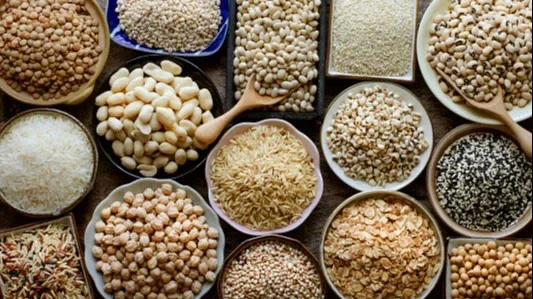
Aside from their sulfur, legumes are packed with plant-based protein and fiber. The legume family includes:
10. Nuts
Nuts are another plant-based source of sulfur. Like legumes, they contain filling fiber and protein. They’re also high in heart-healthy unsaturated fats.
11. Seeds
Most seeds contain protein, fiber, and healthy unsaturated fats. They’re also a great source of antioxidants. Some of the most nutrient-rich seeds are chia, flaxseed, sunflower, and sesame.
Other sources of sulfur
Depending on where you live, your drinking water may contain sulfur. This can happen particularly if you use well water. Water containing sulfur may have a “rotten egg” smell. It’s usually safe to drink, but can cause gastrointestinal (GI) symptoms in some people. If you’re concerned about sulfur in your drinking water, you can test for its presence.
Sulfur is also used to make a food preservative called sulfite. Many packaged foods and alcoholic drinks contain sulfites. This keeps the product shelf-stable.
Sulfur side effects
Most people don’t experience side effects from dietary sulfur. But people with certain health conditions — like ulcerative colitis or Crohn’s disease — may want to reduce the amount of sulfur they eat. This is because high amounts of sulfur can worsen inflammation in the gut.
Note that certain medications contain sulfur, including some antibiotics and diuretics. Consuming high amounts of sulfur from medications or supplements can cause GI symptoms like:
Upset stomach
Diarrhea
If you’re on medications containing sulfur, talk with a healthcare professional about whether you need to limit dietary sulfur.
Is too much sulfur bad for you?
It may be, but research is ongoing.
A large study suggests that eating too many animal-based foods high in sulfur — especially red meats and dairy — may increase your risk of heart disease. This study followed over 120,000 people for more than 30 years. It found that people who consumed more sulfur-rich foods had a higher risk of heart disease and death.
Getting sulfur through plant-based sources or fish may be better for health. Especially given what we already know about the health harms associated with high red meat consumption.
Frequently asked questions
There’s no established recommended dietary allowance (RDA) for sulfur. Most adults get enough sulfur from eating protein-rich foods. If you get enough protein in your diet you’re likely getting enough sulfur.
Sulfur compounds are usually found in high-protein sources from animals such as meat, seafood, and dairy. But sulfur is also present in some plant foods, including nuts and certain vegetables.
Coffee contains sulfur compounds, but it isn’t a primary source of sulfur. The sulfur in coffee is partially responsible for coffee’s distinctive smell and flavor.
There’s no specific food that will remove sulfur from your body. But you can try a low-sulfur diet if you need to lower your sulfur intake. Keep in mind that foods that contain sulfur also contain many other beneficial nutrients. For this reason, it’s best to consult with a healthcare professional before limiting sulfur-containing foods or cutting them out of your diet.
There’s no established recommended dietary allowance (RDA) for sulfur. Most adults get enough sulfur from eating protein-rich foods. If you get enough protein in your diet you’re likely getting enough sulfur.
Sulfur compounds are usually found in high-protein sources from animals such as meat, seafood, and dairy. But sulfur is also present in some plant foods, including nuts and certain vegetables.
Coffee contains sulfur compounds, but it isn’t a primary source of sulfur. The sulfur in coffee is partially responsible for coffee’s distinctive smell and flavor.
There’s no specific food that will remove sulfur from your body. But you can try a low-sulfur diet if you need to lower your sulfur intake. Keep in mind that foods that contain sulfur also contain many other beneficial nutrients. For this reason, it’s best to consult with a healthcare professional before limiting sulfur-containing foods or cutting them out of your diet.
The bottom line
Sulfur is an important mineral for your health. You’ll likely get the amount of sulfur your body needs from your diet choices every day, especially if you eat meat or dairy. But some people are sensitive to dietary sulfur or sulfur in medications and may need to limit or avoid it. Getting too much sulfur from meat and dairy may raise your risk for heart disease. It’s best to get dietary sulfur from a variety of sources, including plant-based ones.

Why trust our experts?




References
Abdel-Aal, E. M., et al. (2013). Dietary sources of lutein and zeaxanthin carotenoids and their role in eye health. Nutrients.
American Academy of Allergy Asthma & Immunology. (2024). Sulfite and sulfa drugs.
Angeloni, S., et al. (2021). Characterization of the aroma profile and main key odorants of espresso coffee. Molecules.
Ansary, J., et al. (2020). Potential health benefit of garlic based on human intervention studies: A brief overview. Antioxidants.
Bastaki, S. M. A., et al. (2021). Chemical constituents and medicinal properties of Allium species. Molecular and Cellular Biochemistry.
Becana, M., et al. (2018). Sulfur transport and metabolism in legume root nodules. Frontiers in Plant Science.
Brosnan, J. T., et al. (2006). The sulfur-containing amino acids: An overview. The Journal of Nutrition.
Deng, K., et al. (2025). A dietary pattern promoting gut sulfur metabolism is associated with increased mortality and altered circulating metabolites in low-income American adults. eBioMedicine.
Doleman, J. F., et al. (2017). The contribution of alliaceous and cruciferous vegetables to dietary sulphur intake. Food Chemistry.
Dordevic, D., et al. (2023). Sulfur content in foods and beverages and its role in human and animal metabolism: A scoping review of recent studies. Heliyon.
Fuentes, A. R. G., et al. (2015). Short review of sulphites as food additives. European Journal of Nutrition & Food Safety.
Hill, C. R., et al. (2022). Sulfur compounds: From plants to humans and their role in chronic disease prevention. Critical Reviews in Food Science and Nutrition.
Karagülle, M. Z., et al. (2019). Effects of drinking natural hydrogen sulfide (H2S) waters: a systematic review of in vivo animal studies. International Journal of Biometeorology.
Marefati, N., et al. (2021). A review of anti-inflammatory, antioxidant, and immunomodulatory effects of Allium cepa and its main constituents. Pharmaceutical Biology.
Mukwevho, E., et al. (2014). Potential role of sulfur-containing antioxidant systems in highly oxidative environments. Molecules.
Myers, M., et al. (2023). Eggs: Healthy or risky? A review of evidence from high quality studies on hen’s eggs. Nutrients.
Nimni, M. E., et al. (2007). Are we getting enough sulfur in our diet? Nutrition and Metabolism.
Oregon Health Authority. (n.d.). Hydrogen sulfide and sulfur bacteria in well water.
Reddy, V. P. (2023). Oxidative stress in health and disease. Biomedicines.
Schmidt, K. (2022). Eating too many sulfur amino acids may boost cardiovascular disease and death risk. American Heart Association News.
Shakelford, R., et al. (2021). Hydrogen sulfide and DNA repair. Redox Biology.
Stolt, E., et al. (2021). Sulfur amino acid restriction, energy metabolism and obesity: A study protocol of an 8-week randomized controlled dietary intervention with whole foods and amino acid supplements. Journal of Translational Medicine.
Stummer, N., et al. (2023). Role of hydrogen sulfide in inflammatory bowel disease. Antioxidants.
WholeFoodCatalog. (n.d.). Meats high in sulfur containing amino acids.
Yan, F., et al. (2011). Probiotics and immune health. Current Opinion in Gastroenterology.