Key takeaways:
Iron is a mineral your body needs to make red blood cells. Iron deficiency can lead to health problems and low blood cell counts.
Animal foods that are rich in iron include shellfish, beef, and dark poultry meat. These foods contain heme iron, which your body absorbs better than iron from plant-based foods.
Coffee, tea, and substances called phytates found in whole grains can block iron absorption. On the other hand, foods high in vitamin C can help boost iron absorption.
Iron is an essential nutrient that your body needs every day. Your body uses iron to make red blood cells and hemoglobin, which helps carry oxygen around your body.
But not everyone gets enough iron in their diet. In fact, iron deficiency is among the most common nutritional deficiencies in the world. The good news is that there are many animal- and plant-based foods that are high in iron. Wondering which foods to eat to make sure you’re getting enough? Let’s take a closer look.
What foods are high in iron?
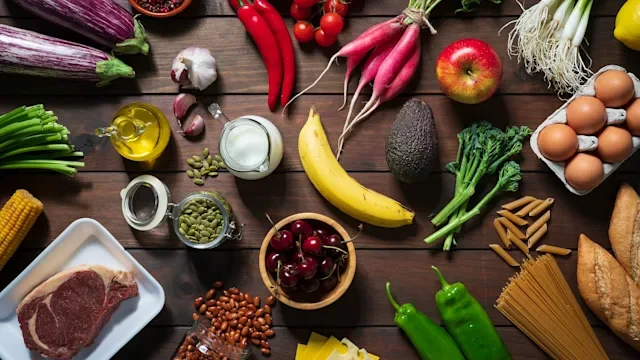
Both animal- and plant-based foods can be high in iron. The main difference between the two is the type of iron they provide:
Heme iron: This type of iron is easier for your body to absorb and use. It’s found in meat, fish, and poultry, but not in plant-based foods. About 10% of the iron people get comes from heme iron.
Nonheme iron: This type of iron is found in vegetables, grains, and iron-fortified foods. Most dietary iron comes from these sources, but your body doesn’t absorb nonheme iron as easily.
This doesn’t mean you need to eat animal foods to get the iron you need. There are plenty of animal- and plant-based foods that are high in iron to choose from.
Animal-based sources of iron
If you eat animal foods, here are four high-iron foods to focus on.
1. Fish and seafood
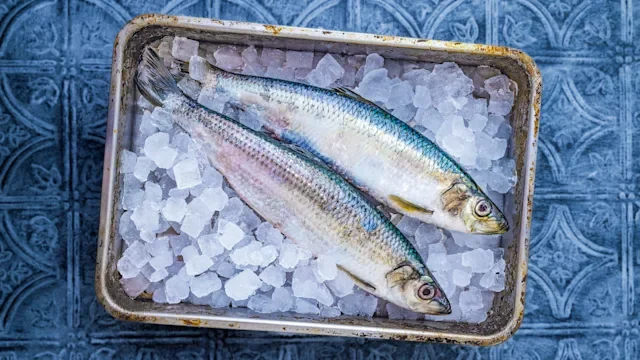
There are lots of great iron-rich seafood choices. Popular options include:
Shrimp
Oysters
Tuna
Salmon
2. Red meat
Nearly all types of meat are rich in iron. In general, red meat has more iron per ounce than other types of meat. Iron-rich red meats include:
Beef
Ham
Lamb
Veal
Pork
3. Poultry
Chicken and turkey are a source of iron. Dark meat has more iron than white meat. Choose the thigh or leg instead of the breast if you want the most iron. Poultry options include:
Chicken
Turkey
Duck
Eggs
4. Organ meats
Organ meats are a little less common in the United States. But they’re rich in iron, and include:
Liver
Kidney
Brain
Heart
Plant-based foods and vegetables high in iron
The nonheme iron found in plant-based foods is more difficult for your body to absorb. But data shows that eating plant foods and animal foods together can help your body absorb more iron from both. Here are some plant-based foods to try.

Read more like this
Explore these related articles, suggested for readers like you.



1. Legumes
Legumes can be a great source of protein and iron. Since they contain phytates, soaking or cooking them first can help boost iron absorption. Popular legumes include:
Lentils
Kidney beans
Garbanzo beans
Peas
2. Soy foods
Soybeans are technically a type of legume. But soy foods deserve their own category because they’re so versatile. Keep in mind that the way soy is processed can affect its iron content. For example, soy milk may be fortified with calcium. And calcium limits how well your body absorbs iron.
Soy products that are rich in iron include:
Tofu
Edamame
Soy milk
3. Seeds and nuts
Seeds and nuts are also high in iron. Common foods in this category include:
Peanuts and peanut butter
Almonds and almond butter
Cashews
Sesame seeds
Chia seeds
4. Leafy greens
Dark leafy greens can be good sources of iron, but many also contain oxalates and other substances that can block iron absorption. Try eating them with foods high in vitamin C to help improve absorption. Here are a few to try:
Spinach
Kale
Dandelion greens
Collard greens
Chard
5. Vegetables
Many other types of vegetables can be helpful additions to an iron-rich diet. For example, tomatoes and onions also contain vitamin C, which helps boost iron absorption. Popular choices include:
Broccoli
Tomatoes
Green beans
Onions
Asparagus
6. Fruit
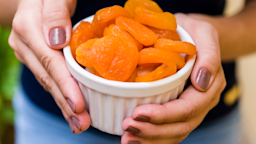
Some fruits are also high in iron and vitamin C. Dried fruits tend to have more iron than fresh fruits. Try these iron-rich fruits:
Strawberries
Raisins
Dates
Figs
Dried apricots and peaches
7. Whole grains
Some breads and cereals contain natural nonheme iron. Many are also fortified or enriched with extra iron (check the labels). Look for these iron-containing choices:
Whole-wheat bread
Rye bread
Bran cereal
Cornmeal
Enriched bread, cereal, pasta, or rice
How much iron do high-iron foods contain?
Here are several foods from the lists above, with how much iron they provide.
Food | Serving size | Amount of iron |
1. Fortified breakfast cereal | 30 g | 18 mg |
2. Oysters | 3 oz | 8 mg |
3. White beans (canned) | 1 cup | 8 mg |
4. Lentils (boiled) | 1 cup | 6 mg |
5. Spinach (boiled) | 1 cup | 6 mg |
6. Tofu, firm | 1 cup | 6 mg |
7. Beef liver (cooked) | 3 oz | 5 mg |
8. Swiss chard (cooked) | 1 cup | 4 mg |
9. Sesame seeds | 1 oz | 4 mg |
10. Tomatoes (cooked) | 1 cup | 4 mg |
11. Beets (cooked) | 1 cup | 3 mg |
12. Prune juice | 1 cup | 3 mg |
13. Mushrooms (cooked) | 1 cup | 3 mg |
14. Beef | 3 oz | 2 mg |
15. Baked potato | 1 medium | 2 mg |
16. Cashews | 1 oz | 2 mg |
17. Chickpeas | ½ cup | 2 mg |
18. Chicken, with skin (roasted) | 3 oz | 1 mg |
19. Raisins | ¼ cup | 1 mg |
How much iron do you need?
The amount of iron you need each day depends on a few things, including your sex, age, and diet.
Because your body absorbs nonheme iron differently, people who follow a vegetarian or vegan diet have higher iron requirements. They need almost twice as much iron as people who eat meat.
Women who menstruate also need more iron because bleeding raises the risk of iron deficiency. Iron needs are even higher when you’re pregnant. If you’re nursing, talk with your OB-GYN to make sure you’re getting the right amount of iron for you and your baby.
The table below summarizes the recommended daily iron needs for different groups of people.
Non-vegetarian diet | Vegetarian or vegan diet | |
Men (ages 9 to 51+) | 8-11 mg | About 14-20 mg |
Women (ages 8 to 51+) | 8-18 mg | About 14-32 mg |
Pregnant women | 27 mg | About 48 mg |
Nursing mothers | 9-10 mg | About 16 mg |
Foods that hurt iron levels
Some foods and drinks make it harder for your body to absorb iron, especially when they’re eaten at the same time. Iron-lowering foods and drinks include:
Tea and coffee: Black tea and coffee contain substances called polyphenols, which interfere with nonheme iron absorption. If you’re trying to improve your iron levels, it’s best to drink these between meals.
Phytates: These are natural compounds in plant-based foods like beans, seeds, and whole grains. They can block the absorption of certain minerals, such as iron. Soaking and cooking these foods can help counteract this effect.
Calcium: Dairy foods like milk, cheese, and yogurt may affect both heme and nonheme iron absorption.
Oxalates: These substances are also linked to low nonheme iron absorption. They’re commonly found in leafy greens, as well as beans, seeds, and nuts.
While it’s important to be mindful of these foods and beverages, you don’t need to avoid them altogether. Simple changes to when and how you eat them can help your body absorb more iron.
How to get more iron in your diet
If you’re low in iron, these tips can help you absorb as much iron as possible:
Change the timing of your drinks. Instead of drinking tea and coffee with an iron-rich meal, enjoy these drinks between meals.
Time your supplements. Calcium supplements can get in the way of iron absorption. It’s best to wait several hours after eating an iron-rich meal or taking an iron supplement to take your calcium supplement.
Add vitamin C. Pair iron-rich foods with vitamin C-rich foods, like fruits and vegetables. This can help your body absorb iron better. For example, top iron-fortified cereal with strawberries or add red peppers into a bean salad.
Switch to iron cookware. Using iron pots, pans, or utensils can help increase the iron in your food as you cook. This works best for animal-based foods that contain heme iron.
Are foods high in iron more effective than iron supplements?
Iron-rich foods and iron supplements are both effective at raising iron levels. Some people can get enough iron from food alone. But different factors can make it harder to keep iron levels normal without supplements. These include how well your body absorbs iron and whether you have certain medical conditions.
When to talk to a doctor about iron supplements
Talk to a healthcare professional about iron supplements if you have symptoms of low iron or iron-deficiency anemia, such as:
Paleness
Tiredness
Hair loss
Fast heartbeat
Poor concentration
Ice cravings
A healthcare professional might also recommend iron supplements if you:
Frequently asked questions
Red meat, especially organ meats like liver and kidney, have more iron than any other food. And since meat contains heme iron, your body can readily absorb it.
Most beverages aren’t great sources of iron unless they’ve been fortified. But juices that are high in vitamin C, like apple juice and orange juice, can help your body absorb iron easier. Smoothies and fortified juices often have iron added as well.
Cocoa powder is another good source of iron. Look for cocoa-containing drinks that aren’t made with cow’s milk to limit iron-blocking calcium.
If you have anemia, you may need to pay extra attention to how much iron you get from your diet. Use the chart above as a guide. In addition to any treatment for the condition, it’ll help to eat iron-rich foods.
The fastest way to raise iron in your body is to take an iron supplement or get an iron infusion. If you want to raise your iron level quickly through food alone, you can:
Look for foods that are iron-fortified
Increase the red meat and leafy vegetables in your diet
Limit dairy products at meals
Add vitamin C to your meals
Yes. Taking too much iron at one time can cause stomach pain and constipation. And very large doses can be dangerous, especially for children. Over time, high doses of iron from supplements can cause iron to build up in your body. This condition is known as secondary hemochromatosis.
Red meat, especially organ meats like liver and kidney, have more iron than any other food. And since meat contains heme iron, your body can readily absorb it.
Most beverages aren’t great sources of iron unless they’ve been fortified. But juices that are high in vitamin C, like apple juice and orange juice, can help your body absorb iron easier. Smoothies and fortified juices often have iron added as well.
Cocoa powder is another good source of iron. Look for cocoa-containing drinks that aren’t made with cow’s milk to limit iron-blocking calcium.
If you have anemia, you may need to pay extra attention to how much iron you get from your diet. Use the chart above as a guide. In addition to any treatment for the condition, it’ll help to eat iron-rich foods.
The fastest way to raise iron in your body is to take an iron supplement or get an iron infusion. If you want to raise your iron level quickly through food alone, you can:
Look for foods that are iron-fortified
Increase the red meat and leafy vegetables in your diet
Limit dairy products at meals
Add vitamin C to your meals
Yes. Taking too much iron at one time can cause stomach pain and constipation. And very large doses can be dangerous, especially for children. Over time, high doses of iron from supplements can cause iron to build up in your body. This condition is known as secondary hemochromatosis.
The bottom line
Iron is a mineral everyone needs for important body functions. Most people can get enough iron by eating a variety of animal- and plant-based foods. But keep in mind that some foods can lower your iron absorption. If you’re concerned about your iron intake, talk with your healthcare team. They can recommend dietary changes or supplements to make sure you’re getting enough iron.

Why trust our experts?



References
Centers of Disease Control and Prevention. (2025). Maternal diet and breastfeeding.
Consalez, F., et al. (2022). The effect of the meat factor in animal-source foods on micronutrient absorption: A scoping review. Advances in Nutrition.
Dietary Guidelines for Americans. (2024). Food sources of iron.
Ems, T., et al. (2023). Biochemistry, iron absorption. StatPearls.
Office of Dietary Supplements. (2023). Iron.
Piskin, E., et al. (2022). Iron absorption: Factors, limitations, and improvement methods. ACS Omega.
Salma, A. F., et al. (2017). A 1-h time interval between a meal containing iron and consumption of tea attenuates the inhibitory effects on iron absorption: A controlled trial in a cohort of healthy UK women using a stable iron isotope. The American Journal of Clinical Nutrition.
Schweihofer, J. (2024). The color of meat depends on myoglobin: Part 1. Michigan State University Extension.
Sharma, S., et al. (2021). Effect of cooking food in iron-containing cookware on increase in blood hemoglobin level and iron content of the food: A systematic review. Nepal Journal of Epidemiology.
World Health Organization. (n.d.). Micronutrients.