Key takeaways:
Oxalate is a substance found in many foods, and it’s harmless for most people. But, if you’re prone to certain types of kidney stones, it’s best to eat a low-oxalate diet.
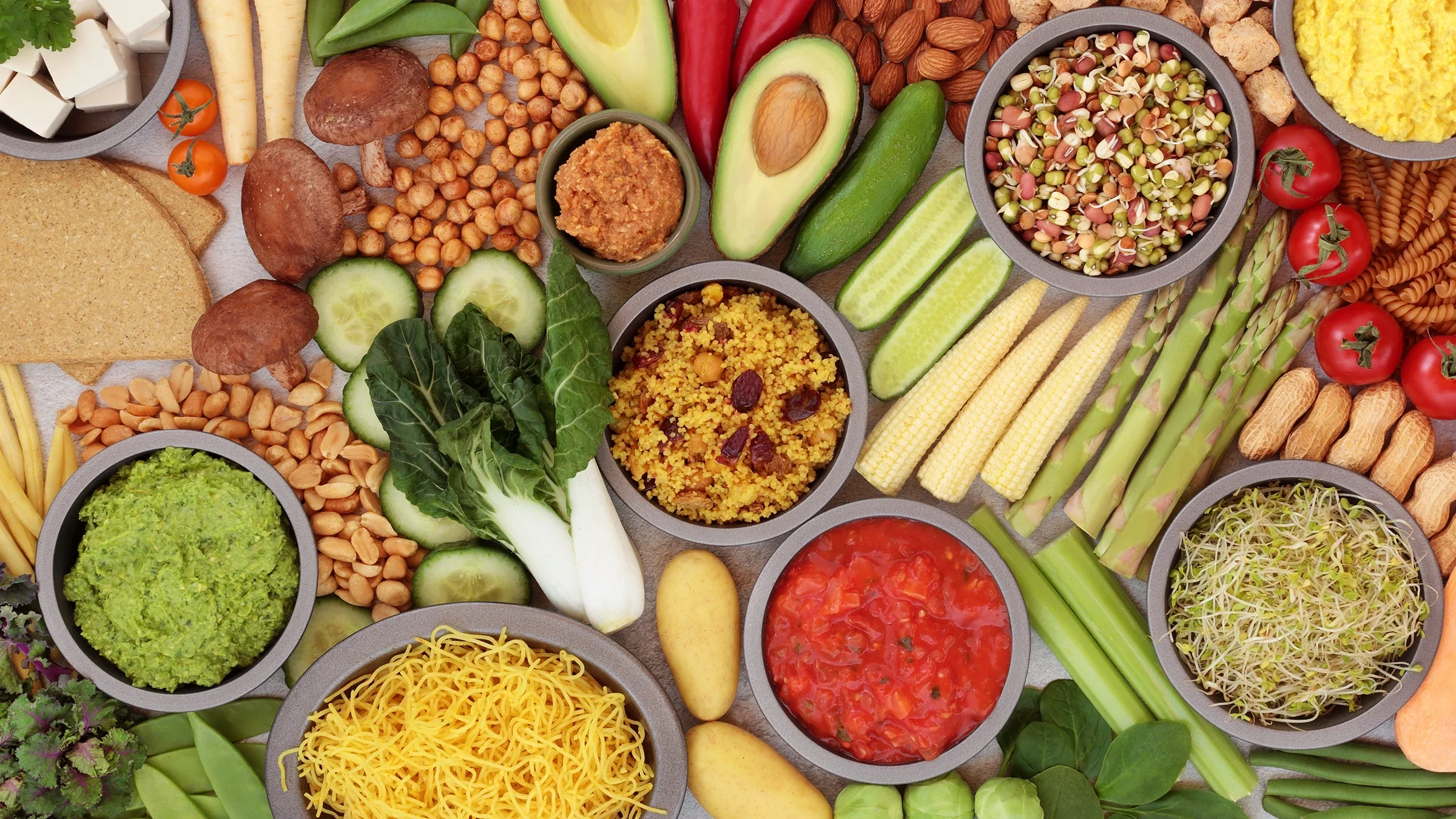
Foods that are high in oxalate include spinach, rhubarb, rice bran, buckwheat, almonds, and miso. Many other foods also have oxalate, but you can eat them in moderation.
If you’re prone to calcium oxalate kidney stones, make sure to eat enough calcium in your diet. This helps decrease the amount of oxalate your body absorbs from food.
For people who get kidney stones — particularly the ones that form from a combination of calcium and oxalate — eating a diet high in oxalate can increase the risk of more kidney stones.
But what are oxalates? And are high oxalate foods bad for everyone? Here, we’ll dive into that — and go through a high-oxalate foods list.
What are oxalates?
Oxalic acid, or oxalate, is a natural compound in many different foods — like vegetables, beans, and grains. For most people, oxalate is completely harmless, and they simply pee it out in their urine. Other people, however, have difficulty getting rid of excess oxalate. Instead of peeing it out, it builds up and forms crystals that can stick together and cause kidney stones.
Reducing the amount of high-oxalate foods in the diet is commonly recommended for people who are prone to the development of calcium oxalate stones.
List of high-oxalate foods
Many foods have oxalate. If you’re prone to calcium oxalate kidney stones and are trying to follow a low-oxalate diet, this high-oxalate food list can be overwhelming. So, let’s review some numbers that’ll help you know where to start.
A typical diet has 200 mg to 300 mg of oxalate per day. A low-oxalate diet should have fewer than 100 mg of oxalate per day — and 50 mg per day is ideal. So, it helps to have a general idea of how much oxalate is in a serving of different foods.
If you’re following a low-oxalate diet, a good place to start is to review the food lists below, and:
Avoid the foods that are highest in oxalate.
Limit foods that are high in oxalate. Try not to have more than one serving of these per day.
Be aware of the foods moderately high in oxalate, and try not to eat multiple servings of these per day.
A lot of the foods below can still be part of a balanced and nutritious diet, so it helps to remember that you don’t need to completely avoid foods high in oxalate. Instead, be mindful when you’re eating high-oxalate foods, so that you don’t accidentally overdo it. The goal of a low-oxalate diet is to limit oxalate, rather than eliminate it completely.
Foods highest in oxalate
Foods highest in oxalate (over 100 mg per serving) include:
Food | Oxalate content per serving |
|---|---|
Beets, boiled (½ cup) | 574 mg |
Rhubarb (½ cup) | 541 mg |
Snap beans, raw (1 cup) | 360 mg |
Buckwheat flour (1 cup) | 323 mg |
Brussels sprouts, raw (1 cup) | 317 mg |
Carrots, raw (½ cup, sliced) | 305 mg |
Wheat germ (1 cup) | 304 mg |
Spinach, raw (1 cup) | 291 mg |
Soy yogurt (1 cup) | 257 mg |
Rice bran (1 cup) | 281 mg |
Tofu (3 oz) | 231 mg |
Celery, raw (1 cup, chopped) | 192 mg |
Broccoli, raw (1 cup, chopped) | 167 mg |
Cauliflower, raw (1 cup, chopped) | 160 mg |
Soy flour (1 cup) | 154 mg |
Buckwheat groats, roasted (1 cup) | 132.6 mg |
Soy protein isolate (1 oz) | 131 mg |
Almonds (1 oz) | 130 mg |
Watercress, raw (1 cup) | 105 mg |
Foods high in oxalate
Foods high in oxalate (between 40 mg and 100 mg per serving) include:
Food | Oxalate content per serving |
|---|---|
Wheat berries (1 cup, cooked) | 98 mg |
Navy beans, canned (½ cup) | 96 mg |
Baked potato (1, with skin) | 92 mg |
Bulgur, cooked (1 cup) | 86 mg |
Dark chocolate (1.5 oz) | 68 mg |
Cocoa powder (4 tbsp) | 67 mg |
Hot chocolate (1 cup) | 65 mg |
Cornmeal (1 cup) | 64 mg |
Cashews (1 oz) | 64 mg |
Hazelnuts (1 oz) | 62 mg |
Refried beans (½ cup) | 60 mg |
Baked beans (½ cup) | 58 mg |
Quinoa, cooked (1 cup) | 54 mg |
Sweet potato (½ cup) | 54 mg |
French fries (6 oz) | 49 mg |
Corn grits, cooked (1 cup) | 45 mg |
40% bran flakes (1 cup) | 43 mg |
Miso (1 cup) | 40 mg |
Foods moderately high in oxalate
Foods moderately high in oxalate (10 mg to 40 mg per serving) include:
Other nuts, like walnuts, peanuts, pistachios, and pecans, and nut butter
Tahini and sesame seeds
All-purpose flour and bread products, like bagels
Oranges and grapefruits
Dried fruit, like pineapples, dates, and figs
Brown rice
Soy milk and soy-based veggie burgers
Beans, like fava beans and red kidney beans
Olives
Kiwis
Turnips and parsnips
Collard greens
Pumpkin seeds and sunflower seeds
Tomato sauce
Tea

Read more like this
Explore these related articles, suggested for readers like you.



Drinks that are high in oxalates
There are a few beverages that are high in oxalates, which should be limited, if you’re on a low-oxalate diet. These include:
Hot chocolate
Nut milk (almond milk, soy milk, cashew milk, hazelnut milk)
Coffee drinks that contain cocoa or plant-based milk
Smoothies containing spinach, plant-based milks, avocados, or raspberries
List of low-oxalate foods
There are plenty of nutritious foods that are low in oxalate. The following list is just a sampling of foods that have fewer than 2 mg of oxalate:
Bananas
Apples
Melons
Mushrooms
Onions
Peas
White potatoes
Bread
Noodles
If you’re someone who forms calcium oxalate kidney stones, eating enough calcium in your diet may also help. If you eat a food high in oxalate, try to pair it with a food high in calcium (like dairy products). The calcium binds to the oxalate and prevents your body from absorbing it.
How do high-oxalate foods contribute to kidney stones?
For most people, oxalate has no effect on the body. The body just excretes it in the urine, and it’s harmless. But, in some people, oxalate in the urine combines with calcium to form kidney stones.
Calcium oxalate stones are the most common type of kidney stones. These stones form when calcium and oxalate combine in the urinary tract and solidify into a pebble-like substance.
To avoid getting calcium oxalate stones, it’s helpful to:
Avoid consuming too much oxalate.
Get enough calcium in your diet. (The calcium will help bind up whatever oxalate is in your system and help prevent kidney stones from forming.)
Frequently asked questions
The main benefit of a low-oxalate diet is to prevent calcium oxalate kidney stones. There’s no evidence that a low-oxalate diet helps with other health conditions. Some online sources claim this type of diet can help with conditions like autism or autoimmune disorders. But there’s no scientific evidence to back up these claims.
Increasing the amount of water you drink may help decrease the recurrence of kidney stones. Increased fluid intake helps to dilute your urine. This can flush certain elements out of your body, making it more difficult for kidney stones to form.
Too much oxalate doesn’t cause any symptoms — unless it leads to a kidney stone.
When a kidney stone forms and blocks the urinary tract, symptoms include:
Waves of sharp pain in the back and side
Pain accompanied by nausea, and possibly vomiting
A sense of urgency to urinate
Dairy products contain calcium, which binds to oxalates and helps decrease kidney stone formation. There’s some evidence that citrus products, like orange juice, may reduce the formation of calcium oxalate kidney stones by altering the pH of your urine.
Yes, boiling vegetables reduces their oxalate content. Some of the oxalates in vegetables are water soluble, so they escape into the water when heated. Steaming vegetables isn’t as effective — but a small amount is lost that way as well.
The main benefit of a low-oxalate diet is to prevent calcium oxalate kidney stones. There’s no evidence that a low-oxalate diet helps with other health conditions. Some online sources claim this type of diet can help with conditions like autism or autoimmune disorders. But there’s no scientific evidence to back up these claims.
Increasing the amount of water you drink may help decrease the recurrence of kidney stones. Increased fluid intake helps to dilute your urine. This can flush certain elements out of your body, making it more difficult for kidney stones to form.
Too much oxalate doesn’t cause any symptoms — unless it leads to a kidney stone.
When a kidney stone forms and blocks the urinary tract, symptoms include:
Waves of sharp pain in the back and side
Pain accompanied by nausea, and possibly vomiting
A sense of urgency to urinate
Dairy products contain calcium, which binds to oxalates and helps decrease kidney stone formation. There’s some evidence that citrus products, like orange juice, may reduce the formation of calcium oxalate kidney stones by altering the pH of your urine.
Yes, boiling vegetables reduces their oxalate content. Some of the oxalates in vegetables are water soluble, so they escape into the water when heated. Steaming vegetables isn’t as effective — but a small amount is lost that way as well.
The bottom line
The most common type of kidney stones is made of calcium oxalate. And eating a diet low in oxalate can help prevent kidney stones. This is important for people who have a history of calcium oxalate kidney stones. People who have no history of kidney stones don’t need to eat a diet low in oxalate. It’s not possible or healthy to completely eliminate oxalate from your diet. But, if you’re prone to kidney stones, it can help to eat high-oxalate foods in moderation and pair them with foods high in calcium.

Why trust our experts?



References
Barghouthy, Y., et al. (2021). Role of citrus fruit juices in prevention of kidney stone disease (KSD): A narrative review. Nutrients.
Chai, W., et al. (2005). Effect of different cooking methods on vegetable oxalate content. Journal of Agricultural and Food Chemistry.
Charrier, M. J. S., et al. (2002). Oxalate content and calcium binding capacity of tea and herbal teas. Asia Pacific Journal of Clinical Nutrition.
Harris, J. (2015). How to eat a low oxalate diet. The University of Chicago Kidney Stone Program.
National Kidney Foundation. (2025). Calcium oxalate stones.
Nephrology Associates. (n.d.). Low oxalate diet.
Prezioso, D., et al. (2017). Dietary treatment of urinary risk factors for renal stone formation: A review of CLU Working Group. Archivio Italiano di Urologia e Andrologia.