




Viagra for Women: What to Know About Using Medication to Boost Your Sex Life
Viagra is approved only for erectile dysfunction in men, but it may have benefits for women too. Learn about Viagra and other meds for sexual problems in women.

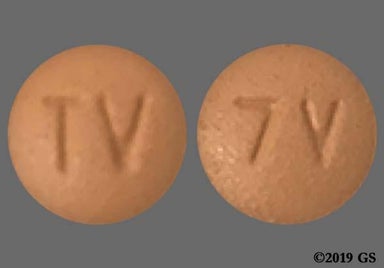
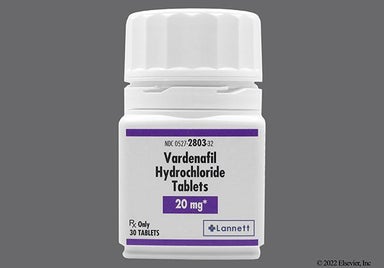
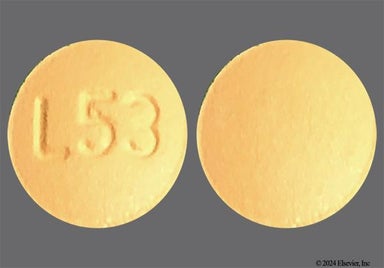
Vardenafil is a first-choice medication for erectile dysfunction (ED). It's no longer sold under the brand name Levitra, but it's available as generic tablets and orally disintegrating tablets (ODTs). Common side effects of vardenafil include headache, flushing, and stuffy nose. Interactions between vardenafil and other medications generally involve those that lower blood pressure.

Vardenafil is a phosphodiesterase-5 enzyme (PDE-5) inhibitor. It works by blocking PDE-5, a protein in your body that normally prevents an erection from happening. When it blocks PDE-5, vardenafil helps an erection occur by allowing certain muscles in the penis to relax and the penis to fill with blood.
| Common Brands | Levitra |
|---|---|
| Drug Class | PDE-5 inhibitor |
| Controlled Substance Classification | Not a controlled medication |
| Generic Status | Lower-cost generic available |
| Availability | Prescription only |

The following side effects may get better over time as your body gets used to the medication. Let your healthcare provider know immediately if you continue to experience these symptoms or if they worsen over time.
Contact your healthcare provider immediately if you experience any of the following.
Side effects that you should report to your care team as soon as possible:
Side effects that usually do not require medical attention (report to your care team if they continue or are bothersome):



Additional tips for the orally disintegrating tablets (ODTs):

Vardenafil can cause some serious health issues. This risk may be even higher for certain groups. If this worries you, talk to your doctor or pharmacist about other options.
Tell your provider if you have any heart conditions before starting vardenafil. If you have certain heart-related conditions, such as very serious heart failure, it's not recommended that you participate in sexual activity and take vardenafil because of risks to your heart health. Vardenafil hasn't been studied in people who have certain conditions, such as recent heart attacks or strokes. It's not known how well the medication works or how safe it is in this group of people.
Additionally, it's shown that vardenafil can make the QT interval (the time it takes for your heart to reset) longer. This can lead to irregular heart rhythm. If you have a heart condition, take any medications for abnormal heart rhythm, or take other medications that might cause QT prolongation, discuss with your provider about whether vardenafil is safe for you.
When you take vardenafil with other medications that can lower blood pressure, your blood pressure can drop to very low levels. Be careful using vardenafil if you're also taking alpha blockers or blood pressure medications. Your provider might ask you to check your blood pressure regularly if you're taking these other medications. Slowly get up from a sitting or lying down position to lower the risk of feeling dizzy and falling. You should never take vardenafil if you're taking nitrate medications for chest pain (angina) or medications like Adempas (riociguat). These combinations can cause your blood pressure to suddenly drop to unsafe levels.
Rarely, some people who took vardenafil reported having an erection that lasted for more than 4 hours (priapism). If not treated in time, this can lead to permanent damage to your penis. You might be at risk for this side effect if you have other conditions affecting your penis, sickle cell anemia, multiple myeloma, or leukemia. Get medical attention right away if you have an erection that lasts longer than 4 hours or if you feel pain during an erection.
If you suddenly notice changes in your vision in one or both eyes, go to the emergency room or call your provider right away. Although rare, some people have experienced eye damage that could be permanent when they took medications like vardenafil. It's not clear whether vardenafil can raise the risk of this eye damage. But it's known that if your provider has told you that you have a "crowded" optic disc, you might be at higher risk for vision changes. Tell your provider about your full medical history before taking vardenafil.
Some people who took vardenafil reported experiencing hearing loss. This could happen along with ringing in the ears (tinnitus) and dizziness. Stop using vardenafil and call your provider right away if you notice changes in your hearing in one or both ears.
Vardenafil can have serious interactions with certain medications. It's important that you tell your provider about all the medications you're taking before you start vardenafil. For example, you shouldn't take vardenafil with nitrate medications because this combination can cause your blood pressure to become dangerously low. If you're taking other blood pressure medications, your provider might not recommend vardenafil until your blood pressure is under control. Taking vardenafil with medications, like oral azole antifungals and ritonavir (Norvir), can put you at higher risk for side effects, such as headaches, flushing, and vision changes.

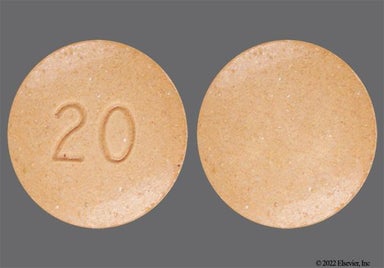
 Tablet
| Dosage | Quantity | Price as low as | Price per unit |
|---|---|---|---|
| 5mg | 30 tablets | $113.20 | $3.77 |
| 10mg | 30 tablets | $78.86 | $2.63 |
| 20mg | 10 tablets | $32.78 | $3.28 |
| 2.5mg | 30 tablets | $272.98 | $9.10 |
The typical starting dose is 10 mg by mouth about 1 hour before sexual activity. Your provider will adjust your dose based on your response. The maximum dose is 20 mg.
Vardenafil shouldn't be taken more than once a day at any dose.
Your dose might differ if you have liver problems, are 65 years of age or older, or take certain medications that can interact with vardenafil.


Contraindications are specific health conditions or situations in which a person should not take a medication due to safety concerns. If you have any of the following conditions or if any of the following apply to you, let your healthcare provider know because Vardenafil will not be safe for you to take.













Prescription savings
Stop paying too much for your prescriptions. Compare prices, get pharmacy coupons, and save up to 80%. Find expert answers to your health questions so you can make the best decisions for yourself and your family.
Health conditions
Medications & treatment
Access & affordability
Medication discounts


Some studies show that Levitra can start to kick in as soon as 15 minutes after taking it. But you might not notice the full effect of the medication until about 1 hour after your dose. Keep in mind that Levitra only helps an erection to occur, but it doesn't cause one. After taking Levitra, you still need to be sexually stimulated to have an erection.
You shouldn't take more than one dose (typically 10 mg) of Levitra per day. Taking too much can lead to dangerous side effects, like low blood pressure and vision problems. If you don't think Levitra is working well for you, speak to your provider. They might be able to adjust your dose or change you to a different medication.
Levitra can typically work to help an erection occur and last longer for anywhere between 5 to 7 hours. In one study, people who took Levitra reported that it worked for up to 8 hours after taking a dose. If your erection lasts for longer than 4 hours, seek medical care right away. An erection that lasts longer than 4 hours can lead to permanent damage to the penis.
Levitra and tadalafil (Cialis) are both first-choice medications for treating ED. However, tadalafil (Cialis) can also be used to treat symptoms from an enlarged prostate. While both medications can be used as needed for sexual activity (up to once a day), it's possible for some people to take tadalafil (Cialis) daily on a regular basis (without regard to timing of sex). This might allow for more spontaneity. For those who are taking tadalafil (Cialis) as needed, it's taken 30 minutes before sexual activity. As a comparison, Levitra is taken 60 minutes before sex. Another difference is that tadalafil (Cialis) is only available as a tablet, whereas Levitra is available as a tablet and an ODT. Learn more about the similarities and differences between Levitra and tadalafil (Cialis). Then, discuss with your provider about which medication best fits your needs.
No, Levitra isn't available over the counter (OTC). This is because it has some risks, like low blood pressure and painful erection, that your provider will want to discuss with you. Other risks might depend on the medical conditions you have and the medications you're currently taking. You'll need a prescription from your healthcare provider in order to use Levitra.
