



6 Chlorthalidone Interactions to Consider
Here are the chlorthalidone interactions to be aware of and what to look out for if you’re taking a medication that interacts with it.
Thalitone (chlorthalidone) is a type of diuretic, or water pill. It's used to treat high blood pressure in adults. It's also used with other medications to help reduce swelling and fluid buildup from conditions like heart failure or kidney problems. Thalitone (chlorthalidone) is taken by mouth once a day. It can cause side effects like urinating more often, dizziness, and headache.

Thalitone (chlorthalidone) is a thiazide-like diuretic, which is a type of water pill. It works in the kidneys to remove extra water and certain electrolytes from your body. It makes you urinate out the extra water and electrolytes. This helps lower your blood pressure and reduce swelling in the body.
| Common Brands | Thalitone |
|---|---|
| Drug Class | Thiazide-like diuretic |
| Controlled Substance Classification | Not a controlled medication |
| Generic Status | No lower-cost generic available |
| Availability | Prescription only |

The following side effects may get better over time as your body gets used to the medication. Let your healthcare provider know immediately if you continue to experience these symptoms or if they worsen over time.
Contact your healthcare provider immediately if you experience any of the following.
Along with its needed effects, a medicine may cause some unwanted effects. Although not all of these side effects may occur, if they do occur they may need medical attention.
Check with your doctor immediately if any of the following side effects occur:
Incidence not known
Abdominal or stomach pain
black, tarry stools
bleeding gums
blistering, peeling, or loosening of the skin
blood in the urine or stools
blurred vision
burning, crawling, itching, numbness, prickling, "pins and needles", or tingling feelings
chills
clay-colored stools
cold sweats
confusion
cough or hoarseness
coughing up blood
darkened urine
difficulty having a bowel movement (stool)
dizziness, faintness, or lightheadedness when getting up suddenly from a lying or sitting position
fast heartbeat
flushed, dry skin
fruit-like breath odor
general feeling of tiredness or weakness
headache
increased hunger
increased thirst
increased urination
indigestion
itching or skin rash
joint pain, stiffness, or swelling
loss of appetite
lower back or side pain
pain in the joints or muscles
painful or difficult urination
pains in the stomach, side, or abdomen, possibly radiating to the back
pinpoint red spots on the skin
red, irritated eyes
red skin lesions, often with a purple center
redness, soreness or itching skin
sores, ulcers, or white spots on the lips or in the mouth
sores, welting, or blisters
sugar in the urine
sweating
swelling of the feet or lower legs
swollen glands
tightness in the chest
troubled breathing
unpleasant breath odor
unusual bleeding or bruising
unusual tiredness or weakness
unusual weight loss
vomiting
vomiting of blood
yellow eyes or skin
Some side effects may occur that usually do not need medical attention. These side effects may go away during treatment as your body adjusts to the medicine. Also, your health care professional may be able to tell you about ways to prevent or reduce some of these side effects. Check with your health care professional if any of the following side effects continue or are bothersome or if you have any questions about them:
Incidence not known
Cramping
decreased interest in sexual intercourse
feeling of constant movement of self or surroundings
inability to have or keep an erection
increased sensitivity of the skin to sunlight
loss in sexual ability, desire, drive, or performance
redness or other discoloration of the skin
restlessness
sensation of spinning
severe sunburn
weakness
Other side effects not listed may also occur in some patients. If you notice any other effects, check with your healthcare professional.
Call your doctor for medical advice about side effects. You may report side effects to the FDA at 1-800-FDA-1088.




Thalitone (chlorthalidone) can cause some serious health issues. This risk may be even higher for certain groups. If this worries you, talk to your doctor or pharmacist about other options.
Diuretics like Thalitone (chlorthalidone) can affect your kidney function. They make your body lose extra fluids, which can sometimes lead to kidney injury. The risk might be higher if you have kidney problems, heart failure, or dehydration.
You might need occasional blood tests done while taking Thalitone (chlorthalidone). This helps your prescriber check that your kidneys are okay during treatment. Tell your care team right away if you urinate less than usual, have swelling in your legs, or feel very weak or confused. These can be signs of kidney problems.
Thalitone (chlorthalidone) works in your kidneys to help your body get rid of extra water and electrolytes. This can change the levels of electrolytes in your body. It can cause low sodium, potassium, magnesium, or chloride levels. It might also cause high calcium levels.
You might need regular blood tests while taking Thalitone (chlorthalidone) to check your electrolyte levels. If your levels are abnormal, your care team can help manage this problem.
Let your care team know if you feel very thirsty, tired, weak, or confused. Also tell them if you have muscle weakness, muscle twitching, nausea, vomiting, or a fast heartbeat. These can be signs of electrolyte problems, and you might need a blood test to check.
Thalitone (chlorthalidone) might raise your blood sugar levels. Be aware of the signs of high blood sugar, which can include dry mouth, feeling very thirsty, needing to urinate more often, and headaches. If you have these symptoms while taking this medication, let your care team know.
If you have diabetes, tell your prescriber. They might want you to check your blood sugar more often while taking Thalitone (chlorthalidone). Let your diabetes care team know if your blood sugar stays higher than usual. They might need to make changes to your treatment plan to control your blood sugar better.
Thalitone (chlorthalidone) might raise your cholesterol levels. It might also raise the levels of a type of fat called triglycerides. You might need blood tests done periodically while taking this medication. This can help make sure your cholesterol levels stay in the normal range.
Thalitone (chlorthalidone) can raise the uric acid levels in your body. This can cause or worsen gout in certain people. Tell your prescriber if you have a history of gout. Let your care team know if your joints swell, get red, or hurt while taking this medication.

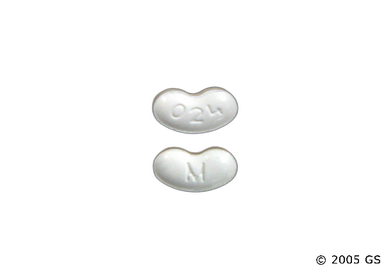
 Tablet
| Dosage | Quantity | Price as low as | Price per unit |
|---|---|---|---|
| 15mg | 30 tablets | $118.67 | $3.96 |

Although certain medicines should not be used together at all, in other cases two different medicines may be used together even if an interaction might occur. In these cases, your doctor may want to change the dose, or other precautions may be necessary. When you are taking this medicine, it is especially important that your healthcare professional know if you are taking any of the medicines listed below. The following interactions have been selected on the basis of their potential significance and are not necessarily all-inclusive.
Using this medicine with any of the following medicines is usually not recommended, but may be required in some cases. If both medicines are prescribed together, your doctor may change the dose or how often you use one or both of the medicines.
Using this medicine with any of the following medicines may cause an increased risk of certain side effects, but using both drugs may be the best treatment for you. If both medicines are prescribed together, your doctor may change the dose or how often you use one or both of the medicines.


Contraindications are specific health conditions or situations in which a person should not take a medication due to safety concerns. If you have any of the following conditions or if any of the following apply to you, let your healthcare provider know because Thalitone (chlorthalidone) will not be safe for you to take.





Prescription savings
Stop paying too much for your prescriptions. Compare prices, get pharmacy coupons, and save up to 80%. Find expert answers to your health questions so you can make the best decisions for yourself and your family.
Health conditions
Medications & treatment
Access & affordability
 Our monthly healthcare membership can help you save thousands on your prescription costs.
Resources

No. Thalitone is only available as a brand-name medication.
No, not easily. Thalitone and generic chlorthalidone both contain the same active ingredient, chlorthalidone. But they're made differently and your body absorbs the two versions differently. If you want to switch between Thalitone and other forms of chlorthalidone, talk to your prescriber first. If it's the right choice for you, they can help you switch safely.
Thalitone usually starts to work within about 2 to 3 hours after you take it. The medication will make you urinate more often, so try to be near a bathroom after that time. As for the effects on blood pressure or fluid buildup, it might take a few weeks to see changes. For example, many people see consistently lower blood pressure after about 2 to 4 weeks of taking the medication regularly. Talk to your care team about when you should notice changes and how well the medication is working for you.
Thalitone and Lasix (furosemide) are both diuretics or water pills. They work in the kidneys to help your body remove extra water and electrolytes. This makes you urinate more. Both can treat high blood pressure and swelling from fluid buildup. Clinical guidelines consider Thalitone as one of the first-choice options for treating high blood pressure. Lasix is more often used to reduce swelling due to fluid buildup. Talk to a healthcare professional to help compare and see which best fits your needs.
Thalitone isn't usually a first-choice option to treat high blood pressure during pregnancy. It might be linked to problems in babies, like jaundice, low platelets, low blood sugar, and electrolyte imbalances. If you're pregnant or plan to become pregnant, talk to your prescriber. They can help you find a safer option.
