



9 Telltale Signs Your Testosterone Levels Are Low
Low testosterone (T) can cause hair loss, but it can also pose more serious health risks if left untreated. Learn how to identify and treat low T symptoms here.
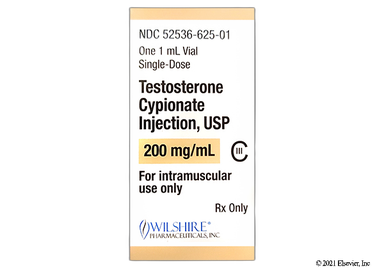
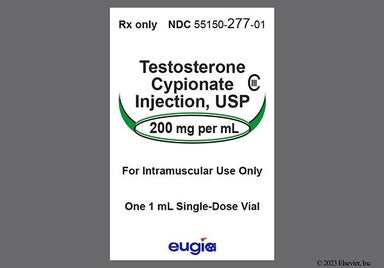
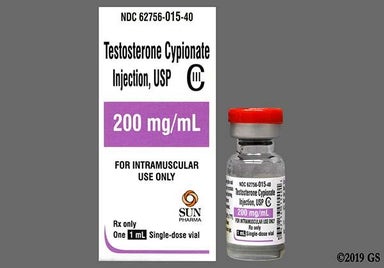
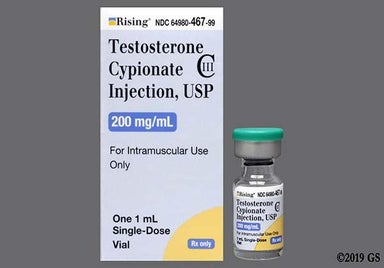
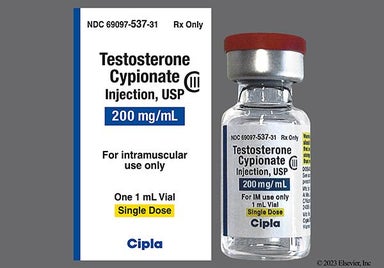
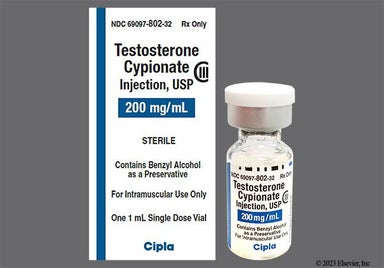
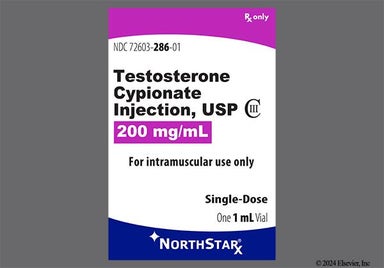
Testosterone cypionate (Depo-Testosterone) is a prescription injectable testosterone used to treat low testosterone in adult males by raising levels back to a healthy range. As a form of testosterone replacement therapy, it can help improve energy, mood, muscle strength, and sex drive. It’s injected into a buttock muscle by you or a healthcare professional, usually once or twice a month. Possible side effects include injection-site reactions, acne, and enlarged breasts.

Testosterone cypionate (Depo-Testosterone) is a testosterone replacement therapy that acts like the natural hormone testosterone. Testosterone helps support many male traits and functions, such as muscle and bone strength, sex drive, and sperm production.
Testosterone cypionate (Depo-Testosterone) works by raising testosterone levels back to a normal and healthy range in males with low testosterone.
| Common Brands | Depo-Testosterone |
|---|---|
| Drug Class | Testosterone replacement |
| Controlled Substance Classification | Schedule III |
| Generic Status | Lower-cost generic available |
| Availability | Prescription only |

Testosterone cypionate (Depo-Testosterone) can cause some serious health issues. This risk may be even higher for certain groups. If this worries you, talk to your doctor or pharmacist about other options.
Testosterone cypionate (Depo-Testosterone) itself can cause life-threatening blood clots in your legs or lungs. If you notice leg pain, swelling, warmth, or redness, tell your prescriber right away, as these could be signs of a blood clot in your leg. If you suddenly have trouble breathing or chest pain, it could mean a clot has moved to your lungs. If this happens, you might have to stop taking the medication.
Testosterone cypionate (Depo-Testosterone) might cause heart attack, stroke, or sudden heart-related death. Get emergency help right away if you have chest pain, cold sweats, left arm pain, trouble breathing, trouble walking, trouble speaking, or weakness on one side of the body. You should check your blood pressure often while you’re using this medication, especially if you already have high blood pressure.
Taking testosterone cypionate (Depo-Testosterone) can worsen certain symptoms if you have an enlarged prostate, also called benign prostatic hyperplasia (BPH). Let your prescriber know if you notice changes in urination, such as going more often at night, feeling like you need to go right away, having trouble starting, leaking, or a weak stream.
Testosterone cypionate (Depo-Testosterone) might also raise your risk of prostate cancer. Your prescriber might order blood tests or check your prostate before and during treatment to help keep you safe.
Testosterone cypionate (Depo-Testosterone) is a controlled substance because it can be misused or cause dependence, especially if you take higher doses than prescribed or combine it with other testosterone products.
Misusing testosterone cypionate (Depo-Testosterone) can lead to addiction. This medication is only approved by the FDA to treat low testosterone in men. Taking testosterone cypionate (Depo-Testosterone) for other reasons can cause serious heart and mental health problems. Always use it exactly as prescribed.
Testosterone cypionate (Depo-Testosterone) can lower sperm count, which might make it harder to have a baby. This is more likely with higher doses, and the effect could be permanent. Tell your prescriber if you plan to have children before starting this medication.
Testosterone cypionate (Depo-Testosterone) can cause liver damage. Serious liver problems that can lead to cancer or death are more likely to happen if you take high doses of testosterone cypionate (Depo-Testosterone) for a long period of time. Let your prescriber know if you are experiencing stomach pain, light-colored stools, dark urine, or if your skin or the whites of your eyes turn yellow, because you might need to stop the medication.
Testosterone cypionate (Depo-Testosterone) can make your body keep extra salt and water, which might lead to edema, or swelling in your arms and legs. This is more likely if you take other medications that cause swelling, like corticosteroids (e.g., prednisone, methylprednisolone). Swelling can be more serious if you have heart, liver, or kidney problems. Tell your prescriber if you notice these symptoms.
Some people using testosterone cypionate (Depo-Testosterone) might develop gynecomastia, which is swelling or enlargement of breast tissue in men. You might also feel soreness or pain in your chest area. Talk to your prescriber if you have questions about this side effect.
Testosterone treatments like testosterone cypionate (Depo-Testosterone) can affect your cholesterol levels. Your prescriber might need to adjust your dose or stop the medication if these changes happen. They will check your cholesterol regularly, especially when you first start using the medication.
Testosterone cypionate (Depo-Testosterone) can raise calcium levels in your blood and urine, especially in people with cancer. High calcium levels can cause symptoms such as muscle weakness, frequent urination, thirst, stomach pain, and blood in the urine. Your prescriber might check your blood regularly during treatment to make sure your calcium levels stay normal.
Testosterone cypionate (Depo-Testosterone) can affect bone growth in children. It can cause the bones to mature too quickly, which can make the growth plates close early. This can lead to a shorter adult height. The younger the child, the higher the risk. If your child is using this medication, their care team should check bone growth every 6 months by taking X-rays of the wrist and hand to make sure the bones are developing safely.

The following side effects may get better over time as your body gets used to the medication. Let your healthcare provider know immediately if you continue to experience these symptoms or if they worsen over time.
Contact your healthcare provider immediately if you experience any of the following.
Discuss these possible effects with your doctor:
Tumors of the liver, liver cancer, or peliosis hepatis (a form of liver disease) have occurred during long-term, high-dose therapy with androgens. Although these effects are rare, they can be very serious and may cause death.
Androgens can stimulate existing prostate cancer in men who already have it but have not yet been diagnosed. Also, the prostate (a male gland) may become enlarged. Enlargement of the prostate does not mean that cancer will develop. If enlargement occurs and you have difficulty in urinating, it is a good idea to be checked by your doctor.
When androgens are used in women, especially in high doses, male-like changes may occur, such as hoarseness or deepening of the voice, unnatural hair growth, or unusual hair loss. Most of these changes will go away if the medicine is stopped as soon as the changes are noticed. However, some changes, such as voice changes or enlarged clitoris, may not go away.
When androgens are used in high doses in males, they interfere with the production of sperm. This effect is usually temporary and only happens during the time you are taking the medicine. However, discuss this possible effect with your doctor if you are planning on having children.
Along with its needed effects, a medicine may cause some unwanted effects. Although not all of these side effects may occur, if they do occur they may need medical attention.
Check with your doctor immediately if any of the following side effects occur:
More common
For females only
Acne or oily skin
decreased breast size
irregular menstrual cycles
hoarseness or deepening of voice
increase in size of female genitals
increase in unnatural hair growth or male pattern baldness
These symptoms may occur in females whose male sexual partner uses a scrotal patch.
For males only
Blistering of skin under patch (especially when the nonscrotal patch is applied to bony areas of the skin)
breast soreness or enlargement
frequent or continuing erection of penis lasting up to 4 hours or painful penile erections lasting longer than 4 hours
frequent urge to urinate
itching or redness of skin under patch (less likely with nonscrotal patch) or at site of implants, mild to severe
For prepubertal boys only
early growth of pubic hair
enlargement of penis
frequent or continuing erections
Less common
For males or females
Dizziness
frequent or continuing headache
lack or loss of strength
overall body flushing, redness, or itching of skin
rapidly changing moods, such as depersonalization, dysphoria, euphoria, depression, paranoia, and quick to react or overreact emotionally
swelling of feet or lower legs
unusual bleeding
unusual tiredness
yellow skin or eyes (occurring with fluoxymesterone or methyltestosterone more often than with testosterone)
For females with breast cancer or bedridden males or females—in addition to the side effects listed above
Confusion or mental depression
increased thirst
increased urge to urinate or increased amount of urine
For males only
Black, tarry stools
burning sensation or hardening or thickening of skin under patch
chills
continuing pain at site of implants
difficulty in urinating
itching, skin redness, or rash under patch, severe (less likely with nonscrotal patch)
pain in scrotum or groin
vomiting of blood or material that looks like coffee grounds
Rare
For males or females—more likely with oral androgens or long-term or high doses of androgens
Abdominal or stomach pain, continuing
bad breath odor, continuing
black, tarry or light-colored stools or dark urine
loss of appetite, continuing
mood or mental changes
purple or red spots on body or inside the mouth or nose
swelling, pain, or tenderness of abdomen
vomiting of blood
Some side effects may occur that usually do not need medical attention. These side effects may go away during treatment as your body adjusts to the medicine. Also, your health care professional may be able to tell you about ways to prevent or reduce some of these side effects. Check with your health care professional if any of the following side effects continue or are bothersome or if you have any questions about them:
Less common
For males and females
Acne, mild
decrease or increase in sexual desire or drive
hair loss or thinning of hair
increase in pubic hair growth
infection, pain, redness, or other irritation at site of injection
nervousness
stomach pain
trouble in sleeping
For males only
Decrease in testicle size
infection, pain, redness, swelling, sores, or other skin irritation underneath patch
Other side effects not listed may also occur in some patients. If you notice any other effects, check with your healthcare professional.
Call your doctor for medical advice about side effects. You may report side effects to the FDA at 1-800-FDA-1088.





GoodRx has partnered with to provide reviews on the different aspects of Testosterone cypionate (Depo-Testosterone).
Learn more about the effectiveness of Testosterone cypionate (Depo-Testosterone) based on real life experiences.
Based on 55 people taking this medication
4.1
4.1
4.8
4.0
2.8
5.0
Severity of side effects
Based on 93 people taking this medication
0%
50%
100%
Elevated hematocrit
5%
Irritability
4%
Acne
3%
Hair loss
3%
Hair growth
3%
Reasons people stopped taking Testosterone cypionate (Depo-Testosterone)
Based on 47 people who have taken this medication
Doctor's advice
24%
Side effects too severe
18%
Did not seem to work
15%
Course of treatment ended
13%
Other
13%
Personal research
9%
Change in health plan coverage
7%
Expense
5%
How long people take Testosterone cypionate (Depo-Testosterone)
Based on 202 people who have taken this medication
0%
50%
100%

Although certain medicines should not be used together at all, in other cases two different medicines may be used together even if an interaction might occur. In these cases, your doctor may want to change the dose, or other precautions may be necessary. When you are taking any of these medicines, it is especially important that your healthcare professional know if you are taking any of the medicines listed below. The following interactions have been selected on the basis of their potential significance and are not necessarily all-inclusive.
Using medicines in this class with any of the following medicines is not recommended. Your doctor may decide not to treat you with a medication in this class or change some of the other medicines you take.
Using medicines in this class with any of the following medicines is usually not recommended, but may be required in some cases. If both medicines are prescribed together, your doctor may change the dose or how often you use one or both of the medicines.


Contraindications are specific health conditions or situations in which a person should not take a medication due to safety concerns. If you have any of the following conditions or if any of the following apply to you, let your healthcare provider know because Testosterone cypionate (Depo-Testosterone) will not be safe for you to take.










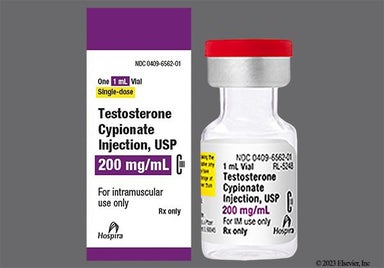
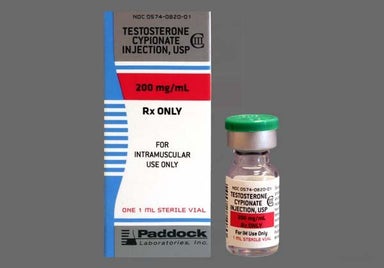
Prescription savings
Stop paying too much for your prescriptions. Compare prices, get pharmacy coupons, and save up to 80%. Find expert answers to your health questions so you can make the best decisions for yourself and your family.
Health conditions
Medications & treatment
Access & affordability
 Our monthly healthcare membership can help you save thousands on your prescription costs.
Resources

