sodium chloride
Sodium chloride inhalation solution (saline) used to moisten your airways, and to loosen mucus in your chest so you can cough it up. It's available in different strengths, ranging from sodium chloride 0.9% to sodium chloride 10%. This medication is typically inhaled through a nebulizer machine and used by people with certain breathing problems, such as cystic fibrosis. The dosing for sodium chloride can differ from person to person, depending on how severe their condition is. Some possible side effects of using sodium chloride include runny nose, cough, and restlessness.


What is Sodium chloride?
What is Sodium chloride used for?
- To help thin mucus to make it easier to cough it up - sodium chloride 3% and above
- To moisten airways and help in breathing - sodium chloride 0.9%
How Sodium chloride works
Sodium chloride is a mucolytic (mucus thinner). When you inhale sodium chloride with your mouth, the salt in the product draws more water into your lungs. This will thin the mucus so you can cough it up more easily.
Drug facts

Side effects of Sodium chloride
The following side effects may get better over time as your body gets used to the medication. Let your healthcare provider know immediately if you continue to experience these symptoms or if they worsen over time.
Common Side Effects
- Runny nose
- Cough
- Feeling restless
The following Sodium chloride side effects have also been reported
Along with its needed effects, a medicine may cause some unwanted effects. Although not all of these side effects may occur, if they do occur they may need medical attention.
Check with your doctor immediately if any of the following side effects occur:
Rare
burning pain in lower abdomen
chest pain, severe
chills
confusion
dizziness
feeling of heat
feeling of warmth in the lips and tongue
headache (severe or dull)
loss of consciousness
nervousness
numbness of the fingertips
pain in lower back, pelvis, or stomach
ringing in the ears
seizures
sweating
thirst (sudden) or salty taste
vision problems
weakness
Incidence not known
Bad smelling discharge from the vagina
bleeding or redness at the injection site
decrease in the amount of urine
decreased urine output
dilated neck veins
extreme tiredness or weakness
full or bloated feeling
increase in bleeding from the uterus
irregular breathing or heartbeat
pain in the lower abdomen
passing of pieces of tissue from the uterus
pressure in the stomach
stomach cramping
swelling of the abdominal or stomach area
swelling of the face, fingers, feet, or lower legs
tightness in the chest
troubled breathing
Get emergency help immediately if any of the following symptoms of overdose occur:
Some side effects may occur that usually do not need medical attention. These side effects may go away during treatment as your body adjusts to the medicine. Also, your health care professional may be able to tell you about ways to prevent or reduce some of these side effects. Check with your health care professional if any of the following side effects continue or are bothersome or if you have any questions about them:
Other side effects not listed may also occur in some patients. If you notice any other effects, check with your healthcare professional.
Call your doctor for medical advice about side effects. You may report side effects to the FDA at 1-800-FDA-1088.

Get your GoodRx coupon

Pros and cons of Sodium chloride
Pros
- Available as a lower-cost generic
- Not a lot of side effects
- Available in several strengths
Cons
- Requires administration with a nebulizer
- Generally not available over the counter
- Might be difficult for some people to use correctly

Pharmacist tips for Sodium chloride

- Make sure you know how to use your nebulizer to avoid wasting the medication. Talk with your provider and pharmacist to learn how to use a nebulizer properly.
- Don't mix sodium chloride inhalation solution with other nebulized medications without talking to your provider or pharmacist first.
- Before using a vial of sodium chloride, check the solution to make sure it's colorless. If it's discolored or has any particles, throw the vial away and use a new one to be sure it's safe for you to use.
- Store sodium chloride inhalation solution at room temperature in the original vials until you're ready to use it.
- Clean your nebulizer after each time you use it. This helps prevent lung infections that can happen if you use a nebulizer machine that isn't cleaned well.
- Sodium chloride plastic vials are single-use only. You must throw away any leftover medication after each use, even if there's still some remaining in the vial or nebulizer cup. This is important to prevent contamination and possible infection, especially since the vial doesn't contain any preservatives to keep germs and bacteria out of the medication once it's opened.

Common questions about Sodium chloride
Sodium chloride inhalation solution is breathed in using a nebulizer machine so that it can reach the mucus in your airways. This helps you cough up the mucus more easily.
Normal saline refers to sodium chloride 0.9%, which is typically used to moisten airways and to ease breathing. But there are other strengths of sodium chloride as well, such as 3%, 6%, and 10%. These medications are used to loosen up mucus in the airways in people with certain medical conditions, such as cystic fibrosis. Speak with your provider to determine the best strength for you.
Don't mix nebulized medications together without asking your provider first if it's safe to do so. You might be able to mix albuterol and sodium chloride in the nebulizer, but it depends on the strength of the medications. A study show that sodium chloride 7% can be mixed with nebulized albuterol, but it's unclear whether other strengths of sodium chloride can be mixed.
The following steps should be taken for each dose of sodium chloride: Step 1: Wash your hands with soap and water. Step 2: Set up the nebulizer by putting it on a flat surface and hooking up the components together. Step 3: Inspect the medication to make sure it's not damaged or expired. Remove the sodium chloride vial from the pouch and twist the cap of the vial off. Step 4: Empty the contents of the vial in the nebulizer cup. Make sure the nebulizer cup is upright so the medication doesn't spill. Step 5: Sit upright and turn on the nebulizer. Step 6: If you have a mouthpiece, place it in your mouth between your teeth and close your lips. If you have a face mask, put it over your face. Step 7: Take slow deep breaths until there is no more mist coming out. This can take about 10 to 20 minutes, depending on how much liquid is in the nebulizer cup. Step 8: Clean your nebulizer each time after you use it. Ask your provider or pharmacist if you're not sure how to correctly administer sodium chloride.
Yes, all sodium chloride products have an expiration date. Don't use sodium chloride if the expiration date has passed. Ask your provider or pharmacist for a refill.
Sodium chloride is used for many different purposes. While it's available over the counter as a nasal spray or eye ointment and drops, it's also available as a injection into the veins for people in the hospital or clinic who need hydration. Sodium chloride inhalation solution is only for breathing it in. Don't use or apply sodium chloride anywhere else on your body.

How to save using GoodRx



Risks and warnings for Sodium chloride
Sodium chloride can cause some serious health issues. This risk may be even higher for certain groups. If this worries you, talk to your doctor or pharmacist about other options.
For inhalation only
While sodium chloride is available in many forms, sodium chloride inhalation solution should only be inhaled using a nebulizer machine. Don't give this medication any other way. Ask your pharmacist or provider for instructions on how to use sodium chloride correctly with the nebulizer machine.

Sodium chloride dosage
 Vial
Vial| Dosage | Quantity | Price as low as | Price per unit |
|---|---|---|---|
| 3ml of 0.9% | 60 vials | $11.73 | $0.20 |
| 2ml of 0.9% | 1 vial | $3.70 | $3.70 |
| 5ml of 0.9% | 100 vials | $21.95 | $0.22 |
| 10ml of 0.9% | 25 vials | $19.02 | $0.76 |
| 20ml of 0.9% | 25 vials | $26.84 | $1.07 |
| 50ml of 0.9% | 3 vials | $9.44 | $3.15 |
| 30ml of 0.9% | 25 vials | $28.80 | $1.15 |
| 4ml of 7% | 60 vials | $21.21 | $0.35 |
| 4ml of 3% | 60 vials | $17.78 | $0.30 |
| 15ml of 0.9% | 50 vials | $27.93 | $0.56 |
| 20ml of 14.6% | 1 vial | $3.63 | $3.63 |
| 40ml of 14.6% | 1 vial | $4.76 | $4.76 |
| 30ml of 23.4% | 1 vial | $4.33 | $4.33 |
Typical dosage for Sodium chloride
Your provider will determine the dose and how often you need sodium chloride based on the breathing condition you have and how severe your symptoms are.

Interactions between Sodium chloride and other drugs
Although certain medicines should not be used together at all, in other cases two different medicines may be used together even if an interaction might occur. In these cases, your doctor may want to change the dose, or other precautions may be necessary. Tell your healthcare professional if you are taking any other prescription or nonprescription (over-the-counter [OTC]) medicine.

How much does Sodium chloride cost?
$3.63

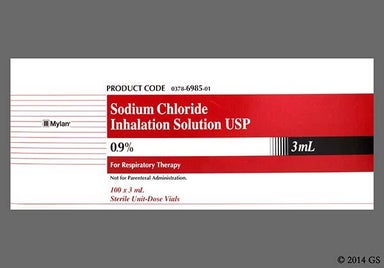
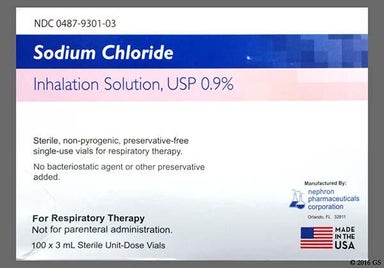
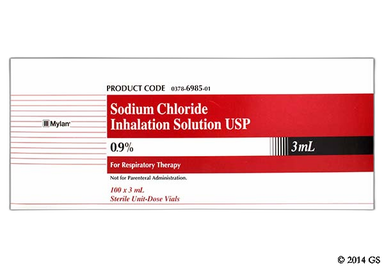
Sodium chloride images