



Unapproved Drugs: 7 Medications That Initially Missed FDA Review
Did you know some drugs that aren’t approved by the FDA are still on the market? These unapproved FDA drugs were grandfathered onto the market ages ago. Here’s how.
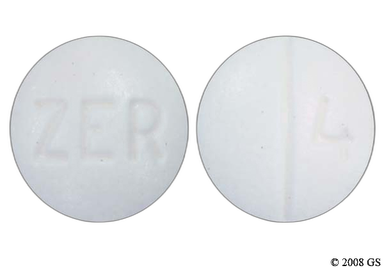
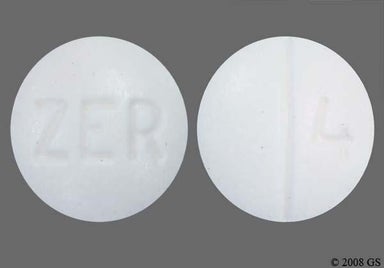
Carbinoxamine maleate, also known by its brand name Ryvent, is a prescription antihistamine used to treat many symptoms of allergies and allergic reactions, such as rash, hives, itching, and sneezing. It's FDA approved for adults and children ages 2 years and older. It comes as a tablet and liquid that are taken by mouth up to 4 times per day on an empty stomach. Side effects include sleepiness, dizziness, and stomach pain.

Carbinoxamine is an antihistamine. It blocks a natural chemical in your body called histamine, which is responsible for many allergy symptoms. By blocking histamine in your stomach, blood vessels, and lungs, it helps relieve symptoms like itching, sneezing, and rash.
| Common Brands | Ryvent |
|---|---|
| Drug Class | Antihistamine |
| Controlled Substance Classification | Not a controlled medication |
| Generic Status | Lower-cost generic available |
| Availability | Prescription only |

The following side effects may get better over time as your body gets used to the medication. Let your healthcare provider know immediately if you continue to experience these symptoms or if they worsen over time.
Contact your healthcare provider immediately if you experience any of the following.
Along with its needed effects, a medicine may cause some unwanted effects. Although not all of these side effects may occur, if they do occur they may need medical attention.
Check with your doctor immediately if any of the following side effects occur:
Incidence not known
Blurred vision
chills
confusion
decrease in the frequency of urination
decrease in urine volume
difficult or painful urination
difficulty in passing urine (dribbling)
difficulty with swallowing
dizziness, faintness, or lightheadedness when getting up suddenly from a lying or sitting position
fast, irregular, pounding, or racing heartbeat or pulse
hives or welts, itching, skin rash
puffiness or swelling of the eyelids or around the eyes, face, lips, or tongue
redness of the skin
sweating
tightness in the chest
unusual tiredness or weakness
Get emergency help immediately if any of the following symptoms of overdose occur:
Symptoms of overdose
Agitation
difficulty with sleeping
disorientation
dizziness
drowsiness to profound coma
feeling of warmth
fixed and enlarged pupils
headache
lethargy
lightheadedness
loss of appetite
redness of the face, neck, arms, and occasionally, upper chest
seeing, hearing, or feeling things that are not there
seizures
tightness of the chest
trouble breathing
vomiting
Some side effects may occur that usually do not need medical attention. These side effects may go away during treatment as your body adjusts to the medicine. Also, your health care professional may be able to tell you about ways to prevent or reduce some of these side effects. Check with your health care professional if any of the following side effects continue or are bothersome or if you have any questions about them:
Incidence not known
Back, leg, or stomach pains
black, tarry stools
bleeding gums
blood in the urine or stools
blurred vision
burning, crawling, itching, numbness, prickling, "pins and needles", or tingling feelings
chills
confusion
continuing ringing or buzzing or other unexplained noise in the ears
cough or hoarseness
dark urine
difficulty breathing
difficulty having a bowel movement (stool)
dizziness or lightheadedness
double vision
dry mouth, nose, and throat
feeling excited
feeling of constant movement of self or surroundings
fever with or without chills
general body swelling
general feeling of tiredness or weakness
headache
hearing loss
increased sensitivity of the skin to sunlight
loss of appetite
lower back or side pain
nosebleeds
pale skin
pinpoint red spots on the skin
redness or other discoloration of the skin
restlessness
seeing double
seizures
sensation of spinning
severe sunburn
shakiness in the legs, arms, hands, or feet
sores, ulcers, or white spots on the lips or in the mouth
trembling or shaking of the hands or feet
trouble sleeping
unusual bleeding or bruising
yellowing of the eyes or skin
Other side effects not listed may also occur in some patients. If you notice any other effects, check with your healthcare professional.
Call your doctor for medical advice about side effects. You may report side effects to the FDA at 1-800-FDA-1088.




Carbinoxamine can cause some serious health issues. This risk may be even higher for certain groups. If this worries you, talk to your doctor or pharmacist about other options.
Children under 2 years old should never take carbinoxamine since deaths have been reported in this age group. So keeping this medication away from young children is very important for their safety. It's also important to avoid breastfeeding since the medication likely passes into breastmilk which can cause serious harm to young children. If your child under 2 accidentally takes the medication, call a Poison Control Center right away at 1-800-222-1222. For children under age 2, discuss safer treatment options with your child's pediatrician.
Carbinoxamine can make you sleepy, which can affect your ability to focus, think, or react. This side effect is more likely to happen or be more intense if you're an older adult, drink alcohol while taking carbinoxamine, or take other medications that cause sleepiness (e.g., opioids, benzodiazepines). Don't drive or operate machinery until you know how this medication affects you. It's best to avoid alcohol while taking carbinoxamine. Talk to your prescriber about possible interactions with other medications and how to manage them.
Make sure your care team knows about all of your medical conditions before starting carbinoxamine. Though this medication is an antihistamine, it also has anticholinergic effects, which can worsen the symptoms of many conditions. These conditions include glaucoma, hyperthyroidism, heart disease, high blood pressure, stomach ulcers, trouble urinating, and an enlarged prostate.

 Ml of oral solution
| Dosage | Quantity | Price as low as | Price per unit |
|---|---|---|---|
| 4mg/5ml | 150 ml | $54.74 | $0.36 |

Although certain medicines should not be used together at all, in other cases two different medicines may be used together even if an interaction might occur. In these cases, your doctor may want to change the dose, or other precautions may be necessary. When you are taking this medicine, it is especially important that your healthcare professional know if you are taking any of the medicines listed below. The following interactions have been selected on the basis of their potential significance and are not necessarily all-inclusive.
Using this medicine with any of the following medicines is not recommended. Your doctor may decide not to treat you with this medication or change some of the other medicines you take.
Using this medicine with any of the following medicines is usually not recommended, but may be required in some cases. If both medicines are prescribed together, your doctor may change the dose or how often you use one or both of the medicines.


Contraindications are specific health conditions or situations in which a person should not take a medication due to safety concerns. If you have any of the following conditions or if any of the following apply to you, let your healthcare provider know because Carbinoxamine will not be safe for you to take.


Prescription savings
Stop paying too much for your prescriptions. Compare prices, get pharmacy coupons, and save up to 80%. Find expert answers to your health questions so you can make the best decisions for yourself and your family.
Health conditions
Medications & treatment
Access & affordability
Medication discounts

There are no known interactions between Carbinoxamine Maleate and the antibiotic cephalexin (Keflex). Speak to your pharmacist if you have more questions about medication interactions.
There’s no set time for stopping Carbinoxamine Maleate. Your prescriber will likely have you continue using it as long as it’s managing your symptoms well and you’re not experiencing serious side effects. Talk to your prescriber if you’re unsure how long you can take this medication.
Yes, Carbinoxamine Maleate can make you sleepy. It's recommended to avoid drinking alcohol because it can worsen sleepiness and dizziness. Don't drive or do anything that requires concentration until you know how this medication affects you. Contact your primary care provider to discuss non-drowsy treatment options for your allergy symptoms if Carbinoxamine Maleate is making you too sleepy and affecting your daily activities.
No, Carbinoxamine Maleate isn't considered a decongestant; it's an antihistamine. Though they both treat certain allergy symptoms, they work differently. Speak to your prescriber to learn the differences between these medications.
Typically not. Antihistamines like Carbinoxamine Maleate don't help with cough. If you have a cough, ask a member of your care team which cough medication is right for you.
No, it's not recommended to take cetirizine (Zyrtec) and Carbinoxamine Maleate together. They're both antihistamines and taking them together raises your risk of side effects, such as sleepiness, dry mouth, and dizziness. Talk to your pharmacist or prescriber if you have questions about which antihistamine is right for you.
It's not completely clear if Carbinoxamine Maleate is safe to take during pregnancy. If you're pregnant, discuss with your prescriber or OB-GYN provider about the risks and benefits of taking this medication during that time. It should only be used if clearly needed.
Carbinoxamine Maleate and Karbinal ER have the same active ingredient but are released differently in the body. Carbinoxamine Maleate tablets and liquid are immediate-release forms, meaning the medication is released quickly after you take it. On the other hand, Karbinal ER is an extended-release form, which slowly releases medication over 12 hours. Because of this, Carbinoxamine Maleate tablet and liquid are usually taken 3 to 4 times a day, while Karbinal ER is usually taken 2 times a day. Speak to your prescriber about the differences between these medications.
