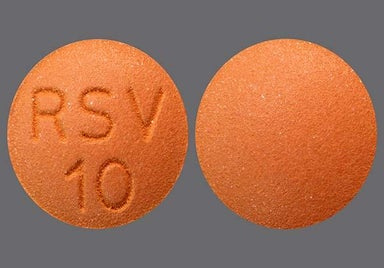
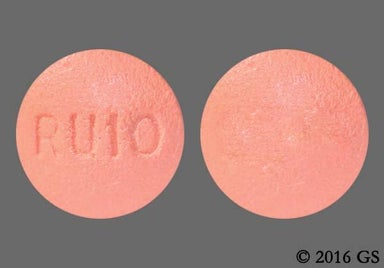
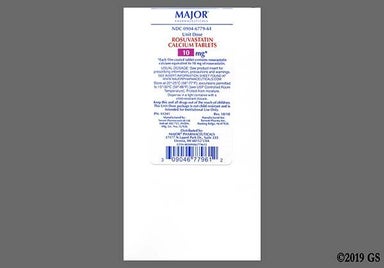
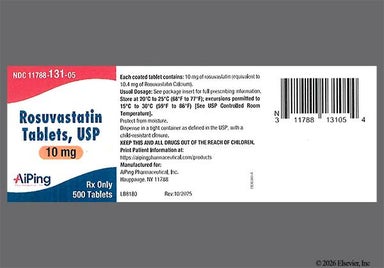
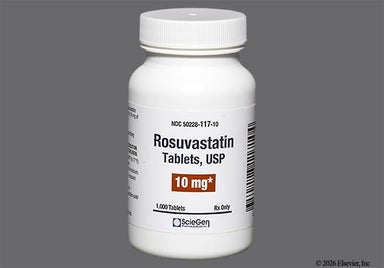
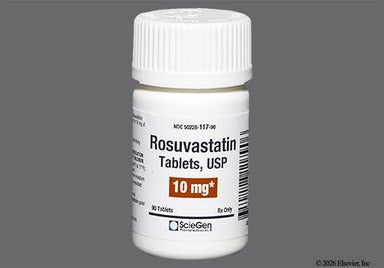
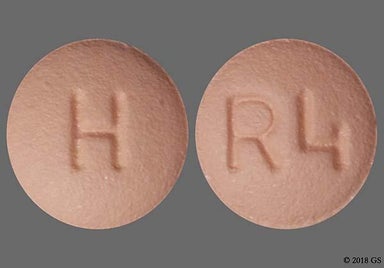
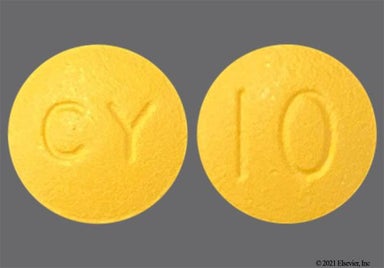
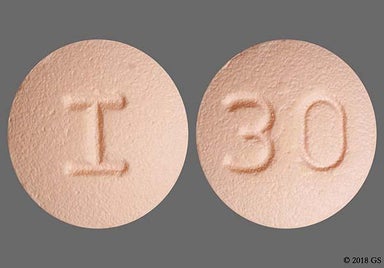
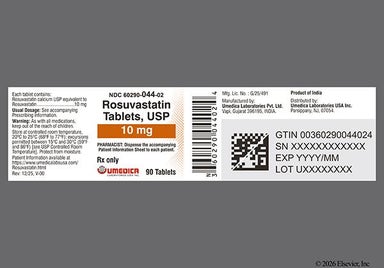
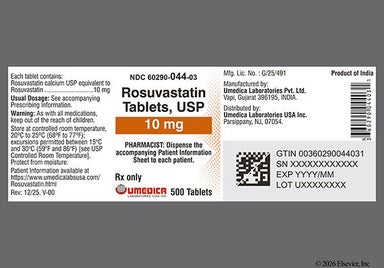
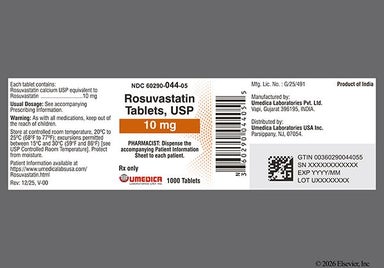
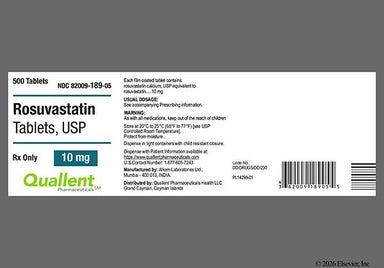
Used for Coronary Artery Disease, High Cholesterol, High Triglycerides
Used for Coronary Artery Disease, High Cholesterol, High Triglycerides
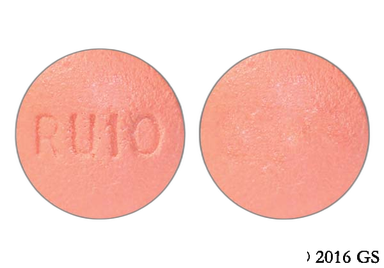
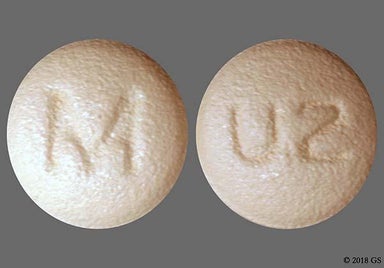
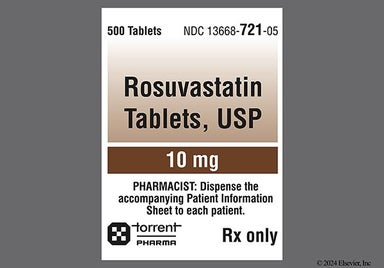
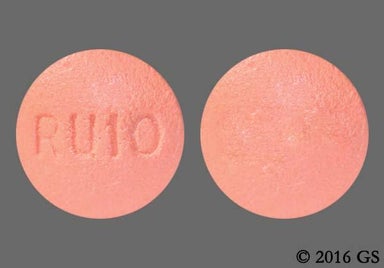
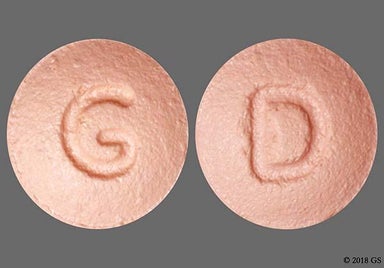
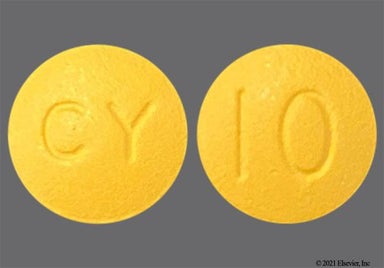
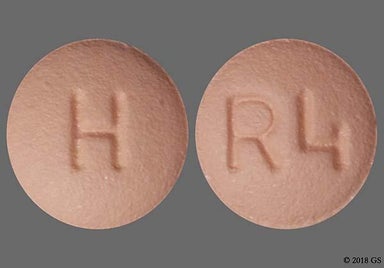
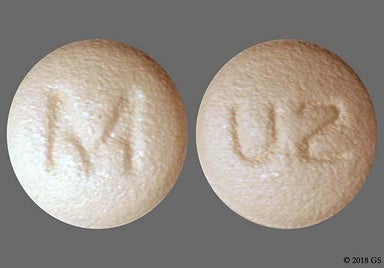
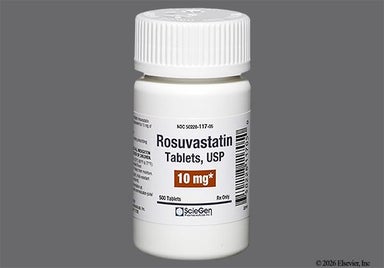
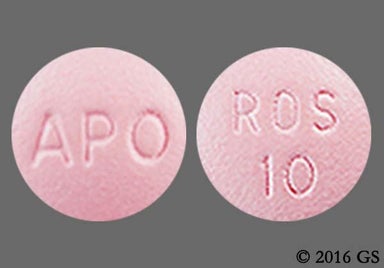
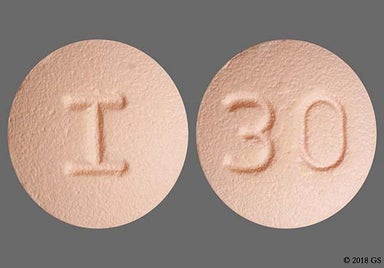
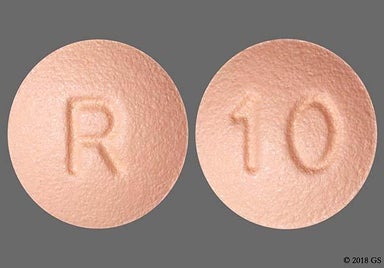
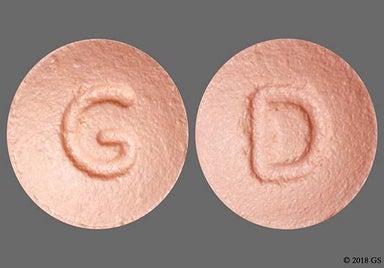
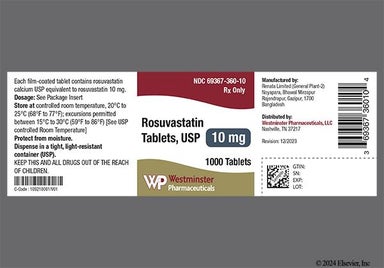
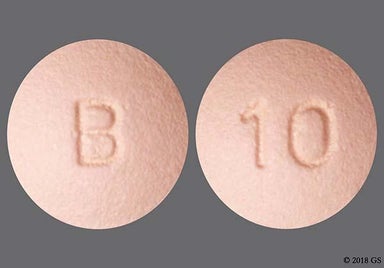
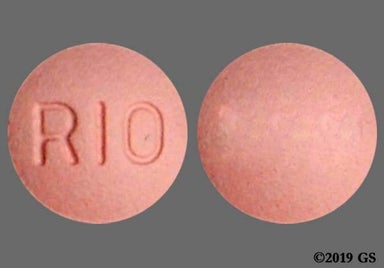
Rosuvastatin (Crestor) is a statin. It's used to treat high cholesterol levels in adults and children. It can also help lower the riskheart attack or stroke in people who are at risk for heart-related problems. Rosuvastatin (Crestor) comes as both generic and brand name tablets that are taken by mouth, typically once daily. Brand name Ezallor Sprinkle (rosuvastatin) is an option for people who've trouble swallowing pills. Common side effects of rosuvastatin (Crestor) include muscle pain, joint pain, and headache.
Rosuvastatin (Crestor) is a statin. The main way it works is by blocking the enzyme (protein) in your liver that makes cholesterol. As a result, rosuvastatin (Crestor) lowers your "bad" cholesterol (called low-density lipoprotein, or LDL). Rosuvastatin (Crestor) can also raise your "good" cholesterol (called high-density lipoprotein, or HDL) and lower your triglyceride levels.
The following side effects may get better over time as your body gets used to the medication. Let your healthcare provider know immediately if you continue to experience these symptoms or if they worsen over time.
Common Side Effects
Muscle pain (8-13%)
Joint pain (4-10%)
Headache (6-9%)
Nausea (2-6%)
Constipation (up to 5%)
Less Common Side Effects
Stomach pain
Dizziness
Rash, itchy skin, hives
Higher blood sugar
Rosuvastatin (Crestor) serious side effects
Contact your healthcare provider immediately if you experience any of the following.
Severe muscle damage (rhabdomyolysis): Dark brown urine, severe muscle weakness or pain, fever, tiredness
Worsening liver problems or liver failure: swelling of your stomach, yellowing of your skin or the whites of your eyes, confusion, dark or brown urine
When do Rosuvastatin (Crestor) possible side effects begin and end?
Time passed since treatment started:
HHOURS
DDAYS
WWEEKS
MMONTHS
Muscle or joint pain
Headache
Nausea
Severe muscle damage
Seek immediate medical care if you experience this side effect.
If a line continues to the right, you'll likely keep experiencing this side effect once it starts.
The following Rosuvastatin (Crestor) side effects have also been reported
Along with its needed effects, a medicine may cause some unwanted effects. Although not all of these side effects may occur, if they do occur they may need medical attention.
Check with your doctor immediately if any of the following side effects occur:
Some side effects may occur that usually do not need medical attention. These side effects may go away during treatment as your body adjusts to the medicine. Also, your health care professional may be able to tell you about ways to prevent or reduce some of these side effects. Check with your health care professional if any of the following side effects continue or are bothersome or if you have any questions about them:
Sprinkle capsule (Ezallor Sprinkle) can be opened and contents sprinkled over soft food
Available as a lower cost, generic form
Cons
Not safe to take for people who are pregnant or breastfeeding
Might lead to liver problems
Can cause rhabdomyolysis, a life-threatening muscle problem
Might raise blood sugar levels, especially in people who have pre-diabetes
Pharmacist tips for Rosuvastatin (Crestor)
Mark your calendar with your appointments to get any blood work done when you take rosuvastatin (Crestor). Your prescriber will order blood work to check your cholesterol levels and liver labs during treatment. Your prescriber might change your dose based on your lab results.
It's fine to take rosuvastatin (Crestor) at any time, but it's best to take it at the same time every day.
You can take rosuvastatin (Crestor) with or without food. If it's hurting your stomach, try taking it with food to help.
Swallow the tablets whole. If you're having trouble swallowing pills whole, talk with your prescriber about switching you to Ezallor Sprinkle (rosuvastatin). This is a capsule that you can open up and sprinkle its contents over soft food, like applesauce or pudding.
If you're taking Ezallor Sprinkle (rosuvastatin), either swallow the capsule whole or open the capsule and sprinkle its contents over a teaspoonful of soft food, like applesauce or pudding. Don't chew this mixture; you must swallow it whole. You need to eat this mixture within an hour of mixing, don't store it away for later.
Muscle pain is a well-known potential side effect of statins like rosuvastatin (Crestor). You can experience it at any time during treatment, even if you've been taking rosuvastatin (Crestor) for years without any problem. Let your prescriber know right away if you experience muscle pain.
Be sure to get medical help right away if you notice dark-colored urine or fever in addition to muscle pain - these might be signs of a very serious condition called rhabdomyolysis (muscle breakdown), a rare side effect of rosuvastatin (Crestor).
Limit or avoid alcohol while taking rosuvastatin (Crestor). This is because alcohol can raise your risk of serious liver problems with rosuvastatin (Crestor). It can also worsen your cholesterol levels. If completely avoiding alcohol isn't possible for you, ask your prescriber what's a safe amount for you to drink.
If you take antacids containing aluminum and magnesium, make sure to take the antacid at least 2 hours after taking rosuvastatin (Crestor). This is to make sure all of the rosuvastatin (Crestor) gets absorbed into your body.
It's important that you eat a healthy and balanced diet low in fat and a maintain a regular exercise routine while taking rosuvastatin (Crestor). Doing so will help you get the most benefit out of the medication. Talk with your prescriber about how to plan your meals and what kind of exercise is appropriate for you.
Let a member of your care team know if you're pregnant. Rosuvastatin (Crestor) generally isn't recommended because it can cause birth defects. However, depending on your risk for problems of high cholesterol (e.g., heart attack, stroke), your provider might recommend continuing rosuvastatin (Crestor).
Don't use rosuvastatin (Crestor) while breastfeeding until you've talked to a healthcare provider about the risks and benefits. It's not completely clear how safe the medication is while breastfeeding.
Rosuvastatin (Crestor) can cause some serious health issues. This risk may be even higher for certain groups. If this worries you, talk to your doctor or pharmacist about other options.
Severe muscle pain and damage
Risk factors: Ages 65 years and older | Asian descent | Hypothyroidism that's not well-controlled | Taking a higher dose of rosuvastatin (Crestor) | Kidney problems | Taking other medications that can also cause muscle problems or interact with rosuvastatin (Crestor)
Rosuvastatin (Crestor) can cause a rare, but serious and life-threatening muscle problem called rhabdomyolysis. If severe, this muscle problem can lead to kidney injury. Your risk for rhabdomyolysis is higher if you take other medications that can either raise the levels of rosuvastatin (Crestor) in your body or also cause muscle damage. Stop rosuvastatin (Crestor) and get medical attention right away if you notice any symptoms of rhabdomyolysis, such as severe muscle pain, tenderness, or weakness; dark-colored urine; and tiredness.
In some rare cases, statins like rosuvastatin (Crestor) can cause immune-mediated necrotizing myopathy (IMNM), an autoimmune condition that causes muscle inflammation and muscle weakness. This muscle problem might continue even if you stop taking the statin. If you develop IMNM, you'll need to stop the statin and you might need to take additional medications to dampen down your immune system.
Liver problems
Risk factors: History of liver problems | Drinking large amounts of alcohol
Some people who took rosuvastatin (Crestor) had changes to the liver enzyme levels in their blood, which can sometimes suggest liver problems. Most of the time, the changes in liver enzyme levels are temporary and don't cause any physical symptoms. In some rare cases, serious liver problems leading to liver failure have happened.
Your healthcare team might ask you to do blood tests to check your liver health before and during treatment to make sure your liver is working properly. Get medical attention right away if you notice yellowing of your skin or the whites of your eyes; swelling of your stomach; stomach pain; nausea; vomiting; stool changes (black, tarry, or bloody stools); or dark or brown urine. You might need to stop taking rosuvastatin (Crestor) to prevent further liver damage.
Rosuvastatin (Crestor) isn't recommended for use during pregnancy or breastfeeding for most people. This medication can possibly cause harm to unborn and breastfed babies. Talk to your healthcare team about the safest options for you if you're pregnant, thinking of becoming pregnant, or breastfeeding.
Rosuvastatin (Crestor) dosage
The average cost for 30 tablets of 10mg of Rosuvastatin (Crestor) is $10.15 with a free GoodRx coupon. This is 58.57% off the average retail price of $24.50.
Adults: The typical dose ranges from 5 mg to 40 mg by mouth once per day.
Children: Your child's pediatrician will determine the dose based on your child's age and condition. The typical dose ranges from 5 mg to 20 mg by mouth once per day.
Your dose might differ if you're of Asian descent or if you have kidney problems.
GoodRx has partnered with to provide reviews on the different aspects of Rosuvastatin (Crestor).
Effectiveness
Learn more about the effectiveness of Rosuvastatin (Crestor) based on real life experiences.
Overall Rating
Based on 130 people taking this medication
3.2
Effectiveness by condition:
high cholesterol (hypercholesterolemia)85 reviews
3.8
hyperlipidemia28 reviews
3.1
coronary artery disease7 reviews
2.5
chronic kidney disease5 reviews
3.3
high triglycerides (hypertriglyceridemia)5 reviews
3.3
Side effects
Learn more about the side effects others have reported while taking Rosuvastatin (Crestor).
Severity of side effects
Based on 244 people taking this medication
None
80%
Mild
7%
Moderate
7%
Severe
7%
0%
50%
100%
Top side effects
Based on 244 people taking this medication
Muscle and joint pain
4%
Muscle pain
3%
Muscle cramps
2%
Joint pain
2%
Pain in leg(s)
1%
Usage
Review why people stop taking this medication and how long they take it.
Reasons people stopped taking Rosuvastatin (Crestor)
Based on 131 people who have taken this medication
Side effects too severe
30%
Doctor's advice
18%
Other
16%
Expense
15%
Change in health plan coverage
8%
Did not seem to work
7%
Personal research
6%
Course of treatment ended
4%
How long people take Rosuvastatin (Crestor)
Based on 620 people who have taken this medication
<6 months
1%
6 to 11 months
2%
1 to <2 years
2%
2 to <5 years
7%
5 to <10 years
21%
10+ years
70%
0%
50%
100%
Powered by:
Interactions between Rosuvastatin (Crestor) and other drugs
Rosuvastatin (Crestor) may interact with certain medications or supplements. Always let your doctor and pharmacist know about any other medications or supplements (including prescribed and over-the-counter medications, vitamins, and dietary or herbal supplements) that you are currently taking. The list below does not include all possible drug interactions with Rosuvastatin (Crestor). Please note that only the generic name of each medication is listed below.
Although certain medicines should not be used together at all, in other cases two different medicines may be used together even if an interaction might occur. In these cases, your doctor may want to change the dose, or other precautions may be necessary. When you are taking this medicine, it is especially important that your healthcare professional know if you are taking any of the medicines listed below. The following interactions have been selected on the basis of their potential significance and are not necessarily all-inclusive.
Using this medicine with any of the following medicines is usually not recommended, but may be required in some cases. If both medicines are prescribed together, your doctor may change the dose or how often you use one or both of the medicines.
Using this medicine with any of the following medicines may cause an increased risk of certain side effects, but using both drugs may be the best treatment for you. If both medicines are prescribed together, your doctor may change the dose or how often you use one or both of the medicines.
Contraindications are specific health conditions or situations in which a person should not take a medication due to safety concerns. If you have any of the following conditions or if any of the following apply to you, let your healthcare provider know because Rosuvastatin (Crestor) will not be safe for you to take.
GoodRx Health has strict sourcing policies and relies on primary sources such as medical organizations, governmental agencies, academic institutions, and peer-reviewed scientific journals. Learn more about how we ensure our content is accurate, thorough, and unbiased by reading our editorial guidelines.
Prescription savings
Stop paying too much for your prescriptions. Compare prices, get pharmacy coupons, and save up to 80%.
Your healthcare team can discuss with you how long you need to take Rosuvastatin. Typically, the length of treatment of depends on different factors, like your cholesterol levels and your risk for heart problems. For example, people who have genetic conditions that lead to higher cholesterol levels, like familial hypercholesterolemia, might need to take a statin their entire life. But others might be able to stop Rosuvastatin once their cholesterol levels are well-controlled and maintained with diet and exercise, and their risk for stroke or heart problems is low. Talk with your care team if you have specific questions about taking Rosuvastatin.
If you accidentally miss a dose of Rosuvastatin, take it as soon as you remember. But if more than 12 hours have passed since the time you were scheduled to take your dose, then skip that dose and take your next dose at your regularly scheduled time. Don't take 2 doses at the same time to make up any missed doses. Missing a single dose of Rosuvastatin likely won't cause any problems. But missing several doses cause your cholesterol levels to go up and put you at higher risk for serious heart-related problems. If you're having trouble remembering to take your pills, discuss with your healthcare team ways to organize your medications like downloading a reminder app on your phone.
There are several medications that can interact with Rosuvastatin. While you might not need to avoid taking them together, your care team will likely need to make some dosage adjustments or check your labs more often. For example, if you take cyclosporine (Sandimmune), your care team might lower your dose of Rosuvastatin. This is because cyclosporine (Sandimmune) can raise the levels of Rosuvastatin in your body and put you at higher risk for side effects. Another example is if you're taking warfarin (Coumadin), your care team might check your international normalized ratio (INR) more often after you start Rosuvastatin. This is because Rosuvastatin can cause the INR to go up, which raises the risk of bleeding. Make sure to tell your prescriber and pharmacist about all of the medications you're taking before and during treatment with Rosuvastatin.
Weight gain isn't commonly reported by people who took Rosuvastatin in clinical studies. If you've gained weight after starting Rosuvastatin, talk with your healthcare team. They can help you figure out what factors might be contributing to the weight gain. Keep in mind that while Rosuvastatin can help lower your cholesterol levels, this medication works best when you also make lifestyle changes to keep your cholesterol levels low and to help maintain a healthy body weight. For example, your care team might recommend that you do cardio and strength training for at least 150 minutes per week. They will also recommend that you avoid foods that are high in trans and saturated fats, such as fast food, and to build meals with healthy foods, such as whole grains, nuts, and vegetables.
Some common side effects of Rosuvastatin, such as headache, nausea, and constipation, typically go away with time. In the meantime, your healthcare team can recommend lifestyle changes to ease these side effects, such as eating foods high in fiber to help with constipation or eating foods that are more bland to prevent nausea. But taking Rosuvastatin can also put you at risk for rare but serious side effects, such as liver problems or muscle breakdown. The risk for these side effects will likely stay with you as long as you're taking Rosuvastatin. Talk with your healthcare team if you have questions about any specific side effect.
The risk of long-term side effects with Rosuvastatin is low. Some studies suggest that taking Rosuvastatin can raise blood sugar levels to the range of Type 2 diabetes. But this side effect is more likely for people who already have pre-diabetes. Other studies suggest that taking Rosuvastatin can raise the risk of liver problems, but this side effect is also rare. More often, people reported higher levels of liver enzymes that got better over time, and no serious liver damage. In general, the benefits of taking Rosuvastatin is greater than the potential for harm. Talk with your healthcare team if you have any specific concerns about taking this medication.
Both Rosuvastatin and atorvastatin (Lipitor) are moderate-to-high intensity statins, meaning they can lower LDL by more than 50% at certain doses. They're both taken once per day at any time of the day. One difference is the dosage forms they come in. Rosuvastatin is only available as pills, whereas atorvastatin is available as pills and a liquid (Atorvaliq). But, Ezallor Sprinkle, a brand of rosuvastatin capsules, can be opened up and sprinkled over soft foods for people having trouble swallowing pills. Another difference is both medications have slightly different drug interactions. For example, only atorvastatin (Lipitor) can't be taken with grapefruit or grapefruit juice and certain macrolide antibiotics. Talk to your prescriber or pharmacist if you have more questions on the differences between both medications.
Rosuvastatin (Crestor) is a statin. The main way it works is by blocking the enzyme (protein) in your liver that makes cholesterol. As a result, rosuvastatin (Crestor) lowers your "bad" cholesterol (called low-density lipoprotein, or LDL). Rosuvastatin (Crestor) can also raise your "good" cholesterol (called high-density lipoprotein, or HDL) and lower your triglyceride levels.Learn more