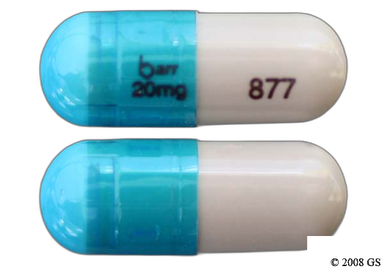
fluoxetine
Fluoxetine (Prozac) is a selective serotonin reuptake inhibitor (SSRI). It's used to treat several mental health conditions, including depression and panic disorder. The immediate-release pill and liquid are taken by mouth, typically once or twice daily. The delayed-release capsule is taken weekly, but it's approved only for depression. Some common side effects of fluoxetine (Prozac) include headaches, difficulty sleeping, and tiredness. Don't suddenly stop this medication if you've been taking it for a while; doing so can lead to symptoms of withdrawal.


What is Fluoxetine (Prozac)?
What is Fluoxetine (Prozac) used for?
How Fluoxetine (Prozac) works
Fluoxetine (Prozac) is a selective serotonin reuptake inhibitor (SSRI). It works mainly by raising the levels of serotonin, a chemical in your brain. Serotonin plays an important role in regulating your mood and emotions.
Drug facts



Side effects of Fluoxetine (Prozac)
The following side effects may get better over time as your body gets used to the medication. Let your healthcare provider know immediately if you continue to experience these symptoms or if they worsen over time.
Common Side Effects
- Difficulty falling asleep (up to 33%)
- Nausea (up to 29%)
- Headache (21%)
- Weakness (up to 21%)
- Diarrhea (up to 18%)
- Low appetite (up to 17%)
- Drowsiness (up to 17%)
- Anxiety (up to 15%)
- Nervousness (up to 14%)
- Tremor (up to 13%)
- Dry mouth (up to 12%)
- Throat pain (up to 11%)
- Yawning (up to 11%)
- Low sex drive (up to 11%)
Less Common Side Effects
- Abnormal dreams
- Allergic rash
- Flu-like symptoms
Fluoxetine (Prozac) serious side effects
Contact your healthcare provider immediately if you experience any of the following.
- Suicidal thoughts or behaviors
- Serotonin syndrome: fast heart rate, dizziness, sweating, flushing, tremor (shakiness), muscle stiffness, muscle twitching or spasms, uncoordinated movement, distress, seizures, distress, hallucinations, coma
- Seizures
- Allergic reactions: hives, rash, blisters, swelling of the lips or tongue, difficulty breathing
- Abnormal heart rhythm (QT prolongation): chest pounding, short of breath, chest pain, feeling faint or lightheaded
- Severe bleeding: bruising that doesn't improve, black-colored stools, pink or red-colored urine, coughing up or vomiting blood, or unusual bleeding from the nose or gums
- Low blood sodium levels: nausea, fatigue, headache, confusion, disoriented, hallucinations (seeing things that aren't real), seizures, unconsciousness
More on Fluoxetine (Prozac) side effects
The following Fluoxetine (Prozac) side effects have also been reported
Along with its needed effects, a medicine may cause some unwanted effects. Although not all of these side effects may occur, if they do occur they may need medical attention.
Check with your doctor immediately if any of the following side effects occur:
Rare
cold sweats
confusion
convulsions (seizures)
cool pale skin
difficulty with concentration
drowsiness
dryness of the mouth
excessive hunger
fast or irregular heartbeat
headache
increased sweating
increased thirst
lack of energy
mood or behavior changes
overactive reflexes
purple or red spots on the skin
racing heartbeat
shakiness or unsteady walk
shivering or shaking
talking, feeling, and acting with excitement and activity you cannot control
trouble with breathing
unusual or incomplete body or facial movements
unusual tiredness or weakness
Incidence not known
Abdominal or stomach pain
agitation
back or leg pains
bleeding gums
blindness
blistering, peeling, or loosening of the skin
blood in the urine or stools
bloody, black or tarry stools
blue-yellow color blindness
blurred vision
chest pain or discomfort
clay-colored stools
continuing vomiting
dark urine
decreased urine output
decreased vision
difficulty with breathing
difficulty with swallowing
dizziness or lightheadedness
fainting
fast, pounding, or irregular heartbeat or pulse
general body swelling
high fever
hives, itching, puffiness or swelling of the eyelids or around the eyes, face, lips, or tongue
hostility
indigestion
irregular or slow heart rate
irritability
large, hive-like swelling on the face, eyelids, lips, tongue, throat, hands, legs, feet, or sex organs
light-colored stools
loss of appetite
loss of bladder control
muscle twitching
nightmares
no blood pressure or pulse
noisy breathing
nosebleeds
pain in the ankles or knees
painful, red lumps under the skin, mostly on the legs
pains in the stomach, side, or abdomen, possibly radiating to the back
pinpoint red spots on the skin
rapid weight gain
red or irritated eyes
red skin lesions, often with a purple center
redness, tenderness, itching, burning, or peeling of the skin
severe muscle stiffness
severe sleepiness
slurred speech
sores, ulcers, or white spots on the lips or in the mouth
stopping of heart
sudden shortness of breath or troubled breathing
sudden weakness in the arms or legs
sudden, severe chest pain
swelling of the face, ankles, or hands
swollen or painful glands
thoughts of killing oneself
tightness in the chest
tiredness
twitching, twisting, or uncontrolled repetitive movements of the tongue, lips, face, arms, or legs
unconsciousness
unpleasant breath odor
unusual bleeding or bruising
unusual drowsiness, dullness, tiredness, weakness, or feeling of sluggishness
unusually pale skin
use of extreme physical or emotional force
vomiting of blood
yellow eyes or skin
Some side effects may occur that usually do not need medical attention. These side effects may go away during treatment as your body adjusts to the medicine. Also, your health care professional may be able to tell you about ways to prevent or reduce some of these side effects. Check with your health care professional if any of the following side effects continue or are bothersome or if you have any questions about them:
More common
Decreased appetite
Less common or rare
Abnormal dreams
breast enlargement or pain
change in sense of taste
changes in vision
feeling of warmth or heat
flushing or redness of the skin, especially on face and neck
increased appetite
increased sensitivity of the skin to sunlight
unusual secretion of milk, in females
yawning
Incidence not known
Cracks in the skin
loss of heat from the body
painful or prolonged erections of the penis
swelling of the breasts or breast soreness in both females and males
unusual milk production
Other side effects not listed may also occur in some patients. If you notice any other effects, check with your healthcare professional.
Call your doctor for medical advice about side effects. You may report side effects to the FDA at 1-800-FDA-1088.

Get your GoodRx coupon

Pros and cons of Fluoxetine (Prozac)
Pros
- Good choice for treating depression, OCD, and panic disorder
- Less likely to make you sleepy compared to some other antidepressants, such as paroxetine (Paxil)
- Taken by mouth, typically once daily (IR capsules and liquid) or once weekly (DR capsules, for depression only)
- Can be taken with or without food
Cons
- Can take up to 2 months for you to feel the full effects of the medication
- Can raise the risk of suicidal thoughts and/or behavior in those age 24 or younger
- Can interact with other medications, especially those affecting serotonin levels
- Can cause withdrawal symptoms if you suddenly stop taking it

Pharmacist tips for Fluoxetine (Prozac)

- You can take fluoxetine (Prozac) with or without food, but fluoxetine (Prozac) also commonly causes nausea, especially when starting the medication and with dose changes; taking it with food might help with these side effects.
- Don't change your dose or suddenly stop taking fluoxetine (Prozac) without talking to your provider first. Doing so can cause bothersome withdrawal symptoms like nausea, headache, and sleeping problems. Follow your psychiatrist's instructions to lower your dose slowly over a period of time to safely stop the medication.
- Fluoxetine (Prozac) can cause some people to feel less hungry. Make sure you're eating a healthy and well-balanced diet while taking fluoxetine (Prozac) to ensure you're getting enough nutrition.
- Although less likely than other SSRIs, fluoxetine (Prozac) can cause sexual side effects, such as ejaculation problems in males, low sex drive, and erectile dysfunction.
- Fluoxetine (Prozac) can make you sleepy and dizzy. Don't drive or do anything requiring concentration until you know how this medication affects you.
- Avoid drinking alcohol while taking fluoxetine (Prozac) because it can worsen some side effects (e.g., drowsiness, dizziness) as well as worsen your depression or anxiety symptoms.
- Antidepressant medications, like fluoxetine (Prozac), can raise the risk of suicidal thoughts. Contact your psychiatrist right away if you or your loved ones notice any new or worsening changes in your behavior or mood while taking the medication.
- Let your psychiatrist know if you're pregnant or thinking of becoming pregnant. They can talk with you about the benefits and risks of taking fluoxetine (Prozac) during pregnancy, as well as other treatment options. This is important because untreated mental health conditions during pregnancy can be harmful for you and your baby.
- Fluoxetine (Prozac) can get into breastmilk and cause side effects (e.g., fussiness, sleepiness) in breastfed babies. Let your psychiatrist know if you're breastfeeding. They'll discuss the risks and benefits of continuing fluoxetine (Prozac).
More on Fluoxetine (Prozac) tips


Common questions about Fluoxetine (Prozac)
How you feel after starting fluoxetine (Prozac) can differ depending on your medical condition and how serious your symptoms are. For example, some people who took fluoxetine (Prozac) for depression noticed feeling more energetic or having a more positive mood after a few weeks of taking fluoxetine (Prozac). But it can take 1-2 months to experience the full benefits of this medication. At the same time, you might also notice some side effects from this medication. Some of the more common ones include difficulty sleeping, headache, and nausea. Talk with your psychiatrist if you've more questions about what it might be like to take fluoxetine (Prozac).
It will take a few weeks before you notice any benefits from fluoxetine (Prozac). But it can take about 1 to 2 months before you feel the full benefits of this medication. But the exact length of time can differ depending on what medical condition you're being treated for. Keep in mind that when you first start fluoxetine (Prozac), your psychiatrist will likely prescribe a lower dose to help your body get used to this medication and watch for any side effects. Typically, if you don't notice any improvements with fluoxetine (Prozac) after taking it for about a month, your psychiatrist might raise your dose. Contact your psychiatrist if you're not sure if fluoxetine (Prozac) is working.
Fluoxetine (Prozac) isn't FDA-approved for generalized anxiety disorder (GAD). But, it's one of the first-choice options for GAD (off-label use). Talk with your psychiatrist if you've more questions about fluoxetine (Prozac) and anxiety.
Yes, fluoxetine (Prozac) can cause tiredness as a side effect. This medication can also make it hard for people to sleep at night, which might also lead to feeling drowsy during the day. When you first start fluoxetine (Prozac), pay attention to how this medication is affecting your sleep. If it's making you too sleepy or interrupting your sleep, contact your psychiatrist. They might recommend you change the time of day you take your dose, or they might lower your dose.
Unlike other SSRIs, fluoxetine (Prozac) isn't likely to cause weight gain. If you have any questions about fluoxetine (Prozac) and its effect on body weight, talk with your psychiatrist.
No, acne wasn't a reported from people taking fluoxetine (Prozac). But this medication can make you sweat more, which might cause or worsen acne. Additionally, there is a strong connection between mental health problems and acne breakouts. If you notice your acne worsening after starting fluoxetine (Prozac), ask your primary care provider or dermatologist about available treatment options.
Many side effects from fluoxetine (Prozac), such as nausea or sleeping problems, can get better over time. You're more likely to experience side effects when first starting fluoxetine (Prozac) or when your provider raises your dose. But if any side effects become too bothersome for you, let your psychiatrist know. They might adjust your fluoxetine (Prozac) dose or recommend certain treatment, depending on the side effect you're experiencing.
If you miss a single dose of fluoxetine (Prozac), take it as soon as you remember. But if it's almost time for your next dose, just skip the missed dose and take your next dose at the next scheduled time. Never take 2 doses of fluoxetine (Prozac) to make up a missed dose. Based on the half-life of fluoxetine (Prozac), it takes about a month for most of the medication to leave your body after a single dose. So missing one dose of fluoxetine (Prozac) shouldn't affect your treatment or cause withdrawal. Still, to get the most our of the medication and to avoid any potential problems, take fluoxetine (Prozac) exactly as prescribed.

How to save using GoodRx



Risks and warnings for Fluoxetine (Prozac)
Fluoxetine (Prozac) can cause some serious health issues. This risk may be even higher for certain groups. If this worries you, talk to your doctor or pharmacist about other options.
Worsening depression, suicidal thoughts and behavior
- Risk factors: Age under 24 years old | History of depression or other mental health conditions
 Taking fluoxetine (Prozac) can make your depression worse and cause you to have thoughts of suicide or harming yourself. The risk is highest if you're 24 years of age or younger, during the first few weeks of taking the medication, and when your dose changes. If you or anyone around you notice that you have suicidal thoughts or unusual behavior (e.g., anxiety, panic attacks, difficulty sleeping, feeling angry or irritated, restlessness) while taking fluoxetine (Prozac), get medical help right away.
Anxiety and trouble sleeping
Fluoxetine (Prozac) can cause anxiety and trouble sleeping in some people. If this side effect is very bothersome for you, talk with your psychiatrist.
Serotonin syndrome
- Risk factors: Taking other medications that raise serotonin levels in your brain
Some people taking fluoxetine (Prozac) have developed a rare, but potentially life-threatening condition called serotonin syndrome. This condition happens where there's too much serotonin in the brain. Your risk for serotonin syndrome is higher if you use fluoxetine (Prozac) with other medications that can raise your serotonin levels, such as certain antidepressants, mental health medications, pain medications, and migraine medications. Let your psychiatrist know about all the medications you take before starting fluoxetine (Prozac). Also, don't start any new medications without talking to your psychiatrist first. Symptoms of serotonin syndrome include fast heart rate, sweating, muscle stiffness or spasms, fever, and confusion. Get medical help right away if you have any of these symptoms.
Severe allergic reactions
Severe allergic reactions to fluoxetine (Prozac) are possible, including life-threatening reactions like facial swelling, shock, and anaphylaxis (closing of the throat). If you notice hives, rash, red skin, swelling of the lips or tongue, or difficulty breathing after using fluoxetine (Prozac), get medical attention right away.
Not for use alone in bipolar disorder
Fluoxetine (Prozac) can be taken for depression from bipolar disorder only if it's taken together with olanzapine (Zyprexa). This is because taking fluoxetine (Prozac) alone can trigger a bipolar manic episode. Before starting fluoxetine (Prozac), your psychiatrist will check to see if you have or are at risk for bipolar disorder. Talk to your psychiatrist right away if you or your loved ones notice unusual changes in your behavior, such as racing thoughts, restlessness, getting easily distracted, or unusual talkativeness.
Risk of bleeding
- Risk factors: Taking blood-thinners or other medications that raise your risk of bleeding
Fluoxetine (Prozac) can raise your risk of severe bleeding or bruising, especially if you're also taking antiplatelets (e.g., aspirin, clopidogrel (Plavix)) or anticoagulants (e.g., warfarin (Coumadin), apixaban (Eliquis), rivaroxaban (Xarelto)). Get medical help if you get bruising that doesn't improve, black-colored stools, pink or red-colored urine, coughing up or vomiting blood, or unusual bleeding from the nose or gums.
Glaucoma
- Risk factors: History of angle-closure glaucoma
Fluoxetine (Prozac) can lead to or worsen angle-closure glaucoma. You might need to see your optometrist regularly and get eye exams to check your eyes and make sure your vision isn't worsening. Contact your optometrist or psychiatrist if you notice changes in your vision after starting fluoxetine (Prozac).
Low blood sodium levels
- Risk factors: Older adults | Taking diuretic medications
Fluoxetine (Prozac) can cause low blood sodium levels. Your provider might closely monitor your blood sodium levels before and during treatment with fluoxetine (Prozac). Get medical help right away if you experience weakness, confusion, difficulty concentrating, headache, or memory problems because these could be signs of low blood sodium levels, which is a medical emergency.
Life-threatening abnormal heart rhythm (QT prolongation)
- Risk factors: Low blood potassium or magnesium levels | Older age | Kidney problems | History of heart problems, slow heart rate, or other abnormal heart rhythms (arrhythmias) | Personal or family history of long QT syndrome | Taking other medications that cause QT prolongation
Fluoxetine (Prozac) can affect your heart rhythm, which can be serious and life-threatening. One example includes lengthening the time period from when the heart pumps and then relaxes. This is known as QT prolongation. Your risk is higher if you have certain factors, including abnormal electrolyte levels, heart rhythm problems, or are taking other medications that cause heart rhythm problems, such as amiodarone (Pacerone) and ciprofloxacin (Cipro), among others. To lower your risk, your psychiatrist or primary care provider might periodically monitor your heart and perform electrocardiograms (EKGs) to make sure your heart rhythm is normal. If you feel your chest pounding, have shortness of breath, have chest pain, or feel faint or lightheaded while taking fluoxetine (Prozac), call 911 right away.

Fluoxetine (Prozac) dosage
 Bottle of oral solution
| Dosage | Quantity | Price as low as | Price per unit |
|---|---|---|---|
| 120ml of 20mg/5ml | 1 bottle | $34.17 | $34.17 |
 Capsule
| Dosage | Quantity | Price as low as | Price per unit |
|---|---|---|---|
| 20mg | 30 capsules | $8.39 | $0.28 |
| 40mg | 30 capsules | $9.00 | $0.30 |
| 10mg | 30 capsules | $8.97 | $0.30 |
 Package
| Dosage | Quantity | Price as low as | Price per unit |
|---|---|---|---|
| 4 capsules of 90mg | 1 package | $43.40 | $43.40 |

Typical dosage for Fluoxetine (Prozac)
In general, your psychiatrist will have you start with lower dose of fluoxetine (Prozac) and raise it slowly over a few weeks. If your total daily dose is higher than 20 mg, they might ask you to split the dose and take it twice daily.
- Major depressive disorder (MDD)
- Adults: The typical starting dose is 20 mg by mouth daily in the morning. The maximum recommended dose is 80 mg daily total.
- Children ages 8 years and older: The typical dose ranges between 10 mg to 20 mg by mouth once daily.
- Obsessive compulsive disorder (OCD)
- Adults: The typical starting dose is 20 mg by mouth daily in the morning. The maximum recommended dose is 80 mg daily total.
- Children ages 7 years and older: The typical starting dose ranges from 10 mg to 20 mg by mouth once daily, depending on body weight. The typical maintenance dose ranges from 20 mg to 60 mg daily.
- Bulimia
- Adults: The typical maintenance dose is 60 mg by mouth once daily in the morning.
- Panic disorder
- Adults: The typical starting dose is 10 mg by mouth once daily. The typical maintenance dose is 20 mg daily. The maximum recommended dose is 60 mg daily.
- Depression from bipolar 1 disorder
- Adults and children ages 10 years and older: The typical dose ranges from 20 mg to 50 mg by mouth daily, taken along with olanzapine (Zyprexa).
- Treatment resistant depression
- Adults: The typical dose ranges from 20 mg to 50 mg by mouth daily, taken along with olanzapine (Zyprexa).
Immediate-release fluoxetine also comes as tablet and liquid, but these only treat MDD, OCD, bulimia, and panic disorder.
- Depression (ages 7 years and older): The typical dose is 90 mg by mouth once weekly. Your provider will let you know if and when you can transition to the fluoxetine (Prozac) DR capsule. Usually, you can start this medication a week after the last daily dose of fluoxetine (Prozac) 20 mg.
More on Fluoxetine (Prozac) dosage


Interactions between Fluoxetine (Prozac) and other drugs
Although certain medicines should not be used together at all, in other cases two different medicines may be used together even if an interaction might occur. In these cases, your doctor may want to change the dose, or other precautions may be necessary. When you are taking this medicine, it is especially important that your healthcare professional know if you are taking any of the medicines listed below. The following interactions have been selected on the basis of their potential significance and are not necessarily all-inclusive.
Using this medicine with any of the following medicines is not recommended. Your doctor may decide not to treat you with this medication or change some of the other medicines you take.
- Bepridil
- Bromopride
- Cisapride
- Clorgyline
- Dronedarone
- Eliglustat
- Furazolidone
- Iproniazid
- Isocarboxazid
- Levomethadyl
- Linezolid
- Mesoridazine
- Methylene Blue
- Moclobemide
- Nialamide
- Pargyline
- Phenelzine
- Pimozide
- Piperaquine
- Procarbazine
- Rasagiline
- Saquinavir
- Selegiline
- Sparfloxacin
- Terfenadine
- Thioridazine
- Toloxatone
- Tranylcypromine
- Ziprasidone
Using this medicine with any of the following medicines is usually not recommended, but may be required in some cases. If both medicines are prescribed together, your doctor may change the dose or how often you use one or both of the medicines.
- Abciximab
- Abiraterone Acetate
- Acecainide
- Aceclofenac
- Acemetacin
- Acenocoumarol
- Ajmaline
- Alfentanil
- Alfuzosin
- Almotriptan
- Amineptine
- Amiodarone
- Amisulpride
- Amitriptyline
- Amitriptylinoxide
- Amoxapine
- Amphetamine
- Amtolmetin Guacil
- Anagrelide
- Ancrod
- Anisindione
- Antithrombin III Human
- Apixaban
- Apomorphine
- Aprindine
- Ardeparin
- Argatroban
- Aripiprazole
- Aripiprazole Lauroxil
- Arsenic Trioxide
- Asenapine
- Aspirin
- Astemizole
- Atazanavir
- Azimilide
- Azithromycin
- Bedaquiline
- Bemiparin
- Benzhydrocodone
- Benzphetamine
- Bivalirudin
- Bretylium
- Brexpiprazole
- Bromfenac
- Brompheniramine
- Bufexamac
- Buprenorphine
- Bupropion
- Buserelin
- Butorphanol
- Cangrelor
- Carbamazepine
- Celecoxib
- Ceritinib
- Certoparin
- Chloral Hydrate
- Chloroquine
- Chlorpheniramine
- Chlorpromazine
- Choline Salicylate
- Cilostazol
- Cinacalcet
- Ciprofloxacin
- Citalopram
- Clarithromycin
- Clofazimine
- Clomipramine
- Clonixin
- Clopidogrel
- Clozapine
- Cobicistat
- Cocaine
- Codeine
- Crizotinib
- Cyclobenzaprine
- Dabigatran Etexilate
- Dabrafenib
- Dalteparin
- Danaparoid
- Dasatinib
- Defibrotide
- Degarelix
- Delamanid
- Dermatan Sulfate
- Desipramine
- Desirudin
- Deslorelin
- Desmopressin
- Desvenlafaxine
- Deutetrabenazine
- Dexfenfluramine
- Dexibuprofen
- Dexketoprofen
- Dextroamphetamine
- Dextromethorphan
- Dibenzepin
- Diclofenac
- Dicumarol
- Diflunisal
- Dihydrocodeine
- Dipyridamole
- Dipyrone
- Disopyramide
- Dofetilide
- Dolasetron
- Domperidone
- Donepezil
- Doxepin
- Doxorubicin
- Doxorubicin Hydrochloride Liposome
- Droperidol
- Drotrecogin Alfa
- Droxicam
- Duloxetine
- Ebastine
- Edoxaban
- Efavirenz
- Eletriptan
- Encorafenib
- Enflurane
- Enoxaparin
- Entrectinib
- Epoprostenol
- Eptifibatide
- Eribulin
- Erythromycin
- Escitalopram
- Etodolac
- Etofenamate
- Etoricoxib
- Famotidine
- Felbamate
- Felbinac
- Fenfluramine
- Fenoprofen
- Fentanyl
- Fepradinol
- Feprazone
- Fingolimod
- Flecainide
- Floctafenine
- Fluconazole
- Flufenamic Acid
- Fluphenazine
- Flurbiprofen
- Fluvoxamine
- Fondaparinux
- Formoterol
- Foscarnet
- Fosphenytoin
- Fostemsavir
- Frovatriptan
- Galantamine
- Gatifloxacin
- Gemifloxacin
- Glasdegib
- Gonadorelin
- Goserelin
- Granisetron
- Halofantrine
- Haloperidol
- Halothane
- Heparin
- Histrelin
- Hydrocodone
- Hydromorphone
- Hydroquinidine
- Hydroxychloroquine
- Hydroxytryptophan
- Hydroxyzine
- Ibuprofen
- Ibutilide
- Iloperidone
- Iloprost
- Imipramine
- Indomethacin
- Inotuzumab Ozogamicin
- Iobenguane I 123
- Iobenguane I 131
- Isoflurane
- Isradipine
- Itraconazole
- Ivabradine
- Ivosidenib
- Ketoconazole
- Ketoprofen
- Ketorolac
- Lapatinib
- Lasmiditan
- Lefamulin
- Lenvatinib
- Lepirudin
- Levofloxacin
- Levomilnacipran
- Levorphanol
- Lidoflazine
- Lisdexamfetamine
- Lithium
- Lofepramine
- Lofexidine
- Lorcaserin
- Lornoxicam
- Loxoprofen
- Lumefantrine
- Lumiracoxib
- Macimorelin
- Meclofenamate
- Mefenamic Acid
- Mefloquine
- Melitracen
- Meloxicam
- Meperidine
- Metaxalone
- Methadone
- Methamphetamine
- Metoclopramide
- Metronidazole
- Mifepristone
- Milnacipran
- Mirtazapine
- Mizolastine
- Morniflumate
- Morphine
- Morphine Sulfate Liposome
- Moxifloxacin
- Nabumetone
- Nadroparin
- Nafarelin
- Nalbuphine
- Naproxen
- Naratriptan
- Nebivolol
- Nefazodone
- Nepafenac
- Niflumic Acid
- Nilotinib
- Nimesulide
- Nimesulide Beta Cyclodextrin
- Norfloxacin
- Nortriptyline
- Octreotide
- Olanzapine
- Ondansetron
- Opipramol
- Osilodrostat
- Osimertinib
- Oxaliplatin
- Oxaprozin
- Oxycodone
- Oxymorphone
- Oxyphenbutazone
- Ozanimod
- Paliperidone
- Palonosetron
- Panobinostat
- Parecoxib
- Parnaparin
- Paroxetine
- Pasireotide
- Pazopanib
- Pentamidine
- Pentazocine
- Pentosan Polysulfate Sodium
- Perphenazine
- Phenindione
- Phenprocoumon
- Phenylbutazone
- Piketoprofen
- Pimavanserin
- Pirmenol
- Piroxicam
- Pitolisant
- Ponesimod
- Posaconazole
- Prajmaline
- Pranoprofen
- Prasugrel
- Probucol
- Procainamide
- Prochlorperazine
- Proglumetacin
- Promethazine
- Propafenone
- Propranolol
- Propyphenazone
- Proquazone
- Protein C
- Protriptyline
- Quetiapine
- Quinine
- Ranolazine
- Remifentanil
- Reviparin
- Ribociclib
- Rilpivirine
- Risperidone
- Ritonavir
- Rivaroxaban
- Rizatriptan
- Rofecoxib
- Safinamide
- Salicylic Acid
- Salsalate
- Selexipag
- Selpercatinib
- Sematilide
- Sertindole
- Sertraline
- Sevoflurane
- Sibutramine
- Siponimod
- Sodium Phosphate
- Sodium Phosphate, Dibasic
- Sodium Phosphate, Monobasic
- Sodium Salicylate
- Solifenacin
- Sorafenib
- Sotalol
- Spiramycin
- St John's Wort
- Sufentanil
- Sulfamethoxazole
- Sulfinpyrazone
- Sulindac
- Sulpiride
- Sultopride
- Sumatriptan
- Sunitinib
- Tacrolimus
- Tamoxifen
- Tapentadol
- Tedisamil
- Telavancin
- Telithromycin
- Tenoxicam
- Terbinafine
- Tetrabenazine
- Tianeptine
- Tiaprofenic Acid
- Ticagrelor
- Ticlopidine
- Tinzaparin
- Tirofiban
- Tolfenamic Acid
- Tolmetin
- Tolterodine
- Toremifene
- Tramadol
- Trazodone
- Treprostinil
- Triclabendazole
- Trifluoperazine
- Trimethoprim
- Trimipramine
- Triptorelin
- Tryptophan
- Valbenazine
- Valdecoxib
- Vandetanib
- Vardenafil
- Vemurafenib
- Venlafaxine
- Vilazodone
- Vinflunine
- Voclosporin
- Vorapaxar
- Voriconazole
- Vorinostat
- Vortioxetine
- Warfarin
- Zolmitriptan
- Zotepine
- Zuclopenthixol
Using this medicine with any of the following medicines may cause an increased risk of certain side effects, but using both drugs may be the best treatment for you. If both medicines are prescribed together, your doctor may change the dose or how often you use one or both of the medicines.
- Alprazolam
- Buspirone
- Cyproheptadine
- Delavirdine
- Digoxin
- Ginkgo
- Phenytoin

How much does Fluoxetine (Prozac) cost?

Fluoxetine (Prozac) contraindications
Contraindications are specific health conditions or situations in which a person should not take a medication due to safety concerns. If you have any of the following conditions or if any of the following apply to you, let your healthcare provider know because Fluoxetine (Prozac) will not be safe for you to take.
- Currently take or have taken an MAOI, linezolid (Zyvox), or methylene blue (ProvayBlue) in the last 14 days
- Taking pimozide
- Taking thioridazine

What are alternatives to Fluoxetine (Prozac)?

News about Fluoxetine (Prozac)











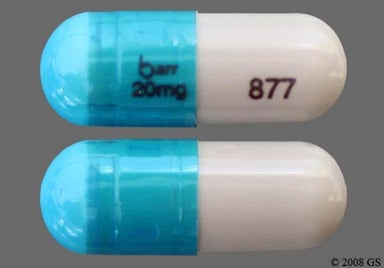
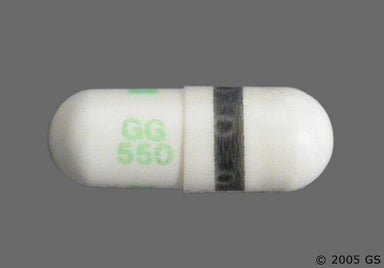
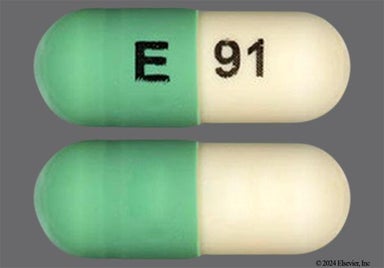
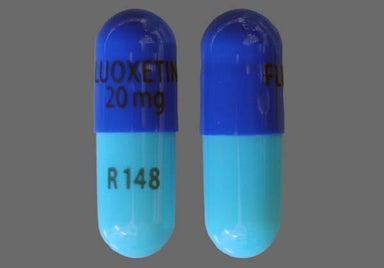
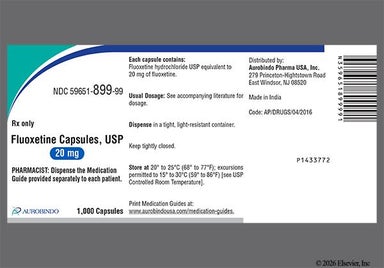
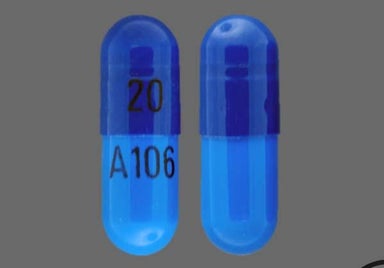
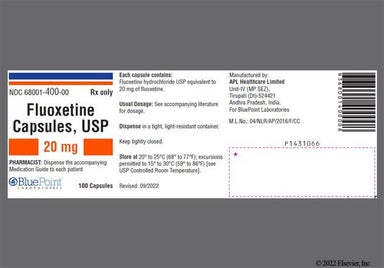
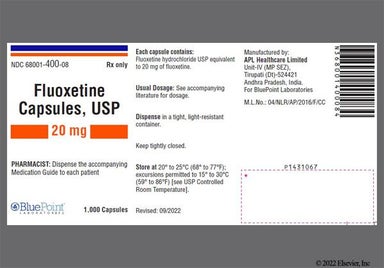
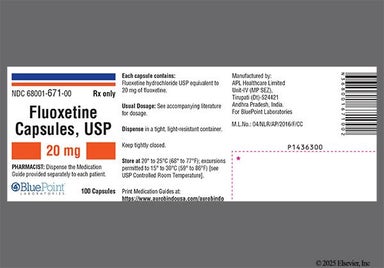
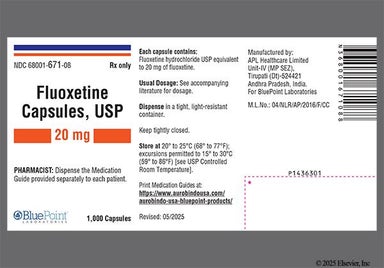
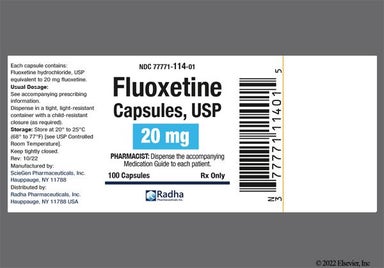
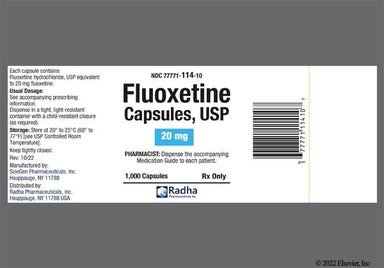
Fluoxetine (Prozac) images