








12 Medications That Can Be Dangerous to Take If You’re Pregnant
Did you know warfarin and some acne medications can harm a developing fetus? Review which medications are the most dangerous to take during pregnancy.
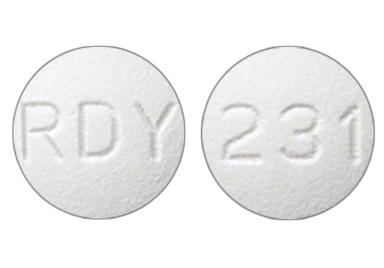
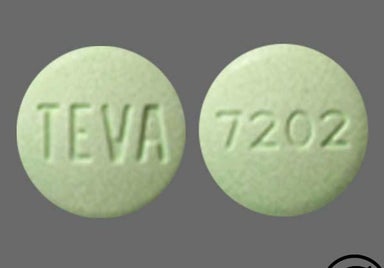
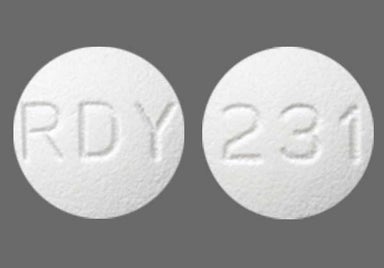
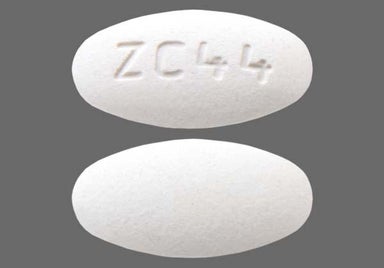
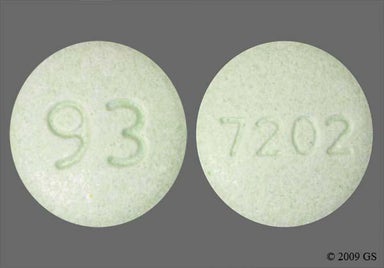
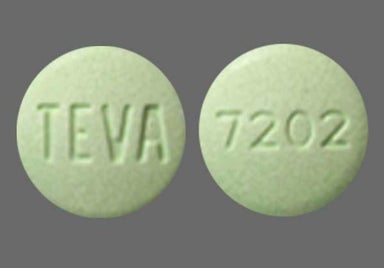
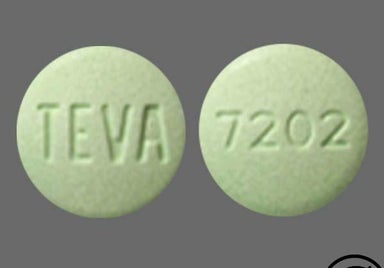
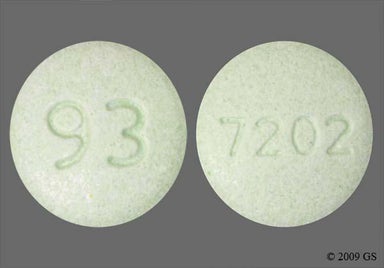
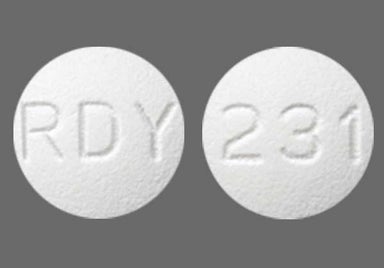
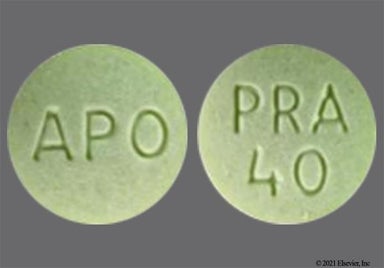
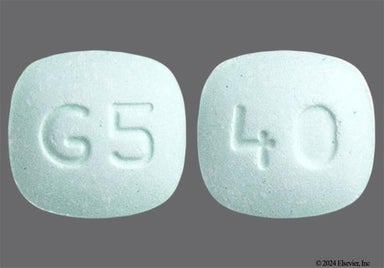
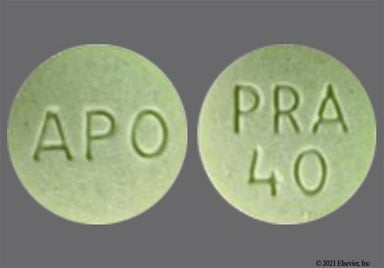
Pravastatin is a statin that's used to lower cholesterol in adults and certain children. By lowering your cholesterol levels, the medication helps protect your heart and blood vessels from serious and even life-threatening medical problems, such as heart attack or stroke. Pravastatin should be taken with a heart-healthy diet and a regular exercise routine for it to work as best as possible. It's a tablet that's taken by mouth once per day. Pravastatin side effects include muscle or joint pain, nausea, vomiting, and headache.

Pravastatin is a statin. It works by blocking a protein in your liver that makes cholesterol. This lowers the amount of "bad" cholesterol (called low-density lipoprotein, or LDL) in your blood. Pravastatin might also help raise your "good" cholesterol (called high-density lipoprotein, or HDL) levels and lower your triglyceride levels. As a result, pravastatin helps lower the risk of coronary artery disease, heart attack, and stroke.
| Common Brands | Pravachol |
|---|---|
| Drug Class | Statin |
| Controlled Substance Classification | Not a controlled medication |
| Generic Status | Lower-cost generic available |
| Availability | Prescription only |

The following side effects may get better over time as your body gets used to the medication. Let your healthcare provider know immediately if you continue to experience these symptoms or if they worsen over time.
Contact your healthcare provider immediately if you experience any of the following.
Along with its needed effects, a medicine may cause some unwanted effects. Although not all of these side effects may occur, if they do occur they may need medical attention.
Check with your doctor immediately if any of the following side effects occur:
More common
Difficulty with moving
muscle or bone pain
muscle stiffness
pain in the joints
pain, localized
Less common
Arm, back, or jaw pain
chest pain, discomfort, or tightness
chills
dark-colored urine
difficult or labored breathing
ear congestion
fast or irregular heartbeat
general feeling of discomfort or illness
headache
loss of appetite
muscle cramps, spasms, tenderness, wasting, or weakness
runny or stuffy nose
shivering
sweating
swollen joints
trouble sleeping
unusual tiredness or weakness
vomiting
Some side effects may occur that usually do not need medical attention. These side effects may go away during treatment as your body adjusts to the medicine. Also, your health care professional may be able to tell you about ways to prevent or reduce some of these side effects. Check with your health care professional if any of the following side effects continue or are bothersome or if you have any questions about them:
More common
Stomach pain
Less common
Acid or sour stomach
belching
bloated or full feeling
blurred vision or other changes in vision
difficult or painful urination
difficulty having a bowel movement (stool)
dizziness
double vision
fear or nervousness
feeling sad or empty
increased urge to urinate during the night
irritability
loss of interest or pleasure
pain in the chest below the breastbone
passing gas
rash
stomach discomfort or upset
tiredness
trouble concentrating
Other side effects not listed may also occur in some patients. If you notice any other effects, check with your healthcare professional.
Call your doctor for medical advice about side effects. You may report side effects to the FDA at 1-800-FDA-1088.




Pravastatin can cause some serious health issues. This risk may be even higher for certain groups. If this worries you, talk to your doctor or pharmacist about other options.
Pravastatin can cause a rare, but serious and life-threatening muscle problem called rhabdomyolysis. If severe, this muscle problem can lead to kidney injury. Your risk for rhabdomyolysis is higher if you take other medications that can raise the levels of pravastatin in your body or that can also cause muscle damage. For this reason, don't start any new medications without asking your provider or pharmacist first. Stop pravastatin and get medical attention right away if you notice any symptoms of rhabdomyolysis, such as severe muscle pain, muscle tenderness or weakness, dark-colored urine, weakness, and tiredness.
Rarely, statins like pravastatin can cause immune-mediated necrotizing myopathy (IMNM), an autoimmune condition that causes muscle inflammation and muscle weakness. This muscle problem might continue even if you stop taking the statin. If you develop IMNM, your provider will ask you to stop the statin and might treat you with medications to dampen down your immune system.
Though rare, pravastatin can cause serious liver problems that can lead to liver failure. You might need to get blood tests to check your liver health before and during treatment to make sure your liver is working properly. Get medical attention right away if you notice swelling of your stomach; stomach pain; yellowing of your skin or the whites of your eyes; stool changes (black, tarry, or bloody stools); nausea; vomiting; or dark or brown urine. You might need to stop using the medication to prevent further liver damage.
Some research suggests that statins like pravastatin can raise blood sugar levels, which can lead to higher hemoglobin A1C levels. However, healthcare providers believe that the benefits of statins outweigh their risk for harm. Let your provider know if you have diabetes or high blood sugar before you start pravastatin. You might need to check your blood sugar more often. Also, make sure to follow a healthy, balanced diet and do regular exercise while you're taking pravastatin.
Pravastatin isn't recommended for use during pregnancy or breastfeeding for most people. This medication can cause harm to unborn and breastfed babies. Talk to your provider about the safest options for you if you're pregnant, thinking of becoming pregnant, or breastfeeding.

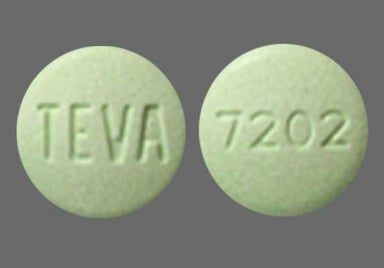
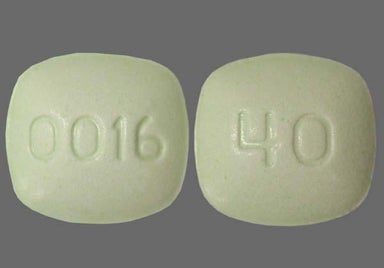
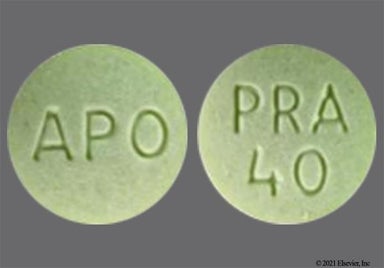
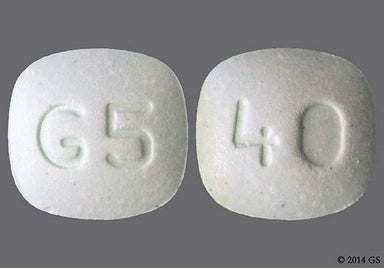
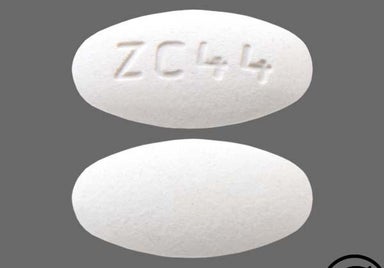
 Tablet
| Dosage | Quantity | Price as low as | Price per unit |
|---|---|---|---|
| 10mg | 90 tablets | $20.99 | $0.23 |
| 20mg | 90 tablets | $21.22 | $0.24 |
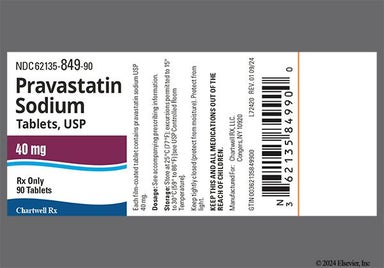
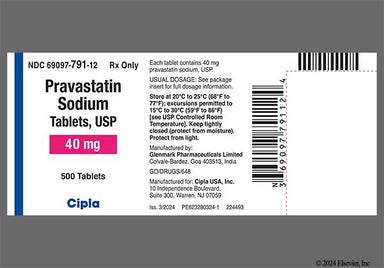
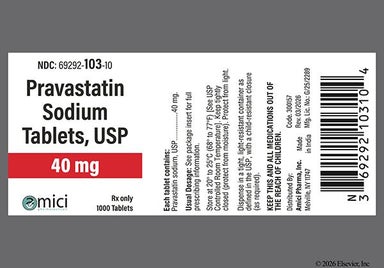
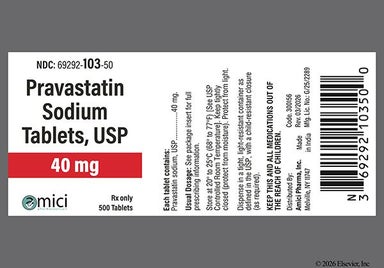
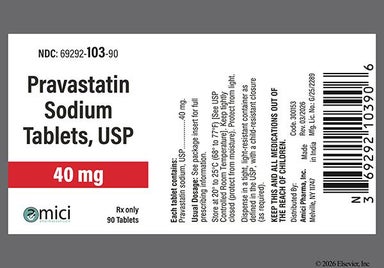
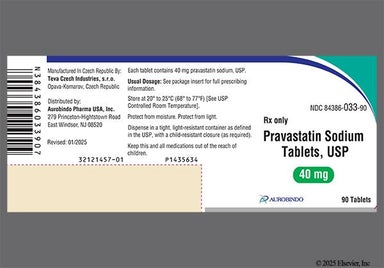
| 40mg | 90 tablets | $23.45 | $0.26 |
| 80mg | 90 tablets | $28.90 | $0.32 |
Your provider will change your dose depending on different factors, such as your cholesterol levels, kidney function, side effects that you're having, or other medications you might be taking that interact with pravastatin.

Although certain medicines should not be used together at all, in other cases two different medicines may be used together even if an interaction might occur. In these cases, your doctor may want to change the dose, or other precautions may be necessary. When you are taking this medicine, it is especially important that your healthcare professional know if you are taking any of the medicines listed below. The following interactions have been selected on the basis of their potential significance and are not necessarily all-inclusive.
Using this medicine with any of the following medicines is usually not recommended, but may be required in some cases. If both medicines are prescribed together, your doctor may change the dose or how often you use one or both of the medicines.
Using this medicine with any of the following medicines may cause an increased risk of certain side effects, but using both drugs may be the best treatment for you. If both medicines are prescribed together, your doctor may change the dose or how often you use one or both of the medicines.


Contraindications are specific health conditions or situations in which a person should not take a medication due to safety concerns. If you have any of the following conditions or if any of the following apply to you, let your healthcare provider know because Pravastatin will not be safe for you to take.










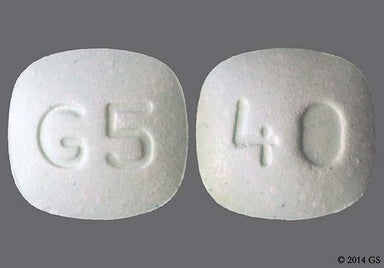
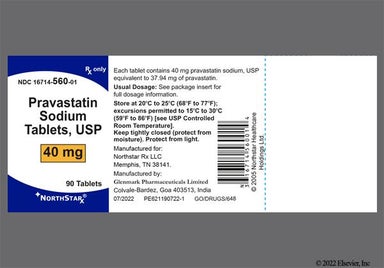
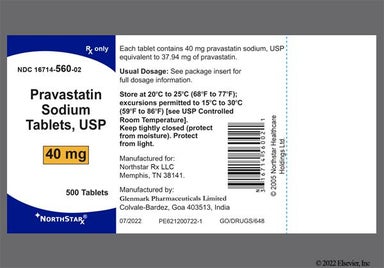
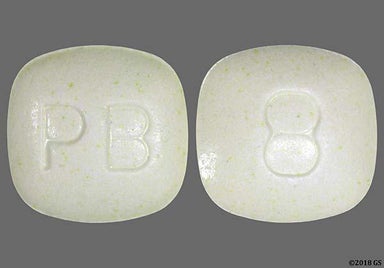
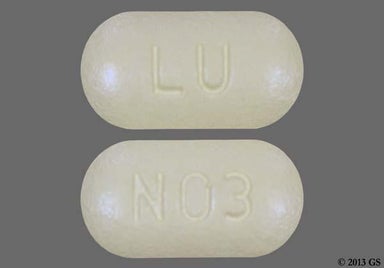
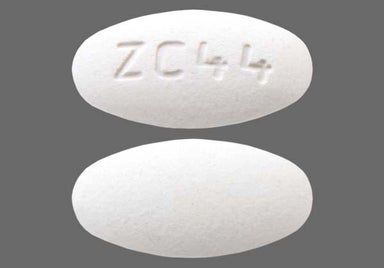
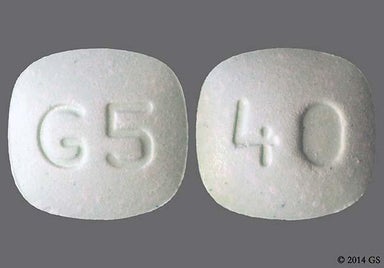
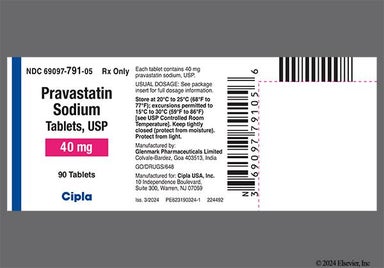
Prescription savings
Stop paying too much for your prescriptions. Compare prices, get pharmacy coupons, and save up to 80%. Find expert answers to your health questions so you can make the best decisions for yourself and your family.
Health conditions
Medications & treatment
Access & affordability
Medication discounts


Yes, Pravastatin doses typically range from 10 mg to 80 mg so a 20 mg dose is considered low for this medication. At doses 40 mg to 80 mg, Pravastatin can lower your cholesterol levels by almost 50%. But taking Pravastatin at a dose of 20 mg lowers your cholesterol levels by up to 30% and is considered a low-intensity dose. Depending on your cholesterol levels, it's possible that a low-intensity dose of Pravastatin is all you need. Your provider will check your cholesterol levels and follow up with you on how well you're tolerating the medication to see whether your dose needs to be adjusted.
Statins like Pravastatin can potentially cause side effects that affect many parts of the body, such as muscle pain and muscle problems, liver damage, kidney damage, and Type 2 diabetes. But research looking at how safe statins are shows that these potentially serious side effects are quite rare and are usually not too concerning if they do happen. In general, the benefits of statins to lower cholesterol and lower the risk for serious complications like heart attack far outweigh the risks for most people. To be safe though, your provider will regularly follow up with you throughout treatment with Pravastatin to make sure you're not having any side effects.
Weight gain wasn't a reported side effect from people taking Pravastatin in clinical studies. But a large 2014 study found that people taking statins long-term (about 10 years) ended up gaining weight due to changes in their diet. But the reason for this isn't completely clear. A study suggests that statins might raise hunger by affecting the levels of certain hormones in the body, but the results aren't consistent to know for sure. It's important to note that cholesterol medications will work well only when you also follow lifestyle modifications (e.g., proper diet, exercise). Talk to your provider if you notice changes in your eating habits and weight after using Pravastatin for a long time.
Hair loss is possible, but very rare with statins. There haven't been any reports of hair loss from people who take Pravastatin specifically. But some people taking atorvastatin (Lipitor) have reported hair loss. It's important to talk to your provider if you notice any changes to your hair thickness or growth after you start Pravastatin. Your provider can examine you or run some tests to see whether Pravastatin is truly the cause for your hair loss.
No. Studies show that statins like Pravastatin don't cause depression. In fact, there's some evidence that suggests that statins might have antidepressant effects, but more research is needed in this area. Remember that Pravastatin is FDA-approved only to lower cholesterol levels and shouldn't be specifically used for depression.
No, Pravastatin isn't a blood thinner medication and it doesn't raise your risk for bleeding. Pravastatin is a statin that's used to lower your cholesterol levels. But it's common for certain people to need to take both Pravastatin and a blood thinner medication together. For example, after a heart attack, people are commonly prescribed a statin and a blood thinner like aspirin or clopidogrel (Plavix). The statin helps prevent cholesterol buildup in the blood vessels and the blood thinner helps stop blood clots from forming; both types of medications help prevent heart attacks from getting worse or from happening again.
The manufacturer of Pravastatin states that you can take the medication at any time of day as long as you stay consistent each day. But it's often recommended that you take Pravastatin at night. Pravastatin is a short-acting statin, meaning its effects on cholesterol might wear off before the next dose. Since your body makes more cholesterol at night, it might be better to take Pravastatin in the evening. However, more research is needed to confirm whether taking the medication at night is truly beneficial. Ask your provider whether it's okay to take Pravastatin at another time that works for you if taking it at night is challenging for you. The more important thing to keep in mind is that it's better to take your Pravastatin than to not take it at all.
There are certain medications that interact with Pravastatin and raise the risk for severe muscle pain. Some medications, including Pravastatin, might need to have their dosages adjusted or avoided altogether. Examples of medications that interact with Pravastatin and raise the risk for muscle damage include gemfibrozil (Lopid), cyclosporine (Neoral, Gengraf, Sandimmune), macrolide antibiotics like azithromycin, and colchicine (Colcrys, Lodoco). Make sure to tell your provider about all of the medications you're taking, including other cholesterol medications, before and during treatment with Pravastatin.
