



7 Things You Should Know Before Starting a Beta Blocker
Beta blockers are a class of medications used to reduce blood pressure and manage irregular heart rhythms. Read on to learn types of beta blockers, their side effects, interactions, and more.
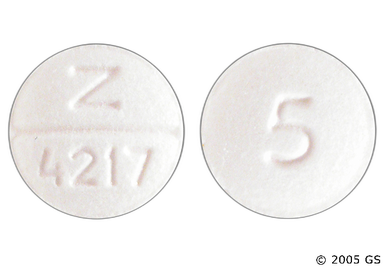
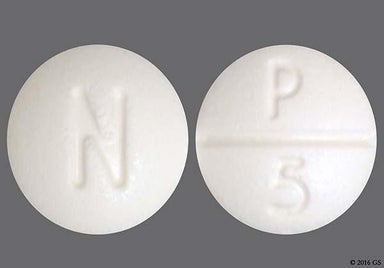
Pindolol is used to treat high blood pressure. It's taken by mouth, typically twice daily. However, pindolol is rarely prescribed today because there are other blood pressure medications that do a better job and cause less side effects.

Pindolol is a non-selective beta blocker. It lowers blood pressure by slowing down the heart and helps the heart pump more easily.
| Common Brands | Visken |
|---|---|
| Drug Class | Beta blocker |
| Controlled Substance Classification | Not a controlled medication |
| Generic Status | Lower-cost generic available |
| Availability | Prescription only |

The following side effects may get better over time as your body gets used to the medication. Let your healthcare provider know immediately if you continue to experience these symptoms or if they worsen over time.
Contact your healthcare provider immediately if you experience any of the following.
Along with its needed effects, a medicine may cause some unwanted effects. Although not all of these side effects may occur, if they do occur they may need medical attention.
Check with your doctor immediately if any of the following side effects occur:
More common
Swelling of the face, fingers, feet, or lower legs
Less common
Burning, crawling, itching, numbness, prickling, "pins and needles", or tingling feelings
difficult or labored breathing
shortness of breath
tightness in chest
Rare
Decreased urine output
dilated neck veins
extreme fatigue
fast, irregular, pounding, or racing heartbeat or pulse
irregular breathing
seeing, hearing, or feeling things that are not there
troubled breathing
Get emergency help immediately if any of the following symptoms of overdose occur:
Symptoms of overdose
Blurred vision
dizziness
headache
nervousness
pounding in the ears
slow heartbeat
Some side effects may occur that usually do not need medical attention. These side effects may go away during treatment as your body adjusts to the medicine. Also, your health care professional may be able to tell you about ways to prevent or reduce some of these side effects. Check with your health care professional if any of the following side effects continue or are bothersome or if you have any questions about them:
Rare
Rash
Other side effects not listed may also occur in some patients. If you notice any other effects, check with your healthcare professional.
Call your doctor for medical advice about side effects. You may report side effects to the FDA at 1-800-FDA-1088.




Pindolol can cause some serious health issues. This risk may be even higher for certain groups. If this worries you, talk to your doctor or pharmacist about other options.
There have been reports of people developing worsening heart failure symptoms while taking pindolol, especially if their symptoms weren't well-managed to begin with. For this reason, providers tend to avoid prescribing pindolol in people with severe heart failure. Talk to your provider if you notice swelling in your feet or ankles, if your pulse feels fast or irregular, or if you have trouble breathing when you lie down or exercise.
Don't stop taking pindolol suddenly without talking to your provider since this can cause or worsen chest pain (angina) or even cause a heart attack. This is especially true if you have coronary artery disease, but sometimes this disease is not yet diagnosed because it doesn't always cause symptoms. To be on the safe side, talk to your healthcare provider first if you would like to stop this medication, and they can help you stop pindolol slowly over time.
Pindolol can cause the vessels in your lung to tighten. This can make breathing difficult, especially in people with breathing problems, like asthma or emphysema. Pindolol might also cause certain medications taken to ease these conditions to not work as well. Let your doctor know if you have any breathing problems before starting pindolol.
If you're planning to undergo a major surgery requiring anesthesia, make sure to tell your surgeon that you are taking pindolol so they can monitor your heart closely. The surgeon might choose to have you temporarily stop taking pindolol a few days before surgery, or they may need to give you a medication to reverse the effects of pindolol during surgery.
Taking pindolol can make it difficult for you to recognize symptoms of low blood sugar, such as a fast heartbeat or tremors. If you’re taking medications, like glipizide or insulin, to lower your blood sugar, you might not be able to rely on all the usual symptoms of low blood sugar (e.g., irritability, sight tremors, confusion, and fast heartbeat) to warn you of a dangerous drop in your sugar levels. Sweating might be the only symptom not affected by taking pindolol. Speak with your healthcare provider about when and how to monitor your blood sugar if you start pindolol.
People taking pindolol who also have overactive thyroid might not recognize the signs of hyperthyroidism (high thyroid hormone levels), such as fast heart rate. Don't stop taking pindolol suddenly without talking to your provider, since this can worsen thyroid problems.


Although certain medicines should not be used together at all, in other cases two different medicines may be used together even if an interaction might occur. In these cases, your doctor may want to change the dose, or other precautions may be necessary. When you are taking this medicine, it is especially important that your healthcare professional know if you are taking any of the medicines listed below. The following interactions have been selected on the basis of their potential significance and are not necessarily all-inclusive.
Using this medicine with any of the following medicines is not recommended. Your doctor may decide not to treat you with this medication or change some of the other medicines you take.
Using this medicine with any of the following medicines is usually not recommended, but may be required in some cases. If both medicines are prescribed together, your doctor may change the dose or how often you use one or both of the medicines.
Using this medicine with any of the following medicines may cause an increased risk of certain side effects, but using both drugs may be the best treatment for you. If both medicines are prescribed together, your doctor may change the dose or how often you use one or both of the medicines.


Contraindications are specific health conditions or situations in which a person should not take a medication due to safety concerns. If you have any of the following conditions or if any of the following apply to you, let your healthcare provider know because Pindolol will not be safe for you to take.


Prescription savings
Stop paying too much for your prescriptions. Compare prices, get pharmacy coupons, and save up to 80%. Find expert answers to your health questions so you can make the best decisions for yourself and your family.
Health conditions
Medications & treatment
Access & affordability
Medication discounts

Pindolol is FDA-approved to treat high blood pressure, but it's generally not prescribed anymore. Beta blockers, like Pindolol, aren't typically a first-choice treatment since other blood pressure medications like ACE inhibitors and thiazide diuretics do a better job of lowering blood pressure and cause less side effects. But even amongst beta blockers, Pindolol isn't a first-choice option because there are other ones that are proven to lower heart-related complications and have less side effects.
Most people will notice a drop in their blood pressure about 1 week after starting Pindolol. But some people might need to wait up to 2 weeks before they see a change in their blood pressure. Even though you might not directly feel the effects of blood pressure medications like Pindolol, make sure to continue taking Pindolol unless your provider specifically told you it was safe to stop.
Talk to your healthcare provider if you feel Pindolol isn't working for you. If you both agree that you should stop taking it, your provider will help you taper off this medication slowly over time. Don't stop taking it all of a sudden, because this can cause issues like sudden chest pain or even heart attack, especially if you have heart problems.
Let your provider know if you have asthma before you start taking Pindolol or any other beta blocker. Your provider won't prescribe Pindolol if you have asthma. They will likely avoid prescribing most other beta blockers as well. This is because these medications can cause your airways to tighten, which might trigger an asthma attack.
