


10 Medication Side Effects That Can Affect Your Mouth
Some medications cause mouth-related side effects, like dry mouth and burning mouth syndrome. Here are 10 common issues and medications that may cause them.
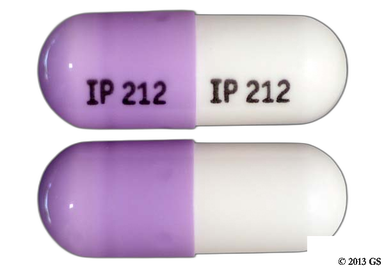
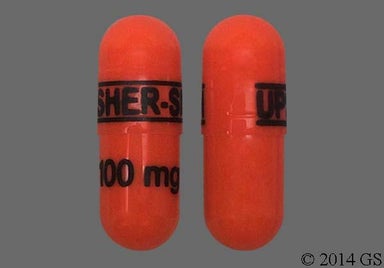
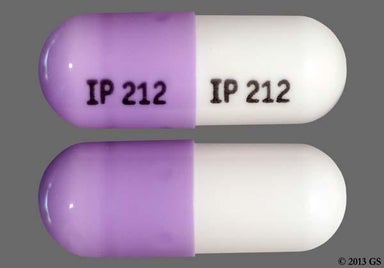
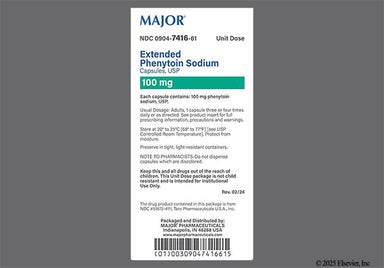
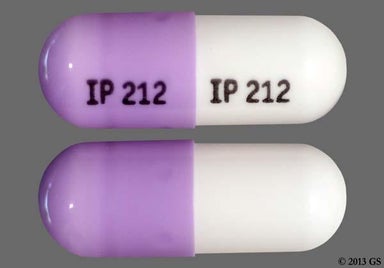
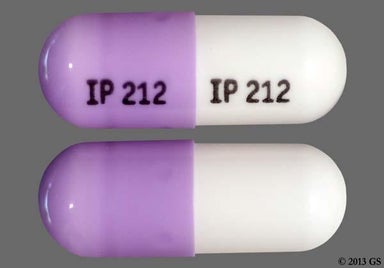
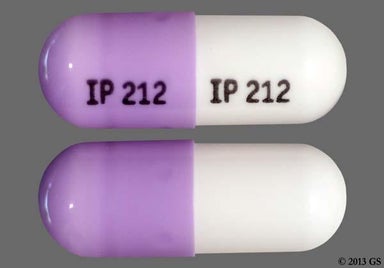
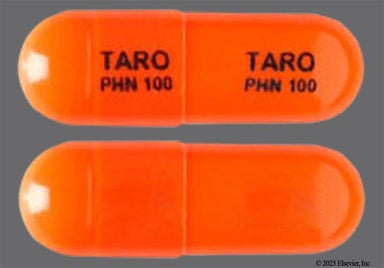
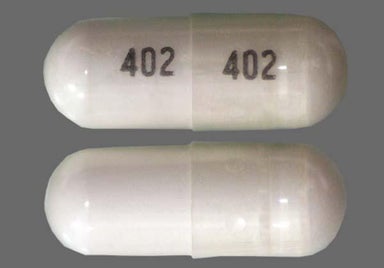
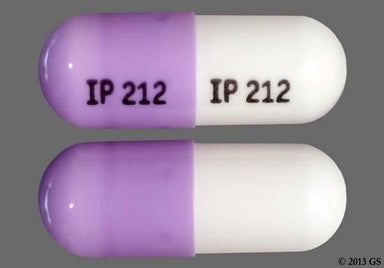
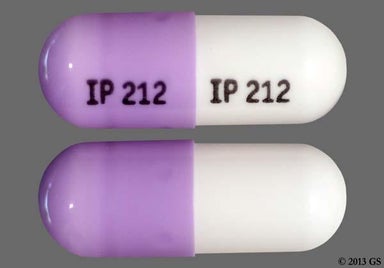
Phenytoin (Dilantin) is an antiepileptic medication used to treat and prevent seizures in adults and children. It comes in a capsule, chewable tablet, and liquid suspension that you take by mouth. The dose depends on your age, weight, and how well your seizures are controlled. Common side effects include trouble with coordination, unpredictable eye movements, and sleepiness. You’ll need regular blood tests to avoid toxicity, which is when the amount of medication in your body is too high and could be dangerous.

Phenytoin (Dilantin) is an antiepileptic medication. It's not fully understood how phenytoin works, but it's believed to help reduce seizures by calming overactive nerve signals in the brain.
| Common Brands | Dilantin, Phenytek |
|---|---|
| Drug Class | Antiepileptic |
| Controlled Substance Classification | Not a controlled medication |
| Generic Status | Lower-cost generic available |
| Availability | Prescription only |

The following side effects may get better over time as your body gets used to the medication. Let your healthcare provider know immediately if you continue to experience these symptoms or if they worsen over time.
Contact your healthcare provider immediately if you experience any of the following.
Along with its needed effects, a medicine may cause some unwanted effects. Although not all of these side effects may occur, if they do occur they may need medical attention.
Check with your doctor immediately if any of the following side effects occur:
More common
Decreased coordination
mental confusion
nervousness
slurred speech
trouble with breathing, speaking, or swallowing
unsteadiness, trembling, or other problems with muscle control or coordination
Rare
Inability to move the eyes
increased blinking or spasms of the eyelid
shakiness and unsteady walk
shakiness in the legs, arms, hands, or feet
sticking out of the tongue
trembling or shaking of the hands or feet
twitching, twisting, or uncontrolled repetitive movements of the tongue, lips, face, arms, or legs
uncontrolled twisting movements of the neck, trunk, arms, or legs
unusual facial expressions
Incidence not known
Bleeding gums
blistering, peeling, or loosening of the skin
blisters, hives, itching, skin rash
bloating of the abdomen or stomach
blood in the urine or stools
bloody, black, or tarry stools
chest pain or discomfort
chills
dark urine
difficulty with moving
fainting spells
fever with or without chills
general feeling of discomfort or illness
general feeling of tiredness or weakness
headache
high fever
hoarseness
irritation in the mouth
joint or muscle pain
light-colored stools
lightheadedness or dizziness
lower back or side pain
muscle stiffness
numbness, tingling, or pain in the hands or feet
painful or difficult urination
pale skin
pinpoint red spots on the skin
red skin lesions, often with a purple center
red, irritated eyes
redness and swelling of the gums
slow or irregular heartbeat
sores, ulcers, or white spots on the lips or in the mouth
stomach pain
swollen, painful, or tender lymph glands in the neck, armpit, or groin
unusual bleeding or bruising
unusual tiredness or weakness
upper right abdominal or stomach pain
vomiting
yellow eyes or skin
Some side effects may occur that usually do not need medical attention. These side effects may go away during treatment as your body adjusts to the medicine. Also, your health care professional may be able to tell you about ways to prevent or reduce some of these side effects. Check with your health care professional if any of the following side effects continue or are bothersome or if you have any questions about them:
More common
Trouble sleeping
uncontrolled eye movements
Incidence not known
Difficulty having a bowel movement
enlarged lips
feeling of constant movement of self or surroundings
increased hair growth on the forehead, back, arms, or legs
pain of the penis on erection
sensation of spinning
Other side effects not listed may also occur in some patients. If you notice any other effects, check with your healthcare professional.
Call your doctor for medical advice about side effects. You may report side effects to the FDA at 1-800-FDA-1088.




Phenytoin (Dilantin) can cause some serious health issues. This risk may be even higher for certain groups. If this worries you, talk to your doctor or pharmacist about other options.
Don't stop taking phenytoin (Dilantin) suddenly, as this can lead to a dangerous condition called status epilepticus. This happens when a seizure lasts longer than 5 minutes or when multiple seizures occur close together without full recovery in between. If you want to stop taking phenytoin (Dilantin), talk to your neurologist first. They can help create a safe plan to slowly reduce your dose or switch you to a different seizure medication.
Like many other antiseizure medications, phenytoin (Dilantin) can raise the risk of suicidal thoughts or behavior as early as one week after starting treatment and can continue as long as you take it. If you or a loved one notice mood changes, worsening depression, or thoughts of self-harm, talk to a healthcare professional right away. Your prescriber will consider the risks and benefits of this medication based on your condition.
In rare cases, phenytoin (Dilantin) can cause severe, life-threatening skin reactions including toxic epidermal necrolysis (TEN), Stevens-Johnson syndrome (SJS) and . Drug Reaction with Eosinophilia and Systemic Symptoms (DRESS). These reactions usually appear within the first month of treatment but can happen later. Stop taking phenytoin (Dilantin) immediately if you develop a rash unless your prescriber confirms it's unrelated. Don't take this medication if you've ever had an allergic reaction to it or to similar medications like carbamazepine. Get medical help if you have rash, swollen lymph nodes, fever, facial swelling, blisters, or skin peeling. DRESS can also damage important organs like your liver, kidneys, or heart, leading to other serious symptoms. Let your prescriber know right away if you experience yellowing of the skin or eyes, nausea, vomiting, or reduced appetite.
Some people taking phenytoin (Dilantin) have experienced angioedema, a serious condition that causes swelling in the face, lips, or throat, which can make breathing difficult. If you notice any of these symptoms, stop taking this medication and get medical help right away.
Phenytoin (Dilantin) can slow your heart rate and sometimes cause your heart to stop working (cardiac arrest). If you notice symptoms like dizziness, fainting, or a very slow heartbeat, contact your prescriber right away.
Phenytoin (Dilantin) can cause serious liver damage, including rare cases of liver failure. This can happen on its own or as part of a severe allergic reaction (DRESS). Tell your prescriber if you develop symptoms of liver problems like yellowing of the skin or eyes (jaundice), fever, nausea, vomiting, or stomach pain.
Although rare, phenytoin (Dilantin) can lower the amount of important blood cells in your body, such as white blood cells, platelets, and red blood cells. In rare cases, these conditions can be life-threatening. Let your prescriber know if you have unusual bruising, infections, swollen lymph nodes, tiredness while taking this medication.
Long-term use of phenytoin (Dilantin) might weaken your bones and raise your risk of osteopenia, osteoporosis, or fractures. This happens because the medication speeds up how your body breaks down vitamin D, which can lead to low vitamin D, calcium, and phosphorus levels. Your prescriber might check your bone health with lab tests or scans and recommend treatment if needed. Talk to them about ways to keep your bones strong while taking this medication.
Phenytoin (Dilantin) can cause harm to an unborn baby. Babies exposed to this medication before birth might have a higher risk of birth defects, including cleft lip, heart problems, and growth delays. If you're pregnant or planning to become pregnant, talk to your prescriber about the risks and benefits of this medication. If you take phenytoin (Dilantin) while pregnant, consider enrolling in the North American Antiepileptic Drug (NAAED) Pregnancy Registry. This registry helps researchers study the safety of seizure medications during pregnancy.
phenytoin (Dilantin) might raise your blood sugar levels by affecting how your body releases insulin. If you have diabetes, this could make it harder to manage your blood sugar. Talk to your prescriber if you notice any changes when checking your blood sugar.
If your phenytoin (Dilantin) levels get too high, you might experience confusion, delirium, psychosis, or encephalopathy. In rare cases, it can cause permanent brain damage affecting coordination and balance. If you notice confusion or other mental changes, contact your prescriber right away. Your prescriber might check your blood levels and lower your dose if needed. If symptoms don’t improve, you might need to stop taking the medication.

 Capsule
| Dosage | Quantity | Price as low as | Price per unit |
|---|---|---|---|
| 200mg | 90 capsules | $39.75 | $0.44 |
| 100mg | 120 capsules | $26.75 | $0.22 |
| 300mg | 30 capsules | $27.45 | $0.92 |
 Chewable tablet
| Dosage | Quantity | Price as low as | Price per unit |
|---|---|---|---|
| 50mg | 90 chewable tablets | $21.82 | $0.24 |
 Ml of oral suspension
| Dosage | Quantity | Price as low as | Price per unit |
|---|---|---|---|
| 125mg/5ml | 237 ml | $18.94 | $0.08 |

Although certain medicines should not be used together at all, in other cases two different medicines may be used together even if an interaction might occur. In these cases, your doctor may want to change the dose, or other precautions may be necessary. When you are taking this medicine, it is especially important that your healthcare professional know if you are taking any of the medicines listed below. The following interactions have been selected on the basis of their potential significance and are not necessarily all-inclusive.
Using this medicine with any of the following medicines is not recommended. Your doctor may decide not to treat you with this medication or change some of the other medicines you take.
Using this medicine with any of the following medicines is usually not recommended, but may be required in some cases. If both medicines are prescribed together, your doctor may change the dose or how often you use one or both of the medicines.
Using this medicine with any of the following medicines may cause an increased risk of certain side effects, but using both drugs may be the best treatment for you. If both medicines are prescribed together, your doctor may change the dose or how often you use one or both of the medicines.


Contraindications are specific health conditions or situations in which a person should not take a medication due to safety concerns. If you have any of the following conditions or if any of the following apply to you, let your healthcare provider know because Phenytoin (Dilantin) will not be safe for you to take.














Prescription savings
Stop paying too much for your prescriptions. Compare prices, get pharmacy coupons, and save up to 80%. Find expert answers to your health questions so you can make the best decisions for yourself and your family.
Health conditions
Medications & treatment
Access & affordability
Medication discounts

Phenytoin and Dilaudid (hydromorphone) are very different medications. Phenytoin is an antiepileptic used to prevent and treat seizures, while Dilaudid (hydromorphone) is an opioid used for severe pain relief when other pain medications don't work. Speak with your prescriber if you have questions about the differences between these medications.
Yes, you can take gabapentin with Phenytoin, but only if your neurologist prescribes them together. Both medications help treat seizures, but they work in different ways. Since sleepiness is a common side effect of both, avoid driving or doing tasks that require focus until you know how these medications affect you.
No, Phenytoin isn't considered a controlled substance since it doesn't have a risk for addiction and dependence.
On average, Phenytoin stays in your system for about 4 to 5 days after a dose. This is based on its half-life, which estimates how long it takes the medication to leave your body.
Your Phenytoin levels can change if you miss doses, take them at different times, or if your dose is adjusted too quickly. Certain medications, like acid reducers, antifungals, and some antidepressants, can also affect how your body processes Phenytoin. Drinking alcohol can make your levels go up or down. If you notice side effects or feel different, talk to your prescriber to make sure your dose is right for you.
Pregnant women can take Phenytoin, but there are risks. Phenytoin can raise the risk of serious birth defects, such as cleft lip, heart problems, or growth delays. To help researchers better understand these risks, you might consider joining the North American Antiepileptic Drug (NAAED) Pregnancy Registry. It's important to speak with your prescriber if you're pregnant or planning to become pregnant. They can help weigh the risks and benefits and might adjust your treatment to keep you and your baby as safe as possible.
Some people might notice fewer seizures within a few days of starting Phenytoin, but it can take up to 4 weeks for the medication to work at its best. During this time, you might still have seizures, but they should happen less often. Your prescriber will monitor your blood levels to make sure you’re getting the right dose — too little might not work, and too much can cause side effects.

