Key takeaways:
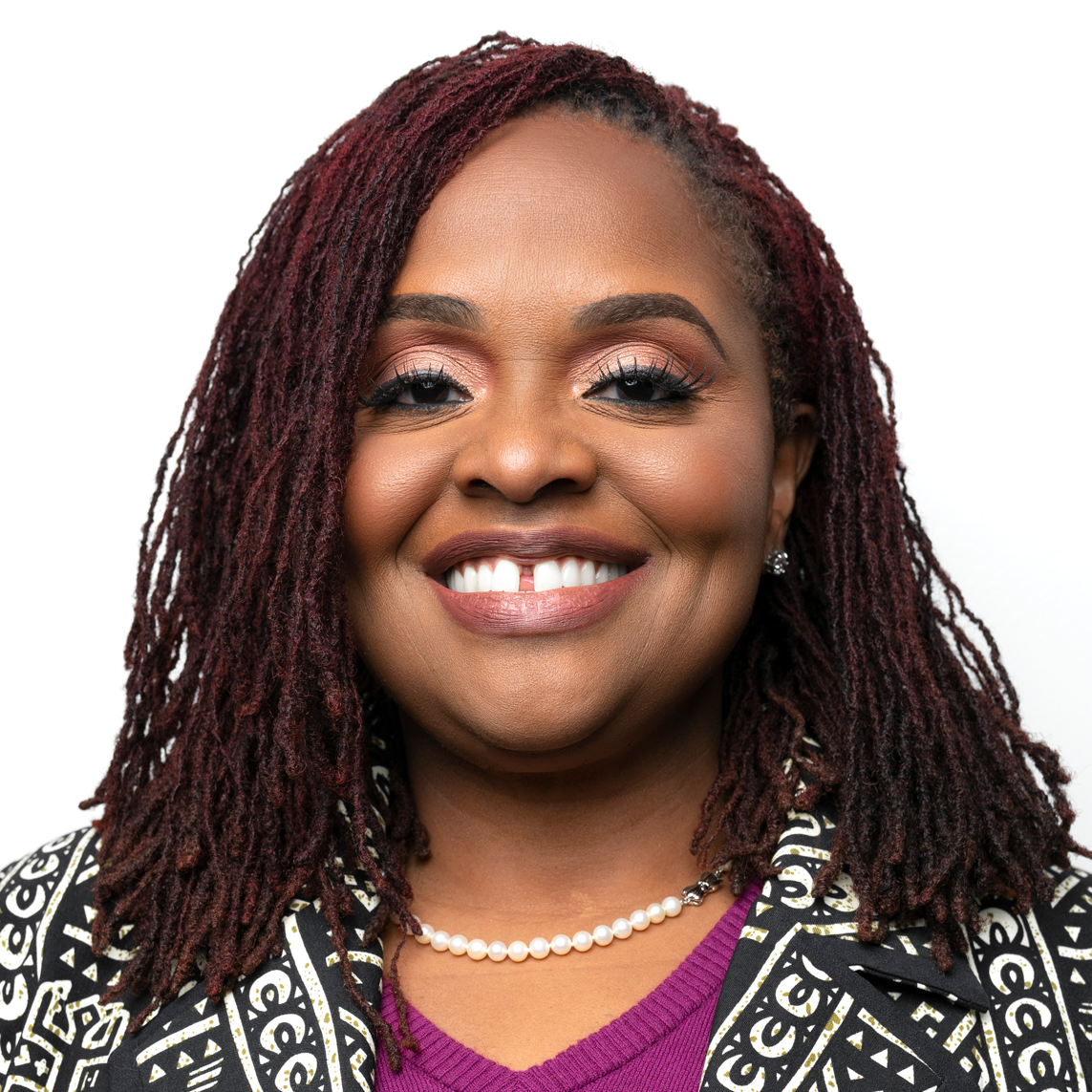
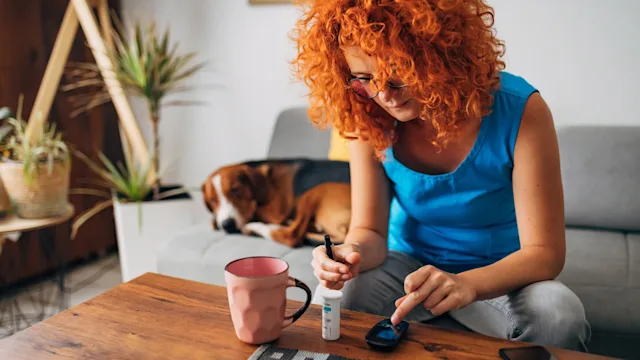
Rasheda Hatchett started taking Ozempic because she has Type 2 diabetes.
She says the medication has helped her lower her blood sugar level, and it helps to curb her appetite.
The biggest change she has made since she started taking Ozempic is adding a lot more protein to her diet.
Save on related medications
Rasheda Hatchett realized in the spring of 2023 that she was going through a lot of stress.
She also had a history of ups and downs with her weight and blood sugar levels. And she found that when she visited the doctor for a checkup, it was a good wake-up call to manage her health.
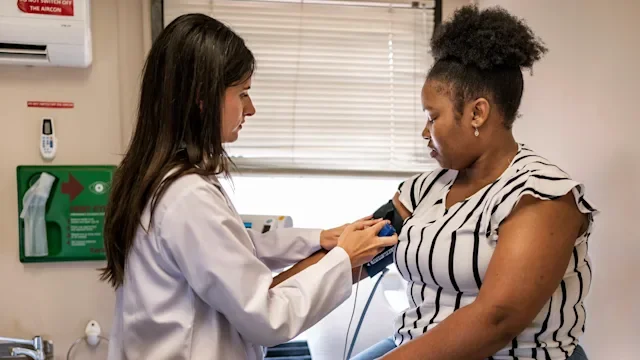
“I went in to see my provider, and I kind of knew I wasn’t taking good care of myself,” Rasheda says. But she wanted to see some lab results to be certain.
Search and compare options
“There’s something about those labs that kicks me into high gear,” Rasheda says. The results showed that her hemoglobin A1C — a blood test that estimates the level of glucose (sugar) in your blood over the last 2 to 3 months — was about 12.2%. Experts say people with diabetes should aim to keep their hemoglobin A1C below 7%.
“I was devastated,” Rasheda says. “I was like, ‘Oh, my gosh, that is higher than it’s ever been — ever.’ Ever, in the history of me [having Type 2 diabetes].”
Ozempic helped her make healthy changes
Over the course of 20 years, Rasheda — a 42-year-old nursing consultant and coach near Tacoma, Washington — says her health ebbed and flowed. Sometimes, she made good lifestyle choices that kept her diabetes under control. Now, she knew she needed to make a change to get healthier.


“12.2 [A1C] was crazy pants for me,” she says. “So I made a decision that day that I was going to shift some things in the way that I was eating. So, I threw away my cookies. I threw everything away. I really kicked my health into high gear. I got rid of all the things that I knew I was eating that were really bad for me. And really just started digging into eating well.”
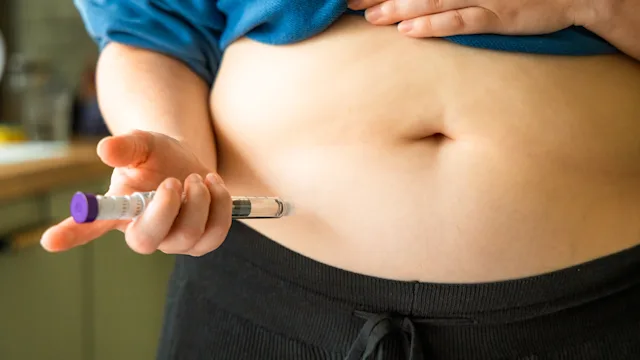
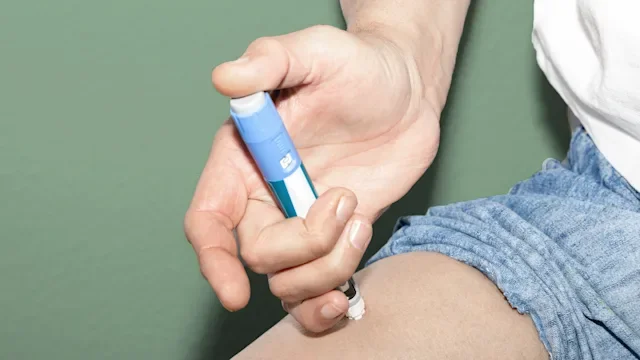
That's also when her doctor prescribed Ozempic to help her manage her diabetes. Ozempic (semaglutide) is a weekly injection that helps lower blood sugar. The medication slows digestion and has the added benefit of helping Rasheda to curb her appetite.
Lowering her A1C was a bigger goal than losing weight
Rasheda, a registered nurse, is no stranger to what it takes to be healthy. She decided to stick to her doctor's orders to take her medication and make lifestyle changes.
“So far, I have lost about 35 pounds,” she says, nearly 6 months since starting her new routine. “But the biggest impact has been my A1C moving from 12 to 7.”
The results didn’t just come from taking Ozempic, she says.
“It’s a combination of the medication, what I’m eating, and the discipline,” she says.
She’s moving her body more than she used to by doing things like walking. She’s also more careful about food choices, and she takes a multivitamin and vitamin D to make sure she gets her daily nutrients.
The biggest change in her food intake, though, she says, is "protein, protein, protein."
How she gets more protein in her diet
Adding additional protein to her diet makes her feel more full, Rasheda says. She tracks how much protein she gets, whether it’s food or protein shakes.
“All of what I’m doing is medically supervised,” she says. “My doctor wants me to be taking in between 80 to 90 grams of protein a day.”
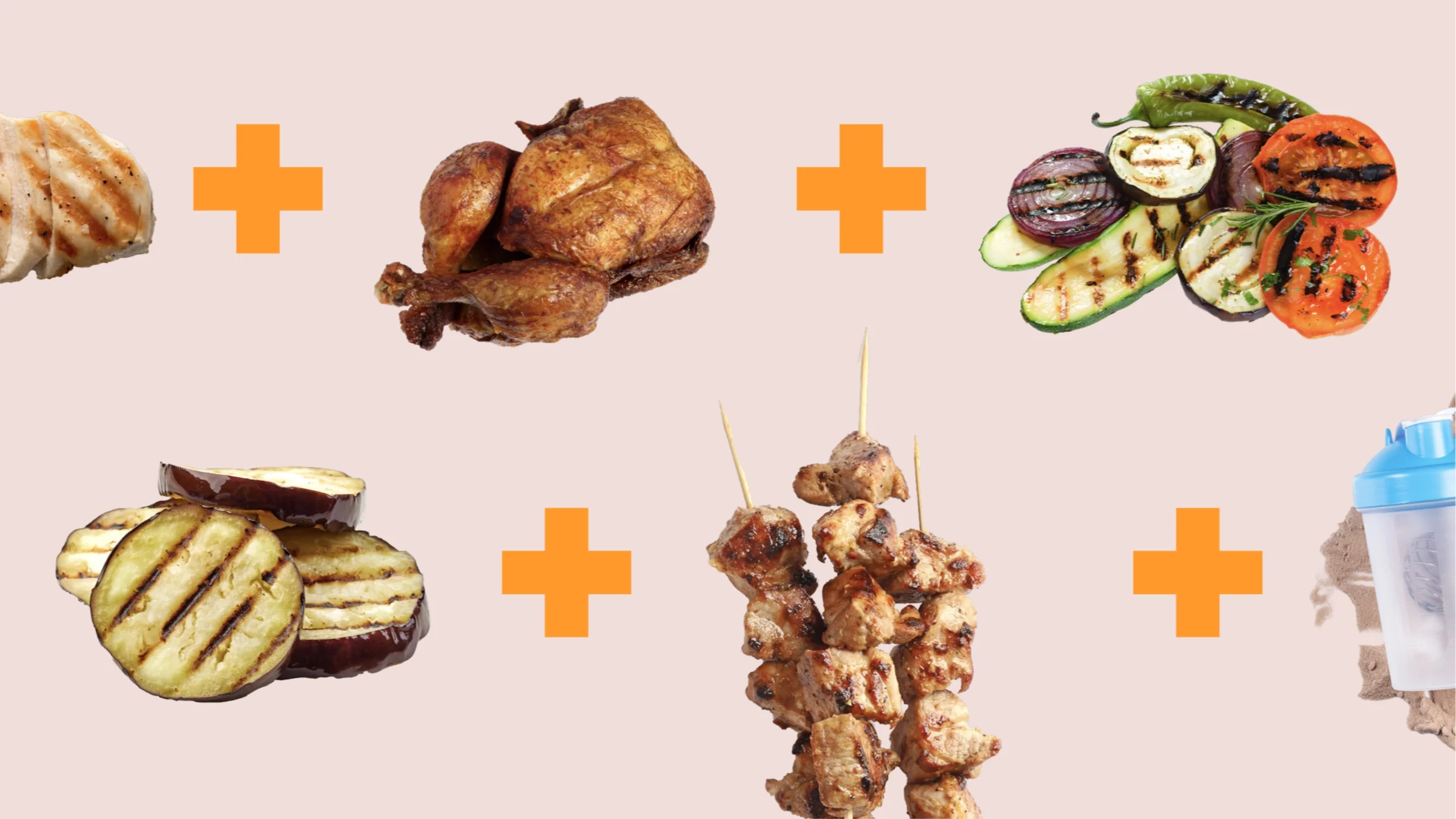
She typically eats lean protein like chicken or turkey, vegetables, and high-protein drinks.
What it’s like to take Ozempic
Rasheda takes Ozempic every Friday. At least, that’s her routine when her pharmacy has Ozempic in stock.
“One of the hardest things about taking Ozempic is being able to get it,” she says. “And that’s been a frustrating piece, I will say. It has gone on backorder so much because there are so many places using it for weight loss and not for diabetes. And so that’s been hard.”
She started on a 0.25 mg dose and eventually moved up to a 1 mg dose, which she found suppressed her appetite but didn’t really help her lose weight. She and her doctor found the 0.25 mg dose works better for her.
“The biggest side effect that I had when I went up a dose was noticing that I wasn’t having regular bowel movements,” she says. “But that was really because I wasn’t eating very much at all.”
At the 0.25 mg dose, she feels more regular, she says.
“I do still get hungry,” she says. “I do still eat. I don’t eat a whole lot. And I stay fuller longer.”
She also finds that smaller doses are more readily available at her pharmacy.
Every bite matters
Rasheda says not having a large appetite helps her stay on track with her eating. The key to success is focusing on what food she needs to get her protein.
“What I eat has to matter,” she says. “I have to get my protein in. I don’t have the luxury of being like, ‘You know what? My A1C’s pretty good. I’ll have a piece of cake.’ And that’ll be what I eat. Because there’s no protein, and I gotta get my protein in. Otherwise, my body’s going to be eating muscle, which is just not an option for me.”
Her advice for others is: “Trust the process,” she says. “That first beginning dose, you might not feel like anything is happening. But trust the process and keep moving forward with it. Because it can be a really helpful tool to get you to where you need to be.”
As for nutrition, Rasheda recommends you learn to listen to your body. Ozempic is not meant to keep you in starvation mode, she says. It’s a tool that helps you feel fuller longer.
“If something feels off, talk to your provider about it,” she says.
And if you make every bite a good one, you can see real improvement in your health in a short amount of time.

Why trust our experts?