Key takeaways:
Your gallbladder is an organ that stores and releases a substance called bile, which helps with digestion. Ozempic causes your gallbladder to empty more slowly.
Research shows that people who take Ozempic may have a slightly increased risk for gallstones and gallbladder infection. But these conditions are still relatively rare.
If you have gallstones, you can still take Ozempic. But it’s worth talking this over with a healthcare professional before you start taking it.
Save on related medications
Any time you’re starting a new medication, it’s important to weigh the benefits with the possible risks and side effects. Ozempic has many benefits for people with diabetes, like decreasing the risk of heart attack and stroke. But among its risks is the potential for gallbladder problems. This is good to keep in mind if you’ve had problems with your gallbladder before, or if you have any particular concern about this side effect. Here, we’ll walk you through exactly how Ozempic affects your gallbladder.
How does Ozempic affect the gallbladder?
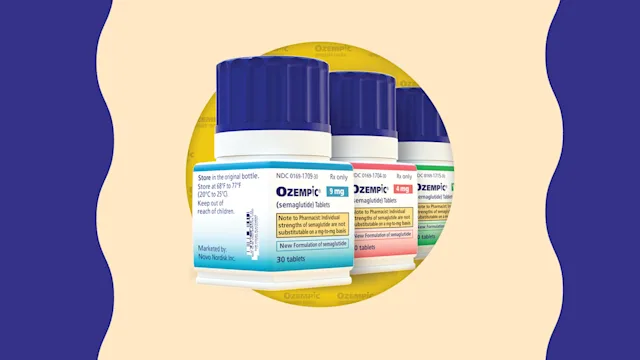
Ozempic (semaglutide) — like other glucagon-like peptide-1 (GLP-1) agonists — acts like a hormone in your body called GLP-1. This hormone affects different parts of the digestion process.
To understand how Ozempic affects the gallbladder, it helps to first understand your gallbladder’s role in digestion. When food enters your intestine, it needs to break down the sugars, proteins, and fats in your food so they can be absorbed. To do this, the intestines need the help of a chemical called bile.
Search and compare options
Bile is made in the liver and then stored in the gallbladder. As food enters the intestines, the gallbladder releases stored bile to help with digestion.
Ozempic affects several steps of the digestion process, like slowing down stomach emptying. It affects the gallbladder specifically in these ways:
It tells your liver to make less bile acid.
It tells your gallbladder not to empty.
This effect on the gallbladder usually doesn’t lead to any serious problems. But it can.
Can Ozempic cause gallbladder problems?
Yes, Ozempic can cause problems with the gallbladder. More specifically, it can lead to gallstones.
Gallstones happen when the bile acid inside of the gallbladder hardens into stones. Sometimes, these stones just hang out in the gallbladder without causing problems. Other times, the gallstones can get stuck when the gallbladder squeezes to empty. This can lead to episodes of pain when your body is digesting. And if the gallstone remains stuck, it can progress to gallbladder swelling and infection. This is a more serious condition called cholecystitis.
There are two main ways that Ozempic might cause gallbladder problems:
As bile remains in the gallbladder for longer, it’s more likely to harden into stones.
Any type of rapid weight loss can increase your risk of gallstones.
Scientists performed a large-scale review of all the research on GLP-1 agonists (including Ozempic) and gallbladder problems. They found that people who take semaglutide have an increased risk for gallstones and gallbladder infection. More specifically, the risk was increased for people who:
Take higher doses (1.0 mg or more) for longer periods of time
Take semaglutide for weight loss instead of diabetes
But even though the risk for gallbladder problems was increased, these problems were still very rare. When taking Ozempic, only about 1 in 100 people developed gallstones. And only about 1 in 1,000 people developed gallbladder infections.
What are the symptoms of gallbladder side effects from Ozempic?
Your gallbladder is next to your liver. It’s in the upper-right part of your abdomen, just below your ribcage. If you have gallstones, you may experience pain (often called gallbladder attacks) in this area. These are episodes of pain that:
Often happen after eating, especially meals with more fatty foods
Last for minutes or for hours
Can cause nausea or vomiting
When gallstones get stuck, an infection of the gallbladder can happen. Symptoms of gallbladder infection include:
Pain in the upper part of the abdomen that doesn’t go away
Loss of appetite
Nausea and vomiting
Fever
Yellowing of the skin or of the eyes (jaundice)
How serious are gallbladder issues from taking Ozempic?
Gallstone issues can be serious. They can be painful and can significantly affect your quality of life. Treatment can sometimes include surgery to remove the entire gallbladder.
If gallstones lead to an infection of the gallbladder, this can be life-threatening. Without treatment, the infection can spread to other organs or to your bloodstream. So, it’s important to go to your nearest emergency room (ER) if you experience the symptoms of infection listed above. The treatment usually includes hospitalization, antibiotics, and surgery.
How to avoid gallstones on Ozempic
You may not be able to avoid gallstones while taking Ozempic. But there are things you can do to lower your risk.
Here are some diet changes that can help prevent gallstones:
Making sure you’re getting enough fiber.
Avoid eating too many high-fat foods in one sitting.
Limit refined carbohydrates and added sugars.
Even though rapid weight loss can increase your risk for gallstones, so can obesity. So, if you’re losing weight while on Ozempic, this may lower your risk of gallstones. But it’ll help to do so at a steady pace rather than quickly.
Frequently asked questions
Overall, gallbladder issues are rare with Ozempic. Less than 2% of people on Ozempic had a gallbladder problem after taking the medication. And keep in mind that this doesn’t necessarily mean Ozempic caused the gallbladder problem. These people may have been prone to them with or without the medication.
Yes, you can take Ozempic after gallbladder removal surgery.
You can take Ozempic if you’ve had gallstones in the past. But it’s a good idea to talk this over with a healthcare professional before you start the medication. They can help you weigh the risks and benefits. And they can also talk through other alternative treatments that don’t increase your risk for more gallstones.
Overall, gallbladder issues are rare with Ozempic. Less than 2% of people on Ozempic had a gallbladder problem after taking the medication. And keep in mind that this doesn’t necessarily mean Ozempic caused the gallbladder problem. These people may have been prone to them with or without the medication.
Yes, you can take Ozempic after gallbladder removal surgery.
You can take Ozempic if you’ve had gallstones in the past. But it’s a good idea to talk this over with a healthcare professional before you start the medication. They can help you weigh the risks and benefits. And they can also talk through other alternative treatments that don’t increase your risk for more gallstones.
The bottom line
For many people with diabetes, the benefits of Ozempic (semaglutide) outweigh the risks. It decreases the risk of a heart attack, stroke, and even death from heart problems. In comparison, the increased risk for gallbladder problems is small. But it’s still important to be aware of how Ozempic increases the risk for gallstones, which can lead to infections of the gallbladder. This way, you know when to get emergency care for symptoms of these conditions.

Why trust our experts?



References
Aroda, V. R., et al. (2023). Safety and tolerability of semaglutide across the SUSTAIN and PIONEER phase IIIa clinical trial programmes. Diabetes, Obesity, and Metabolism.
He, L., et al. (2022). Association of glucagon-like peptide-1 receptor agonist use with risk of gallbladder and biliary diseases: A systematic review and meta-analysis of randomized clinical trials. JAMA Internal Medicine.
National Institute of Diabetes and Digestive and Kidney Diseases. (2017). Dieting & gallstones.