




The Best Ear Infection Treatments: Antibiotics and OTC Medications
Many ear infections resolve on their own, but sometimes you’ll need medication. See the best ear infection treatments, including antibiotics and home remedies.
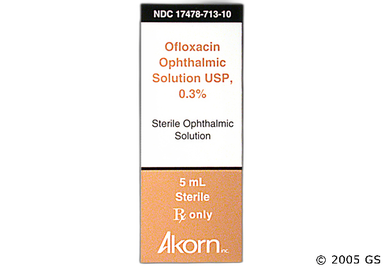
Ofloxacin is an antibiotic that treats many types of bacterial infections. It's available as an oral (by mouth) tablet typically taken twice daily. But the dosage and length of treatment depends on what type of infection you have and how serious it is. Nausea and trouble sleeping (insomnia) are possible side effects.

Ofloxacin is a fluoroquinolone (or "quinolone") antibiotic. It works by blocking certain enzymes (proteins) that bacteria use to grow and repair their genetic material (DNA) in order to survive. By blocking this process, the antibiotic kills bacteria.
| Common Brands | Floxin |
|---|---|
| Drug Class | Fluoroquinolone antibiotic |
| Controlled Substance Classification | Not a controlled medication |
| Generic Status | Lower-cost generic available |
| Availability | Prescription only |

The following side effects may get better over time as your body gets used to the medication. Let your healthcare provider know immediately if you continue to experience these symptoms or if they worsen over time.
Contact your healthcare provider immediately if you experience any of the following.
Along with its needed effects, a medicine may cause some unwanted effects. Although not all of these side effects may occur, if they do occur they may need medical attention.
Check with your doctor immediately if any of the following side effects occur:
Rare
Puffiness or swelling of eyes
signs of an allergic reaction, such as hives, itching, rash, swelling of face or lips, tightness in chest, troubled breathing, or wheezing
Check with your doctor as soon as possible if any of the following side effects occur:
Rare
Dizziness
Some side effects may occur that usually do not need medical attention. These side effects may go away during treatment as your body adjusts to the medicine. Also, your health care professional may be able to tell you about ways to prevent or reduce some of these side effects. Check with your health care professional if any of the following side effects continue or are bothersome or if you have any questions about them:
More common
Burning of eye
Other side effects not listed may also occur in some patients. If you notice any other effects, check with your healthcare professional.
Call your doctor for medical advice about side effects. You may report side effects to the FDA at 1-800-FDA-1088.




Ofloxacin can cause some serious health issues. This risk may be even higher for certain groups. If this worries you, talk to your doctor or pharmacist about other options.
 Quinolone antibiotics like ofloxacin can raise your risk of inflammation in the tendon (tendonitis) or tearing of the tendon. This most often happens at the Achilles tendon, which is above your heel. But it can affect other tendons throughout your body too (e.g., shoulder, hand). Tendon damage can happen at any time after you start ofloxacin or up to several months after stopping the medication. If you experience pain or swelling in your joints or muscles, stop taking ofloxacin and contact your provider right away.
Fluoroquinolone antibiotics like ofloxacin can raise your risk of seizures, dizziness, and tremors. This medication can also put you at risk for nerve damage that can happen shortly after starting treatment. Nerve damage can feel like pain, numbness, tingling, burning, weakness, and changes in sensations related to touch or temperature.
 Ofloxacin can also raise your risk of depression, suicidal thoughts or behavior, aggressive behavior, psychosis, nervousness, trouble sleeping, and confusion. These changes in behavior or thoughts can happen even after just one dose of medication. If you experience any of these side effects, get medical help right away or contact your provider. They can help manage your treatment.
If you have myasthenia gravis, taking ofloxacin can worsen symptoms like muscle weakness and difficulty breathing. Ask your provider about using a different antibiotic if you have myasthenia gravis.
Severe allergic reactions to ofloxacin are possible, including life-threatening reactions like facial swelling, shock, and anaphylaxis (e.g., closing of the throat). If you notice hives, rash, swelling of the lips or tongue, or difficulty breathing after taking ofloxacin, get medical attention right away.
Additionally, ofloxacin can cause rare but serious skin reactions, such as Stevens-Johnson syndrome (SJS). If you notice changes in your skin, such as rash, blisters, or skin reddening or peeling, stop using ofloxacin and get medical attention as soon as possible.
Although rare, some people taking ofloxacin have had serious liver problems. This can happen 2 days to 2 weeks after starting the medication. Get medical attention if you notice stomach bloating or pain, yellowing of your skin or the whites of your eyes, stool changes (black, tarry, or bloody stools), or dark or brown urine. You might need to stop using the antibiotic to prevent further liver damage.
Ofloxacin can raise your risk of getting infected with a bacteria called Clostridioides difficile (C. diff). This infection can cause severe diarrhea. Antibiotics change the amount of normal bacteria in your stomach and intestines. This can cause C. diff to overgrow in your gut and lead to an infection. It's important to recognize the difference between diarrhea as a side effect of ofloxacin and this type of infectious diarrhea. C. diff-related diarrhea can cause rapid heart rate, foul-smelling diarrhea, fever, nausea, frequent bowel movements (even up to 15 times per day) and is an emergency. If you have any of these symptoms, get medical attention immediately so you can get tested for C. diff infection and receive treatment.
Ofloxacin makes your skin more sensitive to the sun or ultraviolet (UV) light. This means you can get sunburns more easily than usual. This can happen even during the winter and on overcast days. To lower your risk, make sure to wear sunscreen when going outside and wear long-sleeved clothing to protect your skin. Also avoid being exposed to light or sun for a long time.
In studies, there was a higher rate of severe damage to the aorta within 2 months of finishing ofloxacin treatment, especially in older adults. The aorta is the largest blood vessel in the body, and it delivers blood to the rest of your body. Damage to the aorta, such as weakening and tearing, can be severe and life-threatening. Talk with your provider if you have a history of an aortic aneurysm since ofloxacin might not be the best medication for you. If you experience sudden pain in the chest, back, or stomach that's severe and doesn't go away, call 911 or go to the emergency room right away.
Ofloxacin can affect your heart rhythm, which can be serious and life-threatening. One example includes lengthening the time it takes for your heart to pump and then relax. This is known as QT prolongation. Your risk for QT prolongation is higher if you have certain factors, including abnormal electrolyte levels, heart rhythm problems, or are taking other medications that cause heart rhythm problems, such as amiodarone (Pacerone), among others. If you feel your chest pounding, have shortness of breath or chest pain, or feel faint or lightheaded while taking ofloxacin, call 911 right away.

 Tablet
| Dosage | Quantity | Price as low as | Price per unit |
|---|---|---|---|
| 400mg | 3 tablets | $24.45 | $8.15 |
| 200mg | 30 tablets | $107.50 | $3.58 |
| 300mg | 14 tablets | $51.76 | $3.70 |
The dose and length of treatment depends on what type of infection you have and how serious it is. Your provider will determine the right dose and length of treatment for you. Your dose might differ if you have kidney problems. In general:

Although certain medicines should not be used together at all, in other cases two different medicines may be used together even if an interaction might occur. In these cases, your doctor may want to change the dose, or other precautions may be necessary. When you are taking this medicine, it is especially important that your healthcare professional know if you are taking any of the medicines listed below. The following interactions have been selected on the basis of their potential significance and are not necessarily all-inclusive.
Using this medicine with any of the following medicines is not recommended. Your doctor may decide not to treat you with this medication or change some of the other medicines you take.
Using this medicine with any of the following medicines is usually not recommended, but may be required in some cases. If both medicines are prescribed together, your doctor may change the dose or how often you use one or both of the medicines.
Using this medicine with any of the following medicines may cause an increased risk of certain side effects, but using both drugs may be the best treatment for you. If both medicines are prescribed together, your doctor may change the dose or how often you use one or both of the medicines.


Contraindications are specific health conditions or situations in which a person should not take a medication due to safety concerns. If you have any of the following conditions or if any of the following apply to you, let your healthcare provider know because Ofloxacin will not be safe for you to take.




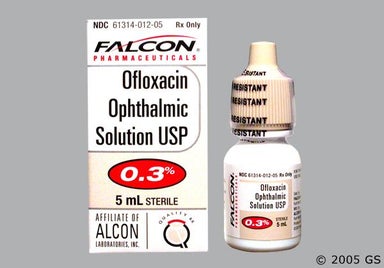
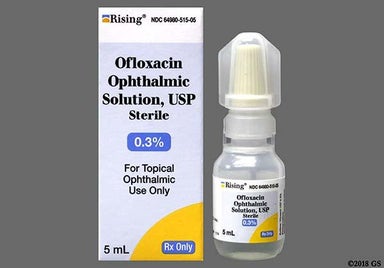
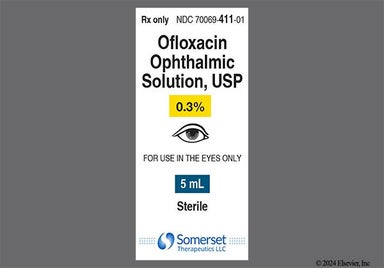
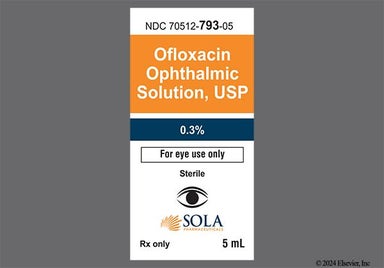
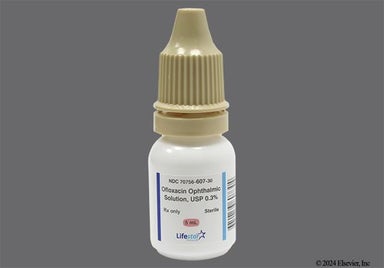
Prescription savings
Stop paying too much for your prescriptions. Compare prices, get pharmacy coupons, and save up to 80%. Find expert answers to your health questions so you can make the best decisions for yourself and your family.
Health conditions
Medications & treatment
Access & affordability
 Our monthly healthcare membership can help you save thousands on your prescription costs.
Resources

Yes, Ofloxacin is an oral (by mouth) antibiotic used to treat several different types of bacteria infections throughout the body.
No, Ofloxacin is not a corticosteroid. It's an antibiotic that's used to treat bacteria infections.
Yes, you can safely take Ofloxacin even if you're allergic to penicillin. Ofloxacin is a fluoroquinolone antibiotic while penicillin is a beta-lactam antibiotic. While both medications can be used to treat similar infections, they work differently in your body. If you're allergic to one, it doesn't mean you'll be allergic to the other.
When you take an antibiotic, like Ofloxacin, you'll likely begin to feel better within 1 to 3 days. But it's important to finish the full course of Ofloxacin even if you feel better. If you are feeling worse at any point while taking this medication, check back with your healthcare provider because Ofloxacin might not be working well against the bacteria causing your infection, or you might have a viral or fungal infection that requires a different medication.
Both Ofloxacin and ciprofloxacin (Cipro) are fluoroquinolone antibiotics. But depending on your age or the type of infection you have, your provider might choose one over the other. For example, Ofloxacin isn't FDA-approved for children, but children can take ciprofloxacin (Cipro), though it isn't a first-choice antibiotic for this group. Also, Ofloxacin is a preferred treatment option for Chlamydia, whereas ciprofloxacin (Cipro) is FDA-approved for bone and joint, stomach, and ear infections. Talk with your provider if you have more questions about the differences between Ofloxacin and ciprofloxacin (Cipro).
Yes, diarrhea is a possible side effect of Ofloxacin, just like all antibiotics. If you experience diarrhea, you can try following the BRAT diet for a short while to help with your stomach upset. Also, ask your provider if it's safe for you to take over-the-counter diarrhea medications. But call your provider right away if you start having watery or bloody diarrhea, fever, fatigue, or stomach cramps anytime during treatment or after stopping Ofloxacin. These could be signs of serious infectious diarrhea that requires treatment.
It's recommended to avoid drinking alcohol while taking Ofloxacin, or any other antibiotic, because it could raise your risk for stomach side effects (e.g., nausea, vomiting, diarrhea). Drinking alcohol can also slow down the healing process from an infection and make it harder for you to recover since alcohol can weaken your immune system.
