






Medications That Cause Dehydration: 9 Drugs That May Leave You Feeling Thirsty
Dehydration is a side effect of many medicines, and it can be serious. Medications that cause dehydration include diuretics, laxatives, and chemotherapy drugs.
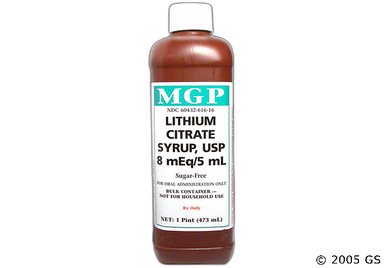
Lithium carbonate (or lithium) is a medication used to treat bipolar disorder and manic episodes. It's taken by mouth, typically 2 to 3 times a day. Lithium is available as instant-release pills and oral liquid as well as an extended-release tablet (brand name Lithobid). All lithium products are available as lower-cost generics. Lithium works well for treating bipolar disorder, but it can also cause side effects, such as shakiness, thirst, and nausea. To prevent lithium toxicity, your provider will check your blood lithium levels to make sure you're on a safe dose of the medication.

Lithium is a mood stabilizer. It's not known exactly how lithium works, but it's thought to affect the levels of certain chemicals in the brain that regulate mood.
| Common Brands | Lithobid |
|---|---|
| Drug Class | Antimanic |
| Controlled Substance Classification | Not a controlled medication |
| Generic Status | Lower-cost generic available |
| Availability | Prescription only |

The following side effects may get better over time as your body gets used to the medication. Let your healthcare provider know immediately if you continue to experience these symptoms or if they worsen over time.
Adults:
Children (7 to 17 years of age):
Adults:
Children (7 to 17 years of age):
Contact your healthcare provider immediately if you experience any of the following.
Along with its needed effects, a medicine may cause some unwanted effects. Although not all of these side effects may occur, if they do occur they may need medical attention.
Check with your doctor immediately if any of the following side effects occur:
Less common
Confusion, poor memory, or lack of awareness
fainting
fast, pounding, or irregular heartbeat or pulse
increased thirst
slow heartbeat
stiffness of the arms or legs
troubled breathing (especially during hard work or exercise)
unusual tiredness or weakness
Rare
Blue color and pain in the fingers and toes
coldness of the arms and legs
dizziness
headache
noise in the ears
vision problems
Incidence not known
Blurred vision
burning feeling in the chest or stomach
chills
cloudy urine
decreased urination
difficulty in speaking
eyeballs bulge out of the eye sockets
flushed, dry skin
fruit-like breath odor
general feeling of illness
increase in heart rate
increased hunger
increased urination
indigestion
irregular heartbeat, recurrent
large, hive-like swelling on the face, eyelids, lips, tongue, throat, hands, legs, feet, or genitals
lightheadedness
loss of balance control
loss of strength or energy
muscle pain or weakness
muscle trembling, jerking, or stiffness
paleness or cold feeling in the fingertips and toes
rapid breathing
restlessness or agitation
shakiness and unsteady walk
shuffling walk
stomach pain or upset
sugar in the urine
sunken eyes
swelling of the ankles or wrists
tenderness in the stomach area
tingling or pain in the fingers or toes when exposed to the cold
twisting movements of the bod
twitching
uncontrolled jerking or twisting movements of the hands, arms, or legs
uncontrolled movements, especially of the face, neck, and back
unexplained weight loss
unsteadiness, trembling, or other problems with muscle control or coordination
unusual drowsiness, dullness, or feeling of sluggishness
unusually strong reflexes
wrinkled skin
Get emergency help immediately if any of the following symptoms of overdose occur:
Some side effects may occur that usually do not need medical attention. These side effects may go away during treatment as your body adjusts to the medicine. Also, your health care professional may be able to tell you about ways to prevent or reduce some of these side effects. Check with your health care professional if any of the following side effects continue or are bothersome or if you have any questions about them:
Less common
Acne or skin rash
bloated feeling or pressure in the stomach
change in or loss of taste
decreased interest in sexual intercourse
drying and thinning of hair
excess air or gas in the stomach or bowels
full feeling
inability to have or keep an erection
increased watering of the mouth
loss in sexual ability, desire, drive, or performance
passing gas
salivary gland swelling
tooth pain
Other side effects not listed may also occur in some patients. If you notice any other effects, check with your healthcare professional.
Call your doctor for medical advice about side effects. You may report side effects to the FDA at 1-800-FDA-1088.




Lithium can cause some serious health issues. This risk may be even higher for certain groups. If this worries you, talk to your doctor or pharmacist about other options.
 If your blood lithium levels are too high, you can experience lithium toxicity, which can cause serious side effects. Your risk is higher if you're taking medications that can raise the levels of lithium in your body. To prevent lithium toxicity, your provider will measure lithium levels regularly to see if you're within a safe range, and adjust the dose of your medication as needed. Get medical help right away if you're experiencing symptoms of having too much lithium in your body, such as diarrhea, vomiting, abnormal eye movements, shaking, muscle weakness, impaired speech, loss of balance or coordination, confusion, and trouble breathing.
Lithium can directly damage your kidneys, which could potentially be reversed if you stop taking lithium. Lithium can also affect your kidneys' ability to balance salt and water in your body. When first starting treatment or after long-term use, you might experience more frequent urination and more thirst. It is important that you keep your fluid and salt intake relatively the same each day. You should also avoid dehydration and becoming overheated in hot weather and exercise. Your provider will monitor your kidney health before and during treatment and will adjust or stop your dose of lithium if there's evidence the medication is damaging your kidneys. Contact your provider if you notice bloody or foamy urine, lower back pain, or fatigue, because these could be signs of damaged kidneys.
Some people taking lithium have developed a rare, but potentially life-threatening condition called serotonin syndrome. This condition happens where there's too much serotonin in the brain. Your risk for serotonin syndrome is higher if you use lithium with other medications that can raise your serotonin levels, such as certain antidepressants, mental health medications, pain medications, and migraine medications. Let your provider know about all the medications you take before starting lithium. Also, don't start any new medications without talking to your provider first. Symptoms of serotonin syndrome include fast heart rate, sweating, muscle stiffness or spasms, fever, and confusion. Get medical help right away if you have any of these symptoms.
Lithium can build up in the thyroid and lead to thyroid problems such as hypothyroidism (low thyroid hormone) or hyperthyroidism (overactive thyroid). Your provider will monitor your thyroid health before and during treatment to make sure your thyroid gland is working properly and your thyroid hormone levels are normal. If you get symptoms of hypothyroidism (e.g., tiredness, weight gain, and feeling cold, contact your provider right away) or hyperthyroidism (e.g., weight loss, feeling hot, irritable, sweating), contact your provider.
Lithium can worsen the symptoms of a rare but life-threatening heart rhythm condition called Brugada syndrome. Lithium should be avoided in patients with Brugada syndrome or those suspected of having Brugada syndrome. People with a family history of Brugada syndrome or sudden death before the age of 45 years should consult with a heart specialist (cardiologist) to discuss the benefits and risks of starting lithium treatment.
Lithium can cause low sodium levels in your blood. Your provider might closely monitor your blood sodium levels before and during treatment with lithium. Get medical help right away if you experience weakness, confusion, difficulty concentrating, headache, or memory problems because these could be signs of low blood sodium levels, which is a medical emergency.
Taking lithium for a long time can raise the calcium levels in your blood due to too much parathyroid hormone. Sometimes, these changes in your parathyroid glands won't go away and the only way to fix it is through surgery. Your provider will monitor your blood calcium levels and parathyroid hormone levels during treatment to make sure your parathyroid gland is working properly and that your calcium levels are normal. Let your provider know if you have symptoms of high calcium levels, such as tiredness, muscle weakness, loss of appetite, nausea, vomiting, constipation, and confusion.
Taking lithium with antipsychotics such as quetiapine (Seroquel), aripiprazole (Abilify), and olanzapine (Zyprexa) can raise your risk for certain brain side effects, such as weakness, fever, tremors, confusion, and muscle stiffness. If you notice any of these symptoms, get medical help right away.
Though very rare, taking lithium can also raise the pressure in the brain. Let your provider know right away if you notice changes in your vision. If this change is caused by lithium, then they'll need to switch you to a different medication.

 Ml of oral solution
| Dosage | Quantity | Price as low as | Price per unit |
|---|---|---|---|
| 8meq/5ml | 150 ml | $35.84 | $0.24 |
Lithium is available in different formulations. Your dose can differ depending on which formulation your provider prescribes. Some examples include:
Lithium immediate-release tablets and capsules:
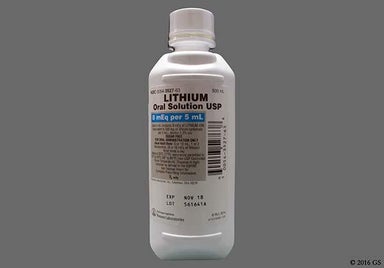
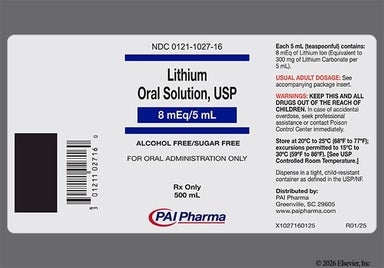
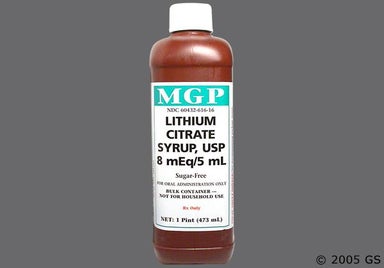
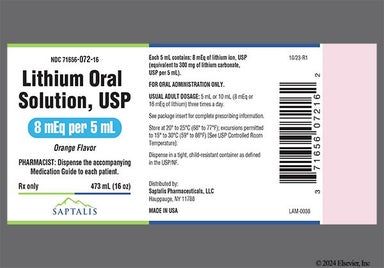
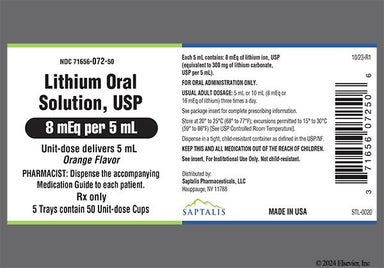
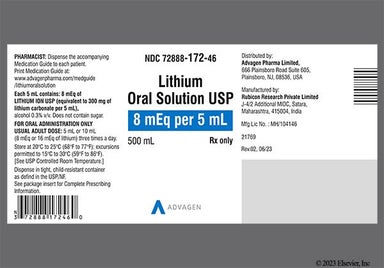
Lithium 8 mEq/5 mL oral solution:
Lithium (Lithobid) extended-release tablets
Your provider will adjust your lithium dose based on if you have kidney problems, how well your bipolar symptoms are responding to the medication, if you're having side effects, and your blood lithium level.

Although certain medicines should not be used together at all, in other cases two different medicines may be used together even if an interaction might occur. In these cases, your doctor may want to change the dose, or other precautions may be necessary. When you are taking this medicine, it is especially important that your healthcare professional know if you are taking any of the medicines listed below. The following interactions have been selected on the basis of their potential significance and are not necessarily all-inclusive.
Using this medicine with any of the following medicines is usually not recommended, but may be required in some cases. If both medicines are prescribed together, your doctor may change the dose or how often you use one or both of the medicines.
Using this medicine with any of the following medicines may cause an increased risk of certain side effects, but using both drugs may be the best treatment for you. If both medicines are prescribed together, your doctor may change the dose or how often you use one or both of the medicines.


Contraindications are specific health conditions or situations in which a person should not take a medication due to safety concerns. If you have any of the following conditions or if any of the following apply to you, let your healthcare provider know because Lithium will not be safe for you to take.












Prescription savings
Stop paying too much for your prescriptions. Compare prices, get pharmacy coupons, and save up to 80%. Find expert answers to your health questions so you can make the best decisions for yourself and your family.
Health conditions
Medications & treatment
Access & affordability
Medication discounts

No, Lithium is classified as a mood stabilizer. But antipsychotics, like olanzapine (Zyprexxa) and quetiapine (Seroquel), are also used for treating bipolar disorder. Depending on the type and severity of your bipolar disorder symptoms, your provider might even put you on both Lithium and an antipsychotic.
Weight gain isn't a commonly reported side effect of Lithium. A large review looking at several studies found that some people taking Lithium experienced minimal weight gain.
You can expect to feel some side effects when you first start Lithium. One common side effect people report early on is nausea. If you feel nauseous, try taking Lithium with food or ask your provider if you can switch to the lithium (Lithobid) extended-release capsule to ease this side effect. Other side effects you might experience include shakiness, feeling thirsty, and needing to urinate more often. Make sure to stay well-hydrated while taking Lithium. Most of these side effects get better as you continue to take the medication, but let your provider know if they're very bothersome or don't go away. Keep in mind that when you first start Lithium, it'll take some time for you and your provider to find the dose of medication that works best for you. During this time, your provider will do check ups and order blood draws to see how Lithium is working.
Lithium is a first-choice option for treating bipolar disorder. But it can cause severe side effects if your dose is too higher. To lower your risk for lithium toxicity, your provider will order blood work regularly to measure your blood lithium level, especially when you first start taking the medication and your dose changes. This helps determine if you’re on the right dose of the medication. Your provider will also slowly adjust the dose based on how you respond to the medication and the level of lithium in your body. After your dose and blood Lithium levels have stabilized, you might not need to have blood tests done as often.
Lithium isn't recommended during pregnancy and breastfeeding. Limited studies show that this medication might affect the development of your unborn baby’s heart if taken during early pregnancy. And it can also lead to lithium toxicity in unborn and breastfed babies. If you're pregnant or breastfeeding, talk to your provider about safer options to treat your conditions. If you choose to taking Lithium during pregnancy or while nursing, your provider will need to monitor you and your baby closely.
