chlordiazepoxide / amitriptyline
Chlordiazepoxide/amitriptyline is a combination medication containing chlordiazepoxide and amitriptyline. It treats depression related to anxiety, but it's not a first-choice treatment option.


What is Chlordiazepoxide/amitriptyline?
What is Chlordiazepoxide/amitriptyline used for?
- Depression related to anxiety
How Chlordiazepoxide/amitriptyline works
Chlordiazepoxide/amitriptyline is a combination of two medications that affect your mood.
- Chlordiazepoxide is a benzodiazepine. It slows down activity in your brain to help control anxiety.
- Amitriptyline is a tricyclic antidepressant. It raises the levels of norepinephrine and serotonin, which are natural chemicals in your brain that can improve your mood.
Drug facts
| Common Brands | Limbitrol |
|---|---|
| Drug Class | Benzodiazepine / Tricyclic antidepressant |
| Controlled Substance Classification | Schedule IV |
| Generic Status | Lower-cost generic available |
| Availability | Prescription only |

Risks and warnings for Chlordiazepoxide/amitriptyline
Chlordiazepoxide/amitriptyline can cause some serious health issues. This risk may be even higher for certain groups. If this worries you, talk to your doctor or pharmacist about other options.
Risks while also taking opioids
- Risk factors: Taking chlordiazepoxide/amitriptyline with opioids
 Combining chlordiazepoxide/amitriptyline with certain pain medications called opioids can cause a life-threatening interaction that may cause you to be extremely sleepy or stop breathing. It's very important not to combine chlordiazepoxide/amitriptyline with opioids unless you're under close supervision of a healthcare provider. Get emergency help if you feel like you are having trouble breathing or can't wake up very easily after taking chlordiazepoxide/amitriptyline. Educate those around you to keep an eye out for these side effects as well.
Abuse, misuse, dependence, and withdrawal
- Risk factors: History of substance misuse | Taking with alcohol or certain medications | Taking chlordiazepoxide/amitriptyline for a long time | Stopping chlordiazepoxide/amitriptyline suddenly
Chlordiazepoxide/amitriptyline is a controlled medication because there's a high risk for abuse and misuse. Your body can also become dependent on the medication, even if you're taking it exactly as directed. Taking chlordiazepoxide/amitriptyline short term can lower these risks. If you have been taking it for a long time, talk to your provider before stopping. Stopping the medication suddenly can lead to serious medical problems, including seizures.
Suicidal thoughts and behavior
- Risk factors: Age 24 or younger
Chlordiazepoxide/amitriptyline can raise the risk of suicidal thoughts or behavior. Watch for new or worsening depression, suicidal thoughts or behavior, especially during the first few months of treatment or when your dose changes. Let your healthcare provider know right away if you notice any unusual changes in your mood or behavior while taking this medication.
Bipolar disorder
Sometimes depression can be the first sign of bipolar disorder. Unfortunately, chlordiazepoxide/amitriptyline doesn't treat bipolar and can cause a manic phase. Your provider will screen you for bipolar disorder before starting chlordiazepoxide/amitriptyline. Let them know your full medical history and if anyone in your family has a history of bipolar disorder.
Eye problems
- Risk factors: Narrow-angle glaucoma
Many antidepressants, including chlordiazepoxide/amitriptyline, can cause eye-related side effects. This can cause eye pain in people who have underlying conditions, such as glaucoma. Let your provider know if you have a history of eye problems and if the medication starts causing vision changes or discomfort.
Heart problems
- Risk factors: History of heart conditions | Taking high doses of chlordiazepoxide/amitriptyline
Chlordiazepoxide/amitriptyline contains a tricyclic antidepressant, which can cause heart problems, including irregular heart rhythms, heart attack, or stroke. It's more likely to happen if you take higher doses of chlordiazepoxide/amitriptyline and if you have a history of heart conditions.

Side effects of Chlordiazepoxide/amitriptyline
The following side effects may get better over time as your body gets used to the medication. Let your healthcare provider know immediately if you continue to experience these symptoms or if they worsen over time.
Common Side Effects
- Feeling drowsy or sleepy
- Dizziness
- Dry mouth
- Constipation
- Bloating
- Blurry vision
Less Common Side Effects
- Vivid dreams
- Sexual dysfunction
- Shakiness, tremor
- Confusion
- Congested or runny nose
Chlordiazepoxide/amitriptyline serious side effects
Contact your healthcare provider immediately if you experience any of the following.
- Extreme sleepiness
- Slowed breathing
- Suicidal thoughts or behaviors
The following Chlordiazepoxide/amitriptyline side effects have also been reported
Along with its needed effects, a medicine may cause some unwanted effects. Although not all of these side effects may occur, if they do occur they may need medical attention.
Check with your doctor immediately if any of the following side effects occur:
Less common
Blurred vision or other changes in vision
confusion
difficulty in urinating
dizziness or lightheadedness
fainting
irregular heartbeat
irritability
mental depression
nervousness
seeing, hearing, or feeling things that are not there
shakiness
talking, feeling, and acting with excitement
trouble in sleeping
Incidence not known
Actions that are out of control
chest pain or discomfort
decreased interest in sexual intercourse
false or unusual sense of well-being
fast, slow, or irregular heartbeat
inability to have or keep an erection
increased in sexual ability, desire, drive, or performance
increased interest in sexual intercourse
increased sensitivity to sunlight
loss in sexual ability, desire, drive, or performance
pain or discomfort in the arms, jaw, back or neck
redness or other discoloration of skin
severe sunburn
shakiness and unsteady walk
skin rash
sore throat and fever
sweating
swelling of the breasts or breast soreness in males
swelling of the testicles
swelling or inflammation of the mouth
unexpected or excess milk flow from breasts
unsteadiness, trembling, or other problems with muscle control or coordination
Get emergency help immediately if any of the following symptoms of overdose occur:
Symptoms of overdose
Disorientation
dizziness, faintness, or lightheadedness when getting up suddenly from a lying or sitting position
headache
loss of consciousness
mood or other mental changes
seizures
trouble breathing, unusual tiredness or weakness
unusual drowsiness, dullness, tiredness, weakness, or feeling of sluggishness
Some side effects may occur that usually do not need medical attention. These side effects may go away during treatment as your body adjusts to the medicine. Also, your health care professional may be able to tell you about ways to prevent or reduce some of these side effects. Check with your health care professional if any of the following side effects continue or are bothersome or if you have any questions about them:
Other side effects not listed may also occur in some patients. If you notice any other effects, check with your healthcare professional.
Call your doctor for medical advice about side effects. You may report side effects to the FDA at 1-800-FDA-1088.

Pros and cons of Chlordiazepoxide/amitriptyline
Pros
- Contains two medications in one
- Works faster than amitriptyline alone
- Available in a lower-cost generic
Cons
- Controlled medication; risk of abuse and misuse
- Not a first-choice treatment option
- Can cause a lot of side effects

Pharmacist tips for Chlordiazepoxide/amitriptyline

- It's going to take time for your body to get used to the medication. Taking small doses throughout the day can help. Eventually, you might be able to manage your depression and anxiety with one dose a day, taken at bedtime.
- If you've been taking chlordiazepoxide/amitriptyline for a while, don't suddenly stop taking it unless your provider tells you to. Suddenly stopping chlordiazepoxide/amitriptyline can cause withdrawal symptoms.
- Common side effects include sleepiness, dizziness, and vision changes. Don't drive or do anything that requires you to focus until you know how this medication affects you.
- Dry mouth is a common side effect. Drinking water, sucking on ice cubes or hard candy, and chewing gum can help with this.
- Store this medication in a safe place. Get medical help or call poison control at 1-800-222-1222 right away if a child accidentally takes it or if anyone takes too much.

Chlordiazepoxide/amitriptyline dosage


Interactions between Chlordiazepoxide/amitriptyline and other drugs
Although certain medicines should not be used together at all, in other cases two different medicines may be used together even if an interaction might occur. In these cases, your doctor may want to change the dose, or other precautions may be necessary. When you are taking this medicine, it is especially important that your healthcare professional know if you are taking any of the medicines listed below. The following interactions have been selected on the basis of their potential significance and are not necessarily all-inclusive.
Using this medicine with any of the following medicines is not recommended. Your doctor may decide not to treat you with this medication or change some of the other medicines you take.
- Bepridil
- Bromopride
- Cisapride
- Clorgyline
- Dronedarone
- Flumazenil
- Furazolidone
- Grepafloxacin
- Iproniazid
- Isocarboxazid
- Levomethadyl
- Linezolid
- Mesoridazine
- Methylene Blue
- Metoclopramide
- Moclobemide
- Nialamide
- Pargyline
- Phenelzine
- Pimozide
- Piperaquine
- Procarbazine
- Ranolazine
- Safinamide
- Saquinavir
- Selegiline
- Sparfloxacin
- Terfenadine
- Thioridazine
- Toloxatone
- Tranylcypromine
- Ziprasidone
Using this medicine with any of the following medicines is usually not recommended, but may be required in some cases. If both medicines are prescribed together, your doctor may change the dose or how often you use one or both of the medicines.
- Acecainide
- Aceclofenac
- Acemetacin
- Albuterol
- Alfentanil
- Alfuzosin
- Almotriptan
- Alprazolam
- Amiodarone
- Amisulpride
- Amobarbital
- Amoxapine
- Amphetamine
- Amtolmetin Guacil
- Anagrelide
- Apomorphine
- Aprindine
- Aripiprazole
- Aripiprazole Lauroxil
- Arsenic Trioxide
- Artemether
- Asenapine
- Aspirin
- Astemizole
- Atazanavir
- Azimilide
- Azithromycin
- Benzhydrocodone
- Benzphetamine
- Bretylium
- Bromazepam
- Bromfenac
- Bromopride
- Brompheniramine
- Bufexamac
- Buprenorphine
- Bupropion
- Buserelin
- Buspirone
- Butabarbital
- Butalbital
- Butorphanol
- Calcium Oxybate
- Cannabidiol
- Carbinoxamine
- Carisoprodol
- Celecoxib
- Ceritinib
- Cetirizine
- Chloral Hydrate
- Chloroquine
- Chlorpheniramine
- Chlorpromazine
- Chlorzoxazone
- Choline Salicylate
- Ciprofloxacin
- Citalopram
- Clarithromycin
- Clobazam
- Clofazimine
- Clomipramine
- Clonidine
- Clonixin
- Clozapine
- Cocaine
- Codeine
- Crizotinib
- Cyclobenzaprine
- Dabrafenib
- Dantrolene
- Darunavir
- Dasatinib
- Degarelix
- Delamanid
- Desipramine
- Deslorelin
- Desmopressin
- Desvenlafaxine
- Deutetrabenazine
- Dexibuprofen
- Dexketoprofen
- Dextroamphetamine
- Dextromethorphan
- Diclofenac
- Diflunisal
- Dihydrocodeine
- Dipyrone
- Disopyramide
- Dofetilide
- Dolasetron
- Domperidone
- Donepezil
- Doxepin
- Doxorubicin
- Doxorubicin Hydrochloride Liposome
- Doxylamine
- Droperidol
- Droxicam
- Efavirenz
- Eletriptan
- Encorafenib
- Enflurane
- Entrectinib
- Epinephrine
- Erythromycin
- Escitalopram
- Esketamine
- Eslicarbazepine Acetate
- Ethchlorvynol
- Etodolac
- Etofenamate
- Etoricoxib
- Felbinac
- Fenfluramine
- Fenoprofen
- Fentanyl
- Fepradinol
- Feprazone
- Fingolimod
- Flecainide
- Flibanserin
- Floctafenine
- Fluconazole
- Flufenamic Acid
- Fluoxetine
- Flurbiprofen
- Foscarnet
- Fospropofol
- Fostemsavir
- Frovatriptan
- Gabapentin
- Gabapentin Enacarbil
- Gatifloxacin
- Gemifloxacin
- Glasdegib
- Glucagon
- Glycopyrrolate
- Glycopyrronium Tosylate
- Gonadorelin
- Goserelin
- Granisetron
- Halofantrine
- Haloperidol
- Halothane
- Histrelin
- Hydrocodone
- Hydromorphone
- Hydroxychloroquine
- Hydroxytryptophan
- Hydroxyzine
- Ibuprofen
- Ibutilide
- Iloperidone
- Imipramine
- Indomethacin
- Inotuzumab Ozogamicin
- Iobenguane I 123
- Iobenguane I 131
- Isoflurane
- Isradipine
- Ivabradine
- Ivosidenib
- Ketamine
- Ketoconazole
- Ketoprofen
- Ketorolac
- Lacosamide
- Lapatinib
- Lasmiditan
- Lefamulin
- Lemborexant
- Lenvatinib
- Levalbuterol
- Levocetirizine
- Levofloxacin
- Levomilnacipran
- Levorphanol
- Lidoflazine
- Lisdexamfetamine
- Lithium
- Lofexidine
- Lopinavir
- Lorcainide
- Lorcaserin
- Lornoxicam
- Loxapine
- Loxoprofen
- Lumefantrine
- Lumiracoxib
- Macimorelin
- Magnesium Oxybate
- Meclizine
- Meclofenamate
- Mefenamic Acid
- Mefloquine
- Meloxicam
- Meperidine
- Mephenesin
- Mephobarbital
- Meprobamate
- Metaxalone
- Methacholine
- Methadone
- Methamphetamine
- Methocarbamol
- Methohexital
- Metoclopramide
- Metronidazole
- Midazolam
- Milnacipran
- Mirtazapine
- Moricizine
- Morniflumate
- Morphine
- Morphine Sulfate Liposome
- Moxifloxacin
- Nabumetone
- Nafarelin
- Nalbuphine
- Naproxen
- Naratriptan
- Nefazodone
- Nefopam
- Nepafenac
- Niflumic Acid
- Nilotinib
- Nimesulide
- Nimesulide Beta Cyclodextrin
- Norepinephrine
- Norfloxacin
- Nortriptyline
- Octreotide
- Ofloxacin
- Ondansetron
- Osilodrostat
- Osimertinib
- Oxaliplatin
- Oxaprozin
- Oxycodone
- Oxymetazoline
- Oxymorphone
- Oxyphenbutazone
- Ozanimod
- Paliperidone
- Palonosetron
- Panobinostat
- Parecoxib
- Paroxetine
- Pasireotide
- Pazopanib
- Peginterferon Alfa-2b
- Pentamidine
- Pentazocine
- Pentobarbital
- Periciazine
- Phenobarbital
- Phenylbutazone
- Piketoprofen
- Pimavanserin
- Piroxicam
- Pitolisant
- Pixantrone
- Ponesimod
- Posaconazole
- Potassium Oxybate
- Pranoprofen
- Pregabalin
- Primidone
- Procainamide
- Prochlorperazine
- Proglumetacin
- Promethazine
- Propafenone
- Propofol
- Propoxyphene
- Propyphenazone
- Proquazone
- Protriptyline
- Quetiapine
- Quinidine
- Quinine
- Rasagiline
- Remifentanil
- Remimazolam
- Revefenacin
- Ribociclib
- Risperidone
- Rizatriptan
- Rofecoxib
- Salicylic Acid
- Salsalate
- Scopolamine
- Secobarbital
- Secretin Human
- Selpercatinib
- Sematilide
- Sertindole
- Sertraline
- Sevoflurane
- Sibutramine
- Siponimod
- Sodium Oxybate
- Sodium Phosphate
- Sodium Phosphate, Dibasic
- Sodium Phosphate, Monobasic
- Sodium Salicylate
- Solifenacin
- Sorafenib
- Sotalol
- Spiramycin
- Sufentanil
- Sulfamethoxazole
- Sulindac
- Sulpiride
- Sultopride
- Sumatriptan
- Sunitinib
- Tacrolimus
- Tapentadol
- Tedisamil
- Telavancin
- Telithromycin
- Tenoxicam
- Tetrabenazine
- Thiopental
- Tiaprofenic Acid
- Tiotropium
- Tolfenamic Acid
- Tolmetin
- Toremifene
- Tramadol
- Trazodone
- Triclabendazole
- Trifluoperazine
- Trimethoprim
- Trimipramine
- Triptorelin
- Tryptophan
- Valdecoxib
- Vandetanib
- Vardenafil
- Vemurafenib
- Venlafaxine
- Vilanterol
- Vilazodone
- Vinflunine
- Voclosporin
- Voriconazole
- Vortioxetine
- Zolmitriptan
- Zolpidem
- Zotepine
- Zuclopenthixol
Using this medicine with any of the following medicines may cause an increased risk of certain side effects, but using both drugs may be the best treatment for you. If both medicines are prescribed together, your doctor may change the dose or how often you use one or both of the medicines.
- Acenocoumarol
- Arbutamine
- Atomoxetine
- Bethanidine
- Carbamazepine
- Cimetidine
- Desogestrel
- Diazepam
- Dicumarol
- Dienogest
- Drospirenone
- Ethinyl Estradiol
- Ethynodiol
- Fluvoxamine
- Fosphenytoin
- Galantamine
- Gestodene
- Guanethidine
- Ketoconazole
- Levonorgestrel
- Mestranol
- Nomegestrol
- Norethindrone
- Norgestimate
- Norgestrel
- Phenprocoumon
- Phenytoin
- Rifapentine
- Ritonavir
- S-Adenosylmethionine
- St John's Wort
- Theophylline
- Warfarin

How much does Chlordiazepoxide/amitriptyline cost?
$25.63

Chlordiazepoxide/amitriptyline contraindications
Contraindications are specific health conditions or situations in which a person should not take a medication due to safety concerns. If you have any of the following conditions or if any of the following apply to you, let your healthcare provider know because Chlordiazepoxide/amitriptyline will not be safe for you to take.
- Taking a monoamine oxidase inhibitor (MAOI) medication in the last 14 days
- Recent heart attack

What are alternatives to Chlordiazepoxide/amitriptyline?

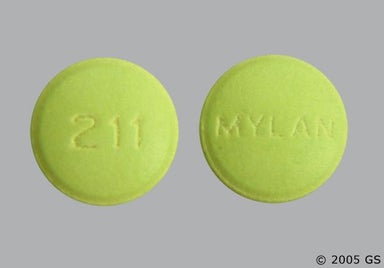
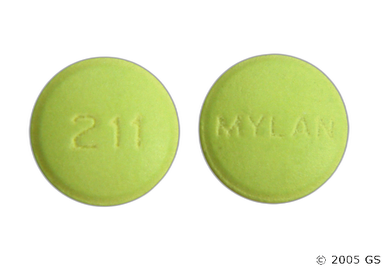
Chlordiazepoxide/amitriptyline images