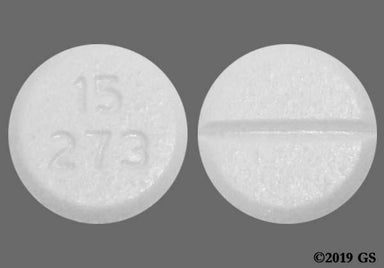
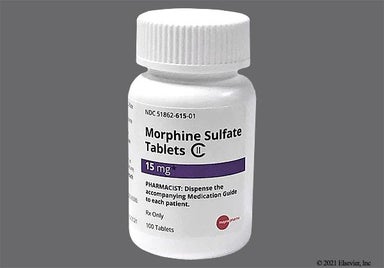
Morphine is an opioid medication used to relieve pain when non-opioid medications don't provide enough relief. This medication comes as a pill, an oral liquid, as well as a rectal suppository. Depending on the form, it can be used to control sudden (acute) pain quickly or more long-lasting (chronic) pain. Common side effects of morphine include feeling sleepy, feeling dizzy, and having constipation.
Morphine is a controlled substance, which means that it's more likely to be misused or cause dependence. There are federal and state laws that limit the amount of medication that can be prescribed or dispensed within a certain period of time.
What is Morphine?
What is Morphine used for?
Pain that isn't relieved by non-opioid medications
How Morphine works
Morphine is an opioid medication. It attaches to certain proteins called mu-opioid receptors in your brain to change how you react to pain. This helps lower how much pain you feel.
Morphine can cause some serious health issues. This risk may be even higher for certain groups. If this worries you, talk to your doctor or pharmacist about other options.
Potential for addiction and misuse
Risk factors: Personal or family history of substance or alcohol use disorder | History of mental health conditions
Morphine has a risk of addiction and misuse. Addiction can develop even at recommended doses as prescribed or if morphine is used for reasons other than prescribed (misuse). Sometimes, addiction and misuse can lead to life-threatening overdose. To lower the risk of addiction and misuse, your healthcare provider will prescribe the lowest amount of morphine that's necessary for you for the shortest period of time possible.
Because of the high risk of addiction and misuse, the FDA requires a Risk Evaluation and Mitigation Strategy (REMS) program for morphine. Under the Opioid Analgesic REMS program, your healthcare provider will discuss with you about how to take morphine safely, what its risks are, and proper storage and disposal. These steps help keep you and your loved ones safe. If you have concerns about taking morphine, talk to your provider about other treatment options for pain.
Risk factors: Age 65 years or older | People who are very weak | Medical conditions that cause breathing problems (e.g., asthma, COPD, head injury) | Taking medications that can cause slowed breathing | Alcohol use | Taking high doses of morphine
Morphine can cause extremely slowed breathing that can be life-threatening. This can happen at any time, even when the medication is used as recommended by your provider. But generally, the risk is highest when you first start the medication or after your dose is raised. Don't take morphine with alcohol or other medications that can slow your body down (e.g., benzodiazepines, muscle relaxants). Doing so can slow down your breathing even more. If you or a loved one notices that you have trouble breathing or have bluish-colored lips, fingers, or toes, get medical help right away.
Risk of accidental overdose
Risk factors: History of opioid use disorder | Previous opioid overdose | Taking medications that can slow the body down | Alcohol use | Taking high opioid doses | Taking more opioids than prescribed | Age 65 years or older | Age 18 years or younger
It's possible to accidentally take too much morphine at recommended doses of the medication. Overdoses can also happen if it's accidentally taken by a child or a loved one. Overdoses can be life-threatening if it's not recognized or treated in time. Your healthcare provider might recommend that you carry naloxone (Narcan) with you at all times to quickly treat an overdose if it happens. It's important for you and your caregiver to know how to use naloxone (Narcan) in case there's an accidental overdose. Opioid overdose symptoms include extremely slowed breathing, slow heartbeat, extreme sleepiness, cold or clammy skin, and not responding to sound or touch. Call 911 right away if you think an overdose has happened.
Harm to newborn babies when taken during pregnancy
Risk factors: Long-term use during pregnancy
During pregnancy, opioids can be passed from you to your unborn baby through the placenta and umbilical cord. If you take morphine for a long period of time during pregnancy, there's a risk that your unborn baby can become dependent on the medication. Once your baby is born, they can develop a condition called neonatal opioid withdrawal syndrome (NOWS) and experience withdrawal symptoms. Withdrawal symptoms in your newborn can include high-pitched crying, poor feeding and sucking behavior, trembling, irritability, and sometimes seizures. This condition can be life-threatening if not recognized and treated in time. Let your healthcare provider know if you've used morphine during pregnancy or if you notice these symptoms in your baby.
Difficulty concentrating and extreme sleepiness
Risk factors: Age 65 years or older | Taking other medications that make you less alert or slow your body down | Alcohol use
Morphine can cause extreme sleepiness and lower your ability to think, react, and focus. Taking morphine while drinking alcohol or with other medications that make you feel sleepy or relaxed (e.g., benzodiazepines, sleep medications, muscle relaxants) can worsen these side effects. For this reason, it's best to avoid drinking alcohol or taking these medications while taking morphine. Make sure you know how this medication affects you before driving a car or doing activities that require your concentration. Talk to your healthcare provider right away if you feel too sleepy from taking morphine.
Low hormone levels
Some people taking opioids like morphine experienced a drop in their hormone levels. This is more likely to happen if you take the medication for more than a month. Symptoms of very low hormone levels include nausea, vomiting, loss of appetite, tiredness, dizziness, and weakness. Let your healthcare provider know right away if you experience these symptoms.
Low blood pressure
Risk factors: Age 65 years or older | Taking other medications that lower blood pressure or slow your body down | Dehydration
Morphine can cause extremely low blood pressure. This includes a sudden drop in blood pressure when you stand from a sitting or lying down position. As a result, you might feel dizzy or even faint. To avoid falling, stand up slowly or hold onto something while you get up if you've been sitting or lying down. If the dizziness or lightheadedness doesn't go away, talk to your healthcare provider.
Higher risk of seizures in people with seizure conditions
Risk factors: History of seizure conditions
Opioids, such as morphine, can cause more frequent seizures to happen in people who've had seizures in the past. The medication might also raise the risk of seizure in other situations where seizures can occur. Let your healthcare provider know if you have seizures more often while taking morphine.
Physical dependence and withdrawal
Risk factors: Long-term use of morphine
If you take morphine regularly for a long time, you can become physically dependent on the medication. This means your body starts to rely on the medication to function. When you're physically dependent on morphine, you might experience withdrawal if you lower your dose or stop taking the medication suddenly. Withdrawal symptoms can include restlessness, muscle pain, runny nose, yawning, sweating, chills, anxiety, and uncontrolled pain. Don't lower your dose or stop taking the medication suddenly without talking to your healthcare provider. To prevent withdrawal symptoms from happening, you'll need to follow your provider's instructions carefully to slowly lower your dose. If you have concerns about taking the medication because of this risk, talk to your healthcare provider about alternative pain medications.
Side effects of Morphine
The following side effects may get better over time as your body gets used to the medication. Let your healthcare provider know immediately if you continue to experience these symptoms or if they worsen over time.
Accidentally taking too much (overdose): not responding to sound or touch; slowed breathing; slow heartbeat; extreme sleepiness; pale, blue, or cold or clammy skin
Opioid withdrawal: restlessness, muscle or joint pain, runny nose, yawning or sweating more than usual, chills, irritability, anxiety
When do Morphine possible side effects begin and end?
Time passed since treatment started:
MMINUTES
HHOURS
DDAYS
WWEEKS
MMONTHS
Nausea or vomiting
Sleepiness
“Brain Fog”
Constipation
Slowed breathing
Seek immediate medical care if you experience this side effect.
If a line continues to the right, you'll likely keep experiencing this side effect once it starts.
The following Morphine side effects have also been reported
Along with its needed effects, a medicine may cause some unwanted effects. Although not all of these side effects may occur, if they do occur they may need medical attention.
Check with your doctor immediately if any of the following side effects occur:
Less common
Blurred vision
bulging soft spot on the head of an infant
burning, crawling, itching, numbness, prickling, "pins and needles", or tingling feelings
change in the ability to see colors, especially blue or yellow
Some side effects may occur that usually do not need medical attention. These side effects may go away during treatment as your body adjusts to the medicine. Also, your health care professional may be able to tell you about ways to prevent or reduce some of these side effects. Check with your health care professional if any of the following side effects continue or are bothersome or if you have any questions about them:
loss in sexual ability, desire, drive, or performance
muscle stiffness or tightness
night blindness
overbright appearance of lights
problems with muscle control
stomach discomfort or upset
trouble sleeping
uncontrolled eye movements
Incidence not known
Abnormal dreams
change in walking and balance
change or problem with discharge of semen
clumsiness or unsteadiness
confusion as to time, place, or person
false beliefs that cannot be changed by facts
feeling of constant movement of self or surroundings
general feeling of discomfort or illness
holding false beliefs that cannot be changed by fact
poor insight and judgment
problems with memory or speech
seeing, hearing, or feeling things that are not there
sensation of spinning
trouble recognizing objects
trouble thinking and planning
trouble walking
unusual excitement, nervousness, or restlessness
Other side effects not listed may also occur in some patients. If you notice any other effects, check with your healthcare professional.
Call your doctor for medical advice about side effects. You may report side effects to the FDA at 1-800-FDA-1088.
Pros and cons of Morphine
Pros
Relieves pain that isn't controlled with non-opioid pain medications
Can relieve both quick, sudden pain and long-term (chronic) pain
Available in liquid form and suppositories for people who have trouble swallowing pills
Cons
Risk of misuse and dependency
Can cause constipation
Must slowly lower the dose if you want to stop the medication after taking for a long time to prevent withdrawal
A controlled substance, so there are special requirements to get a prescription filled
Pharmacist tips for Morphine
Take morphine exactly as prescribed. Taking the medication differently than it's prescribed can cause side effects or accidental overdose.
To help with any constipation you might get from morphine, make sure to drink plenty of water. If your constipation doesn't improve or worsens, ask your healthcare provider about other ways to manage this side effect or for medication recommendations.
Avoid taking morphine with alcohol or other medications that make you sleepy or react slower. Also don't drive or do activities that need your attention until you know how morphine affects you. Doing so can greatly affect your ability to think clearly and lead to accidental injuries.
If you've been taking morphine for a long time, don't lower your dose or stop taking the medication suddenly without talking to your healthcare provider first. Doing so can lead to withdrawal symptoms, such as restlessness, muscle or joint aches, chills, trouble sleeping, and anxiety. Follow your provider's instructions to slowly cut back on your dose over a few weeks to prevent withdrawal.
Ask your provider or pharmacist about naloxone (Narcan). This medication can help reverse the effects of accidentally taking too much morphine. Make sure to tell your loved ones where you keep your naloxone in the event of an emergency. If you use naloxone for an overdose, you should still call for emergency medical help because its effects are temporary.
Store morphine out of reach from children, pets, or visitors. If you don't need to take morphine anymore, throw away the medication through a take-back program. This lowers the risk of accidental overdose and helps prevent medication misuse.
For extended-release morphine: Swallow the pill whole. Don't cut, crush, chew, or dissolve the pill. These extended-release pills are meant to release the medication into your body slowly so it lasts longer. If the outside of the pill gets damaged, too much morphine can get released into your body too quickly, which can raise your risk of side effects. This can lead to a life-threatening overdose.
For extended-release morphine capsules: If you have trouble swallowing the capsule, you can open it and sprinkle the contents over a spoonful of applesauce. Swallow all of the applesauce and medication right away without chewing. Don't save any of it for another time. Rinse your mouth with water and swallow to make sure you've taken all of the medication. Throw away the empty capsule by flushing it down the toilet.
For the liquid form of morphine: Measure out your doses only with the oral syringe that comes with your medication or that's provided by the pharmacy. Don't use kitchen or measuring spoons since they aren't accurate. You might not measure out the right dose with these spoons, which can lead to pain that isn't relieved (taking too little) or dangerous side effects (taking too much).
For the morphine suppositories: Follow the instructions on how to place the suppository into the rectum safely. Remember to take off the wrapping. Then, place the pointed tip of the suppository under running cold water to help soften it and make it easier to insert. Lie on your left side, and bring your right knee up to your chest. Slowly push the suppository (pointed tip first) into your rectum about 1 inch in. Hold your buttocks together for a few seconds to prevent it from falling out. Stay in this position for a few minutes to help the suppository stay and dissolve.
Morphine dosage
The average cost for 90 tablets of 15mg of Morphine is $25.18 with a free GoodRx coupon. This is 63.71% off the average retail price of $69.38.
Morphine may interact with certain medications or supplements. Always let your doctor and pharmacist know about any other medications or supplements (including prescribed and over-the-counter medications, vitamins, and dietary or herbal supplements) that you are currently taking. The list below does not include all possible drug interactions with Morphine. Please note that only the generic name of each medication is listed below.
Although certain medicines should not be used together at all, in other cases two different medicines may be used together even if an interaction might occur. In these cases, your doctor may want to change the dose, or other precautions may be necessary. When you are taking this medicine, it is especially important that your healthcare professional know if you are taking any of the medicines listed below. The following interactions have been selected on the basis of their potential significance and are not necessarily all-inclusive.
Using this medicine with any of the following medicines is not recommended. Your doctor may decide not to treat you with this medication or change some of the other medicines you take.
Using this medicine with any of the following medicines is usually not recommended, but may be required in some cases. If both medicines are prescribed together, your doctor may change the dose or how often you use one or both of the medicines.
Using this medicine with any of the following medicines may cause an increased risk of certain side effects, but using both drugs may be the best treatment for you. If both medicines are prescribed together, your doctor may change the dose or how often you use one or both of the medicines.
Contraindications are specific health conditions or situations in which a person should not take a medication due to safety concerns. If you have any of the following conditions or if any of the following apply to you, let your healthcare provider know because Morphine will not be safe for you to take.
GoodRx Health has strict sourcing policies and relies on primary sources such as medical organizations, governmental agencies, academic institutions, and peer-reviewed scientific journals. Learn more about how we ensure our content is accurate, thorough, and unbiased by reading our editorial guidelines.
Prescription savings
Stop paying too much for your prescriptions. Compare prices, get pharmacy coupons, and save up to 80%.
Yes. In fact, if you need additional pain relief, it's recommended that you take non-opioid pain medications. This helps lower the amount of Morphine you take and lower the risks that come with taking opioids. In general, it's safe to take non-opioid pain medications, like acetaminophen (Tylenol) or ibuprofen (Advil), with Morphine. Keep in mind that these other pain medications also have their own risks to consider. So before taking other pain medications with Morphine, speak with your healthcare provider to make sure it's safe for you to do so.
Yes, it's common for Morphine to make you feel sleepy or tired. If you feel sleepy or tired after taking Morphine, don't drive or do anything that requires your full attention until these effects go away. This helps prevent accidental injuries from happening. If the sleepiness or tiredness from Morphine is bothersome, speak with your healthcare provider. They might discuss with you about other treatment options for your pain.
Constipation is a common side effect of Morphine. To help with constipation, make sure to drink plenty of water. You can also add more fiber-rich foods to your diet. These foods can include broccoli, chickpeas, and a variety of fruit. Talk to your healthcare provider if your constipation doesn't improve or worsens with these lifestyle changes. They can recommend certain constipation medications that might help with constipation from Morphine.
Morphine has a serious risk of addiction. The medication can be habit-forming even at recommended doses that are prescribed to you by your provider. And if not addressed appropriately, addiction can lead to life-threatening overdose. But to help lower the risk of addiction, your healthcare provider will prescribe the lowest amount of Morphine that's necessary for you for the shortest period of time possible. Speak with your provider if you have concerns about the risk of addiction with Morphine use.
Immediate-release Morphine is taken on an as-needed basis (up to every 4 hours). The medication gets released into your body soon after you take it to provide quick relief of sudden pain (breakthrough pain). Immediate-release Morphine is available as tablets, oral liquids, and rectal suppositories. On the other hand, extended-release Morphine is taken at scheduled times (every 8, 12, or 24 hours). It provides more long-lasting pain relief since the medication gets released into your body slowly over time. Extended-release Morphine is only available as tablets and capsules.
Before you plan to stop Morphine or lower your dose, it's best to speak with your healthcare provider first. This is especially important if you take Morphine regularly for a long period of time. Stopping the medication suddenly can sometimes cause withdrawal, which can look like restlessness, muscle or joint aches, trouble sleeping, and anxiety. Stopping Morphine suddenly can even lead to serious consequences, like uncontrolled pain or thoughts of harming yourself. To prevent withdrawal, your provider might lower your Morphine dose slowly every few weeks before you can completely stop the medication. If you've taken Morphine for a brief period of time, you might be able to lower your dose more quickly. Your healthcare provider will give you instructions on how to stop or lower your dose safely.
Morphine generally isn't recommended if you're pregnant. Taking Morphine for a long period of time during pregnancy can cause your unborn baby to become dependent on the medication. Once your baby is born, they can experience withdrawal symptoms, such as high-pitched crying, poor feeding and sucking behavior, irritability, and sometimes even seizures. This condition is called neonatal opioid withdrawal syndrome (NOWS) and can be life-threatening if not recognized and treated in time. Speak with your provider about the risks and benefits of taking Morphine while pregnant. They can recommend other pain medications that are safer for you and your baby.
Speak with your healthcare provider about the risks and benefits of taking Morphine if you're breastfeeding. It's generally recommended to try non-opioid pain medications first before considering Morphine if you need to breastfeed while taking pain medication. Morphine can be found in breast milk. The medication can potentially cause sleepiness, slowed breathing, and slowed heartbeat in breastfed babies. If you're taking Morphine and are breastfeeding, get medical help right away if you notice these effects in your baby. Discuss with your provider about other options that might be safer, like switching to another pain medication or using baby formula instead.
Hydromorphone (Dilaudid) and Morphine are both opioid medications. Besides differences in chemical properties, the two medications are actually quite similar. Studies suggest hydromorphone (Dilaudid) and Morphine work just as well as each other to help relieve pain when non-opioid medications aren't enough, especially for cancer-related pain in adults. The side effects of both medications are similar, though some experts suggest that hydromorphone (Dilaudid) causes less itchiness and nausea and has a higher risk of nervous system problems (e.g., seizures) than Morphine. More research is needed about differences in side effects between the two medications. Discuss with your provider about which medication best fits your needs for pain.


 Morphine has a risk of
 Because of the high risk of addiction and misuse, the FDA requires a