


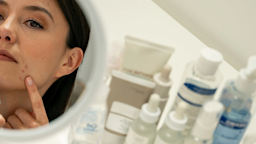
Is It Safe to Use Retinoids Like Accutane for Acne?
Can retinoids be used safely for acne? Learn about retinoids, their benefits for acne, possible side effects, and tips for using them safely.
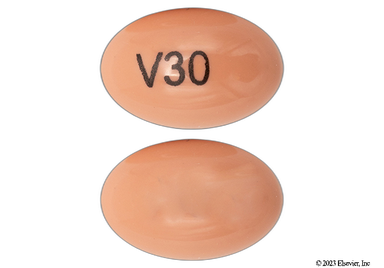
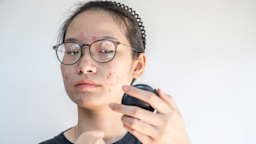
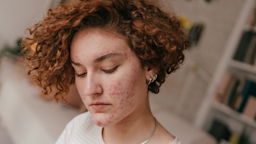
Isotretinoin (Accutane) is a retinoid medication used to treat severe acne in people 12 years and older when other acne treatments, including antibiotics, haven't worked. You take a capsule by mouth twice a day, usually for about 4 to 5 months at a time. Common side effects include dry lips, dry skin, back pain, and dry eye. Because isotretinoin (Accutane) can cause serious birth defects, it's only available through the special safety program called iPLEDGE.

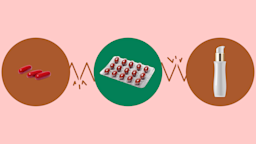
Isotretinoin (Accutane) is a retinoid, which is a type of vitamin A. It works by lowering the amount of oil your skin makes, which helps prevent clogged pores and clear acne. It also helps your skin renew itself more quickly and reduces inflammation.
| Common Brands | Accutane |
|---|---|
| Drug Class | Retinoid |
| Controlled Substance Classification | Not a controlled medication |
| Generic Status | Lower-cost generic available |
| Availability | Prescription only |

The following side effects may get better over time as your body gets used to the medication. Let your healthcare provider know immediately if you continue to experience these symptoms or if they worsen over time.
Contact your healthcare provider immediately if you experience any of the following.
Along with its needed effects, a medicine may cause some unwanted effects. Although not all of these side effects may occur, if they do occur they may need medical attention.
Check with your doctor immediately if any of the following side effects occur:
More common
Bone or joint pain
burning, redness, itching, or other signs of eye inflammation
difficulty with moving
nosebleeds
scaling, redness, burning, pain, or other signs of inflammation of the lips
skin infection or rash
Rare
Attempts at suicide or thoughts of suicide (usually stops after medicine is stopped)
back pain
bleeding or inflammation of the gums
blurred vision or other changes in vision
changes in behavior
decreased vision after sunset or before sunrise (sudden or may continue after medicine is stopped)
diarrhea (severe)
headache (severe or continuing)
mental depression
pain or tenderness of the eyes
pain, tenderness, or stiffness in the muscles (long-term treatment)
rectal bleeding
stomach pain (severe)
vomiting
yellow eyes or skin
Incidence not known
Black, tarry stools
bloody cough
bloody or cloudy urine
bone tenderness or aching
burning or stinging of the skin
confusion
continuing ringing or buzzing, or other unexplained noise in the ears
dark-colored urine
decrease in height
difficulty breathing
difficulty speaking
difficulty swallowing
discharge from the eyes
dizziness
double vision
ear pain
excessive tearing
fainting
fast, irregular, pounding, or racing heartbeat or pulse
fever with or without chills
fractures or delayed healing
hives or skin rash
hoarseness
inability to move the arms, legs, or facial muscles
inability to speak
indigestion
inflamed tissue from infection
irregular yellow patch or lump on the skin
irritation
joint redness, stiffness, or swelling
lack or slowing of normal growth in children
loosening of the fingernails
loss of appetite
loss of bladder control
loss or change in hearing
muscle cramps, spasms, or weakness
pain in the ribs, arms, or legs
pain or burning in the throat
pain or tenderness around the eyes and cheekbones
painful cold sores or blisters on the lips, nose, eyes, or genitals
painful or difficult urination
pains in the chest, groin, or legs, especially calves of the legs
pains in the stomach, side, or abdomen, possibly radiating to the back
pale skin
pinpoint red spots on the skin
redness or soreness around the fingernails
redness, soreness, or itching skin
seizures
sensitivity of the eyes to sunlight
sores, ulcers, or white spots on the lips or tongue or inside the mouth
stuffy or runny nose
sudden loss of consciousness
sudden loss of coordination
sudden onset of severe acne on the chest and trunk
sudden onset of slurred speech
swelling of the eyelids, face, lips, hands, lower legs, or feet
swollen, painful or tender lymph glands in the neck, armpit, or groin
tightness in the chest
unusual bleeding or bruising
unusual weight gain or loss
use of extreme physical or emotional force
watery or bloody diarrhea
Some side effects may occur that usually do not need medical attention. These side effects may go away during treatment as your body adjusts to the medicine. Also, your health care professional may be able to tell you about ways to prevent or reduce some of these side effects. Check with your health care professional if any of the following side effects continue or are bothersome or if you have any questions about them:
More common
Crusting of the skin
difficulty in wearing contact lenses (may continue after medicine is stopped)
dryness of the eyes (may continue after treatment is stopped)
dryness of the mouth or nose
dryness or itching of the skin
headache (mild)
increased sensitivity of the skin to sunlight
peeling of the skin on palms of the hands or soles of the feet
stomach upset
thinning of the hair (may continue after treatment is stopped)
Incidence not known
Abnormal menstruation
burning, crawling, itching, numbness, prickling, “pins and needles”, or tingling feeling
changes in fingernails or toenails
dandruff
darkening of the skin
hair abnormalities
increased hair growth, especially on the face
lightening of normal skin color
lightening of treated areas of dark skin
nervousness
oily skin
redness of the face
severe sunburn
skin rash, encrusted, scaly and oozing
stomach burning
sweating
trouble sleeping
unusual drowsiness, dullness, tiredness, weakness, or feeling of sluggishness
unusually warm skin of the face
voice changes
Other side effects not listed may also occur in some patients. If you notice any other effects, check with your healthcare professional.
Call your doctor for medical advice about side effects. You may report side effects to the FDA at 1-800-FDA-1088.



Pregnancy prevention tips:

Isotretinoin (Accutane) can cause some serious health issues. This risk may be even higher for certain groups. If this worries you, talk to your doctor or pharmacist about other options.
 Isotretinoin (Accutane) can cause severe harm to unborn babies, including birth defects, miscarriage, and premature birth. Because of this risk, isotretinoin (Accutane) is only available through a special Risk Evaluation and Mitigation Strategies (REMS) program called iPLEDGE. You, your prescriber, and your pharmacy must all be enrolled in the program.
If you can get pregnant, you must use two forms of birth control for 1 month before starting treatment, during treatment, and for 1 month after your last dose. You'll also need regular pregnancy tests while taking the medication.
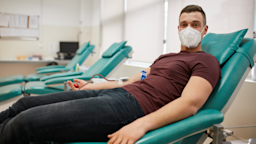
Don't donate blood while taking isotretinoin (Accutane) or for 1 month after your last dose. The medication could be passed to a pregnant person through a blood transfusion and harm their unborn baby.
Isotretinoin (Accutane) might affect your mood, thoughts, or behavior. In rare cases, people taking this medication reported depression, delusions, hallucinations, aggressive behavior, and suicidal thoughts or behavior. Stop taking the medication and contact your prescriber right away if you or your loved ones notice depression, unusual mood changes, aggressive behavior, or thoughts of self-harm.
Isotretinoin (Accutane) can cause high pressure in the brain. Your risk is higher if you take certain antibiotics called tetracyclines at the same time, so this combination should be avoided.
Tell your care team right away if you have symptoms like severe headache, nausea, vomiting, or changes in your vision while taking isotretinoin (Accutane). You might need to stop the medication and get medical care right away.
Isotretinoin (Accutane) can rarely cause severe skin reactions that could be life-threatening, such as Stevens-Johnson syndrome (SJS). These reactions can cause a widespread rash, blisters, peeling skin, or sores in your mouth, eyes, or other areas.
Stop taking the medication and get medical help right away if you notice a severe rash, blistering, peeling skin, or other unusual skin changes. Your care team might tell you to stop the medication permanently.
Isotretinoin (Accutane) can rarely cause pancreatitis, which is inflammation of the pancreas. Stop taking the medication and get medical help right away if you have severe stomach pain, nausea, or vomiting. These can be signs of pancreatitis and need prompt treatment.
Isotretinoin (Accutane) can raise the amount of cholesterol and triglycerides. Tell your care team if you have diabetes, have a larger body size, or drink alcohol regularly, since these can increase your risk.
Your prescriber might order blood tests regularly to check your cholesterol and triglyceride levels. If your levels become too high, they might lower your dose or have you stop the medication.
Isotretinoin (Accutane) can rarely cause hearing problems. In some cases, hearing loss has continued even after people stopped taking the medication.
Stop taking the medication and contact your care team right away if you notice ringing in your ears (tinnitus) or changes in your hearing. They might refer you to a hearing specialist for further testing.
Isotretinoin (Accutane) can lead to liver problems. Your care team will likely order blood tests before and during treatment to check how well your liver is working. If your liver tests become too high or you develop signs of liver damage, your prescriber might lower your dose or stop
Tell your care team right away if you notice yellowing of your skin or eyes, dark urine, pain in the upper right side of your stomach, or unusual tiredness. These can be signs of liver problems.
Isotretinoin (Accutane) has been linked to inflammatory bowel disease (IBD), even in people who have never had stomach or intestinal problems before. In some cases, symptoms continued after the medication was stopped.
Stop taking it and contact your care team right away if you have severe stomach pain, severe diarrhea, or bleeding from your rectum. These can be signs of a serious gut problem.
Isotretinoin (Accutane) can affect your bones, joints, and muscles. Some people have had bone loss, broken bones, slower healing after a fracture, or changes in bone growth while taking this medication. The risk is higher if you have certain bone conditions, take steroid medications, or have taken multiple courses of the treatment.
Joint pain, muscle aches, and back pain are also common side effects. Tell your care team if you have ongoing back pain, joint pain, or trouble with physical activity while taking isotretinoin (Accutane). They might want to check for bone or joint problems.
If you play sports or do activities with repeated impact, let your care team know. In rare cases, the medication can increase the risk of certain bone and growth plate injuries in growing children and teens.
Isotretinoin (Accutane) can cause vision changes. Tell your care team right away if you notice blurry vision, trouble seeing, or any other changes in your eyesight. You might need an eye exam and may need to stop the medication.
Isotretinoin (Accutane) can also make it harder to see at night. In some cases, this problem has continued after treatment ended. Be extra careful when driving or doing other activities at night.
Dry eyes are a common side effect of the medication. If you wear contact lenses, they could feel uncomfortable during treatment.
It's rare, but isotretinoin (Accutane) can cause serious allergic reactions. These can include severe rash, bruising, red or purple spots on the skin, or swelling. Stop taking the medication and get help right away if you develop a severe rash, swelling, trouble breathing, or other signs of an allergic reaction.

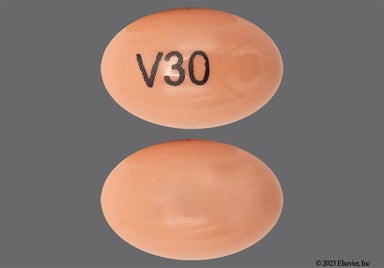
 Capsule
| Dosage | Quantity | Price as low as | Price per unit |
|---|---|---|---|
| 10mg | 30 capsules | $57.46 | $1.92 |
| 20mg | 30 capsules | $50.04 | $1.67 |
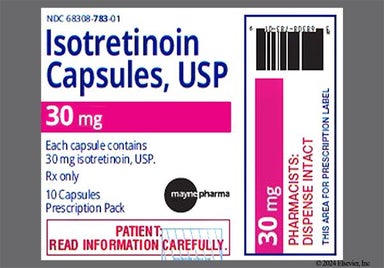
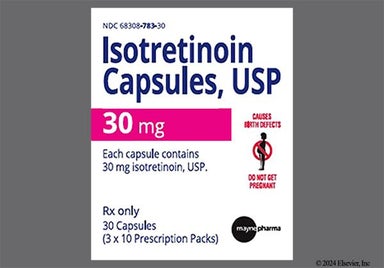
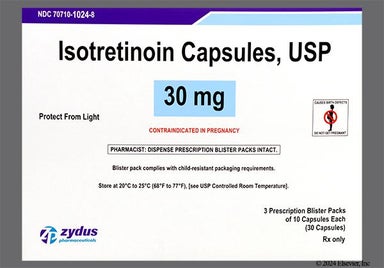
| 30mg | 30 capsules | $57.46 | $1.92 |
| 40mg | 60 capsules | $89.12 | $1.49 |
Your dose of isotretinoin (Accutane) is based on your body weight.
In general, the typical dose is 0.5 mg/kg to 1 mg/kg each day, split into 2 doses taken by mouth for 15 to 20 weeks (about 4 to 5 months). If needed, your prescriber might recommend a second course of treatment, but not until at least 2 months after your first course ends.

Although certain medicines should not be used together at all, in other cases two different medicines may be used together even if an interaction might occur. In these cases, your doctor may want to change the dose, or other precautions may be necessary. When you are taking this medicine, it is especially important that your healthcare professional know if you are taking any of the medicines listed below. The following interactions have been selected on the basis of their potential significance and are not necessarily all-inclusive.
Using this medicine with any of the following medicines is usually not recommended, but may be required in some cases. If both medicines are prescribed together, your doctor may change the dose or how often you use one or both of the medicines.


Contraindications are specific health conditions or situations in which a person should not take a medication due to safety concerns. If you have any of the following conditions or if any of the following apply to you, let your healthcare provider know because Isotretinoin (Accutane) will not be safe for you to take.

Doxycycline monohydrate is used to treat many different infections caused by bacteria. Some examples include:





Prescription savings
Stop paying too much for your prescriptions. Compare prices, get pharmacy coupons, and save up to 80%.Resources
About GoodRx
 Find expert answers to your health questions so you can make the best decisions for yourself and your family.
Health conditions
Medications & treatment
Access & affordability
Well-being
Medication discounts

You might start to notice your skin looking clearer in about 4 weeks of taking Isotretinoin. But during the first few weeks, your acne could temporarily get worse before it starts to improve (sometimes called "purging"). Over time, you should notice fewer breakouts. If your acne hasn’t improved enough after a full treatment course, talk with your prescriber. They might recommend a second course, usually at least 2 months after your first course ends.
Weight gain isn't a common side effect of Isotretinoin. If you notice weight changes that concern you while taking this medication, talk to your prescriber. They can help determine the cause and decide if any changes to your treatment are needed.
A treatment course of Isotretinoin usually lasts for 15 to 20 weeks (about 4 to 5 months). Many people see clearer skin after one course, but some might need a second round of treatment. Talk to your prescriber if you have questions about how long you'll need to take this medication.
It's best to limit or avoid alcohol while taking Isotretinoin. Both alcohol and Isotretinoin can damage your liver, and using them together might raise your risk of liver damage. Get medical help right away if you notice symptoms like yellowing of your skin or eyes, pain in the upper right side of your stomach, or dark urine.
Thinning hair or hair loss can happen while taking Isotretinoin, but it doesn't affect everyone. This is usually temporary and might happen because the medication can cause more hairs than usual to enter a resting phase and shed. For most people, hair growth returns to normal after treatment ends. If you’re concerned about hair loss, talk to your prescriber. They can discuss ways to help manage it during treatment.
It takes around 3 to 4 days for most of Isotretinoin to leave your system. This is based on the its half-life, which is how long it takes for half of the medication to leave your body. But this can vary from person to person.
Isotretinoin doesn't cure acne, but it can provide long-lasting results and clearer skin. For some people, acne might not come back after treatment, while others might need another course later on. Your prescriber will check how your skin responds to the medication and help you decide on the best plan to keep your skin clear over time.
No, Isotretinoin isn't safe in pregnancy. It has a very high risk of causing severe birth defects. For this reason, everyone who takes this medication must enroll in the iPLEDGE program, even if they can't get pregnant. If you can get pregnant, you must take regular pregnancy tests and use 2 forms of birth control before, during, and after treatment. After stopping Isotretinoin, continue using birth control and wait at least 1 month before trying to become pregnant.
