Key takeaways:
Accutane (isotretinoin) treats a severe type of acne. The medication is closely related to vitamin A, so it shouldn’t be taken with supplements or multivitamins that contain vitamin A. However, in most cases, you don’t need to avoid certain foods, including those containing vitamin A, while taking Accutane.
You may want to avoid eating too much of foods that can worsen acne. This includes foods with a high glycemic index (GI), such as white bread, sodas, and starchy items like potatoes. Dairy products may also worsen acne for some people.
Most Accutane products (except for Absorica and Absorica LD) are best taken with a meal containing fat. Though, it’s unclear just how much fat is best to consume with Accutane doses. So ask your dermatologist what they think is realistic.
Save on related medications
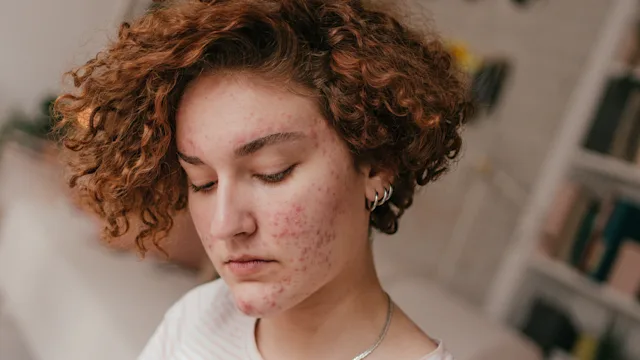
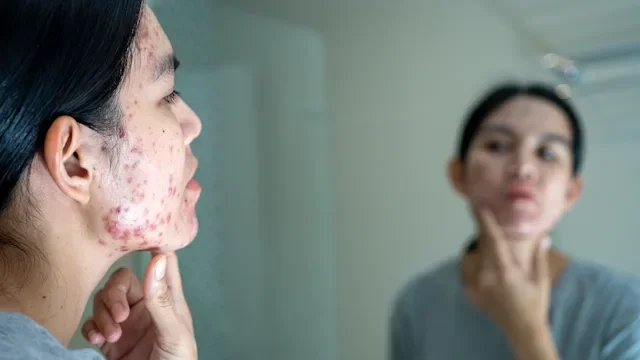
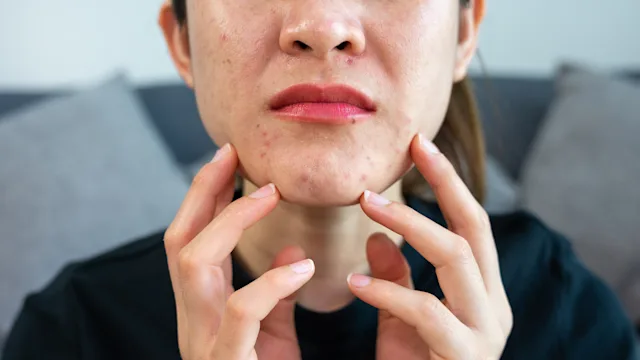
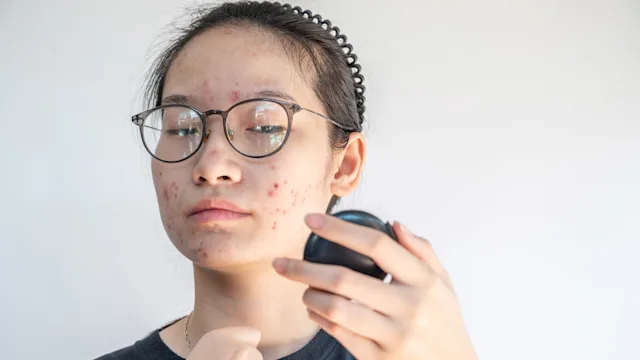
Accutane (isotretinoin) is a prescription-only, oral medication that treats a severe form of acne called nodular acne. It can be very effective at eliminating acne, but it’s usually only prescribed after other treatments haven’t worked.
Before your dermatologist prescribes you Accutane, they may talk to you about possible drug interactions that can occur with the medication. But what about interactions with foods or drinks, including alcohol? Here, we discuss what (if any) foods and drinks should be avoided with Accutane and why it’s best to take doses with meals containing fat
Brand-name Accutane is no longer available. But since many people know isotretinoin by this name, we’ll use it throughout this article.
Are there any foods to avoid while on Accutane?
There usually aren’t specific foods to avoid while on Accutane. Most people can continue eating their typical diet. However, there are a few diet-related things that are good to know if you’re taking Accutane. Below, we cover four of them.
1. You should avoid certain supplements, especially those containing vitamin A
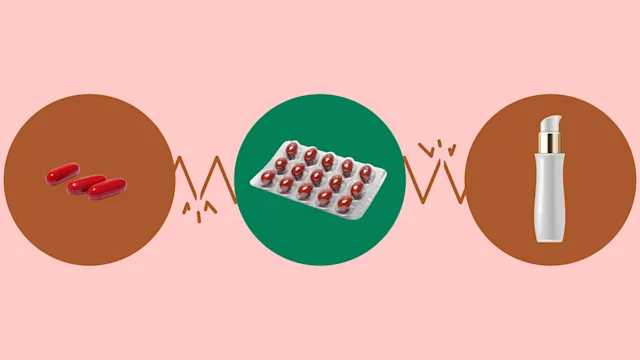
Accutane is a retinoid. Retinoids are effective acne medications that contain a form of vitamin A. Getting too much vitamin A can lead to toxicity, so it’s best to avoid using other products that contain vitamin A while taking Accutane. This includes vitamin A supplements, multivitamins that contain vitamin A, and even vitamin waters that contain vitamin A.
Symptoms of vitamin A toxicity may include nausea and vomiting, headache, and itchy and peeling skin. Contact your dermatologist immediately if you experience symptoms of vitamin A toxicity, or call Poison Control at 1-800-222-1222.
It can sometimes be hard to tell whether vitamins and supplements contain vitamin A. Common names for vitamin A to look for on product labels include retinyl palmitate, retinyl acetate, provitamin A, and beta-carotene. If you’re not sure whether a product includes vitamin A, check with your pharmacist.
Additionally, you may need to avoid another supplement called St. John’s Wort while you’re taking Accutane. This is because St. John’s Wort can make hormonal birth control less effective, and hormonal birth control is often required to prevent pregnancy during Accutane treatment.
Good to know: Several healthy foods are high in vitamin A, including sweet potatoes, canned pumpkin, and carrots. Most people don’t need to avoid these foods while taking Accutane. But if you normally consume an unusually large amount of foods rich in vitamin A, you may need to cut back. Before starting Accutane treatment, talk to your dermatologist about what foods you eat regularly and whether you may need to make changes to your diet during treatment.
2. You might consider avoiding certain foods that may worsen acne
In studies, some foods have been linked to acne. But it might not be the ones you think. For example, although it’s often suggested that greasy foods can cause acne, research hasn’t found a direct link between the two.
But foods with a high glycemic index (GI), or foods that can quickly increase your blood glucose (sugar), have been linked to acne breakouts. High GI foods include white bread, white pasta, and sugary drinks like soda and fruit juice. Research has shown that consuming low GI foods is linked to milder and less frequent breakouts. This includes non-starchy foods like dark-green vegetables, beans, and apples.
There’s also a possible link between dairy and acne. However, the research is mixed on which types of dairy, if any, cause acne. If your acne worsens when you consume more dairy, it might be worth giving it up to see if your acne improves. Just make sure you’re able to get enough calcium and vitamin D from other sources.
3. You might consider eating certain foods that may improve acne and overall skin health
While no individual food can solve skin problems, certain minerals, vitamins, and antioxidants can improve the appearance of skin. Just keep in mind that it’s your overall diet that has the most impact on skin health.
Foods that may help minimize breakouts include ones that are:
High in omega-3 fatty acids: This includes salmon, plant oils like flaxseed and canola oil, and walnuts.
Good sources of probiotics: This includes fermented yogurts, tempeh, and kombucha.
4. It’s important to stay hydrated while taking Accutane
A major side effect of Accutane is that it can dry out your skin, lips, and even your eyes. Getting enough water throughout the day can help minimize these side effects.
What about alcohol? Is it OK to drink while taking Accutane?
It’s best to avoid drinking alcohol if you take Accutane. This is because both substances can lead to liver problems, as well as increase certain types of fat in your blood.
Liver damage isn’t common with Accutane, but it’s possible. Alcohol, however, is known to cause liver problems, especially if you drink large amounts. This is because your liver is responsible for breaking down (metabolizing) and removing alcohol from your body after you drink it. This process can create substances that damage the liver. Over time, the damage can become significant if you drink large amounts or drink frequently.
As mentioned, both Accutane and alcohol can also increase levels of fat cells in your blood, such as triglycerides and cholesterol. This can be problematic because high triglycerides and high cholesterol can lead to heart attack, stroke, and liver disease.
Avoiding alcohol while taking Accutane is the safest option. If this doesn’t feel realistic for you, talk to your dermatologist. They may recommend another acne treatment that’s less risky when combined with alcohol.
Maria Robinson, MD, MBA, a board-certified dermatologist and dermatopathologist, spoke to GoodRx Health about when it’s OK to have a drink after you stop taking Accutane.
“Once you stop taking Accutane, it leaves your system after about a week. Drinking in moderation after that is usually considered safe,” she said.
Should you take Accutane with food?
Most Accutane products need to be taken with food. Specifically, they’re best taken with a high-fat meal. These products include:
Isotretinoin (the generic form of Accutane)
Clinical trials have compared how well these medications are absorbed when taken after a high-fat meal and on an empty stomach. Results show that a high-fat meal (one that contains about 50 g of fat) significantly increases the absorption of these medications. However, studies haven’t been done to see if a less-fatty meal is associated with decreased absorption. Studies also haven’t looked at the correlation between diet and the long-term effectiveness of Accutane.
If you’re taking one of these Accutane products, the most important thing is to take your doses with food that contains some fat. And choosing healthy fats, like polyunsaturated and monounsaturated fats, is your best bet. These fats can decrease triglyceride and cholesterol levels.
Examples of foods that contain healthy fats include oily fish like salmon and trout, nuts, and nut butters. Avocados and plant oils like flaxseed oil, canola oil, and soybean oil can also be good sources of healthy fat.
Good to know: There are two isotretinoin products that don’t need to be taken with food. Their names are Absorica and Absorica LD. Of these two products, Absorica LD is less affected by food. This means that blood levels of Absorica LD are fairly consistent whether you take it with food or not. Still, according to the manufacturer, neither medication needs to be taken with food.
Are there any risks to eating high-fat foods with Accutane?
As previously mentioned, Accutane can increase cholesterol and triglyceride levels. So, depending on your situation, eating large amounts of fat in your diet may not be healthy. And in general, experts recommend limiting fat to 20% to 35% of your total calories each day.
The bottom line
Accutane (isotretinoin) is a medication that treats a severe form of acne. Because it’s a form of vitamin A, you should avoid taking supplements and multivitamins that contain vitamin A during treatment. When it comes to your diet, however, you usually don’t need to avoid certain foods, including those high in vitamin A.
Most Accutane products (except for Absorica and Absorica LD) are best taken with foods that include healthy fats, such as nuts, nut butters, and avocados. Taking Accutane on an empty stomach can affect how well it’s absorbed, making it less effective.

Why trust our experts?



References
Akorn Operating Company LLC. (2022). Myorisan - isotretinoin capsule, liquid filled [package insert].
Del Rosso, J. Q. (2012). Face to face with oral isotretinoin: A closer look at the spectrum of therapeutic outcomes and why some patients need repeated courses. The Journal of Clinical and Aesthetic Dermatology.
Dr. Reddy's Laboratories Limited. (2022). Zenatane - isotretinoin capsule, gelatin coated [package insert].
Jones, M., et al. (2021). Advances in oral isotretinoin therapy. Journal of Drugs in Dermatology.
Mylan Pharmaceuticals Inc. (2022). Amnesteem - isotretinoin capsule [package insert].
National Institutes of Health, Office of Dietary Supplements. (2023). Vitamin A and carotenoids.
Sun Pharmaceutical Industries, Inc. (2023). Absorica/Absorica LD - isotretinoin capsule [package insert].
Teva Pharmaceuticals USA, Inc. (2022). Claravis - isotretinoin capsule, liquid filled [package insert].
Zydus Pharmaceuticals USA Inc. (2023). Isotretinoin - isotretinoin capsule [package insert].