



6 Corticosteroid (Steroid) Eye Drops: Uses, Formulations, and How to Save
Steroid eye drops, such as prednisolone, may be prescribed to treat inflammation from eye surgery. Learn more with this list of popular steroid eye drops.
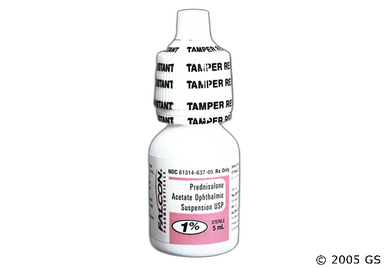
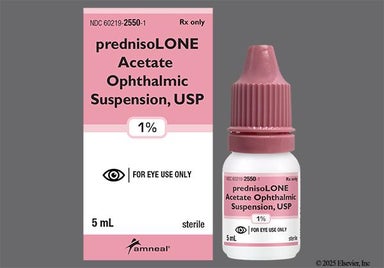
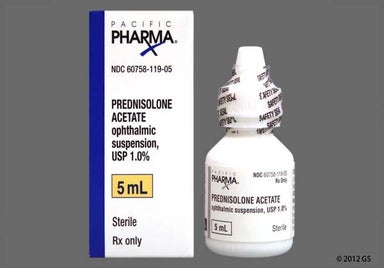
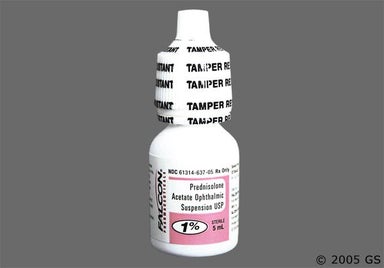
Prednisolone eye drops is a type of steroid eye drop. It helps treat eye inflammation in adults and children. The medication helps relieve symptoms like itchy eye, eye redness, and swelling in the eye. Prednisolone eye drops come as a generic as well as brand names like Pred Forte and Pred Mild. This eye drop is usually used in the affected eye(s) 2 to 4 times a day. Side effects can include temporary burning and stinging in the eye when you put the drops in.

Prednisolone eye drops are a type of corticosteroid, also called steroids. The medication works by lowering certain inflammatory chemicals in the body. When used in the eye, it helps lessen eye inflammation. This relieves symptoms like eye itching, redness, swelling, and pain.
| Common Brands | Pred Forte, Pred Mild, Omnipred |
|---|---|
| Drug Class | Corticosteroid |
| Controlled Substance Classification | Not a controlled medication |
| Generic Status | Lower-cost generic available |
| Availability | Prescription only |

The following side effects may get better over time as your body gets used to the medication. Let your healthcare provider know immediately if you continue to experience these symptoms or if they worsen over time.
Contact your healthcare provider immediately if you experience any of the following.
Along with its needed effects, a medicine may cause some unwanted effects. Although not all of these side effects may occur, if they do occur they may need medical attention.
Check with your doctor immediately if any of the following side effects occur:
Check with your doctor as soon as possible if any of the following side effects occur:
Less common or rare
Decreased vision
gradual blurring or loss of vision
vomiting
Some side effects may occur that usually do not need medical attention. These side effects may go away during treatment as your body adjusts to the medicine. Also, your health care professional may be able to tell you about ways to prevent or reduce some of these side effects. Check with your health care professional if any of the following side effects continue or are bothersome or if you have any questions about them:
More common
Blurred vision (mild and temporary, occurs after use of ointments)
Less common or rare
Burning, stinging, redness, or watering of the eyes
Other side effects not listed may also occur in some patients. If you notice any other effects, check with your healthcare professional.
Call your doctor for medical advice about side effects. You may report side effects to the FDA at 1-800-FDA-1088.




Prednisolone eye drops can cause some serious health issues. This risk may be even higher for certain groups. If this worries you, talk to your doctor or pharmacist about other options.
Using prednisolone eye drops for a long time can raise the risk of eye infections. It can also make current eye infections worse. Before starting this medication, tell your prescriber if you have an eye infection, such as a herpes infection in the eye. You shouldn't use these drops until the eye infection is treated.
Get medical care if you have more eye pain, redness, discharge, blurry vision, swelling, or itchy or burning eyes. These can be signs of an eye infection that needs to be checked out.
Using prednisolone eye drops for a long time can raise the risk of eye problems, like thinning of the cornea or cataracts. It might also raise the pressure in the eye, which can lead to glaucoma. These problems can damage the eye and affect your vision.
If you need to use prednisolone eye drops for 10 days or more, you'll need regular eye exams. Your eye specialist will check your eye pressure. Tell your prescriber or eye specialist if you notice vision changes or eye pain while using this medication.
Steroid eye drops like prednisolone can slow healing after eye surgery. Tell your prescriber if you recently had cataract surgery or another eye surgery. If you need to use these drops after surgery, follow your prescriber's instructions to help your eye heal properly.
Some prednisolone eye drops have sodium bisulfite in them. This is a sulfite that can cause allergic reactions in some people. People with asthma might have a higher risk of reacting to sulfites.
These reactions can be mild or very serious. This can include symptoms of anaphylaxis. Get medical help right away if you have signs of an allergic reaction. Watch out for a rash, swelling in the face or throat, tightness in the throat, or trouble breathing.


Although certain medicines should not be used together at all, in other cases two different medicines may be used together even if an interaction might occur. In these cases, your doctor may want to change the dose, or other precautions may be necessary. Tell your healthcare professional if you are taking any other prescription or nonprescription (over-the-counter [OTC]) medicine.


Contraindications are specific health conditions or situations in which a person should not take a medication due to safety concerns. If you have any of the following conditions or if any of the following apply to you, let your healthcare provider know because Prednisolone eye drops will not be safe for you to take.






Prescription savings
Stop paying too much for your prescriptions. Compare prices, get pharmacy coupons, and save up to 80%. Find expert answers to your health questions so you can make the best decisions for yourself and your family.
Health conditions
Medications & treatment
Access & affordability
Medication discounts

No, Prednisolone Acetate should be kept at room temperature.
If you miss a dose and it has only been a few hours, use the drops as soon as you remember. If it's almost time for your next dose, then skip the missed dose and wait until your next dose. Don't use extra doses to make up for any missed doses.
Before using the eye drops, wash your hands and shake the bottle well. If you wear contact lenses, they must be taken out of your eyes. Contact lenses can be put back in 15 minutes after this drug is given. Don't put contacts back in if your eyes are in pain, infected, or irritated. Once you put the drops in your eye, keep your eye closed while applying pressure to the inside corner of your eye for about one minute. This will help keep the medication in your eye.
In most cases, the drops are not used for more than a week. However, your healthcare provider will counsel you on how long you need to use the eye drops. If you are unsure, check with your healthcare provider.
If you have been using the eye drops for more than a week, your healthcare provider will give you a schedule on how to lower (or taper) the dose of the medication down. If you stop suddenly, you can have sudden inflammation (swelling) in your eye(s). If you are unsure when or how to stop the medication, it's important to speak with your pharmacist or provider.
