


How Much Is Imbruvica Without Insurance?
Imbruvica can cost thousands of dollars a month without discounts. Read on to learn more about how much Imbruvica is without insurance and ways to save with GoodRx.
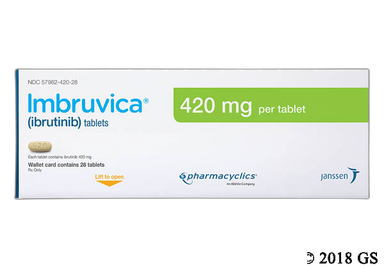
Imbruvica (ibrutinib) is a type of targeted therapy called a kinase inhibitor. It's used to treat adults with certain blood cancers. These are chronic lymphocytic leukemia and small lymphocytic lymphoma (CLL/SLL) and Waldenström's macroglobulinemia (WM). This medication can also treat chronic graft-versus-host disease (cGVHD) in people ages 1 year and older. Imbruvica (ibrutinib) comes as tablets, capsules, and a liquid. The dose is taken by mouth once a day. Common side effects are diarrhea, nausea, and rash.

Imbruvica (ibrutinib) is a type of kinase inhibitor. It's called a Bruton's tyrosine kinase (BTK) inhibitor. It works by blocking a protein called BTK. This protein helps certain immune cells grow and work.
For CLL/SLL and WM: Blocking BTK helps stop abnormal immune cells from growing. This helps slow the cancer.
For chronic graft-vs-host-disease (cGVHD): Imbruvica (ibrutinib) helps calm down your immune system. After a bone marrow or stem cell transplant, donor immune cells can cause your own immune system to attack your healthy tissues and organs. Blocking BTK helps stop your immune cells from attacking your body.
| Common Brands | Imbruvica |
|---|---|
| Drug Class | BTK inhibitor |
| Controlled Substance Classification | Not a controlled medication |
| Generic Status | No lower-cost generic available |
| Availability | Prescription only |

The following side effects may get better over time as your body gets used to the medication. Let your healthcare provider know immediately if you continue to experience these symptoms or if they worsen over time.
Note: Side effects were from adults with CLL/SLL. Side effects might differ for people taking Imbruvica (ibrutinib) for other conditions.
Contact your healthcare provider immediately if you experience any of the following.
Side effects that you should report to your care team as soon as possible:
Side effects that usually do not require medical attention (report these to your care team if they continue or are bothersome):




Imbruvica (ibrutinib) can cause some serious health issues. This risk may be even higher for certain groups. If this worries you, talk to your doctor or pharmacist about other options.
Some people taking Imbruvica (ibrutinib) have had bleeding episodes. This can include bleeding, bruising, or small red spots on the skin. In rare cases, bleeding can be serious or life-threatening. Examples include serious brain and stomach bleeds and blood in the urine.
In general, the risk of serious bleeding is higher if you also take any blood thinners. Tell your care team about all the medications you take so they can check your risk.
Because of the risk of serious bleeding, tell your care team about any planned procedures. Your prescriber might tell you to stop Imbruvica (ibrutinib) for a few days before and after the surgery. This depends on the type of surgery and your risk of bleeding.
Watch for unusual bleeding or bruising while taking Imbruvica (ibrutinib). If this happens, tell your care team. Get medical help right away if you see blood in your vomit, urine, or stool or have a sudden severe headache. These can be signs of serious bleeding.
Some people taking Imbruvica (ibrutinib) have had infections, which can sometimes be very serious. If you have a high risk, your prescriber might give you other medications to take with Imbruvica (ibrutinib) to help prevent infections.
Call your care team about any signs of infection while taking Imbruvica (ibrutinib). This includes fever, chills, cough, and sore throat.
In rare cases, some people taking Imbruvica (ibrutinib) have had serious heart problems. These included abnormal heart rhythm (arrhythmia) and heart failure. Some cases were fatal and sudden deaths have also rarely happened.
Before starting Imbruvica (ibrutinib), tell your care team about your medical history, especially any heart problems. Your prescriber might order heart scans or tests before treatment to check your risk.
Let your care team know if you feel your heart racing, feel lightheaded, or faint. Also tell them if you have chest pain or trouble breathing. These can be signs of heart problems. Your prescriber can check your heart and decide if you need a lower dose of Imbruvica (ibrutinib). If you develop heart problems, your prescriber can weigh the risks and benefits of continuing the medication.
Some people who take Imbruvica (ibrutinib) can have high blood pressure. This can start in the months after beginning treatment.
Get your blood pressure checked regularly while taking Imbruvica (ibrutinib). Also check at home. If your blood pressure stays higher than usual, tell your prescriber. They can start blood pressure medications and lower your dose of Imbruvica (ibrutinib).
Call for medical help right away if you have signs of very high blood pressure. Watch for severe headache, confusion, chest pain, nausea, anxiety, or trouble breathing. Very high blood pressure can be serious and needs medical care.
Some people who took Imbruvica (ibrutinib) developed other cancers. The most common type of cancer reported was non-melanoma skin cancer. Wear protective clothing and sunscreen if you're going outside. Talk to your prescriber if you're worried about this risk.
Some people taking medications like Imbruvica (ibrutinib) have had liver problems. These can sometimes be severe or life-threatening.
Before starting Imbruvica (ibrutinib), let your prescriber know if you have any liver problems. Your prescriber will also check your liver with blood tests. People with severe liver problems should avoid taking this medication.
During treatment, your prescriber will keep checking your liver with blood tests periodically. Watch for symptoms like yellowing of your skin or eyes, stomach pain, nausea, and low appetite. Tell your care team if you notice these symptoms during treatment. If needed, your prescriber might pause or stop Imbruvica (ibrutinib) to keep you safe.
Rarely, some people taking Imbruvica (ibrutinib) have had tumor lysis syndrome (TLS). This happens when cancer cells break down very fast in the body. It can cause changes in the levels of potassium, phosphorus, calcium, and uric acid in your blood. This can lead to muscle cramps, irregular heartbeat, kidney problems, or other organ issues if not treated.
Your prescriber will check your risk for TLS. The risk is higher if you have a lot of cancer cells in your body or cancer with very fast-growing cells. You're also at risk if you're dehydrated or have kidney damage.
Your care team will watch you closely for TLS during treatment. Call them right away if you have nausea, vomiting, low appetite, side pain, dark urine, or less urination. Also call if you have numbness, muscle cramps, or heart palpitations. These could be signs of TLS, which should get treated to prevent serious problems.
Based on animal studies, Imbruvica (ibrutinib) might harm an unborn baby if taken during pregnancy. If you can become pregnant, your prescriber might have you take a pregnancy test before starting treatment. This helps them make sure the medication is safe to start.
If you can become pregnant, use effective birth control while taking Imbruvica (ibrutinib) and for 1 month after your last dose. If your partner can become pregnant, also use birth control like condoms during this time. Tell your prescriber right away if you or your partner becomes pregnant.

CLL/SLL or WM
cGVHD
Your dose might differ depending on a few things. This includes if you have liver problems and if you have side effects. Your prescriber might also adjust the dose to keep you safe from interactions with certain medications.








Prescription savings
Stop paying too much for your prescriptions. Compare prices, get pharmacy coupons, and save up to 80%. Find expert answers to your health questions so you can make the best decisions for yourself and your family.
Health conditions
Medications & treatment
Access & affordability
Medication discounts

Imbruvica can be taken for many years. Continue to take this medication until your provider tells you to stop. Most people will continue to take Imbruvica until the side effects become too severe or their condition worsens.
Don't stop Imbruvica, unless your provider has instructed you to do so. Stopping the medication early or taking a break from the medication can cause disease flare ups and can cause your condition to worsen. If you have a surgery scheduled, your provider might tell you to stop taking the medication a few days before and after your procedure due to the higher risk of bleeding. Your provider will monitor you closely in this situation.
It's best to avoid alcohol while taking Imbruvica. This can help with diarrhea that you might experience during treatment. In addition, alcohol can damage the liver, which helps break down the medication in your body. Liver damage can raise medication levels in your body and raise your risk of side effects. This is also why people with severe liver problems should avoid Imbruvica.
No, Imbruvica shouldn't be used in pregnancy, as it can harm an unborn baby. If you're female of childbearing age, you'll need to take a pregnancy test before you start Imbruvica to make sure you're not pregnant. In addition, whether you're a female or male taking Imbruvica, if you or your partner is able to become pregnant, use reliable birth control during treatment and for 1 month after stopping the medication. Your partner can also use birth control during this time to prevent pregnancy as well.
