Men's Health Center


Many health conditions affect both men and women, like heart disease, cancer, and diabetes. Other conditions, like erectile dysfunction, only affect men. But the truth is: Men need to step it up when it comes to taking care of their health.
According to the National Institutes of Health (NIH), men are more likely than women to smoke, drink alcohol, and make other “unhealthy” life choices. Men also put off going to see the doctor, and they don’t go for regular checkups as often as women. This makes men more likely to have health problems and less likely to get treatment. Men also tend to die at a younger age than women.
Some of the top health conditions that affect men are:
Cancer
Accidental injuries
Lung problems
Liver problems
It’s very possible that one of these health problems will affect you, a friend, or a family member. Explore our resources to learn more about men’s health and what you need to know to take good care of yourself throughout your lifetime.


Sexual health is important for men of all ages. But it’s common for men to face challenges, especially with sexually transmitted infections (STIs) and erectile dysfunction.
Men who have sex with other people can get STIs in their penis, bottom, and mouth. STIs affect gay and bisexual men more than other groups of people, but all men should get tested regularly for oral, anal, and genital STIs.
The most common STIs in men are:
It’s also common for men to deal with erectile dysfunction, especially as they age. Erectile dysfunction is difficulty maintaining a firm erection. It affects almost 1 out of every 5 men in their lifetime.
If you’re sexually active with someone who can become pregnant, and you don’t want to start a pregnancy, you need to think about contraception. That means taking action to prevent pregnancy.
Men have two options for contraception:
Vasectomy: This is a surgical procedure that prevents sperm from leaving your body during sex. It’s a permanent form of birth control.
Condoms: Condoms are a thin, wearable barrier that blocks sperm from entering your partner’s vagina when you ejaculate. Condoms are only one-time use.
Men can also take actions to support women’s contraceptive choices. Talking openly with your partner about what (if any) birth control they prefer is a great place to start. You can also offer to help with details like driving to the doctor’s office or helping to pay any medical bills. Men can also buy emergency contraception pills at the pharmacy — to have on hand in case a condom breaks during sex.
Men are less likely than women to have mental health conditions. But when they do, men are less likely to get treatment. And even more sobering: Men are more likely to die by suicide.
There are many different mental health conditions that affect men. Common problems include:
It’s worth mentioning that depression can look very different in men and women. Women tend to have more “classic” symptoms, like sadness and hopelessness. Men, on the other hand, may seem more angry or aggressive. This can make it harder for men to get correctly diagnosed and begin treatment.
The benefits of regular strength training and cardiovascular exercise are lifelong. Regular exercise can protect your heart, keep your prostate healthy, and even help with erectile dysfunction. Exercise is also great for your mood and overall brain health — and it may help you live longer.
So how much exercise do men need? Even small amounts of exercise are good for you. But according to the CDC, men should get the following amounts of exercise every week:
At least 150 minutes of moderate-intensity activity (like brisk walking) or 75 minutes of vigorous activity (like running)
At least 2 days of strength-building exercise
If you’re over 65, you should also add balance-training exercises a few days a week, like standing on one foot. And for everyone: Be sure to talk to your doctor before starting a new exercise program, especially if you have a health condition.
Eating nutritious foods can give you energy and protect your health. This means focusing on fresh fruit and vegetables, high-fiber foods, fish, and other lean meats. It’s also great to choose “healthy” fats — like seeds, olives, and nuts — over “unhealthy” fats from animal products.
Not sure how to get started? The Mediterranean diet is an eating pattern that includes many of these suggestions. And there’s evidence that eating a Mediterranean diet can protect your heart, reduce your risk of cancer, and even promote healthy aging.
Men are also more likely than women to drink large amounts of alcohol — putting their health and safety at risk. If you do choose to drink, take care to stay within the recommended daily limit, especially since alcohol can cause cancer (even in moderate amounts). For men, the daily limit is no more than 2 drinks per day.
Healthy living for men means seeing your healthcare provider regularly. How often you need to visit your provider depends on your age and your health. But regular checkups are a great way to get to know your provider, learn about your body, and get answers to your questions. Seeing your provider regularly also helps you keep up with vaccinations and screening tests.
Screening tests are blood tests and procedures that look for medical problems. They can catch men’s health problems early, when they are easier to treat. Depending on your age and family history, your provider might recommend screening tests to look for:
And in addition to your primary care doctor, you should see two other specialists regularly:
Dentist: once or twice per year, for a dental cleaning and examination
Eye doctor: once every 2 years, for an eye examination
Like all people, men will experience changes to their bodies as they age.
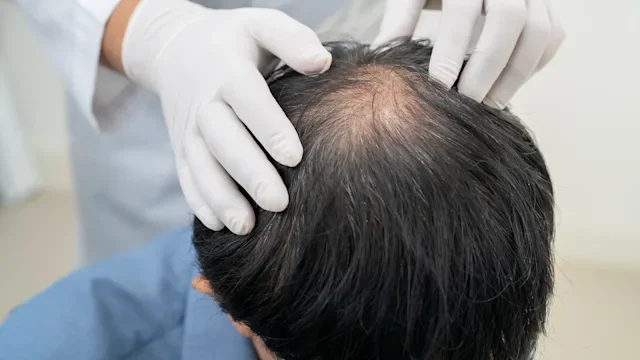
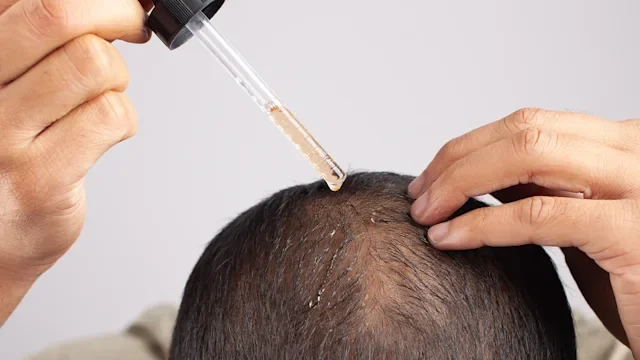
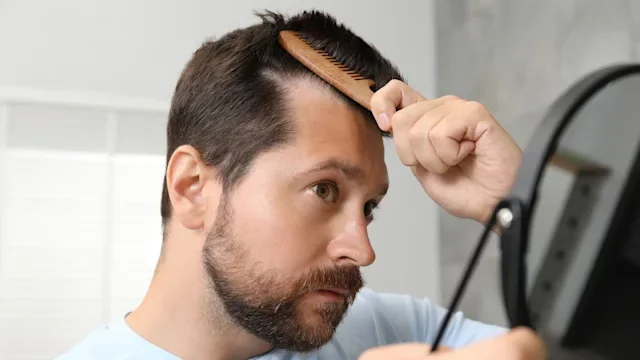
You may experience hair loss, first starting in your 30s and 40s. You might also find it harder to keep trim.
After age 40, men’s testosterone levels also slowly decline. Most men don’t have any symptoms from this. But for some men, changes in testosterone levels can lead to:
Lower sex drive
Erectile dysfunction
Changes in body shape and appearance
Changes in memory, mood, and concentration
And, as you enter your older years, your skin may become thinner, less elastic, and more fragile. You may notice skin growths, like skin tags, warts, and moles.
When it comes to prostate cancer, there are a lot of risks you can’t control — like your age, family history, and race. But there are many things you can do to keep your prostate healthy, like:
Eating nutritious foods, like fruits, vegetables, and whole grains
Cutting back on sugar, alcohol, red meat, and processed meat
Getting regular exercise
Maintaining a healthy weight
Not smoking
If you’re at high risk for prostate cancer, there are also some medications that may help to protect you — but these medications come with their own risks.
When it comes to prostate cancer, there are a lot of risks you can’t control — like your age, family history, and race. But there are many things you can do to keep your prostate healthy, like:
Eating nutritious foods, like fruits, vegetables, and whole grains
Cutting back on sugar, alcohol, red meat, and processed meat
Getting regular exercise
Maintaining a healthy weight
Not smoking
If you’re at high risk for prostate cancer, there are also some medications that may help to protect you — but these medications come with their own risks.
Getting checked for prostate cancer is a personal choice. If you’ve never had prostate cancer, and you’re between the ages of 55 and 69, talk to your healthcare provider. Your provider can help you understand the pros and cons of screening for prostate cancer. Some men choose to get checked for cancer, and some don’t — what really matters is that you talk to your provider so you can make an informed decision.
If you do decide to get checked, the first step is a prostate-specific antigen (PSA) test. This is a lab test that detects the amount of PSA in your blood. PSA levels can be high or low for many reasons — including prostate cancer.
No. There’s no age limit for having erections. But erectile dysfunction (problems getting hard, or staying hard) is more common in older men. Only about 5% of men under age 40 have erectile dysfunction, compared to 70% of men over age 70. Read more about erectile dysfunction, who it affects, and how it’s treated in this GoodRx guide.

Prescription savings
Stop paying too much for your prescriptions. Compare prices, get pharmacy coupons, and save up to 80%. Find expert answers to your health questions so you can make the best decisions for yourself and your family.
Health conditions
Medications & treatment
Access & affordability
 Our monthly healthcare membership can help you save thousands on your prescription costs.
Resources