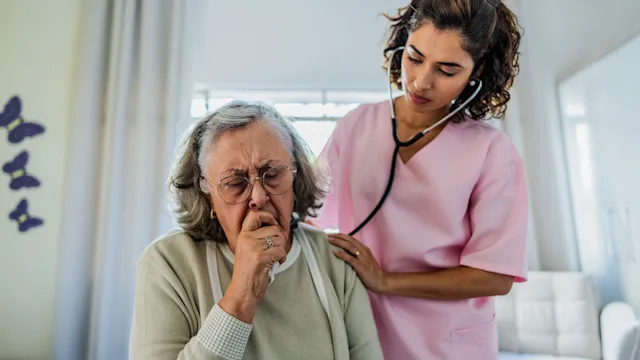
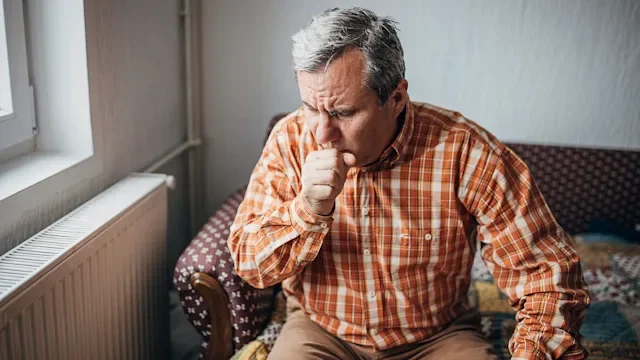
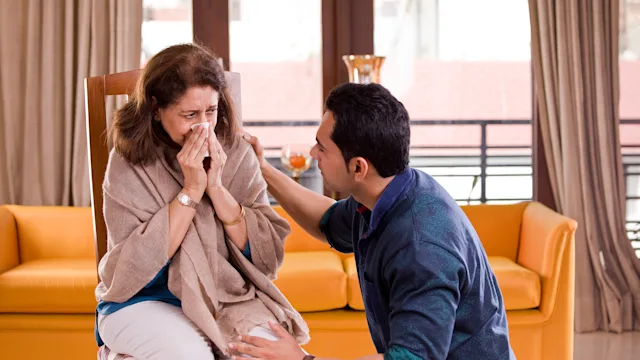
Pneumonia is a common infection that causes the air sacs (alveoli) in the lungs to fill with fluid or pus. The symptoms and severity of pneumonia can vary, depending on the germ that caused it — bacteria, a virus, or fungi — as well as your age and your overall health.
If you even have a slight suspicion that you or someone you know has pneumonia, don’t wait to see if the condition gets worse. Call a doctor as soon as possible — especially if you or a loved one is at high-risk for severe pneumonia. Most cases can be treated successfully, but the sooner you get treatment, the better.
American Lung Association. (n.d.). Pneumonia.
Centers for Disease Control and Prevention. (2022). Pneumonia.
GoodRx Health has strict sourcing policies and relies on primary sources such as medical organizations, governmental agencies, academic institutions, and peer-reviewed scientific journals. Learn more about how we ensure our content is accurate, thorough, and unbiased by reading our editorial guidelines.

Brittany Doohan was the Content Director at HealthiNation and is currently the Editorial Director at Medscape. Through her work with Medscape, she won a Silver Telly Award in May 2022 for "Sleepless Nation: A Public Health Epidemic — Episode 2: A Decade Without a Diagnosis." She has worked in health journalism and video production for more than 8 years, and loves the challenge of explaining complex topics in an easy-to-understand and creative way.

Karen Hovav, MD, FAAP, has more than 15 years of experience as an attending pediatrician. She has worked in a large academic center in an urban city, a small community hospital, a private practice, and an urgent care clinic.