Key takeaways:
Some medications can cause tinnitus, or ear ringing, as a rare side effect. Examples include aspirin, acetaminophen (Tylenol), and loop diuretics such as furosemide (Lasix).
Tinnitus often resolves once you stop taking the medication. But don’t stop taking any medications without talking with a healthcare professional first.
Several medications have been used off-label to treat tinnitus. But there’s little research to support their use. Other treatment options involve sound therapy and cognitive behavioral therapy.
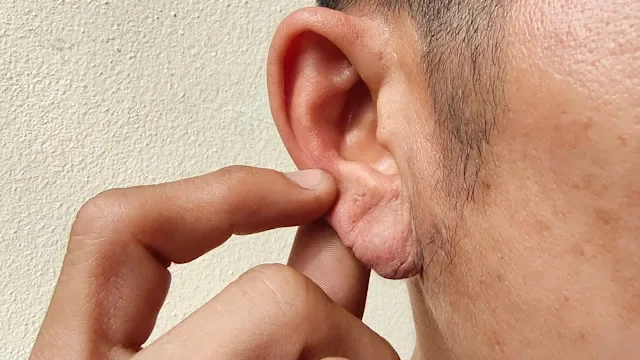
Tinnitus refers to a ringing, buzzing, or whooshing sound in the ears that only you can hear.
Many things can cause tinnitus. And sometimes, tinnitus can occur with no known cause. In any case, tinnitus can affect your quality of life, making it harder to sleep and complete your daily tasks. So, finding out the cause of your tinnitus, if there is one, is important.
Medications are one possible cause of tinnitus. Often, tinnitus will go away within a couple of weeks of stopping the medication. Here, we’ll cover 11 medications that can cause tinnitus and what to do if you experience ringing in your ears. Note that this isn’t an exhaustive list.
1. NSAIDs, such as aspirin
Nonsteroidal anti-inflammatory drugs (NSAIDs) are medications that treat inflammation, relieve pain, and reduce fevers. Examples include naproxen (Aleve, Naprosyn) and ibuprofen (Motrin, Advil). Another example is aspirin, which some people use at low doses for its heart benefits.
Research shows that these medications can increase your risk of tinnitus. For example, one study of almost 70,000 women found that taking NSAIDs several times a week increased the risk of tinnitus. Using high doses can also increase your risk. What’s more, NSAIDs can also cause hearing loss, though the risk is low overall. However, these effects appear to be reversible when you stop using these medications.
Keep in mind that taking low-dose aspirin daily (100 mg or less), or taking NSAIDs for short periods of time, is unlikely to cause tinnitus. So when it comes to taking NSAIDs, the dose you take and how long you take it for is important to minimizing your risk of tinnitus. Talk with a healthcare professional if you find yourself needing NSAIDs frequently.
2. Acetaminophen
Acetaminophen (Tylenol) is another pain reliever that can cause tinnitus. In the study mentioned above of close to 70,000 women, frequent acetaminophen use (6 to 7 days a week) was associated with a greater chance of developing tinnitus than not using acetaminophen at all. Less frequent use didn’t seem to raise the risk of tinnitus.
If you need acetaminophen for pain relief, make sure you take the lowest effective dose for the shortest amount of time possible. And if you find yourself needing acetaminophen on a daily basis for an extended period of time, let a healthcare professional know.
3. Benzodiazepines, such as Xanax
Alprazolam (Xanax), diazepam (Valium), and lorazepam (Ativan) are part of a group of medications called benzodiazepines. They treat several health conditions, including anxiety and panic disorder.
Ringing in the ears is a rare but possible complication of benzodiazepine withdrawal. This is most likely in people who’ve been taking the medications for longer periods of time. To avoid this side effect, it’s recommended to work with a healthcare professional when planning to stop taking a benzodiazepine. You might need to gradually reduce your dose over weeks or months. This can help lessen withdrawal symptoms such as tinnitus.
It’s important to note that some healthcare professionals may prescribe benzodiazepines to treat tinnitus. But this is an off-label use, and evidence on their effectiveness is lacking.
4. Antidepressants
There’s some evidence linking tinnitus to antidepressant medications. And some case reports describe tinnitus as a side effect of starting or stopping these treatments. So there are no clear links here.

Read more like this
Explore these related articles, suggested for readers like you.




Keep in mind that many people who have tinnitus also have depression and/or anxiety. The relationship between mental health disorders, their treatments, and tinnitus isn’t well understood. So let a healthcare professional know if you experience tinnitus when starting or stopping an antidepressant. They may be able to switch you to another medication, or help you wean off. It’s not a good idea to stop taking an antidepressant suddenly.
5. Aminoglycosides antibiotics, such as gentamicin
Aminoglycosides are a group of antibiotics that are known for their potential to cause ear-related side effects (ototoxicity), especially in kids. Gentamicin and tobramycin (Nebcin) are two examples. These are available as intravenous medications as well as other forms, such as eye drops.
Because of their ability to cause side effects, including ear problems like tinnitus and hearing loss, aminoglycosides aren’t as commonly used as they were decades ago.
Note that gentamicin and tobramycin eye drops, and topical gentamicin cream or ointment, don’t carry the same tinnitus risk as an intravenous infusion of these antibiotics.
5. Macrolide antibiotics, such as azithromycin
Azithromycin (Zithromax), clarithromycin (Biaxin XL), and erythromycin (Ery-Tab) are also antibiotics prescribed for bacterial infections. These medications are known as macrolide antibiotics, and they’ve been reported to cause tinnitus, especially when used for long periods of time.
6. Isotretinoin (Accutane)
Isotretinoin (Accutane) is an oral medication used to treat severe acne. It may cause tinnitus, although it’s rare. If you notice ringing in your ears or changes in your hearing, talk with a healthcare professional.
Aside from tinnitus, Accutane also has other possible risks, some of which may be severe. Because of these risks, it’s usually recommended to try topical acne treatments or hormonal methods before Accutane.
7. Loop diuretics, such as furosemide
Loop diuretics like furosemide (Lasix) and bumetanide (Bumex) are prescribed for edema (fluid buildup) and to lower blood pressure. However, loop diuretics may cause tinnitus as a side effect, along with hearing loss. These effects are more common in the following situations:
With high intravenous doses
In people with acute or chronic kidney disease
When used in combination with other medications that can damage your ears
If you experience tinnitus while taking a loop diuretic, let a healthcare professional know. But don’t stop taking your medication without speaking with them first.
8. Beta blockers, such as metoprolol
Beta blocker medications are used for the treatment of high blood pressure (hypertension) and coronary artery disease. Tinnitus is rare with beta blockers, but it has been reported with metoprolol (Lopressor, Toprol XL), bisoprolol, and nebivolol (Bystolic).
Hypertension is also associated with tinnitus. So it’s possible that your ear ringing symptoms could be from high blood pressure, rather than your medication. If you’re experiencing tinnitus, a healthcare professional may ask you to check your blood pressure at home more frequently to see if it’s high.
9. Antimalarial medications, such as hydroxychloroquine
Chloroquine and quinine (Plaquenil) are antimalarial medications that are commonly linked with tinnitus. Other possible side effects include hearing loss and vertigo. The hearing loss from these medications is usually sudden and sometimes irreversible.
10. Some cancer medications, such as cisplatin
Cisplatin and carboplatin are both cancer medications that can be toxic to the inner ear. These medications are among the most common to cause tinnitus, and the effects may be permanent.
11. Proton pump inhibitors
Proton pump inhibitors (PPIs) such as omeprazole (Prilosec) or pantoprazole (Protonix) are medications used to treat gastroesophageal reflux disease (GERD). While some research shows PPIs can cause tinnitus, other studies haven’t found a link between PPIs and hearing problems.
What are the best tinnitus medications?
There are currently no FDA-approved tinnitus medications. Experts recommend hearing evaluation and other interventions (more below) rather than medications. Several types of medications have been tried without much success. Experts also caution against using antidepressants, anti-anxiety medications, and dietary supplements for persistent tinnitus.
Can you use ear drops for tinnitus?
There are some ear-drop products that are sold as tinnitus relief medications. But they aren’t backed by research. Examples include Ring Relief and Ear Ringing Remedy. These are homeopathic products. We don’t have research to indicate they work for tinnitus, so check with a healthcare professional before trying them.
However, if your tinnitus is due to earwax buildup, over-the-counter (OTC) peroxide-based ear drops can help break down the wax. But don’t use cotton swabs (Q-tips) to remove the wax. This can damage your eardrum and make your tinnitus worse.
What else can you do to treat tinnitus?
As discussed, there are no medications that can treat tinnitus. But there are other treatments that are supported by evidence, including:
Using pleasant or calming sounds (called sound therapy) to reduce the sensation of ringing in the ears
Using a hearing aid if you’re experiencing hearing loss, which can improve your hearing and minimize the ringing sensation
Cognitive behavioral therapy (CBT), which can help you feel and function better
Treatment for other conditions like insomnia, anxiety, or depression, which can worsen tinnitus
Bimodal neuromodulation, which combines sound therapy with electrical stimulation of cranial nerves
Your healthcare team can help you figure out the right approach. They may first order additional testing, refer you to an audiologist for hearing testing, or suggest you visit with an ear, nose, and throat (ENT) specialist. It’s important to see a healthcare professional if you have sudden hearing loss, severe dizziness, or tinnitus that’s disrupting your daily life.
Frequently asked questions
There’s no evidence that Vicks VapoRub can help with tinnitus, despite what you might read online. Vicks VapoRub is an OTC, petroleum-based ointment that’s meant to help relieve coughing.
If your tinnitus is caused by a medication, your best chance for immediate relief is to stop the medication. However, you should always check with a healthcare professional before doing so, since some medications shouldn’t be stopped suddenly.
The bottom line
There are many medications that can cause tinnitus. But remember that tinnitus is usually a rare side effect, and you shouldn’t stop taking any medication without talking with a healthcare professional first.
Examples of medications that can cause tinnitus include aspirin, anti-inflammatories, and some antibiotics such as gentamicin and azithromycin (Zithromax). Other medications that can cause tinnitus include diuretics like furosemide (Lasix), certain cancer medications, and antimalarials.
There are no FDA-approved medications for tinnitus, but other treatments like cognitive behavioral therapy and hearing aids may help. If you have tinnitus, talk with your healthcare team about the best course of action for you.

Why trust our experts?




References
Adams, M. E., et al. (2026). Clinical practice guideline: Tinnitus update. Otolaryngology—Head and Neck Surgery.
Barbieri, M. A., et al. (2019). Ototoxic adverse drug reactions: A disproportionality analysis using the Italian spontaneous reporting database. Frontiers in Pharmacology.
Becker, B., et al. (2026). Tinnitus in urban settings: Insights into lifestyle and medical factors from the Hamburg City Health Study. European Archives of Oto-Rhino-Laryngology.
Boedts, M., et al. (2024). Combining sound with tongue stimulation for the treatment of tinnitus: a multi-site single-arm controlled pivotal trial. Nature Communications.
Clewes, J. (2012). A case report of onset of tinnitus following discontinuation of antidepressant and a review of the literature. The Primary Care Companion for CNS Disorders.
Curhan, S. G., et al. (2021). Longitudinal study of analgesic use and risk of incident persistent tinnitus. Journal of General Internal Medicine.
Dalrymple, S., et al. (2021). Tinnitus: Diagnosis and management. American Family Physician.
Dille, M. F., et al. (2010). Tinnitus onset rates from chemotherapeutic agents and ototoxic antibiotics: Results of a large prospective study. Journal of the American Academy of Audiology.
Ding, D., et al. (2016). Ototoxic effects and mechanisms of loop diuretics. Journal of Otology.
Fu, X., et al. (2021). Mechanism and prevention of ototoxicity induced by aminoglycosides. Frontiers in Cellular Neuroscience.
Hoshino, T., et al. (2010). Effects of NSAIDs on the inner ear: Possible involvement in cochlear protection. Pharmaceuticals.
Khadivi, A., et al. (2025). Proton pump inhibitors and risk of hearing loss; a systematic review. Naunyn-Schmiedeberg's Archives of Pharmacology.
Krause, K. M., et al. (2016). Aminoglycosides: An overview. Cold Spring Harbor Perspectives in Medicine.
Laskey, C., et al. (2020). Tinnitus associated with benzodiazepine withdrawal syndrome: A case report and literature review. The Mental Health Clinician.
Martinez-Devesa, P., et al. (2010). Cognitive behavioral therapy for tinnitus. Cochrane Database of Systematic Reviews.
Matz, O., et al. (2023). Tinnitus. StatPearls.
Miller, C. W. T. (2016). Development of tinnitus at a low dose of sertraline: clinical course and proposed mechanisms. Case Reports in Psychiatry.
Prayuenyong, P., et al. (2020). Clinical implications of chloroquine and hydroxychloroquine ototoxicity for COVID-19 treatment: A mini-review. Frontiers in Public Health.
Psillas, G., et al. (2023). The effect of anxiolytics on tinnitus. Journal of Clinical Medicine.
Rivetti, S., et al. (2023). Aminoglycosides-related ototoxicity: Mechanisms, risk factors, and prevention in pediatric patients. Pharmaceuticals.
The Procter & Gamble Manufacturing Company. (2023). VICKS VAPORUB- camphor (synthetic), eucalyptus oil, and menthol ointment .
Tunkel, D. E., et al. (2014). Clinical practice guideline: Tinnitus. Otolaryngology—Head and Neck Surgery.
Vanneste, S., et al. (2026). Tinnitus. Nature Reviews Disease Primers.
Vanoverschelde, A., et al. (2021). Macrolide-associated ototoxicity: a cross-sectional and longitudinal study to assess the association of macrolide use with tinnitus and hearing loss. Journal of Antimicrobial Chemotherapy.
Yee, J., et al. (2021). Proton pump inhibitor use and hearing loss in patients with type 2 diabetes: Evidence from a hospital-based case-control study and a population-based cohort study. British Journal of Clinical Pharmacology.