Key takeaways:
Retinol is a topical form of vitamin A that’s used in many over-the-counter (OTC) skin care products.
It helps skin in several ways, including by fighting acne, increasing skin cell turnover, and making skin look smoother.
Since retinol is a powerful ingredient, it can cause skin irritation like redness and flaking. It helps to start slowly and build up gradually over time. Apply retinol at night, use moisturizer, and wear sunscreen during the day to protect your skin.
Save on related medications
Retinol has a strong reputation as a standout skin care ingredient — and for good reason. A form of vitamin A, it’s one of the most well-studied ingredients in skin care. Its proven benefits include boosting cell turnover, smoothing fine lines, and unclogging pores. This is why it's commonly found in many over-the-counter (OTC) topical skin products.
Retinol is potent, however, and it can cause irritation. So it’s important to use it carefully.
Retinol vs. retinoids
Retinol and retinoids are related, and some people use the terms interchangeably. But they aren’t the same. The difference is mostly about strength and how directly each acts on your skin.
Search and compare options
Retinoid is an umbrella term that refers to the prescription-strength forms of vitamin A that have been used in dermatology for decades. Topical retinoids are best for:
Moderate to severe acne
Acne scarring
Psoriasis
Retinol has many of the same benefits as retinoids. But it’s available OTC because it’s not as strong. Retinol is often best for:
Signs of skin aging — including fine lines, wrinkles, uneven skin tone, and texture
Mild acne
How does retinol work?
When you use retinol (or a topical retinoid), it absorbs into your skin and is converted into its active form, retinoic acid. Retinoic acid acts on the skin cells and changes how they grow and shed.
One of retinol’s main roles is to speed up skin cell turnover, helping your skin shed dead cells. This process slows down with age. By increasing cell turnover, retinol helps skin look brighter and smoother.
What are the top retinol benefits for your skin?
Let’s take a closer look at the different ways retinol can benefit your skin.
1. Improves acne
Retinol and retinoids are the cornerstone of acne treatment, according to Abigail Waldman, MD, a dermatologist and associate professor at Harvard Medical School.
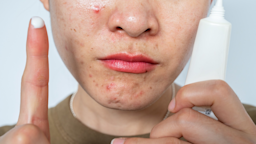
Retinol can prevent pores from becoming clogged with oil and dead skin cells, which can lead to breakouts. Retinol also helps regulate excess oil production, another cause of acne.
But when it comes to severe acne, Waldman notes that stronger retinoids may be more effective. “While retinol has less effect on acne, retinoids such as adapalene and tretinoin can also be used for that purpose,” she said.

Read more like this
Explore these related articles, suggested for readers like you.

2. Helps reverse sun damage
Over time, sun exposure can take a toll on skin. In addition to increasing your risk of skin cancer, sun exposure can also speed up skin aging resulting in wrinkles, age spots, and blotchiness.
Retinol can’t prevent skin cancer — but it can help reverse the signs of sun damage, leading to brighter and firmer skin.
3. Treats signs of aging
A major benefit of using retinol is younger-looking skin. As you age, your skin produces less collagen and elastin — the proteins that help keep your skin supple, plump, and smooth. Retinol stimulates the production of collagen and elastin. By increasing these proteins, retinol can minimize the appearance of fine lines and wrinkles. And by promoting skin cell turnover, retinol leaves skin feeling smoother.
4. Evens out skin tone and treats pigmentation
Skin hyperpigmentation — like acne scars, sun spots, and melasma — can be frustrating to deal with. Retinol can help with this too. It does this by blocking excess pigment (melanin) from forming. And by speeding up cell turnover, retinol also leads to a brighter, more even skin tone.
Who should use retinol?
According to Waldman, almost anyone can benefit from retinol. It’s for anyone who isn’t pregnant or trying to become pregnant and who wants to “improve the appearance of their skin, prevent aging, and fade hyperpigmentation,” she said.
For teenagers and young adults who struggle with acne, retinol and other retinoids can be a great treatment to keep breakouts at bay. In adulthood, retinol helps prevent — and treat — the many signs of skin aging.
Choosing between different retinol formulations
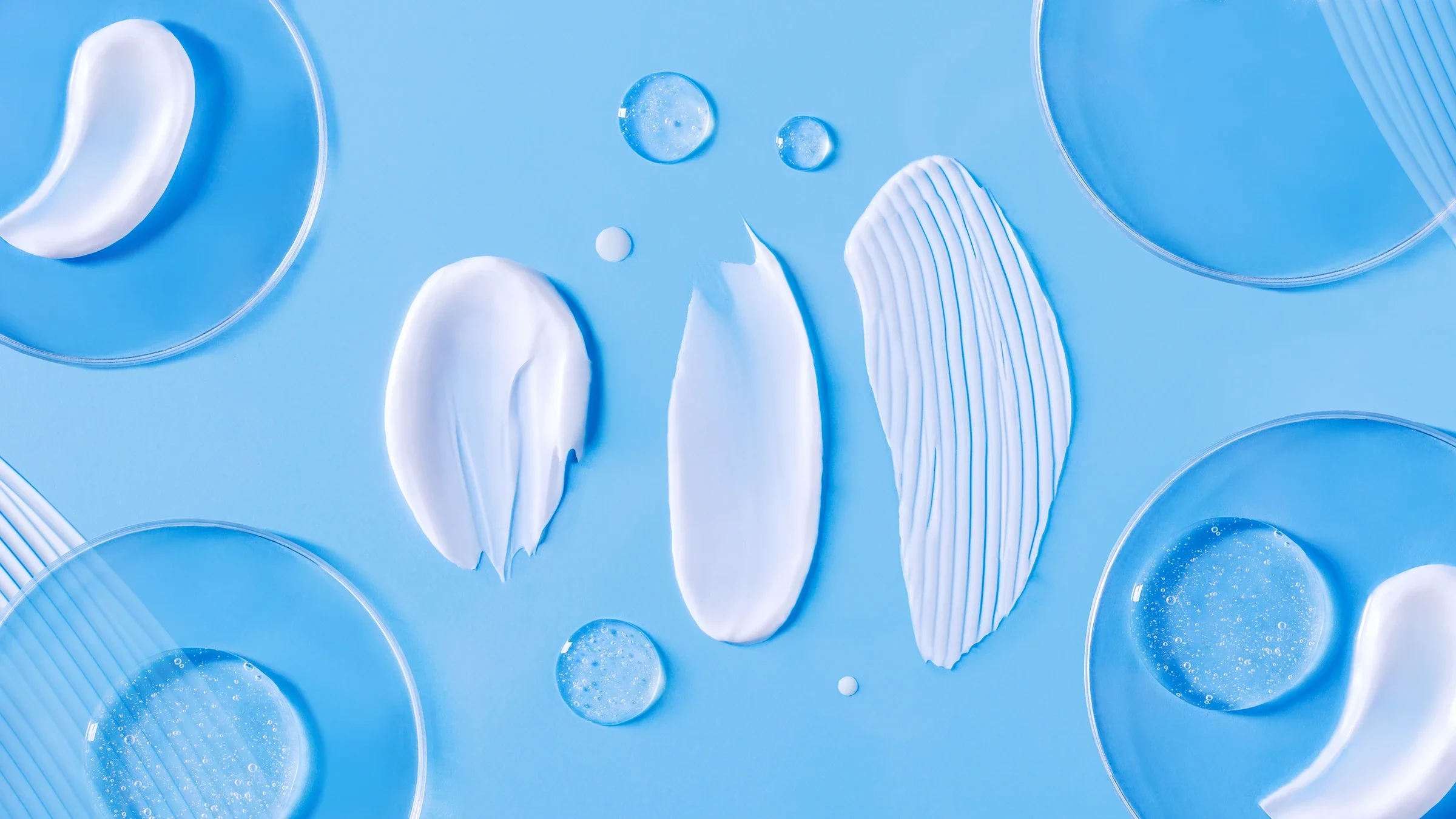
There are many retinol formulations available, such as creams, serums, and gels. And these formulations can affect your skin differently. For example, according to Waldman: “Serums are more potent than creams, but they can also be more irritating for the same reason.”
In general, the higher the concentration of retinol, the more benefits you may notice. And a higher concentration may mean faster results. But a higher concentration is also more likely to cause irritation.
So which is the best type of retinol for you to use? “The best formulation and strength is going to be the one you can use long term,” said Waldman.
Key retinol ingredients
Retinol isn’t always listed as “retinol” on product labels. It can appear under several related names, including:
Retinol
Retinyl esters
Retinyl propionate
Retinaldehyde
Retinyl palmitate
Retinyl retinoate
OTC retinol products may contain up to 2% retinol.
Another OTC option is adapalene 0.1% (Differin). This is a retinoid that was once prescription-only but is now widely available OTC. Prescription-retinoids work differently and are much stronger than retinol products.
Keep in mind that a higher strength doesn’t necessarily mean it’s better. What’s best for you depends on:
The results you’re looking to achieve
Your skin type
Your budget
Whether you’ve used retinol or retinoids before
How to use retinol
Waldman recommends using retinol at night because light and air can deactivate it. If you have sensitive skin or are new to using retinol, start slowly by using it every 2 or 3 days to avoid irritation. Then you can work your way up to nightly use if your skin tolerates it.
Here are some general tips for use:
Use a small amount: Spread a pea-sized amount over your face in a thin layer, avoiding the eye area.
Start slowly: Apply 2 to 3 nights per week at first, building up slowly as your skin gets used to it.
Use a good moisturizer: Since retinol can be drying, layer moisturizer on top of your retinol. You can also layer moisturizer underneath retinol if you’re prone to irritation.
Avoid other active ingredients and exfoliants: On the days you use retinol, avoid scrubs and other active skin care products, like acids.
Stop use before skin procedures: Pause retinol use for several days before skin treatments like waxing, lasers, or peels.
Does retinol have negative effects?
It’s common to experience some skin irritation — like redness, burning, or dryness — as your skin adjusts to retinol. If this is the case for you, try using retinol less often, or go with a lower strength. Over time, skin builds a tolerance to retinol, and most people can use it regularly without any problems.
Retinol can make your skin more sun sensitive, even if you only apply it at night. Apply sunscreen every day, making sure that it’s a broad-spectrum formula that’s SPF 30 or higher. Reapply sunscreen frequently when outside.
Can you use retinol while pregnant or breastfeeding?
Most experts advise against retinol during pregnancy or while you’re breastfeeding. Retinol isn’t as strong as retinoids. Even so, it’s important to talk with your obstetrician before starting or continuing retinol. They may have an alternative to suggest, depending on why you’re using it.
Frequently asked questions
How fast retinol works depends on what you’re using it for, along with what strength product you’re using. It can take up to 12 weeks to start noticing retinol’s benefits. So be patient, and stick with it.
Some people who start using retinol find that their acne gets a little worse before it gets better (sometimes called “retinol purge”). This is temporary and normal, and it means the medication is working by speeding up cell turnover. But this is less likely to happen with retinol than with a stronger retinoid product.
Retinol does expire, and many products list an expiration date or a PAO (period after opening) symbol. Once opened, most retinol products last about 6 to 12 months. Exposure to light, air, and heat can reduce retinol’s effectiveness. That’s why it’s often packaged in opaque, air-tight pumps rather than jars. It also helps to store retinol products in a cool, dark place. And if you notice any changes in the color, smell, or texture of a product, that means the product is likely past its peak and should be replaced.
Retinol may help improve acne scars by building collagen, smoothing out skin, and evening out coloring. But retinoids may be more effective than retinol for acne scars since they’re stronger and faster acting.
How fast retinol works depends on what you’re using it for, along with what strength product you’re using. It can take up to 12 weeks to start noticing retinol’s benefits. So be patient, and stick with it.
Some people who start using retinol find that their acne gets a little worse before it gets better (sometimes called “retinol purge”). This is temporary and normal, and it means the medication is working by speeding up cell turnover. But this is less likely to happen with retinol than with a stronger retinoid product.
Retinol does expire, and many products list an expiration date or a PAO (period after opening) symbol. Once opened, most retinol products last about 6 to 12 months. Exposure to light, air, and heat can reduce retinol’s effectiveness. That’s why it’s often packaged in opaque, air-tight pumps rather than jars. It also helps to store retinol products in a cool, dark place. And if you notice any changes in the color, smell, or texture of a product, that means the product is likely past its peak and should be replaced.
Retinol may help improve acne scars by building collagen, smoothing out skin, and evening out coloring. But retinoids may be more effective than retinol for acne scars since they’re stronger and faster acting.
The bottom line
Retinol is a popular skin-care ingredient that’s used in many over-the-counter products, like creams, lotions, and serums. And for good reason. It has many proven skin benefits, like treating acne, reducing fine lines and wrinkles, and improving the look and texture of skin.
Most people tolerate this powerful ingredient very well. If you experience any skin irritation, like redness and flaking, cut back on how much you use. Then you can increase it gradually over time. Retinol is best used at night. But, to enhance its effects, don’t forget sunscreen in the morning.

Why trust our experts?




References
American Academy of Dermatology Association. (n.d.). Is any acne treatment safe to use during pregnancy?
Motamedi, M., et al. (2022). A clinician’s guide to topical retinoids. Journal of Cutaneous Medicine and Surgery.
Mukherjee, S., et al. (2006). Retinoids in the treatment of skin aging: An overview of clinical efficacy and safety. Clinical Interventions in Aging.
Spierings, N. M. K. (2021). Evidence for the efficacy of over-the-counter vitamin a cosmetic products in the improvement of facial skin aging: A systematic review. The Journal of Clinical and Aesthetic Dermatology.