Caregiving: Your GoodRx Guide


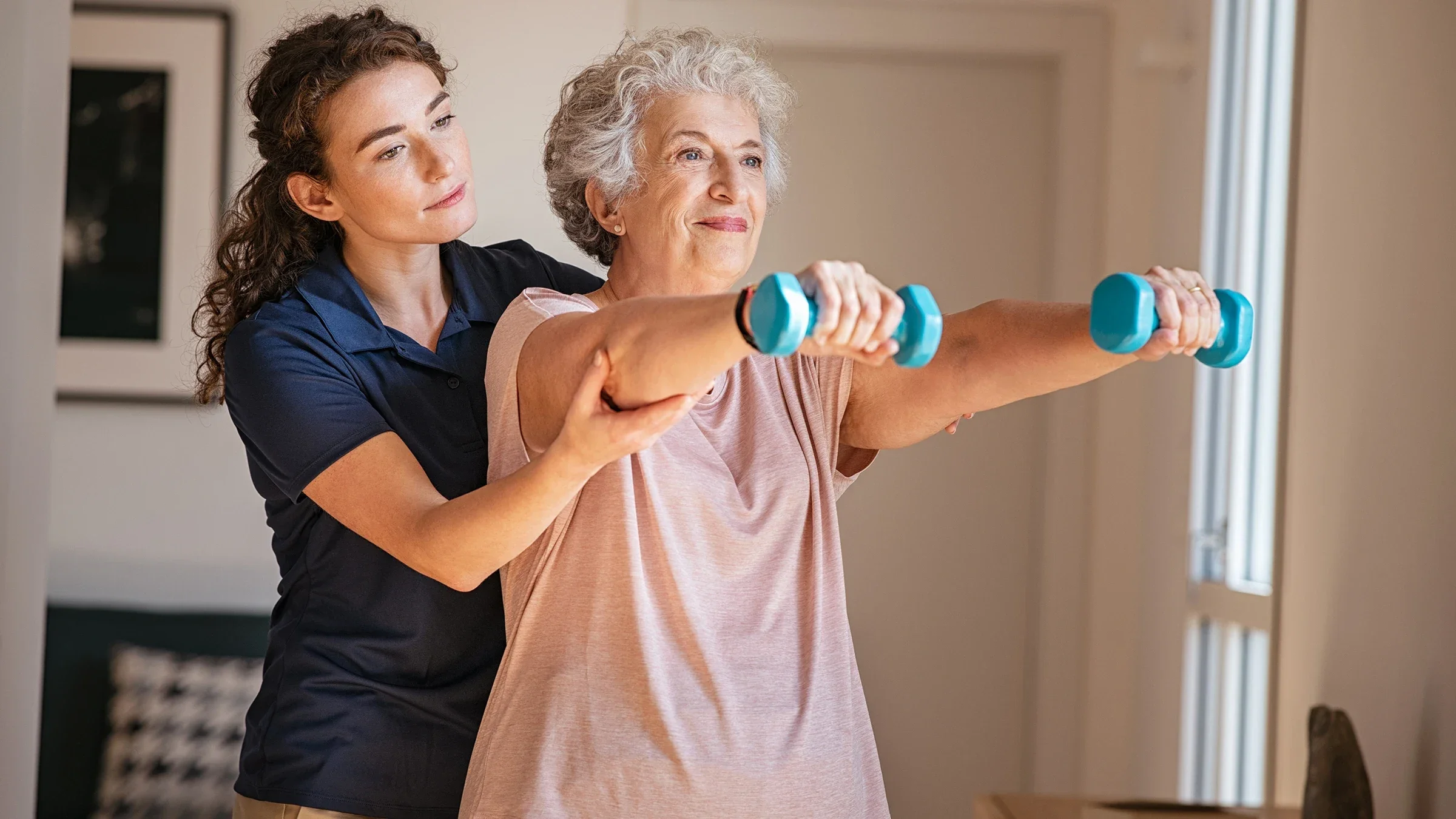
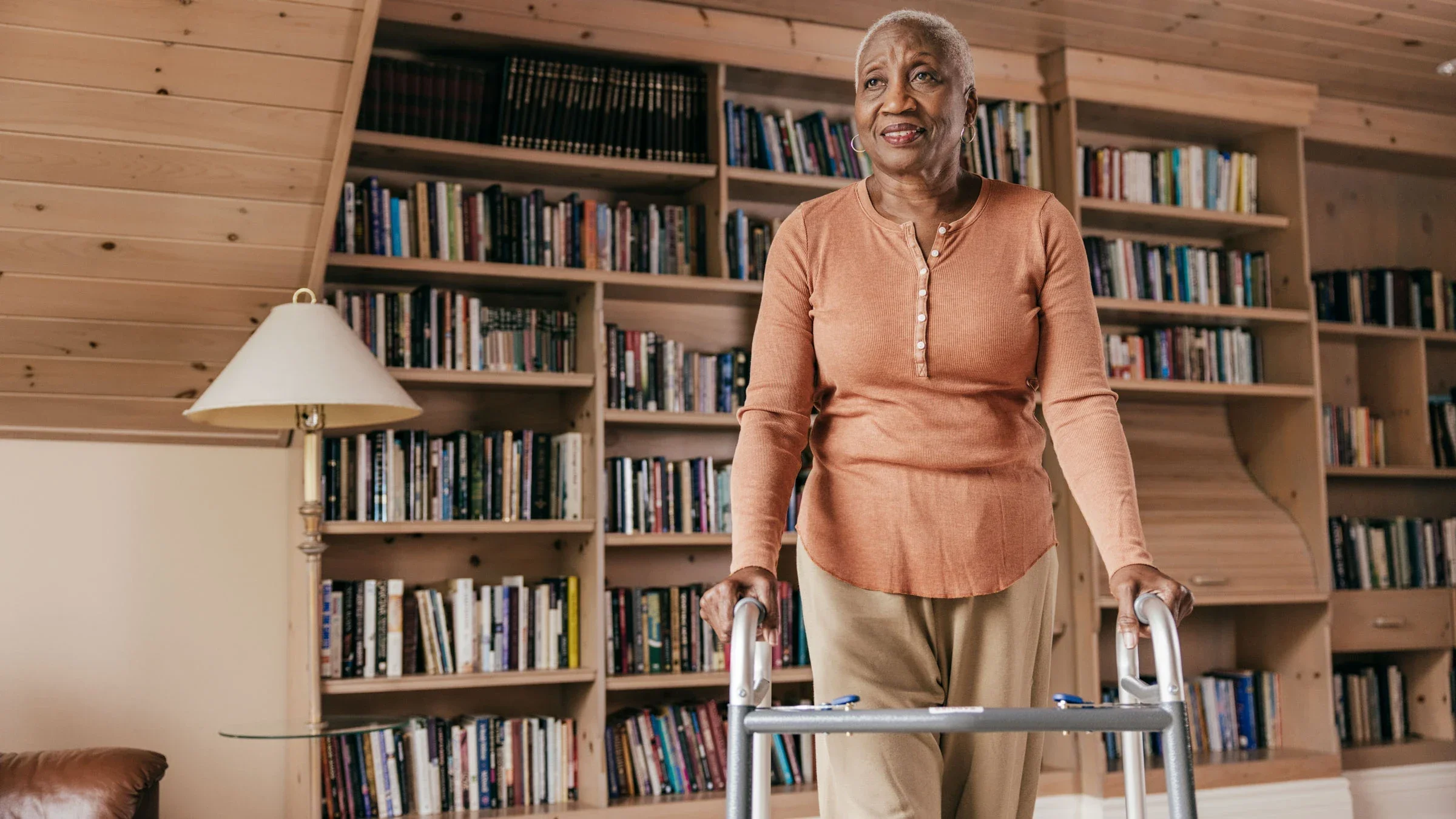
A caregiver helps a person who can’t independently care for themselves. Often, this means taking care of an older adult or someone with a terminal health condition. It can also be caregiving for a child with a serious illness or special needs.
Some people work outside the home as professional caregivers. But here we will be talking about unpaid caregiving. This kind of caregiver usually helps a family member or someone close to them. This might be a:
Parent
Spouse
Relative
Neighbor
Close friend
A caregiver may live with the person receiving care. But a caregiver might also be a friend or family member who lives nearby. Sometimes it even means coordinating or providing services from a distance.


A caregiver’s role often depends on the person who needs care. It also depends on the amount of outside resources that are available to help.
A caregiver’s responsibilities can vary in:
Intensity: Some caregivers need to provide medical and physical support round the clock, like for someone who had a serious stroke. In other cases, the caregiver may only need to help with certain tasks, like grocery shopping or bathing.
Length of time: Sometimes a person’s needs last for a limited time. An example of this is someone who is recovering from a major surgery. But, in many cases, the person’s needs are for a permanent condition.
Stability: Someone's needs can vary from day to day or be unpredictable. This may occur in mental health conditions, for example. But with something like a stroke, the level of caregiving may be somewhat stable.
Path: Many kinds of caregiving become more complex over time. An example is caring for someone with dementia. And many caregivers also have an important role in meeting physical, emotional, and spiritual needs at the end of life.
It may be obvious what kind of help a person needs. But a lot of caregiving goes on behind the scenes. And, in many situations, it changes with time or circumstances.
Caregiving can include:
Household tasks: cleaning, laundry, and meals
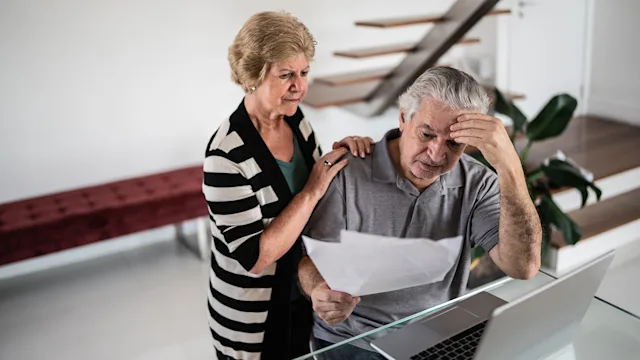
Organizational support: bills, finances, and appointments
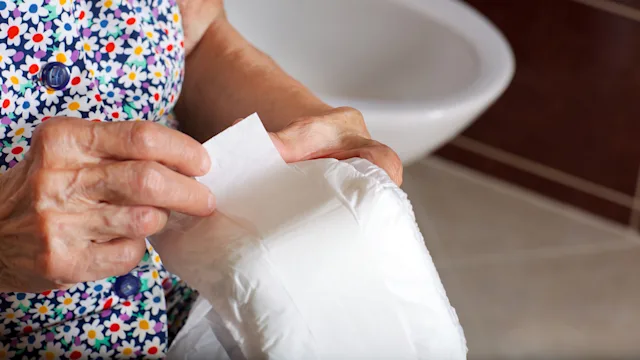
Hygiene: dressing, bathing, going to the bathroom, and brushing hair and teeth
Safety: promoting safety inside the home
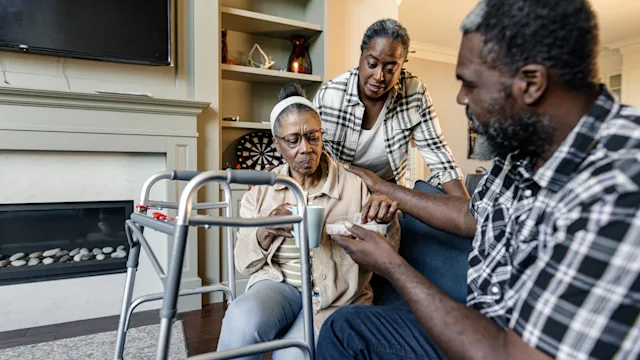
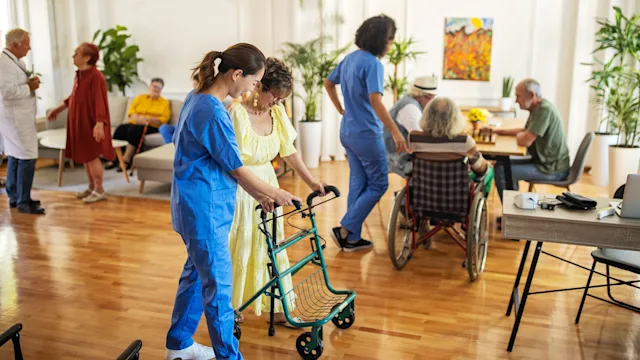
Mobility: getting around at home and outside of the house
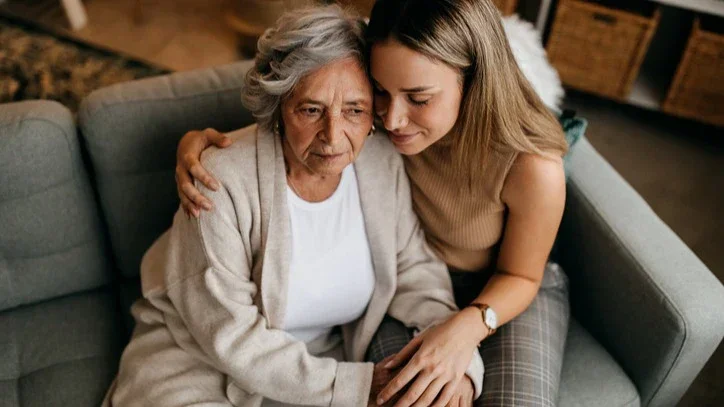
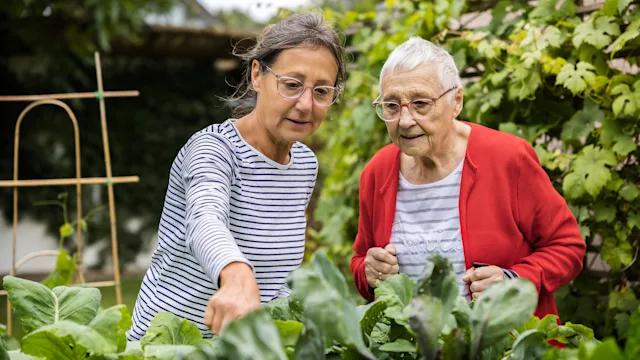
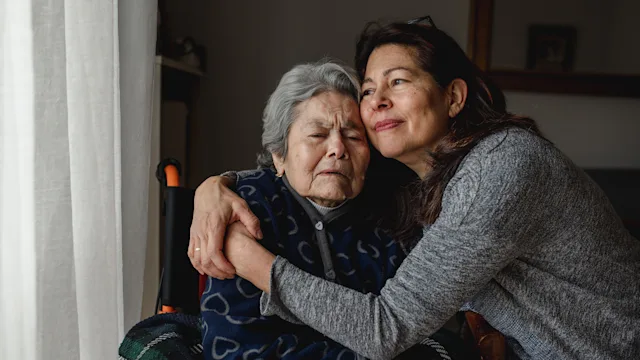
Emotional health: communication, companionship, and support
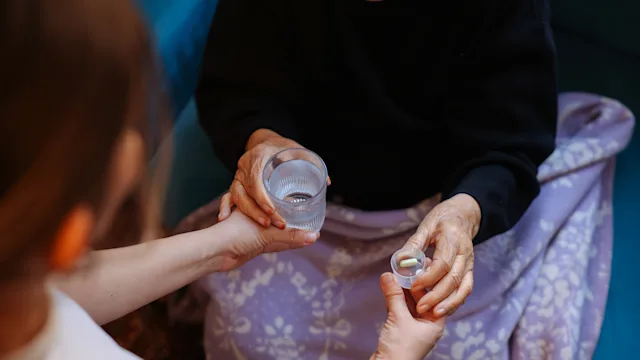
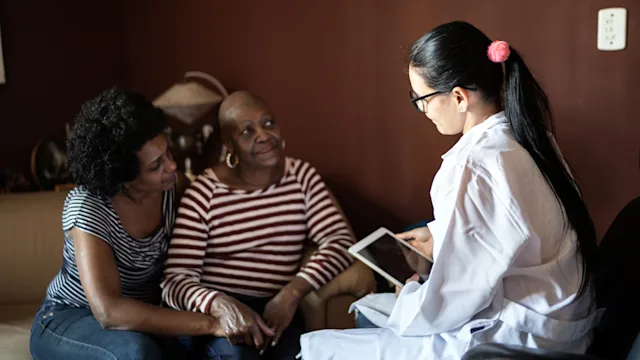
Medical needs: medications, appointments, at-home testing, and wound care
Caregiving also happens in different forms and places. A caregiver may:
Live with the person receiving care
Provide in-person care but not live with them
Provide help alongside a professional caregiver
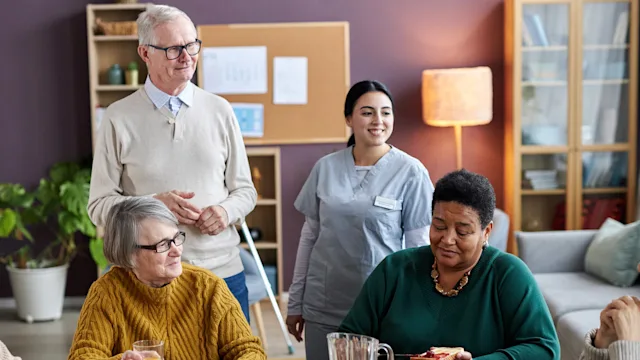
Give extra care to someone living in an assisted living or nursing facility
Many people find meaning and purpose in caregiving. But there are also plenty of challenges and concerns.
Caregiving can take a toll on the caregiver’s own physical health. Caregivers have more health conditions like cardiovascular disease, diabetes, and cancer. They report more pain. And they have higher levels of stress hormones and inflammation.
Mental health is also a challenge. Stress, burnout, and depression are real concerns. Caregiving can also strain relationships with family and friends.
Caregiving can be a financial stress. Caregivers may have to take days off work, lose promotions, or use their own money to help pay for care.
Many caregivers seek education and training in caregiving. This includes learning about healthcare and safety as well as making legal and financial decisions.
When you’re busy taking care of others, it helps to remember your oxygen mask. You know that announcement they make on airplanes, how you should put on your own oxygen mask before helping someone else? That also applies to caregivers.
Taking care of yourself might not be at the top of your to-do list. But it’s important for your long-term physical and mental health as well as the work that you’re doing right now. Experts recommend starting with reminders like these:
Eat a healthy diet.
Stay active with exercise you enjoy.
Get enough sleep.
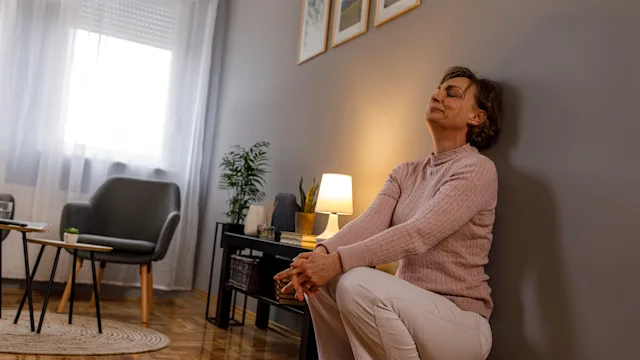
Try deep-breathing exercises or meditation.
Pay attention to your own health (like medications and healthcare visits).
Stay involved with activities you enjoy.
Carve out time for your personal relationships.
Say “no” when you need to, and ask others for help.
Taking care of someone else requires a strong support network. It might help to know that, as a caregiver, you’re not alone. Nearly 1 in 5 people in the U.S. are providing unpaid care for someone who needs it. But when you’re in the middle of it yourself, even looking for help can feel overwhelming.
Your local government and social service agencies can be good places to start. Many communities have programs for older adults and people with special needs.
You can also check out these online resources:
End-of-life care:
Government programs:
Taking good care of your own needs is a good place to start. Other people have found it helpful to:
Join a support group.
Make to-do lists and have a regular routine.
Take a break. Enlist the help of family and friends. Or look into day-care or respite programs.
Engage with other people. Let others take care of you sometimes.
Taking good care of your own needs is a good place to start. Other people have found it helpful to:
Join a support group.
Make to-do lists and have a regular routine.
Take a break. Enlist the help of family and friends. Or look into day-care or respite programs.
Engage with other people. Let others take care of you sometimes.
Both words are used, but “caregiver” is more common. “Caretaker” often refers to someone who is paid to do hands-on tasks. The term “caregiver” usually describes a family member or friend who takes care of someone else.
There are agencies and programs where you can get a job as a paid caregiver. Often it’s not possible to receive payment to care for someone in your own family. But some Medicaid programs or veterans’ benefits may reimburse for family caregiving.
Check out local and online resources. Talk with healthcare providers and ask questions. There are also some free courses and certifications for caregiving.
Alzheimer’s.gov. (n.d.). Tips for caregivers and families of people with dementia.
Alzheimer’s Association. (n.d.). Caregiving.

Prescription savings
Stop paying too much for your prescriptions. Compare prices, get pharmacy coupons, and save up to 80%. Find expert answers to your health questions so you can make the best decisions for yourself and your family.
Health conditions
Medications & treatment
Access & affordability
Medication discounts