Key takeaways:
Caregiver burnout is common and it can happen to anyone — even if you find the experience rewarding at the same time.
Common signs of caregiver burnout include anger, anxiety, and feelings of isolation. It can also lead to changes in sleep, appetite, and physical energy.
To ease caregiver burnout, it’s important to prioritize your own needs. There are also places to get practical and social support.
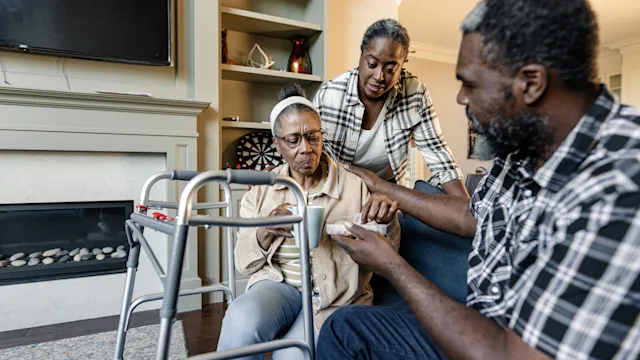
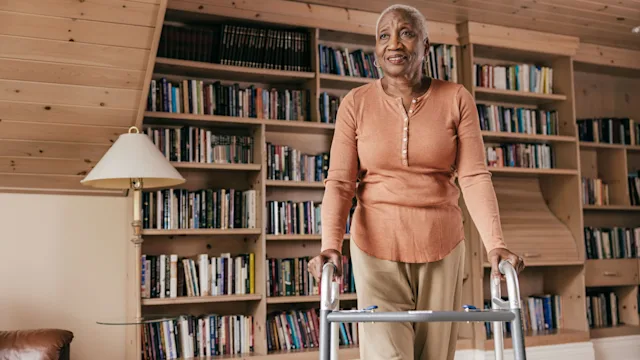
Nearly 1 in 4 people in the U.S. are family caregivers, according to a 2025 report. Many people these days are caring for an older adult with a chronic health condition — like Alzheimer’s or mobility limitations. But they may also be a partner, child, or younger loved one recovering from an illness or injury.
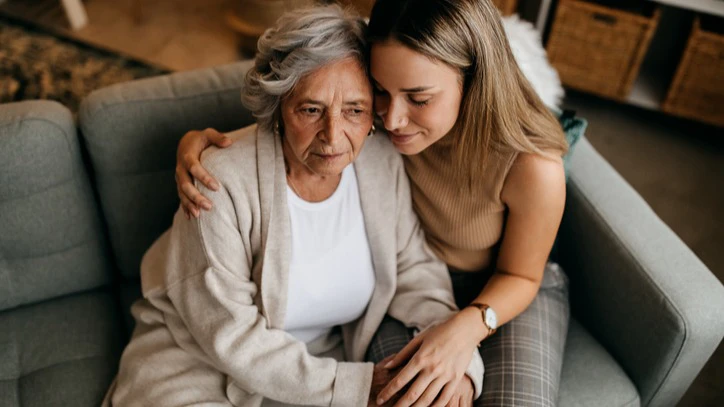
Caregiving can be a rewarding and fulfilling experience for families. A research survey showed that more than half of caregivers feel that it provides a sense of purpose or meaning in life. But even if you find it meaningful, caregiving still takes a mental, physical, and emotional toll. And this can lead to what’s known as “caregiver burnout.”
Here, we’ll dig deeper into what caregiver burnout is, ways to cope, and where to turn for help.
What is caregiver burnout?
Caregiver burnout happens when someone reaches a state of mental, physical, and/or emotional fatigue related to their duties in caring for someone else.
Many caregivers say they feel alone, stressed, frustrated, or exhausted by their role. And they describe their own health as fair to poor because of it. This is what caregiving experts call caregiver burnout or caregiver stress.
If you’re experiencing caregiver burnout, it may be harder to care for your loved one. But you may also struggle to manage important aspects of your own life. Burnout affects your overall health and well-being in several ways.
What are the signs and symptoms of caregiver burnout?
Signs of caregiver burnout include:
Anger: experiencing outbursts directed at your loved one or others around you
Anxiety: overwhelming thoughts about the future and other daily concerns like finances
Appetite changes: eating less or more than usual and losing or gaining weight
Denial: believing your loved one will get better, even when they’ve been diagnosed with a progressive illness like Alzheimer’s disease
Hopelessness: feeling helpless, hopeless, or depressed most of the time
Insomnia: being unable to fall asleep, stay asleep, or get restful sleep
Isolation: feeling alone, as if other family members and friends have left you to fend for yourself
Lack of interest: pulling away from activities you once enjoyed and not trying new things
Physical exhaustion: feeling too tired to get out of bed or to get through the day
Substance use: drinking too much alcohol or misusing drugs or medications to cope
Causes of caregiver burnout
There are several different reasons you may experience burnout as a caregiver. Common causes of caregiver burnout include:
Task burden: Caregivers usually provide assistance with activities of daily living. This can include help with feeding, dressing, bathing, and toileting. Caregivers might also do their laundry, clean their home, and prepare meals. Juggling these tasks while coordinating things like healthcare visits and haircuts can be overwhelming.
Task complexity: Caregivers often handle medical tasks like monitoring vital signs or administering medications. Learning how to perform these types of activities can cause additional stress.
Balancing working with caregiving: Most caregivers find it hard to manage their own job and career while also caregiving. They often have to take extra time off, shift to part-time, change jobs, or turn down promotions because of it.
Financial stress: Taking care of another person can be costly, on top of the impact on reduced work capacity. The resulting financial strain — or possibly debt — can feel overwhelming, adding to feelings of exhaustion and burnout.
Long-term care: Providing care around the clock for weeks or even years can be especially draining. Finding time to take care of yourself and others in their family can feel impossible.
Who is at risk for caregiver burnout?
Anyone who’s a caregiver is at risk of burnout. But there are some other factors that can increase that risk.
You’re more likely to develop caregiver depression if you:
Care for your spouse
Are an older caregiver
Are female
Provide care for a long period of time
Provide a high level of care, like for someone who needs constant supervision
Share a residence with the person you take care of

Read more like this
Explore these related articles, suggested for readers like you.

You’re also more likely to develop burnout if the person you care for has:
Dementia
Behavior problems
Difficulty doing everyday activities like taking a shower or going to the bathroom
Caregivers are emotionally invested in their loved one’s care, which can be draining. And caregiving can complicate your relationship. For example, it may be difficult to see yourself as both a caregiver and a person’s child, spouse, or parent.
Also, you may be in the “sandwich generation” — those in the middle of two generations who take care of an older parent as well as their own children. It’s easy for caregiving to lead to burnout if you don’t have the right resources, enough support, or the time to take care of your needs.
How to prevent and cope with caregiver burnout
Caregiving experts say that eating well, exercising, and getting enough sleep are critical to your health and well-being. But those are just the basics.
Here are more ways you can care for yourself to reduce or prevent caregiver burnout.
1. Bring in backup support
Find a relative or friend to take over your caregiving responsibilities for a few hours or days so you can take time off. Consider looking into respite care services. They can help you identify other care options like an adult day care or a home health assistant.
2. Check in with your healthcare team
It’s really important to still prioritize your own health checkups and appointments — especially if you’re experiencing caregiver burnout. Talk to your primary care provider if you have symptoms of caregiver burnout. The simple act of acknowledging these challenges can be a powerful first step. They may be able to provide tips, refer you to a mental healthcare professional, or suggest treatments if you’re also struggling with depression, anxiety, or insomnia.
3. Talk about it
Connecting with others who understand what you’re going through can go a long way. Find a mental healthcare professional, like a therapist or counselor, or join a caregiver support group. Sharing your experience and frustrations may help you sort through the challenges you’re facing and relieve stress. You may also learn new ways to cope with burnout and identify additional resources.
4. Take time to enjoy your hobbies
Make plans for activities that feel relaxing or bring you joy — like going for a walk, gardening, or curling up with a good book. Recharging your own battery can improve both you and your loved one’s experience. Taking the time to invest in yourself may give you more energy to share with others.
5. Spend time socializing
Spending time with others beyond your caregiving responsibilities is another way to recharge. If leaving the house is challenging, invite loved ones over for coffee or a movie night.
6. Look into paid time off or family leave
If you have benefits through your job, you can consider using some of your paid time off to help balance your stress load. If you’re financially able to consider taking a longer break from your job, you also may be eligible for unpaid time off under the Family Leave and Medical Act (FMLA). And some people even qualify to get paid for their caregiving duties.
7. Acknowledge your limitations
It can be hard to predict the emotional and physical toll of caregiving. And you may have started your caregiving journey hoping you could do it all. But it’s challenging to care for yourself and your loved one while dealing with all the emotions that come with caregiving. It’s OK to not meet all of these weighty expectations. You deserve to ask for help.
What resources are available for caregivers?
Caregiving may seem lonely at times, but you’re not alone. Organizations across the country can help you on your caregiving journey. Many of these organizations provide tips and resources, including connections to local services:
Frequently asked questions
When caregiving interferes with your health and wellness, it’s time to step away and re-evaluate the situation. It’s especially important to take a pause if the stress is affecting your ability to care for yourself or your loved one. Making this decision isn’t an easy one. It may come with mixed feelings and that’s OK.
Yes, being a caregiver can increase the likelihood of mental health conditions like:
Depression
Anxiety
Post-traumatic stress disorder (PTSD)
Substance use disorder
Yes, you can develop PTSD from being a caregiver. This is more likely to occur if you’re caring for someone who’s very ill or has an advanced disease. And, if you’re a young female, this risk is even higher. Social and family support can lessen the chances of developing caregiver PTSD.
Caregiver burnout results from taking care of a loved one. It tends to build up slowly over time as a result of the demands of caretaking.
Compassion fatigue is different from caregiver burnout because it:
Often develops quickly
Results from re-feeling or re-experiencing another person’s trauma
Causes you to feel numb and less able to understand the feelings of others
Makes it harder to feel nurturing toward the person or people you’re caring for
Compassion fatigue is common in healthcare workers. For example, a therapist who cares for multiple patients with life-long trauma like physical or verbal abuse is at high risk for compassion fatigue.
When caregiving interferes with your health and wellness, it’s time to step away and re-evaluate the situation. It’s especially important to take a pause if the stress is affecting your ability to care for yourself or your loved one. Making this decision isn’t an easy one. It may come with mixed feelings and that’s OK.
Yes, being a caregiver can increase the likelihood of mental health conditions like:
Depression
Anxiety
Post-traumatic stress disorder (PTSD)
Substance use disorder
Yes, you can develop PTSD from being a caregiver. This is more likely to occur if you’re caring for someone who’s very ill or has an advanced disease. And, if you’re a young female, this risk is even higher. Social and family support can lessen the chances of developing caregiver PTSD.
Caregiver burnout results from taking care of a loved one. It tends to build up slowly over time as a result of the demands of caretaking.
Compassion fatigue is different from caregiver burnout because it:
Often develops quickly
Results from re-feeling or re-experiencing another person’s trauma
Causes you to feel numb and less able to understand the feelings of others
Makes it harder to feel nurturing toward the person or people you’re caring for
Compassion fatigue is common in healthcare workers. For example, a therapist who cares for multiple patients with life-long trauma like physical or verbal abuse is at high risk for compassion fatigue.
The bottom line
Caregiving can be a rewarding experience, but it’s a demanding job that can often lead to burnout. And caregiver burnout is a serious issue: It can take a toll on both your mental and physical health.
It’s important to recognize the signs of caregiver burnout so that you can get help before it gets worse. Talk to your primary care provider, lean on your social support network, and check out the caregiver organizations listed above for help. And remember that as a caregiver, you still need to prioritize your own love and care.

Why trust our experts?



References
AARP. (2025). Caregiving in the US: Research report.
American Medical Association. (2018). Caring for the caregiver: A guide for physicians.
Caregiver Action Network. (n.d.). Understanding caregiver burnout and compassion fatigue.
Carmassi, C., et al. (2020). Risk and protective factors for PTSD in caregivers of adult patients with severe medical illnesses: A systematic review. International Journal of Environmental Research and Public Health.
Edemekong, P. F., et al. (2022). Activities of daily living. StatPearls.
Family Caregiver Alliance. (n.d.). Caregiver health.
National Alliance for Caregiving. (2025). Caregiving in the US 2025
Paiva-Salisbury, M. L., et al. (2022). Building compassion fatigue resilience: Awareness, prevention, and intervention for pre-professionals and current practitioners. Journal of Health Service Psychology.
Parker, K., et al. (2013). The sandwich generation. Pew Research Center.
Schulz, R., et al. (2008). Physical and mental health effects of family caregiving. American Journal of Nursing.
U.S. Department of Labor. (n.d.). Family and Medical Leave Act.