What Is Glaucoma? Types, Symptoms, Medications, and Treatments
Comprehensive information for you or a loved one — including treatment options and discounts on popular medications.

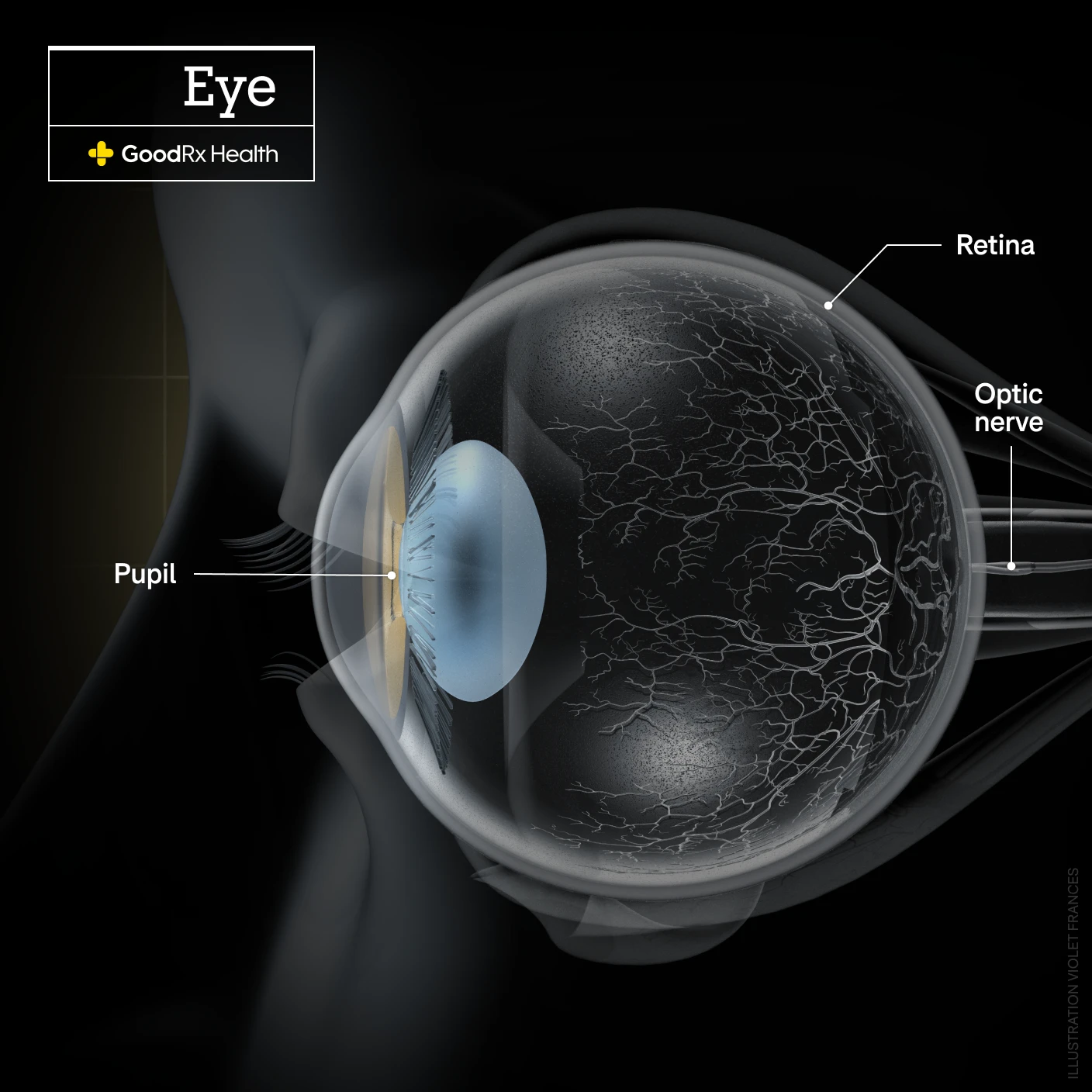
Glaucoma is a group of eye diseases that damage the optic nerve. The optic nerve carries information from your eye to your brain, allowing you to see. This damage is often related to increased pressure inside your eye. Pressure can build up when the clear fluid in the front of your eye doesn’t drain properly. But glaucoma can also develop when eye pressure is within the normal range.
Most types of glaucoma develop slowly and don’t cause symptoms at first. Vision loss caused by glaucoma is permanent. But finding and treating glaucoma early can help prevent or slow further damage.


There are several types of glaucoma. They differ in how they develop and whether they cause a gradual or sudden increase in eye pressure. Glaucoma types include:
Open-angle glaucoma: This is the most common type. It develops slowly when fluid doesn’t drain from your eye as it’s supposed to. This can raise your eye pressure over time.
Angle-closure glaucoma: This type of glaucoma occurs when the iris blocks the area where fluid normally drains from your eye. This blockage can cause eye pressure to rise quickly and needs fast treatment to prevent severe vision damage.
Normal-tension glaucoma: With this type, the optic nerve gets damaged even though the pressure in your eye stays within a normal range.
Secondary glaucoma: This type develops because of another eye condition, an eye injury, or medications. Examples include neovascular, uveitic, and pseudoexfoliation glaucoma.
Congenital glaucoma: Babies with this rare type of glaucoma are born with a problem that affects how fluid drains from the eye. This can cause fluid and pressure to build up.
The most common type of glaucoma usually doesn’t cause symptoms at first. In fact, many people don’t even realize they have glaucoma until it’s found during a routine eye exam.
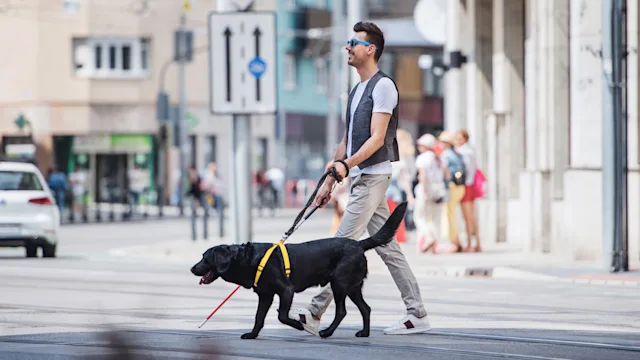
As glaucoma gets worse, you may lose some of your peripheral (side) vision and develop blind spots. Without treatment, the damage can eventually affect your central vision as well.
With angle-closure glaucoma, you may have sudden symptoms like a severe headache and eye pain. Sudden symptoms may also include eye redness, nausea, and halos around lights. A sudden episode of angle-closure glaucoma is a medical emergency. Without treatment, it can quickly lead to permanent vision loss. If you develop these symptoms, go to an emergency room right away.
Compare prices and information on the most popular Glaucoma medications.
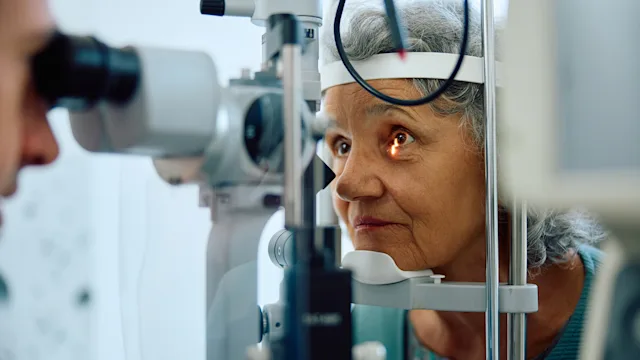
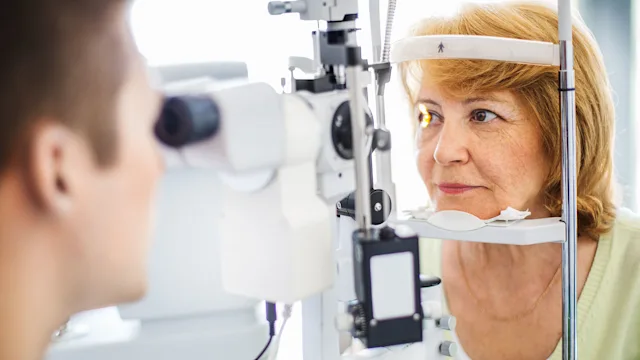
An eye doctor can diagnose glaucoma with a complete eye exam. This exam may include:
Measuring the pressure inside your eyes
Testing your peripheral and central vision (visual field testing)
Checking how clearly you can see (visual acuity testing)
Dilating your pupils to look at your optic nerves, retinas, and other parts of your eye
Taking pictures of the back of your eye
Some people need to see a glaucoma specialist. This is an ophthalmologist with additional training and expertise in diagnosing and treating glaucoma.
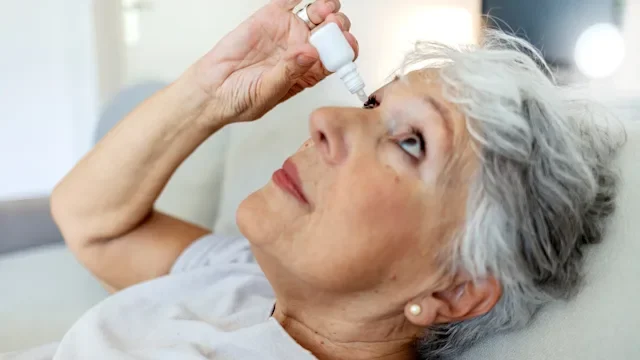
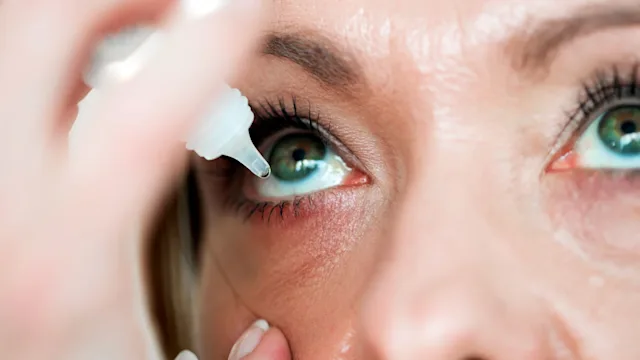
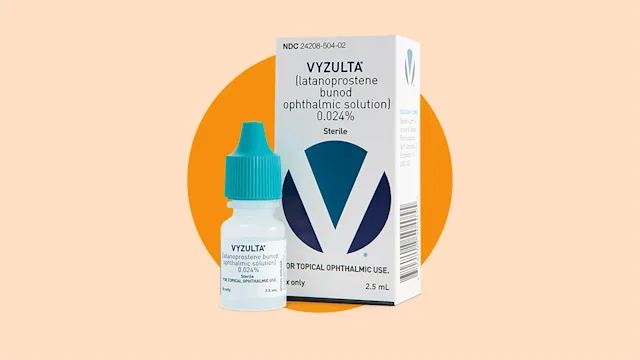
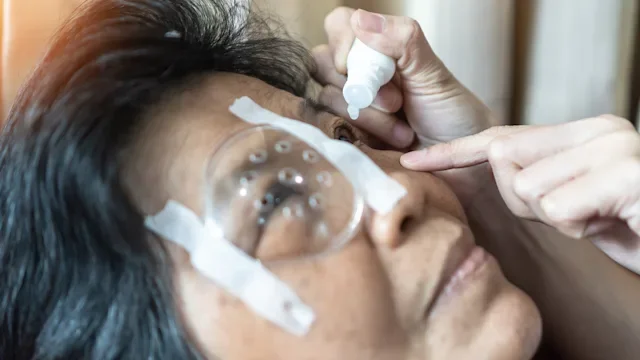
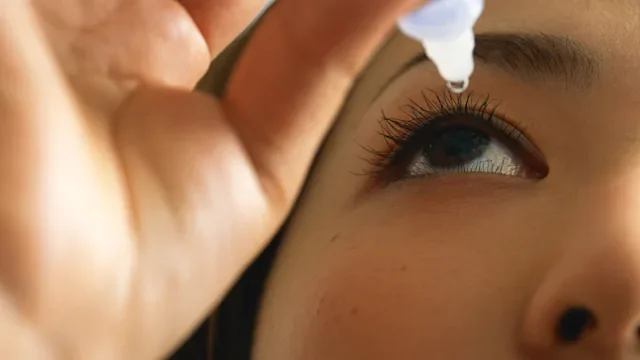
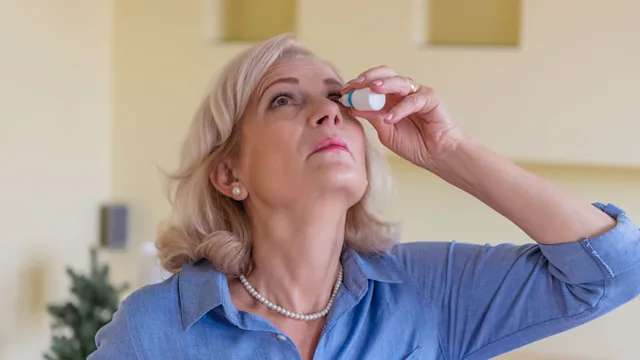
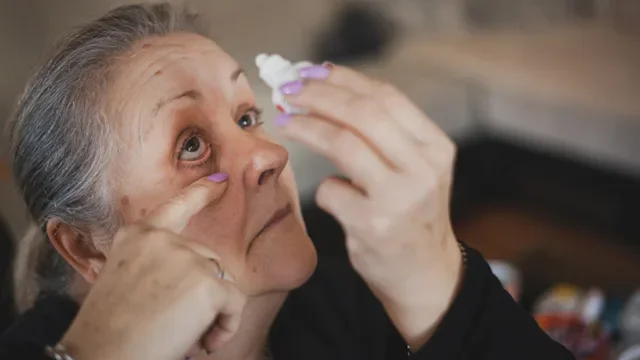
Glaucoma treatment often starts with prescription eye drops. These lower eye pressure by helping fluid drain from your eye or lowering how much fluid your eye makes.
Some people need more than one type of medication to manage their eye pressure. Combination glaucoma eye drops contain two medications in one bottle, which can make treatment more convenient.
How often you use glaucoma eye drops depends on the medication. Make sure to follow your prescription instructions carefully, especially if you use more than one type of eye drop.
Glaucoma eye drops can cause side effects like:
Eye redness or irritation
Longer or thicker eyelashes
Darkening of your iris (eye color) or the skin around your eyes
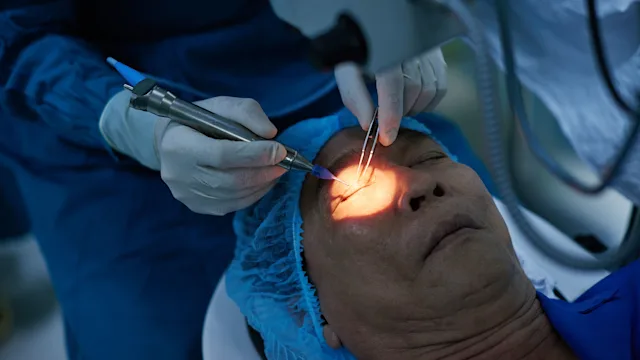
In addition to medication, some people need laser eye surgery or other procedures. These treatments lower eye pressure, usually by helping fluid drain from the eye.
Two common types of laser eye surgery for glaucoma are:
Selective laser trabeculoplasty: This quick, in-office procedure helps fluid drain more easily from your eye. Your eye doctor may recommend it before eye drops.
Laser peripheral iridotomy: This procedure creates a very small hole in your iris, the colored part of your eye. The opening helps fluid exit from your eye and lowers eye pressure. It can help people who have angle-closure or narrow-angle glaucoma. If your eye pressure is very high, this procedure may need to be done right away.
If eye drops and laser eye surgery don’t help, your eye doctor may recommend surgery. Options include:
Minimally invasive glaucoma surgery
Trabeculectomy
Glaucoma implant surgery
The recovery time varies for each type of surgery. You may also need to use glaucoma eye drops long term, even after surgery.
Most types of glaucoma can’t be completely prevented. Some risk factors for glaucoma, including older age, family history, and race, are outside of your control. But there are some things you can do to lower your risk:
Get regular eye exams. These can make sure glaucoma is found early. And treating glaucoma early is what actually protects your sight.
Use eye protection. Wearing protective eyewear during work, sports, and other activities that could injure your eyes can also lower your risk of traumatic glaucoma.
Don’t smoke. Research hasn’t clearly tied smoking to glaucoma itself. But smoking does raise your risk of other eye problems, like cataracts and macular degeneration. Quitting is still one of the best things you can do to protect your vision.
If you already have glaucoma, there are certain things you should avoid because they can make glaucoma worse:
Avoid activities where your head remains below your heart for long periods of time (like certain yoga positions).
Don’t go bungee jumping or scuba diving because these activities can lead to sudden changes in your eye pressure.
Some medications, like anticholinergics, can trigger angle-closure glaucoma in people who are at risk. These medications are used to treat asthma, chronic obstructive pulmonary disease (COPD), depression, and allergies. But angle-closure glaucoma is different from regular glaucoma (also known as open-angle glaucoma). So, if you have regular open-angle glaucoma, ask your eye doctor or pharmacist whether these medications are still safe for you.
Avoid using long-term steroids as much as possible. Steroids raise eye pressure. Your healthcare team can help you find alternatives to steroid-based medications.
If you smoke, talk to your primary care provider about how to quit.
Glaucoma and cataracts are two different eye problems. Glaucoma damages the optic nerve, which often happens from high pressure inside your eye. Cataracts form when your eye’s normally clear lens becomes cloudy. This leads to symptoms like sensitivity to glare and blurry, hazy, or low vision. The biggest difference is that cataract surgery can reverse vision loss, while glaucoma treatment focuses on protecting the vision you still have.
Glaucoma and cataracts are two different eye problems. Glaucoma damages the optic nerve, which often happens from high pressure inside your eye. Cataracts form when your eye’s normally clear lens becomes cloudy. This leads to symptoms like sensitivity to glare and blurry, hazy, or low vision. The biggest difference is that cataract surgery can reverse vision loss, while glaucoma treatment focuses on protecting the vision you still have.
Glaucoma is called the “silent thief of sight” because it develops slowly and often without early warning signs. Most people don’t notice anything is wrong when glaucoma first starts to develop. But over time, glaucoma limits your peripheral (side) vision. Without treatment, the damage spreads toward the center of your eye.
Damage to the optic nerve and vision loss caused by glaucoma are permanent. There’s currently no way to reverse glaucoma. And there’s no cure for glaucoma. But with treatment, you can keep glaucoma from getting worse and keep your vision safe. This requires a team effort between you and your eye doctor to create a treatment plan that works best for you.
Yes, many people live long, active lives with glaucoma. To keep your vision safe, stop smoking, use your eye drops as prescribed, and get regular eye checkups. Remember, you may not notice your glaucoma is getting worse until it’s too late to preserve your vision. Staying up to date with your eye exams lets you keep track of your glaucoma and make changes to your treatment before it’s too late.
Glaucoma Research Foundation. (2021). Life with glaucoma (a guide for patients and their loved ones).
Goyal, A. (2026). Understanding glaucoma: Symptoms, causes, diagnosis, treatment. American Academy of Ophthalmology.
Prescription savings
Stop paying too much for your prescriptions. Compare prices, get pharmacy coupons, and save up to 80%. Find expert answers to your health questions so you can make the best decisions for yourself and your family.
Health conditions
Medications & treatment
Access & affordability
Medication discounts