Key takeaways:
The average retail price of Istalol (timolol) without insurance is about $482.45 for a 5 mL bottle.
Medicaid and commercial insurance plans are more likely to cover Istalol than Affordable Care Act (ACA) marketplace and Medicare plans. Prior authorization requirements are common with Medicaid plans.
There are ways to save on Istalol, such as using a GoodRx coupon or applying for a patient assistance program. You might also consider switching to a generic version or alternative medication.
Save on related medications
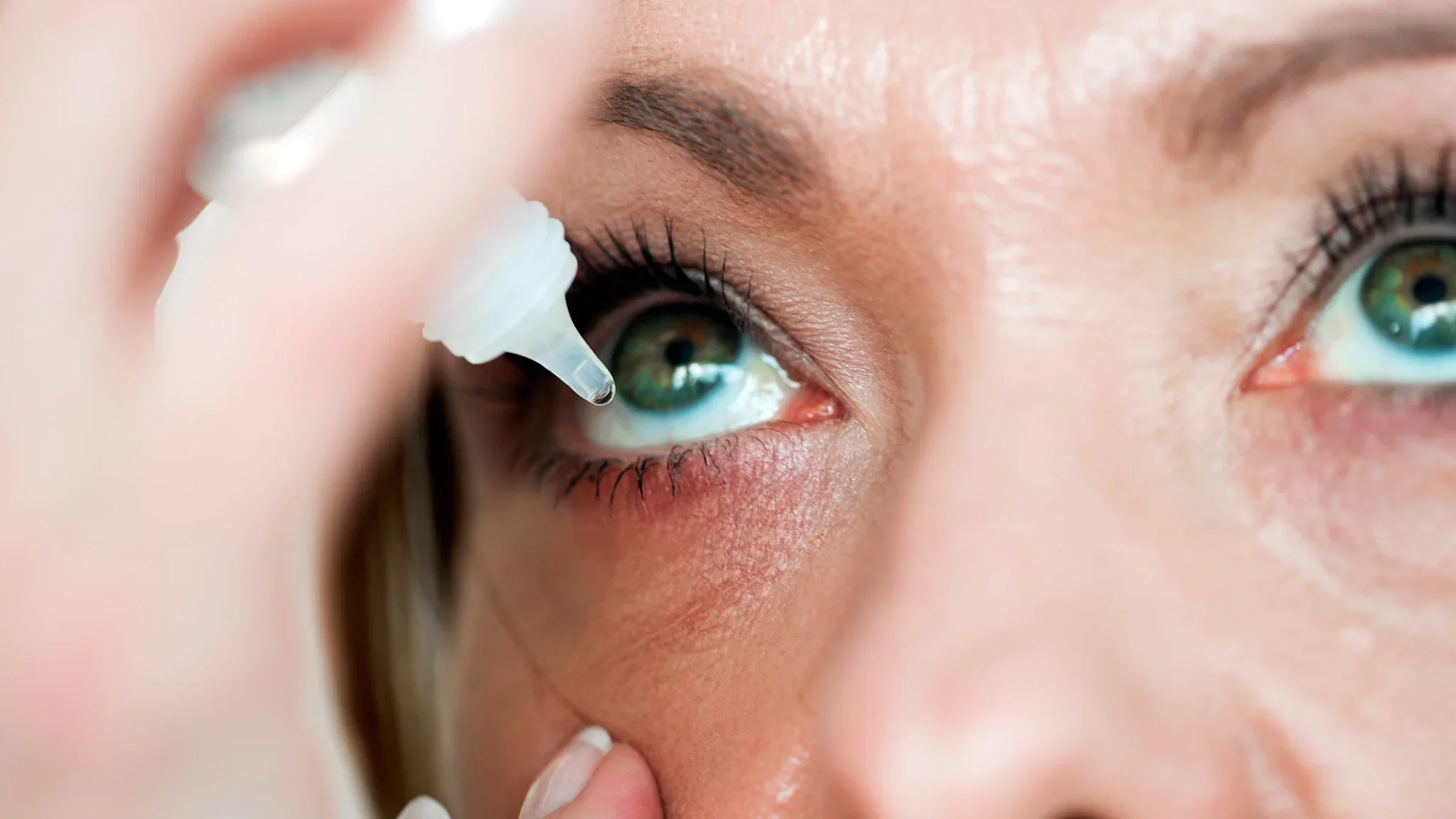
Istalol (timolol) is a prescription-only eye drop that treats open-angle glaucoma and high pressure inside of the eye. This medication is a type of beta blocker and is commonly prescribed alongside other eye drops for glaucoma. Brand-name Istalol, which is available in a 0.5% dose, is typically used once daily.
Many people use Istalol on an ongoing basis. But its cost is a potential barrier to long-term use. Thankfully, there are many ways to decrease Istalol’s out-of-pocket cost, even without insurance coverage.
How much does Istalol cost without insurance?
Istalol is a brand-name eye drop. Istalol’s average retail price without insurance is about $482.45 for a 5 mL bottle. If Istalol isn’t covered by your insurance, or you don’t have coverage, you’ll be responsible for the retail cost.
Istalol is also available as a lower-cost generic called timolol. A 5 mL bottle of the generic version costs about $37.64 on average.
What factors affect the cost of Istalol?
The retail price of Istalol can vary depending on factors such as:
Location: Your medication costs are likely affected by where you’re located in the U.S.
Pharmacy: Retail pharmacies can offer different prices for the same medication, even in the same city. Consider using GoodRx to compare prices at pharmacies in your area.
Insurance coverage: If you have insurance, reach out to your plan to see if Istalol is covered. Different insurance plans vary in the medications they cover.
Eye drop bottle size: Istalol comes in different size bottles. A 5 mL eyedropper of Istalol tends to be more expensive than a 2.5 mL bottle.
Discount cards: You may be able to use a GoodRx coupon instead of insurance to lower your out-of-pocket cost at the pharmacy.
Patient assistance programs: Some organizations offer programs that can help lower the cost of Istalol if you’re uninsured or underinsured and have a limited income.
Does insurance cover Istalol?
Insurance coverage for Istalol varies by plan. Some insurance plans offer straightforward coverage, while others may require prior authorization or step therapy. To get prior authorization, your prescriber will have to provide additional information to your insurer. Step therapy would require you to try another medication, likely a lower-cost option, before trying Istalol.
The plans that most commonly cover Istalol are commercial plans and Medicaid plans. Most Medicaid plans require prior authorization, though, before approving coverage. About 1 in 4 people with an Affordable Care Act (ACA) marketplace plan have Istalol coverage. If you have Medicare, it’s unlikely that your insurance will cover Istalol.
It’s a good idea to check your plan’s formulary (list of covered medications) and summary of benefits and coverage. These documents can help you determine if your plan covers Istalol. You can also call the member services number on your prescription insurance card for more details.
How different insurance plans cover Istalol
The chart below can help you determine the likelihood of your insurance covering Istalol. It can also give you an idea of whether you’ll face prior authorization or step therapy requirements. Still, it’s recommended to contact your insurance provider for coverage information.
Insurance type | Enrollees covered for Istalol | Enrollees required to get prior authorization | Enrollees required to do step therapy |
|---|---|---|---|
23.8% | 14.8% | 0% | |
Commercial plans (excluding ACA plans) | 66% | 11.4% | 4.3% |
Medicare (Medicare Advantage and Part D plans) | 5.8% | 0% | 0% |
Medicaid, including state-run and managed care plans | 99.5% | 79.5% | 5.9% |
Source: Managed Markets Insight & Technology, LLC™, as of January 10, 2026. (See methodology below.)
If your insurance doesn’t cover Istalol, consider these options:
Check if you’re eligible for a patient assistance program. Patient assistant programs are available from several companies to lower costs for people who are eligible.
Try a generic. Istalol has a generic version, timolol, that’s typically available at a lower price.
Request a formulary exception. Your prescriber can help you request a formulary exception to try to get your insurance to cover Istalol. If your request is denied, you have the right to appeal the decision.
Talk to your eye specialist about switching to an alternative eye drop. There are other eye drops in the beta blocker class, some of which may be more affordable for you.
Talk to your eye specialist about switching to a combination eye drop. If you’re prescribed two different eye drops for glaucoma, there may be a formulation that contains both of your medications in one product.
Compare plans. When it’s time for open enrollment, compare different health insurance plans to find one that provides better coverage for the eye drops you need.
Ways to save on Istalol
For many people, Istalol’s cost can add up quickly. But it’s an effective medication for its intended uses, so it’s beneficial to use it for as long as prescribed. Below are six tips that may help lower the cost of treatment.
1. Use a GoodRx coupon
GoodRx could help you save money on your prescription. In some cases, GoodRx prices may even beat your insurance copay.
With a GoodRx coupon, a 5 mL bottle of brand-name Istalol may cost as little as $416.87. A 2.5 mL bottle may cost as little as $216.21.
To get a GoodRx coupon for Istalol:
Visit the GoodRx website or download the GoodRx app.
Type “Istalol” in the search box, and click “Start Saving.”
Select your prescribed quantity.
Choose if you want to get your coupon information by text or email, or print it out. If you’re using the GoodRx app, you can open the coupon in the app or save it to your digital wallet.
Let your pharmacy know you plan to use a GoodRx discount before they fill your prescription. Calling ahead can help prevent delays at pickup. Showing a GoodRx coupon for the first time at checkout can lead to reprocessing and delays.
2. Try a generic
Istalol is available as a lower-cost generic called timolol. Generic medications have the same active ingredients as their brand-name counterparts and are considered to be equally safe and effective.
With a GoodRx coupon, a 5 mL bottle of timolol eye drops may cost as little as $6.99. A 2.5 mL bottle may cost as little as $6.99.
Istalol is only available as a 0.5% eye drop. But generic timolol comes in two doses: 0.25% and 0.5%. The 0.25% drops are usually used twice a day. The 0.5% drops are typically used once a day. Because of this difference, one bottle may last longer or shorter depending on which dose you use. Your eye specialist can help you choose the option that’s best for you.
3. Check if you’re eligible for a patient assistance program
Patient assistance programs help people get medications at little-to-no cost. They’re usually open to people with lower incomes who don’t have insurance or whose insurance doesn’t cover enough of their medication costs.
A manufacturer-sponsored patient assistance program for Istalol is no longer available. But there may be independent patient assistance programs that can assist you. For instance, the Patient Advocate Foundation offers a patient assistance program for people with open-angle glaucoma. It has specific requirements based on income, insurance status, and residency. Check if you fit the criteria to potentially save up to $1,500 per year.
There are other programs that may help, too. For example, the American Glaucoma Society offers a variety of resources for people living with glaucoma.
4. Ask about purchasing multiple bottles at once
You may be able to lower your overall Istalol costs by filling a prescription for 3 bottles, instead of buying 1 bottle at a time. Even though you’ll pay more up front, it can reduce what you spend over time. This may be helpful if you expect to use Istalol long term.
5. Tap into your HSA, FSA, or HRA
Some insurance plans come with a health savings account (HSA) or flexible spending account (FSA). These accounts let you set aside pretax money to pay for healthcare costs, including prescription medications.
HSAs usually let you roll over any unused money from year to year. That means you won’t lose the funds if you don’t spend them right away. FSAs are different. In many cases, you have to use the money in your account by the end of the plan year or you’ll lose it. Some plans offer a short grace period or allow you to roll over a small amount.
Some employers also offer a health reimbursement arrangement (HRA). This is money your employer sets aside to help you cover medical expenses that aren’t paid for by your insurance. Rollover rules vary, so check with your employer to see what’s allowed and whether you can use these funds to pay for Istalol.
6. Try an alternative eye drop
There are several beta blocker eye drops that can treat glaucoma and high eye pressure. Some of these Istalol alternatives may cost you less — depending on your situation, location, and insurance coverage status. These medications work the same way as Istalol and are generally just as effective. Some options are Betoptic-S (betaxolol), carteolol, and levobunolol.
What’s more, there are also combination eye drops that contain timolol (the generic version of Istalol) along with another glaucoma medication. If you’re using timolol and another eye drop separately, ask your eye specialist if a combination product might be a good option for you. Common combination products include Cosopt (dorzolamide / timolol) and Combigan (brimonidine / timolol).
Talk to your eye specialist if you’re interested in trying an alternative to Istalol. They can tell you more about the pros and cons of switching medications.
The bottom line
Istalol (timolol) is a prescription-only eye drop that’s commonly used for glaucoma. The average retail price of brand-name Istalol without insurance is about $37.64 for a 5 mL bottle.
Commercial insurance and Medicaid plans are more likely to cover Istalol than Affordable Care Act (ACA) marketplace and Medicare plans. However, prior authorization requirements are common with Medicaid plans.
There are several other ways to help lower the cost of Istalol. You may be able to save by using a GoodRx coupon, applying for a patient assistance program, or paying with funds from a health savings account (HSA) or flexible spending account (FSA). It’s also a good idea to talk with your eye specialist. They may be able to prescribe a larger quantity, switch you to a lower-cost generic, or recommend a different treatment option.

Why trust our experts?




Methodology
We obtained national prescription coverage data for each medication from Managed Markets Insight & Technology (MMIT). The data reflects health insurance coverage as of January 10, 2026.
We calculated the percentage of enrollees in plans that cover each medication by dividing the number of enrollees covered for the medication within a specific insurance channel (e.g., ACA, Medicare, Medicaid) by the total number of enrollees in all plans within that channel.
We determined the percentage of enrollees in plans with a prior authorization requirement by calculating the proportion of enrollees in plans that required prior authorization for the medication within each channel.
Finally, we measured the percentage of enrollees in plans with a step therapy requirement by calculating the proportion of enrollees in plans that imposed step therapy requirements for the medication in each channel.
These estimates, derived from national MMIT coverage data, provide insight into health insurance coverage for each medication. They take into account restrictions such as prior authorization, step therapy, and quantity limits. The percentages are expressed relative to the total number of enrollees covered by various insurance channels, including ACA plans, commercial (excluding ACA) plans, Medicare, and Medicaid (both state-run and managed care plans).
References
American Glaucoma Society. (n.d.). Low-cost glaucoma care.
Bausch & Lomb. (2024). Istalol - timolol maleate solution/drops [package insert].
Medicaid.gov. (n.d.). Managed care.
Patient Advocate Foundation. (n.d.). Open-angle glaucoma.