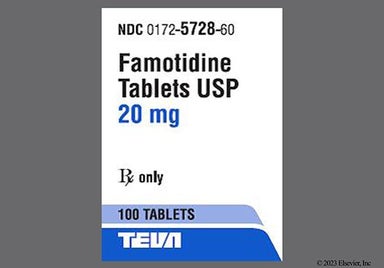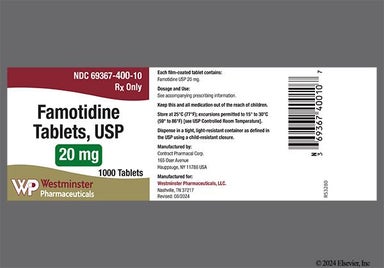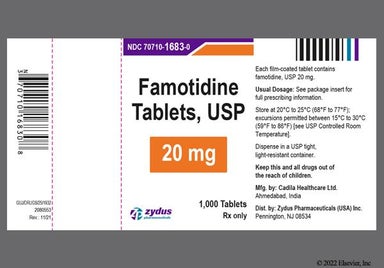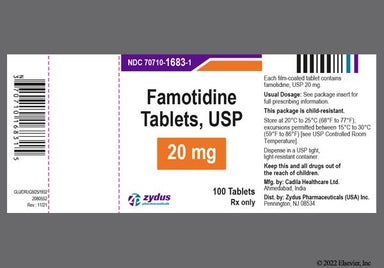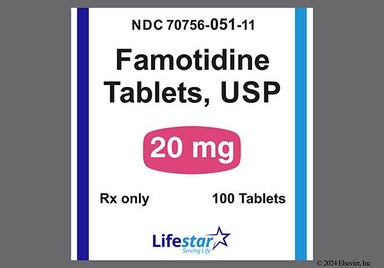

Famotidine Coupon - Famotidine 20mg tablet

famotidine

Generic Pepcid AC
Used for Duodenal Ulcer, Gastric Ulcer, GERD, Heartburn

Famotidine (Pepcid AC) is a histamine-2 (H2) antagonist that's used to treat conditions that cause too much stomach acid to build up, such as heartburn and stomach or intestinal ulcers (sores). It starts to work within an hour and lasts for several hours. It's available as a tablet and a liquid, and is taken by mouth twice per day. Side effects of famotidine (Pepcid AC) include headache, dizziness, and constipation.

Reviewed by:Last reviewed on January 18, 2023
basics-icon

What is Famotidine (Pepcid AC)?

What is Famotidine (Pepcid AC) used for?

Over-the-counter (OTC) famotidine

  • Prevention and treatment of heartburn (gastroesophageal reflux disease or GERD)

Prescription famotidine

How Famotidine (Pepcid AC) works

Famotidine (Pepcid AC) is a histamine-2 (H2) antagonist. It works by lowering the amount of stomach acid released by certain cells in the lining of your stomach.

When does Famotidine (Pepcid AC) start working?Time passed since treatment started:
MINUTES
Initial effect
HOURS
Full effect
DAYS
WEEKS
MONTHS

Drug facts

Common BrandsPepcid, Pepcid AC, Pepcid AC Original Strength, Pepcid AC Maximum Strength, Zantac 360
Drug ClassHistamine H2 antagonist
Controlled Substance ClassificationNot a controlled medication
Generic StatusLower-cost generic available
AvailabilityPrescription or over-the-counter
side-effects-icon

Side effects of Famotidine (Pepcid AC)

The following side effects may get better over time as your body gets used to the medication. Let your healthcare provider know immediately if you continue to experience these symptoms or if they worsen over time.

Common Side Effects

Less Common Side Effects

  • Fever
  • Fatigue
  • Vomiting
  • Nausea
  • Upset stomach
  • Dry mouth
  • Dry skin

Source: DailyMed

The following Famotidine (Pepcid AC) side effects have also been reported

Along with its needed effects, a medicine may cause some unwanted effects. Although not all of these side effects may occur, if they do occur they may need medical attention.

Check with your doctor as soon as possible if any of the following side effects occur:

Rare

Abdominal pain

back, leg, or stomach pain

bleeding or crusting sores on lips

blistering, burning, redness, scaling, or tenderness of skin

blisters on palms of hands and soles of feet

changes in vision or blurred vision

confusion

coughing or difficulty in swallowing

dark-colored urine

dizziness

fainting

fast, pounding, or irregular heartbeat

fever and/or chills

flu-like symptoms

general feeling of discomfort or illness

hives

inflammation of blood vessels

joint pain

light-colored stools

mood or mental changes, including anxiety, agitation, confusion, hallucinations (seeing, hearing, or feeling things that are not there), mental depression, nervousness, or severe mental illness

muscle cramps or aches

nausea, vomiting, or loss of appetite

pain

peeling or sloughing of skin

red or irritated eyes

shortness of breath

skin rash or itching

slow heartbeat

sore throat

sores, ulcers, or white spots on lips, in mouth, or on genitals

sudden difficult breathing

swelling of face, lips, mouth, tongue, or eyelids

swelling of hands or feet

swollen or painful glands

tightness in chest

troubled breathing

unusual bleeding or bruising

unusual tiredness or weakness

unusually slow or irregular breathing

wheezing

yellow eyes or skin

Some side effects may occur that usually do not need medical attention. These side effects may go away during treatment as your body adjusts to the medicine. Also, your health care professional may be able to tell you about ways to prevent or reduce some of these side effects. Check with your health care professional if any of the following side effects continue or are bothersome or if you have any questions about them:

Less common or rare

Constipation

decrease in sexual desire

decreased sexual ability (especially in patients with Zollinger-Ellison disease who have received high doses of cimetidine for at least 1 year)

diarrhea

difficult urination

dizziness

drowsiness

dryness of mouth or skin

headache

increased or decreased urination

increased sweating

loss of hair

ringing or buzzing in ears

runny nose

swelling of breasts or breast soreness in females and males

trouble in sleeping

Not all of the side effects listed above have been reported for each of these medicines, but they have been reported for at least one of them. All of the H2-blockers are similar, so any of the above side effects may occur with any of these medicines.

Other side effects not listed may also occur in some patients. If you notice any other effects, check with your healthcare professional.

Call your doctor for medical advice about side effects. You may report side effects to the FDA at 1-800-FDA-1088.

prices-container

Get your GoodRx coupon

Avg retail price
$6.500
GoodRx discount
$6.50
See prices
pros-and-cons-icon

Pros and cons of Famotidine (Pepcid AC)

Pros

  • Starts to work within an hour and lasts for up several hours
  • Available as both a generic and over-the-counter option
  • If needed, can be used with some other acid-lowering medications, such as antacids (e.g., calcium carbonate (Tums)) or PPIs
  • Generally well-tolerated with little side effects
  • Available as a oral suspension, a good option for people who can't swallow tablets

Cons

  • Antacids start to work more quickly than famotidine (Pepcid AC)
  • PPIs work better at healing and preventing stomach ulcers than famotidine (Pepcid AC).
  • Needs to be taken twice daily for most conditions
  • Not the best option for people with kidney problems
pharmacist-tips-icon

Pharmacist tips for Famotidine (Pepcid AC)

pharmacist
  • Famotidine (Pepcid AC) can be taken with or without food. If it's upsetting your stomach, try taking it with food to help.
  • If famotidine (Pepcid AC) alone is not providing you with enough heartburn relief, ask your provider about taking an antacid or PPI with famotidine (Pepcid AC) for better relief.
  • Famotidine (Pepcid AC) can interact with a lot of medications, especially those that need an acidic environment in your stomach for better absorption into your body. Make sure to tell you provider about all of the medications you're taking before starting famotidine (Pepcid AC). Don't start any new medications while taking famotidine (Pepcid AC) without talking to your provider or pharmacist first. They will make sure all of your medications are safe for you.

More tips for the oral suspension (liquid) only:

  • Shake the bottle well for 5 to 10 seconds before each dose. Make sure to only use a medication dose cup or syringe from the pharmacy to measure out your dose. Don't use household spoons because they aren't accurate and might cause you to take the wrong dose.
  • Store the suspension at room temperature in the original bottle it came in from the pharmacy for up to 30 days. After 30 days, throw away the medication bottle, even if there's still some medication left.

More tips for over-the-counter famotidine (Pepcid AC) only:

  • Don't use famotidine (Pepcid AC) with other acid-lowering therapy unless your provider specifically said it was safe to do so.
  • Ask your provider if it's safe for you to take famotidine (Pepcid AC) if you: 1) had heartburn for over 3 months; 2) have heartburn with lightheadedness, sweating, or dizziness; 3) have chest pain or shoulder pain with shortness of breath, sweating, pain spreading to arms, neck, or shoulders or lightheadedness; 4) frequent chest pain; 5) frequent wheezing with heartburn; 6) unexplained weight loss; 7) nausea or vomiting; 8) stomach pain; 9) kidney problems; 10) have trouble or pain swallowing food; 11) are vomiting with blood; 12) have bloody or black stools. These might be signs of a more serious problem that might require different treatment.
  • Stop using famotidine (Pepcid AC) if your heartburn continues or worsens or you feel you need to take famotidine (Pepcid AC) for more than 14 days.
faq-icon

Common questions about Famotidine (Pepcid AC)

Famotidine (Pepcid AC) is one of the commonly prescribed treatment options for heartburn, but it might not be the best choice depending on how severe your condition is. The 2022 heartburn treatment guidelines recommends another class of heartburn medications called proton pump inhibitors (PPIs) over famotidine (Pepcid AC) for people with erosive esophagitis. This is because studies show that people who take PPIs have a faster healing rate and more complete heartburn relief compared to people who take famotidine (Pepcid AC). But, H2 antagonists are still one of the backbone treatment options for heartburn because they've been shown to work well in several studies. Your provider will decide if famotidine (Pepcid AC) is right for you based on your symptoms and cause(s) of heartburn. Read this article for learn more about the different medication options for heartburn.

Zantac 75 and Zantac 150 were brands of ranitidine, an H2-blocker similar to famotidine (Pepcid AC). Ranitidine was removed from the market in April 2020 by the FDA. This happened because a long investigation showed there were detectable levels of a potential cancer-causing chemical (called nitrosamines) in ranitidine (Zantac) products. As a result of the immediate removal of all ranitidine (Zantac) products, the manufacturer of ranitidine (Zantac) released [Zantac 360] into the market, which contains famotidine (Pepcid AC) instead of ranitidine. There are no clear differences between Pepcid and Zantac 360 - both are brand names of famotidine.

Talk with your provider if you think famotidine (Pepcid AC) alone isn't enough for your heartburn symptoms. Omeprazole (Prilosec) is a proton pump inhibitor (PPI), another class of medication that can help treat heartburn symptoms. Famotidine (Pepcid AC) and omeprazole (Prilosec) aren't typically taken together. But there are certain situations where your provider might recommend adding famotidine (Pepcid AC) to omeprazole (Prilosec). For example, if your heartburn symptoms aren't relieved by omeprazole (Prilosec) and get worse at night, your provider might recommend for you to take famotidine (Pepcid AC) at bedtime, as needed.

Based on available data about human pregnancy, there isn't a clear link between famotidine (Pepcid AC) and birth defects or pregnancy-related problems, such as early labor. American Academy of Family Physicians (AAFP) considers famotidine (Pepcid AC) a probably safe option for pregnant females, but more data is needed. If you're pregnant, discuss with your provider about the risks and benefits of taking famotidine (Pepcid AC) before using to make sure it's safe for you and your unborn baby.

Yes, famotidine (Pepcid AC) is generally considered safe during breastfeeding. While some of the medication does get into breastmilk, the amount is low and wouldn't be expected to cause any harm to your baby. But, to be safe, always discuss with your provider about the risks and benefits of taking famotidine (Pepcid AC) while breastfeeding.

educational-icon

How to save using GoodRx

Compare Prices
1. Compare PricesSpecify your dosage and quantity to find out exactly how much you can save.
Select your free coupon
2. Select your free couponYou can use the displayed coupon, or compare prices at other pharmacies near you.
Show coupon to your pharmacist
3. Show coupon to your pharmacistPresent your printed or electronic coupon when you pick up your prescription.
Get free couponLearn more
warnings-icon

Risks and warnings for Famotidine (Pepcid AC)

Famotidine (Pepcid AC) can cause some serious health issues. This risk may be even higher for certain groups. If this worries you, talk to your doctor or pharmacist about other options.

Agitation, confusion, and other brain-related side effects

  • Risk factors: Kidney problems

Famotidine (Pepcid AC) can cause certain brain-related side effects, such as confusion, delirium, hallucinations (seeing things that aren't real), agitation, seizures, and weakness. The risk is higher in people with kidney problems because it's more difficult for their kidneys to metabolize (break down) famotidine (Pepcid AC), which raises the blood levels of famotidine (Pepcid AC) and can cause side effects. If you've kidney problems, your provider might lower your dose of famotidine (Pepcid AC). Talk to your provider if you have kidney problems and are interested in taking famotidine (Pepcid AC).

Possible risk of cancer

Rarely, heartburn can be warning signs of a more serious stomach problem or cancer. Sometimes, taking heartburn medications, like famotidine (Pepcid AC), can mask these warning signs. If your heartburn symptoms don't go away after you've completed treatment with famotidine (Pepcid AC), contact your provider. You might need to undergo testing to see if you have a more serious problem like stomach cancer.

dosage-icon

Famotidine (Pepcid AC) dosage

The average cost for 60 tablets of 20mg of Famotidine (Pepcid AC) is $10.45 with a free GoodRx coupon. This is 90.43% off the average retail price of $109.24.
bottle of oral suspensionBottle of oral suspension
DosageQuantityPrice as low asPrice per unit
50ml of 40mg/5ml1 bottle$19.59$19.59
100ml of 40mg/5ml1 bottle$36.30$36.30
150ml of 40mg/5ml1 bottle$40.05$40.05
tabletTablet
DosageQuantityPrice as low asPrice per unit
20mg60 tablets$10.45$0.17
40mg90 tablets$15.68$0.17
10mg30 tablets$6.50$0.22

Typical dosage for Famotidine (Pepcid AC)

Over-the-counter (OTC):

OTC famotidine is available as 10 mg and 20 mg tablets.

Adults and children age 12 years and older

  • Prevent heartburn: The typical dose is to take 10 mg to 20 mg by mouth 10 to 60 minutes (for 20 mg tablets) or 15 to 60 minutes (for 10 mg tablets) before eating food or drinking liquids that can cause heartburn. The maximum daily dose ranges from 20 mg to 40 mg of famotidine.
  • Treat heartburn: The typical dose is 10 mg to 20 mg by mouth when you feel heartburn symptoms. The maximum daily dose ranges from 20 mg to 40 mg of famotidine.

Children younger than 12 years old

  • Ask your child's provider.

Prescription:

Prescription famotidine is available as 20 mg and 40 mg tablets, and a liquid suspension.

Adults and children (who weigh 88 lbs or more)

  • Stomach (gastric) ulcer: The typical dose is 40 mg by mouth once daily for up to 2 months.
  • Small intestines (duodenal) ulcer: The typical dose is 40 mg by mouth once daily or 20 mg by mouth twice daily for up to 2 months.
  • Lower the risk of small intestine ulcer occuring again: The typical dose is 20 mg by mouth daily for 1 year or as directed by your provider.
  • Heartburn: The typical dose is 20 mg by mouth twice daily for up to 6 weeks.
  • Erosive esophagitis: The typical dose is 20 mg to 40 mg by mouth twice daily for up to 3 months.
  • Other conditions that cause too much stomach acid secretion: The typical starting dose is 20 mg by mouth every 6 hours. The maximum dose is 160 mg every 6 hours.

Children (famotidine oral suspension only)

Your child's provider will determine your child's dose based on their body weight.

  • Stomach or small intestines ulcer (age 1 to 17 years old): The typical starting dose is to take 0.5 mg/kg by mouth once daily, or 0.25 mg/kg twice daily for 2 months. The maximum dose is 1 mg/kg once daily at bedtime, or 0.5 mg/kg twice daily. Don't take more than 40 mg daily.
  • Heartburn (age 1 to 17 years old): The typical dose range is to take 0.5 mg/kg by mouth twice daily for 1.5 to 3 months. The maximum dose is 40 mg twice daily
  • Heartburn (age 3 months to less than 1 years old): The typical starting dose is to take 0.5 mg/kg by mouth twice daily for up to 2 months. The maximum dose is 1 mg/kg twice daily. Don't take more than 40 mg daily.
  • Heartburn (birth to less than 3 months old): The typical starting dose is to take 0.5 mg/kg by mouth once daily for up to 2 months. The maximum dose is 1 mg/kg once daily.
interactions-icon

Interactions between Famotidine (Pepcid AC) and other drugs

Famotidine (Pepcid AC) may interact with certain medications or supplements. Always let your doctor and pharmacist know about any other medications or supplements (including prescribed and over-the-counter medications, vitamins, and dietary or herbal supplements) that you are currently taking. The list below does not include all possible drug interactions with Famotidine (Pepcid AC). Please note that only the generic name of each medication is listed below.

Although certain medicines should not be used together at all, in other cases two different medicines may be used together even if an interaction might occur. In these cases, your doctor may want to change the dose, or other precautions may be necessary. When you are taking any of these medicines, it is especially important that your healthcare professional know if you are taking any of the medicines listed below. The following interactions have been selected on the basis of their potential significance and are not necessarily all-inclusive.

Using medicines in this class with any of the following medicines is not recommended. Your doctor may decide not to treat you with a medication in this class or change some of the other medicines you take.

Using medicines in this class with any of the following medicines is usually not recommended, but may be required in some cases. If both medicines are prescribed together, your doctor may change the dose or how often you use one or both of the medicines.

cost-icon

How much does Famotidine (Pepcid AC) cost?

To access savings, use a GoodRx coupon and pay just a fraction of the retail price.
contraindications-icon

Famotidine (Pepcid AC) contraindications

Contraindications are specific health conditions or situations in which a person should not take a medication due to safety concerns. If you have any of the following conditions or if any of the following apply to you, let your healthcare provider know because Famotidine (Pepcid AC) will not be safe for you to take.

alternatives-icon

What are alternatives to Famotidine (Pepcid AC)?

There are a number of medications that your doctor can prescribe in place of Famotidine (Pepcid AC). Compare a few possible alternatives below.
Famotidine (Pepcid AC)
Used for:

Over-the-counter (OTC) famotidine

  • Prevention and treatment of heartburn (gastroesophageal reflux disease or GERD)

Prescription famotidine

$6.50Lowest GoodRx priceView prices
Used for:
$22.03Lowest GoodRx priceView prices
Used for:
$9.84Lowest GoodRx priceView prices
latest-news-icon

News about Famotidine (Pepcid AC)

Omeprazole (Prilosec) is a common treatment for gastroesophageal reflux disease (GERD). Learn about omeprazole alternatives like Carafate, Nexium, and Tums.
Exploring 9 Alternatives to Omeprazole, From H2 Blockers to Natural Products
Omeprazole (Prilosec) is a common treatment for gastroesophageal reflux disease (GERD). Learn about omeprazole alternatives like Carafate, Nexium, and Tums.
GoodRx breaks down the most common acid reflux medications, including what they do, how and when to take them, potential side effects and more.
Best Acid Reflux Medicine: Comparing Antacids, H2 Blockers, and Proton Pump Inhibitors
GoodRx breaks down the most common acid reflux medications, including what they do, how and when to take them, potential side effects and more.
Pepcid (famotidine) can reduce stomach acid, but it may also cause unwanted symptoms. Pepcid side effects include abdominal discomfort, dizziness, and headache.
Headache, Dizziness, and More: 5 Pepcid Side Effects You Should Know About
Pepcid (famotidine) can reduce stomach acid, but it may also cause unwanted symptoms. Pepcid side effects include abdominal discomfort, dizziness, and headache.
H2 blockers can help treat conditions related to stomach acid production, such as acid reflux. Learn more with this list of H2 blockers from GoodRx.
Famotidine, Cimetidine, and More: A List of H2 Blockers (Plus, Why You Can’t Find Ranitidine)
H2 blockers can help treat conditions related to stomach acid production, such as acid reflux. Learn more with this list of H2 blockers from GoodRx.
What works fastest for heartburn? Over-the-counter (OTC) medications are available when you need quick relief. Explore OTC heartburn medications, including Tums and Rolaids, with GoodRx.
The 3 Best OTC Options for Heartburn and GERD
What works fastest for heartburn? Over-the-counter (OTC) medications are available when you need quick relief. Explore OTC heartburn medications, including Tums and Rolaids, with GoodRx.
Discover foods and drinks that help heartburn — and those to avoid. Learn the best and worst options and tips for soothing acid reflux symptoms.
The Best Foods and Drinks for Heartburn — and What to Avoid
Discover foods and drinks that help heartburn — and those to avoid. Learn the best and worst options and tips for soothing acid reflux symptoms.
Acid rebound happens when acid production increases after stopping acid-suppressing medications. Learn the symptoms of acid rebound and which medications can cause it.
Is Your Reflux Medication Causing Acid Rebound? Here’s How to Know
Acid rebound happens when acid production increases after stopping acid-suppressing medications. Learn the symptoms of acid rebound and which medications can cause it.
Omeprazole and famotidine both treat GERD symptoms, like heartburn. Learn how they differ so you can choose the best medication for you.
Famotidine vs. Omeprazole: Which Works Best for GERD?
Omeprazole and famotidine both treat GERD symptoms, like heartburn. Learn how they differ so you can choose the best medication for you.
When an acid reflux attack hits, you want immediate relief. But what gets rid of acid reflux fast? Here are home remedies, medications, and foods you can try.
How to Get Rid of Acid Reflux Fast: Medications and Home Remedies
When an acid reflux attack hits, you want immediate relief. But what gets rid of acid reflux fast? Here are home remedies, medications, and foods you can try.
Experts recommend taking Pepcid 10 to 60 minutes before eating foods that may induce heartburn. Get more tips on when and how to take Pepcid here.
The Best Time to Take Pepcid and 5 Other Pharmacist-Backed Tips
Experts recommend taking Pepcid 10 to 60 minutes before eating foods that may induce heartburn. Get more tips on when and how to take Pepcid here.
images-icon

Famotidine (Pepcid AC) images

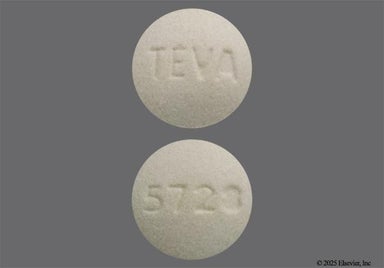
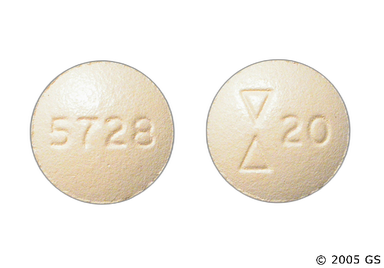
Beige Round Teva And 5728 - Famotidine 20mg Tablet
This medicine is Beige, Round Tablet Imprinted With "5728" And "Teva".Beige Round Teva And 5728 - Famotidine 20mg Tablet
Beige Round Teva And 5728 - Famotidine 20mg Tablet
This medicine is Beige, Round Tablet Imprinted With "5728" And "Teva".Beige Round Teva And 5728 - Famotidine 20mg Tablet
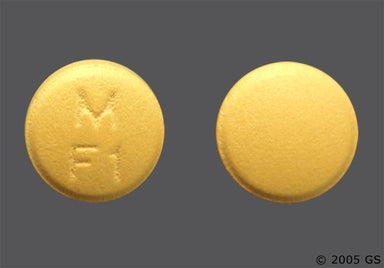
Yellow Round M F1 - Famotidine 20mg Tablet
This medicine is Yellow, Round Tablet Imprinted With "M F1".Yellow Round M F1 - Famotidine 20mg Tablet
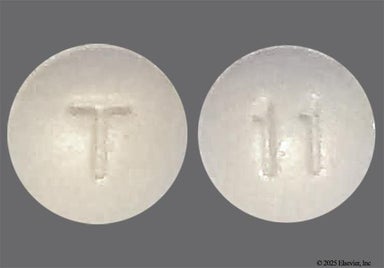
Yellow Round 11 And T - Famotidine 20mg Tablet
This medicine is Yellow, Round Tablet Imprinted With "T" And "11".Yellow Round 11 And T - Famotidine 20mg Tablet
Yellow Round 11 And T - Famotidine 20mg Tablet
This medicine is Yellow, Round Tablet Imprinted With "T" And "11".Yellow Round 11 And T - Famotidine 20mg Tablet
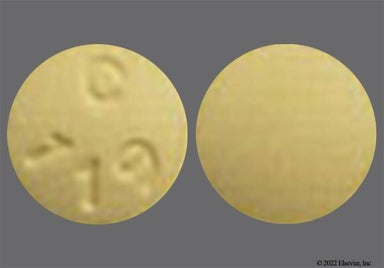
Yellow Round C 119 - Famotidine 20mg Tablet
This medicine is Yellow, Round Tablet Imprinted With "C 119".Yellow Round C 119 - Famotidine 20mg Tablet
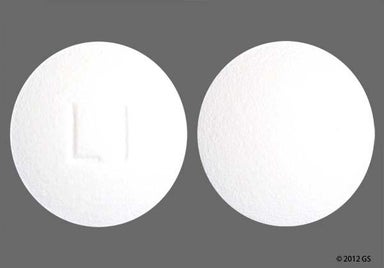
White Round L1 - Famotidine 20mg Tablet
This medicine is White, Round Tablet Imprinted With "L1".White Round L1 - Famotidine 20mg Tablet
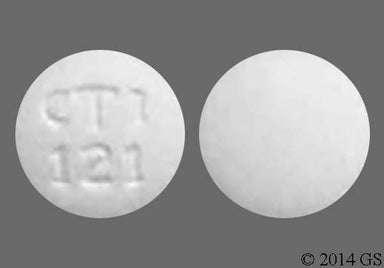
White Round Cti 121 - Famotidine 20mg Tablet
This medicine is White, Round Tablet Imprinted With "Cti 121".White Round Cti 121 - Famotidine 20mg Tablet
Beige Square 1 A6 - Famotidine 20mg Tablet
This medicine is Beige, Square Tablet Imprinted With "1 A6".Beige Square 1 A6 - Famotidine 20mg Tablet
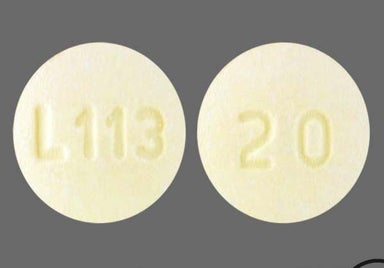
Yellow Round L113 And 20 - Famotidine 20mg Tablet
This medicine is Yellow, Round Tablet Imprinted With "L113" And "20".Yellow Round L113 And 20 - Famotidine 20mg Tablet
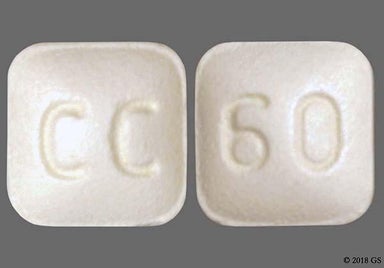
Yellow Square 60 And Cc - Famotidine 20mg Tablet
This medicine is Yellow, Square Tablet Imprinted With "60" And "Cc".Yellow Square 60 And Cc - Famotidine 20mg Tablet
White Round 15 And V - Famotidine 20mg Tablet
This medicine is White, Round Tablet Imprinted With "V" And "15".White Round 15 And V - Famotidine 20mg Tablet
White Round 15 And V - Famotidine 20mg Tablet
This medicine is White, Round Tablet Imprinted With "V" And "15".White Round 15 And V - Famotidine 20mg Tablet
White Round 15 And V - Famotidine 20mg Tablet
This medicine is White, Round Tablet Imprinted With "V" And "15".White Round 15 And V - Famotidine 20mg Tablet
Yellow Round C And 70 - Famotidine 20mg Tablet
This medicine is Yellow, Round Tablet Imprinted With "70" And "C".Yellow Round C And 70 - Famotidine 20mg Tablet
White Round Z21 - Famotidine 20mg Tablet
This medicine is White, Round Tablet Imprinted With "Z21".White Round Z21 - Famotidine 20mg Tablet
White Round Z21 - Famotidine 20mg Tablet
This medicine is White, Round Tablet Imprinted With "Z21".White Round Z21 - Famotidine 20mg Tablet
Beige Round L And 51 - Famotidine 20mg Tablet
This medicine is Beige, Round Tablet Imprinted With "51" And "L".Beige Round L And 51 - Famotidine 20mg Tablet

Get savings updates for Famotidine (Pepcid AC)

Receive price alerts, news, and other messages from GoodRx about Famotidine (Pepcid AC) and other healthcare topics and relevant savings offers.

By providing your email, you consent to receive marketing communications from GoodRx, which may include content and/or data related to men's health, women's health, reproductive care, or sexual health. You agree to the GoodRx Terms of Use and acknowledge the Privacy Policy. You can unsubscribe at any time.

References

Best studies we found

Antunes, C., et al. (2023). Esophagitis. StatPearls.

Black, R. A., et al. (2003). Over-the-counter medications in pregnancy. American Family Physician.

Camber Consumer Care Inc. (2022). FAMOTIDINE - famotidine tablet, film coated [package insert]. DailyMed.

GoodRx Health has strict sourcing policies and relies on primary sources such as medical organizations, governmental agencies, academic institutions, and peer-reviewed scientific journals. Learn more about how we ensure our content is accurate, thorough, and unbiased by reading our editorial guidelines.

Was this page helpful?