


What Is Gynecomastia and Which Medications Can Cause It in Men?
Gynecomastia is a condition in which men develop enlarged breast tissue. Certain medications can cause the condition. Read on to learn more.
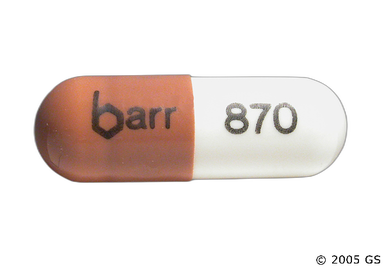
Flutamide (Eulexin) is used to treat metastatic prostate cancer, meaning cancer that has spread to other parts of the body. It’s a form of hormonal therapy called an androgen receptor inhibitor or antiandrogen, that works to block testosterone in your body. Flutamide (Eulexin) is one of the recommended options for prostate cancer and is taken by mouth three times a day. It can cause hot flashes and lower your sex drive, which can be bothersome.

Most prostate cancer cells need testosterone to grow and spread. Testosterone is a type of male sex hormone called an androgen.
Flutamide (Eulexin) is an androgen receptor inhibitor (antiandrogen), a type of hormone therapy that works by blocking testosterone from binding to prostate cancer cells. Without testosterone, cancer cells won’t have the “fuel” they need to spread.
| Common Brands | Eulexin |
|---|---|
| Drug Class | Androgen receptor inhibitor |
| Controlled Substance Classification | Not a controlled medication |
| Generic Status | Lower-cost generic available |
| Availability | Prescription only |

The following side effects may get better over time as your body gets used to the medication. Let your healthcare provider know immediately if you continue to experience these symptoms or if they worsen over time.
Please note: These side effects were experienced by people taking flutamide (Eulexin) with a LHRH agonist, and might not be caused by flutamide (Eulexin) alone.
Contact your healthcare provider immediately if you experience any of the following.
Along with its needed effects, a medicine may cause some unwanted effects. Although not all of these side effects may occur, if they do occur they may need medical attention.
Check with your doctor immediately if any of the following side effects occur:
More common
Black, tarry stools
bloody or cloudy urine
continuing diarrhea
continuing stomach pain
difficult, burning, or painful urination
frequent urge to urinate
pale skin
troubled breathing with exertion
unusual bleeding or bruising
unusual tiredness or weakness
Less common
Blurred vision
chills
difficulty with breathing
dizziness
drowsiness
headache
nervousness
pounding in the ears
shortness of breath
slow or fast heartbeat
sores, ulcers, or white spots on the lips or in the mouth
swelling
swollen glands
Rare
Abdominal or stomach pain
clay-colored stools
dark urine
general tiredness and weakness
light-colored stools
loss of appetite
rash
tumor
unpleasant breath odor
upper right abdominal pain
vomiting of blood
yellow eyes and skin
Incidence not known
Back, leg, or stomach pains
bleeding gums
blistering, peeling, or loosening of the skin
bluish-colored lips, fingernails, or palms
discoloration of the urine
dizziness or lightheadedness
flushing or redness of the skin
general body swelling
headache
joint or muscle pain
nosebleeds
rapid heart rate
red irritated eyes
red skin lesions, often with a purple center
unusually warm skin
Get emergency help immediately if any of the following symptoms of overdose occur:
Symptoms of overdose
Goosebumps
shakiness and unsteady walk
tearing of the eyes
unsteadiness, trembling, or other problems with muscle control or coordination
Some side effects may occur that usually do not need medical attention. These side effects may go away during treatment as your body adjusts to the medicine. Also, your health care professional may be able to tell you about ways to prevent or reduce some of these side effects. Check with your health care professional if any of the following side effects continue or are bothersome or if you have any questions about them:
More common
Decreased interest in sexual intercourse
feeling of warmth
inability to have or keep an erection
indigestion
loss in sexual ability, desire, drive, or performance
passing of gas
redness of the face, neck, arms and occasionally, upper chest
stomach pain, fullness, or discomfort
sudden sweating
swelling of the breasts or breast soreness in both females and males
Other side effects not listed may also occur in some patients. If you notice any other effects, check with your healthcare professional.
Call your doctor for medical advice about side effects. You may report side effects to the FDA at 1-800-FDA-1088.




Flutamide (Eulexin) can cause some serious health issues. This risk may be even higher for certain groups. If this worries you, talk to your doctor or pharmacist about other options.
 Though rare, it’s possible that flutamide (Eulexin) can cause you to develop serious, and potentially life-threatening, liver problems. Typically, this happens within the first 3 months after you begin the medication. To check your liver health, your provider might ask you to do blood tests before your start flutamide (Eulexin) and monthly for at least the first 4 months. If you do develop liver problems, you might have to stop taking flutamide (Eulexin). Let your provider know right away if you experience symptoms of liver damage, such as tiredness, having no appetite, nausea or vomiting, dark urine, right-side stomach pain, or yellowing of the eyes or skin.
Flutamide (Eulexin) can raise your risk for bleeds if you’re also taking the blood thinner warfarin (Coumadin).This can happen even if you were previously stable on your dose of warfarin (Coumadin). Bleeds can happen days to weeks after starting flutamide (Eulexin). You might need to have your blood work (INR test) checked more regularly to make sure your warfarin dose is right for you while you’re on flutamide (Eulexin). Seek medical help right away if you have sudden weakness or numbness in your body, severe headache, confusion, dizziness, seizures, changes in vision, loss of balance, slurred speech, throwing up blood, or bloody or black and tarry stools. These can be signs of serious bleeds and need to be treated immediately.
Though very rare, you might experience serious toxicity from flutamide (Eulexin) as your body breaks it down. This toxicity can lead to fast destruction of your red blood cells (hemolytic anemia), not enough oxygen traveling throughout your body (methemoglobinemia), or certain liver problems (cholestatic jaundice). Your risk for toxicity is higher if you smoke or if you have certain rare genetic conditions that affect your blood, such as hemoglobin M disease. Let your provider know if you experience symptoms of toxicity such as blood problems (dizziness, tiredness, weakness, trouble breathing) or liver problems (stomach pain, fever, nausea, vomiting, yellowing of the eyes and skin).

 Capsule
| Dosage | Quantity | Price as low as | Price per unit |
|---|---|---|---|
| 125mg | 270 capsules | $109.75 | $0.41 |

Although certain medicines should not be used together at all, in other cases two different medicines may be used together even if an interaction might occur. In these cases, your doctor may want to change the dose, or other precautions may be necessary. When you are taking this medicine, it is especially important that your healthcare professional know if you are taking any of the medicines listed below. The following interactions have been selected on the basis of their potential significance and are not necessarily all-inclusive.
Using this medicine with any of the following medicines is usually not recommended, but may be required in some cases. If both medicines are prescribed together, your doctor may change the dose or how often you use one or both of the medicines.


Contraindications are specific health conditions or situations in which a person should not take a medication due to safety concerns. If you have any of the following conditions or if any of the following apply to you, let your healthcare provider know because Flutamide (Eulexin) will not be safe for you to take.
= Severe liver problems








Prescription savings
Stop paying too much for your prescriptions. Compare prices, get pharmacy coupons, and save up to 80%. Find expert answers to your health questions so you can make the best decisions for yourself and your family.
Health conditions
Medications & treatment
Access & affordability
Medication discounts


You need to take Flutamide with another medication that targets LHRH (a LHRH agonist), such as Lupron Depot (leuprolide) or Zoladex (goserelin), because Flutamide is used to ease side effects caused by the LHRH agonist. LHRH agonists work by stopping the testicles from making testosterone that prostate cancer cells need to grow. One downside of LHRH agonists is that they can cause a testosterone flare, usually during the first 1 to 3 weeks after you start therapy. This is when testosterone levels temporarily go up before they eventually go down. This can lead to unwanted side effects, including bone pain and problems urinating. Flutamide helps to lower the symptoms of testosterone flare by blocking testosterone from affecting the cancer cells.
You should take Flutamide as long as instructed by your provider. Flutamide can help lower the testosterone flare side effects you might experience from LHRH agonists. You typically take it for a few weeks after starting a LHRH agonist, but sometimes your provider might ask you to take it longer.
Flutamide can cause rare, but serious liver damage. If you have liver problems, your body might have a difficult time breaking down Flutamide. Let your provider know if you have problems with your liver because you might be monitored more closely for liver health and side effects. Stop this medication and get medical help right away if you experience liver-related side effects, including nausea, vomiting, stomach pain, tiredness, and yellowing of the skin.
Hot flashes are a very common side effect of Flutamide. Let your provider know if you experience hot flashes while taking Flutamide and they can suggest ways to help you manage this side effect both with and without medications. Medications that can ease your hot flashes include estrogens, progestin, antidepressants, and anticonvulsants. But these medications can cause additional side effects that you might find bothersome, including nausea, tiredness, or dizziness. If you want to avoid medications, you can try relaxation techniques, breathing exercises, behavioral therapy, and hypnosis, to cope with hot flashes. You can also try wearing loose-fitting clothing or using fans to keep you cool.
No, Flutamide isn't better than other antiandrogen medications used to treat prostate cancer, including bicalutamide (Casodex) or (nilutamide) Nilandron. There isn’t one antiandrogen that's considered better than another. Different antiandrogens have different dosing and slightly different side effects. Your provider will help you choose one depending on how well your body handles the side effects, other medical conditions you might have, and your preference. In some cases, your provider might have you try a different antiandrogen if the medication you started with no longer works well to treat your cancer. Talk with your provider if you have any questions about the benefits and risks for any of the treatment options.
