




7 Erythromycin Side Effects and How to Manage Them
Learn about the side effects of erythromycin, a macrolide antibiotic. We’ll talk about common, rare, and long-term reactions, and how to manage them.
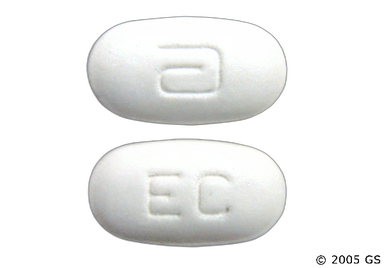
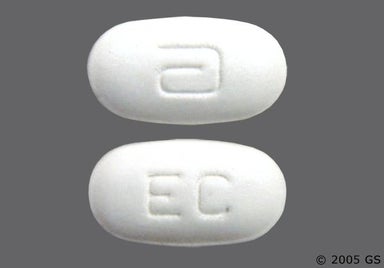
Erythromycin is an antibiotic that's used to treat a variety of infections caused by bacteria, including certain skin and respiratory infections. The dosage depends on the specific infection you're using it for. The most common side effects are related to the stomach, like nausea, vomiting, and diarrhea. Erythromycin comes in two forms that are taken by mouth: oral tablets and an oral suspension.

Erythromycin belongs to a group of antibiotics called macrolide antibiotics. It treats your infection by preventing the bacteria from making important proteins they need to survive.
| Common Brands | Ery-Tab, Eryped, Erythrocin, E.E.S. |
|---|---|
| Drug Class | Macrolide antibiotic |
| Controlled Substance Classification | Not a controlled medication |
| Generic Status | No lower-cost generic available |
| Availability | Prescription only |

The following side effects may get better over time as your body gets used to the medication. Let your healthcare provider know immediately if you continue to experience these symptoms or if they worsen over time.
Contact your healthcare provider immediately if you experience any of the following.
Along with its needed effects, a medicine may cause some unwanted effects. Although not all of these side effects may occur, if they do occur they may need medical attention.
Check with your doctor immediately if any of the following side effects occur:
Rare
Blistering, peeling, or loosening of the skin
chills
difficulty with swallowing
dizziness
fast heartbeat
hives or welts, skin rash
joint or muscle pain
puffiness or swelling of the eyelids or around the eyes, face, lips, or tongue
red, irritated eyes
red skin lesions, often with a purple center
redness of the skin
sores, ulcers, or white spots in the mouth or on the lips
tightness in the chest
unusual tiredness or weakness
Incidence not known
bloody or cloudy urine
chest pain or discomfort
dark urine
diarrhea, watery and severe, which may also be bloody
fainting
general tiredness and weakness
greatly decreased frequency of urination or amount of urine
hearing loss
increased thirst
irregular heartbeat recurrent
irregular or slow heart rate
light-colored stools
stomach cramp or tenderness
swelling of the feet or lower legs
unusual weight loss
upper right abdominal or stomach pain
vomiting
yellow eyes and skin
Some side effects may occur that usually do not need medical attention. These side effects may go away during treatment as your body adjusts to the medicine. Also, your health care professional may be able to tell you about ways to prevent or reduce some of these side effects. Check with your health care professional if any of the following side effects continue or are bothersome or if you have any questions about them:
Other side effects not listed may also occur in some patients. If you notice any other effects, check with your healthcare professional.
Call your doctor for medical advice about side effects. You may report side effects to the FDA at 1-800-FDA-1088.




Erythromycin can cause some serious health issues. This risk may be even higher for certain groups. If this worries you, talk to your doctor or pharmacist about other options.
erythromycin can cause severe or life-threatening liver damage. Your risk is higher if you have or have had liver problems. If you experience unexplained stomach pain, nausea, vomiting, dark urine, pale stools, or yellowing of your skin or eyes, contact your healthcare provider right away. Blood tests will need to be done to check that your liver is healthy.
Rarely, erythromycin can cause a serious heart rhythm problem called QT prolongation. This can cause your heart to stop and lead to death. Those with certain heart conditions and those older than age 65 have a higher risk of this problem. You shouldn't take erythromycin if you also use other medications that also cause QT prolongation. Before taking this medication, let your healthcare provider know about any heart conditions you have and provide a list of all the medications you're taking, including over-the-counter items, vitamins, and herbal supplements.
Using erythromycin to treat syphilis during pregnancy might not completely prevent the baby from getting infected with syphilis when born. That's because the medication might not reach the baby effectively. Be sure to let your healthcare provider and your child's healthcare provider know if you took erythromycin for syphilis while you were pregnant. Your baby will need to take antibiotics after they are born.
Like all antibiotics, erythromycin can put you at a higher risk for getting Clostridioides difficile (C. difficile) associated diarrhea (CDAD), a life-threatening side effect. Like many other bacteria, C. diff naturally lives in your gut. These bacteria normally don’t cause any problems. But taking erythromycin or other antibiotics can cause certain bacteria to grow out of control. When C. diff grows out of control, it can cause fatal diarrhea due to dehydration and swelling of the colon. Stop erythromycin and contact your healthcare provider right away if you experience bloody or watery stool, as this might be a sign of CDAD.
Erythromycin is known to interact with many medications, some of which can be life-threatening. To avoid problems with your heart rhythm, don't take erythromycin with other medications that also affect the heart rhythm.
Taking Erythromycin with certain medications can cause the body to absorb too much of these medications, raising the risk for side effects. For example, if erythromycin is taken with colchicine (Colcrys), it can lead to a dangerous condition called colchicine-related toxicity. In addition, erythromycin shouldn't be taken with certain statins, such as lovastatin or simvastatin (Zocor), because it raises the risk of serious muscle damage.
Make sure to tell both your healthcare provider and your pharmacist about all medications and over-the-counter products you are taking before you start erythromycin, even if you only take them once in a while or as needed. Your dose might even need to be adjusted to avoid these interactions.
If you have myasthenia gravis, taking erythromycin can worsen symptoms like muscle weakness and difficulty breathing. Talk to your healthcare provider if you are concerned about this problem.
Infants have developed a blockage between their stomach and small intestine after taking erythromycin. Infants are at higher risk of developing this problem the longer they take this medication. Typically, this medication isn't used for infants unless it's for a life-threatening illness. If a healthcare provider does prescribe erythromycin for your infant, watch for vomiting or fussiness while eating. and contact your child's healthcare provider right away.


Although certain medicines should not be used together at all, in other cases two different medicines may be used together even if an interaction might occur. In these cases, your doctor may want to change the dose, or other precautions may be necessary. When you are taking this medicine, it is especially important that your healthcare professional know if you are taking any of the medicines listed below. The following interactions have been selected on the basis of their potential significance and are not necessarily all-inclusive.
Using this medicine with any of the following medicines is not recommended. Your doctor may decide not to treat you with this medication or change some of the other medicines you take.
Using this medicine with any of the following medicines is usually not recommended, but may be required in some cases. If both medicines are prescribed together, your doctor may change the dose or how often you use one or both of the medicines.
Using this medicine with any of the following medicines may cause an increased risk of certain side effects, but using both drugs may be the best treatment for you. If both medicines are prescribed together, your doctor may change the dose or how often you use one or both of the medicines.


Contraindications are specific health conditions or situations in which a person should not take a medication due to safety concerns. If you have any of the following conditions or if any of the following apply to you, let your healthcare provider know because Erythromycin will not be safe for you to take.

Adults
Azithromycin (Zithromax) can treat certain types of:
Children
Azithromycin (Zithromax) can treat certain types of:
Doxycycline hyclate is used to prevent malaria due to the parasite Plasmodium falciparum and to treat many different infections caused by bacteria. Some examples include:


Prescription savings
Stop paying too much for your prescriptions. Compare prices, get pharmacy coupons, and save up to 80%.Resources
About GoodRx
 Find expert answers to your health questions so you can make the best decisions for yourself and your family.
Health conditions
Medications & treatment
Access & affordability
Well-being
Medication discounts

No. Ery-Tab is not a penicillin medication. It's a macrolide antibiotic, which is a different type of antibiotic. If you're allergic to penicillin, your healthcare provider might prescribe Ery-Tab as an alternative to penicillin-type antibiotics.
No. Ery-Tab is not a sulfa medication. It falls under a different group of antibiotics known as macrolide antibiotics.
It's not known whether Ery-Tab is safe to use in pregnancy. In animal studies, Ery-Tab didn’t cause harm to the baby. Talk with your healthcare provider if you’re pregnant or plan to get pregnant. They can make sure that Ery-Tab is safe for you and your baby.
The length of time you take Ery-Tab depends on the type of infection you have and how severe it is. Most infections can be treated in 7 days, but other infections might take 3 weeks or more to completely clear up. Follow the directions on your prescription label carefully and ask your healthcare provider if you're not sure how long you should be taking this medication.
Ery-Tab comes in tablet form, whereas erythromycin ethylsuccinate (EES) is available in both oral suspension and tablet forms. EES isn't absorbed as much into the body compared to regular erythromycin. EES might also have fewer side effects, making it more tolerable than Ery-Tab. Speak to your healthcare provider to see which one might work better for you.
Ery-Tab isn't FDA approved to treat gastroparesis, a condition where the movement of food in the gut is slowed down or even stopped. But because Ery-Tab is known to speed up gut muscle movement, some healthcare providers might prescribe it off-label for a short term to treat gastroparesis. Talk to your healthcare provider if you have questions about using this medication for gastroparesis.
