



The Latest Updates: 14 New Weight-Loss Drugs on the Horizon
There are several weight loss drugs currently in the works. Learn which weight-loss medications are being studied in clinical trials and how they work.
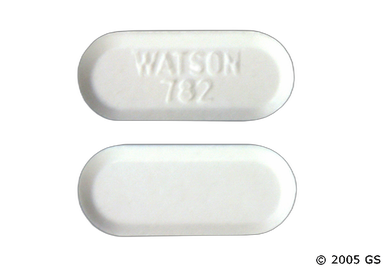
Diethylpropion is a medication that's taken by mouth help with obesity and weight loss. It's typically used together with a low-calorie diet and exercise plan. This medication is only meant to be used for a short period of time because it has many potential risks.

Diethylpropion is a sympathomimetic amine and has stimulant-like properties. It mainly works in the brain and is thought to help lower your appetite.
| Common Brands | Tenuate |
|---|---|
| Drug Class | Sympathomimetic amine |
| Controlled Substance Classification | Schedule IV |
| Generic Status | Lower-cost generic available |
| Availability | Prescription only |

Diethylpropion can cause some serious health issues. This risk may be even higher for certain groups. If this worries you, talk to your doctor or pharmacist about other options.
Medications with stimulant properties that are used for weight loss, including diethylpropion, can cause a rare and potentially deadly problem called pulmonary hypertension. When the pressure in the blood vessels that go from the heart to the lungs are too high, blood isn't able to travel well to the lungs and back to the heart. This can cause lung and heart problems. The risk for pulmonary hypertension is over 20 times higher if you use diethylpropion for more than 3 months. Report any troubled breathing, chest pain, fainting, or swelling in the ankles, feet, or legs to your provider right away. These could be signs of pulmonary hypertension.
The use of weight loss medications that have stimulant properties might cause damage to your heart valves. This has happened very rarely with diethylpropion, but we're not able to completely rule out the risk. The risk might be greater if you use diethylpropion long term and if you take it along with other appetite-suppressing medications or herbal products. Make sure to tell your provider if you have a history of any heart conditions. Your provider will check your heart function before starting diethylpropion.
Diethylpropion can be habit-forming. Because of this, it should be used with caution in people who have a history of substance misuse or dependence. Withdrawal symptoms, such as fatigue, mood changes, and changes in sleep patterns, can occur if you stop diethylpropion all of a sudden after long-term use. You and your provider will need to weigh the risks and benefits before adding diethylpropion to your weight loss regimen.

The following side effects may get better over time as your body gets used to the medication. Let your healthcare provider know immediately if you continue to experience these symptoms or if they worsen over time.
Contact your healthcare provider immediately if you experience any of the following.
Along with its needed effects, a medicine may cause some unwanted effects. Although not all of these side effects may occur, if they do occur they may need medical attention.
Check with your doctor immediately if any of the following side effects occur:
Rare
Seeing, hearing, or feeling things that are not there
severe mental changes
shortness of breath
Incidence not known
Black, tarry stools
blurred vision
burning while urinating
chills
convulsions
cough or hoarseness
decreased ability to exercise
difficult or labored breathing
difficult or painful urination
dizziness
fainting
false or unusual sense of well-being
fast, slow, pounding, or irregular heartbeat or pulse
fear or nervousness
fever with or without chills
general feeling of tiredness or weakness
headache
inability to speak
increased volume of pale, dilute urine
lower back or side pain
nosebleeds
numbness or tingling in the face, arms, or legs
restlessness
severe or sudden headache
shakiness in the legs, arms, hands, or feet
slurred speech
sores, ulcers, or white spots on the lips or in the mouth
swelling of the feet or lower legs
swollen glands
temporary blindness
tightness in the chest
trembling or shaking of the hands or feet
trouble with breathing
twitching, twisting, or uncontrolled repetitive movements of the tongue, lips, face, arms, or legs
unusual bleeding or bruising
unusual tiredness or weakness
vision problems
weakness in the arm or leg on one side of the body, sudden and severe
Get emergency help immediately if any of the following symptoms of overdose occur:
Symptoms of overdose
Abdominal or stomach cramps
bigger, dilated, or enlarged pupils (black part of the eye)
change in consciousness
confusion
dizziness, faintness, or lightheadedness when getting up suddenly from a lying or sitting position
increased sensitivity of the eyes to light
loss of consciousness
overactive reflexes
panic
physical attempt to injure
restlessness
sweating
violent actions
vomiting
Some side effects may occur that usually do not need medical attention. These side effects may go away during treatment as your body adjusts to the medicine. Also, your health care professional may be able to tell you about ways to prevent or reduce some of these side effects. Check with your health care professional if any of the following side effects continue or are bothersome or if you have any questions about them:
Incidence not known
Abdominal or stomach discomfort
bruising
difficulty having a bowel movement (stool)
drowsiness
general feeling of discomfort or illness
headache
hives or welts
indigestion
large, flat, blue, or purplish patches in the skin
loss of appetite
passing of gas
redness of the skin
skin rash
stomach fullness or discomfort
trouble sleeping
unable to sleep
unpleasant taste
Other side effects not listed may also occur in some patients. If you notice any other effects, check with your healthcare professional.
Call your doctor for medical advice about side effects. You may report side effects to the FDA at 1-800-FDA-1088.





Although certain medicines should not be used together at all, in other cases two different medicines may be used together even if an interaction might occur. In these cases, your doctor may want to change the dose, or other precautions may be necessary. When you are taking this medicine, it is especially important that your healthcare professional know if you are taking any of the medicines listed below. The following interactions have been selected on the basis of their potential significance and are not necessarily all-inclusive.
Using this medicine with any of the following medicines is not recommended. Your doctor may decide not to treat you with this medication or change some of the other medicines you take.
Using this medicine with any of the following medicines is usually not recommended, but may be required in some cases. If both medicines are prescribed together, your doctor may change the dose or how often you use one or both of the medicines.


Contraindications are specific health conditions or situations in which a person should not take a medication due to safety concerns. If you have any of the following conditions or if any of the following apply to you, let your healthcare provider know because Diethylpropion will not be safe for you to take.

Short-term treatment for weight management in adults with a body mass index (BMI) of:
Short-term treatment for weight management in adults with a body mass index (BMI) of:



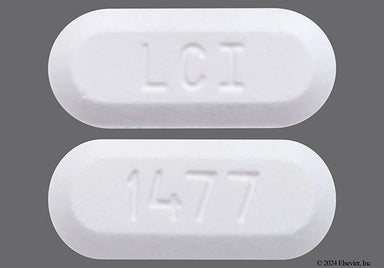
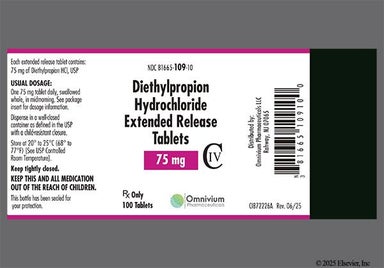
Prescription savings
Stop paying too much for your prescriptions. Compare prices, get pharmacy coupons, and save up to 80%. Find expert answers to your health questions so you can make the best decisions for yourself and your family.
Health conditions
Medications & treatment
Access & affordability
 Our monthly healthcare membership can help you save thousands on your prescription costs.
Resources

Diethylpropion is only meant for short-term use (at most 12 weeks). Taking it for longer than the recommended amount of time can cause serious side effects, like heart problems, high blood pressure, and trouble sleeping. Your body might also start to rely on the medication to function. This is called physical dependence. When you're physically dependent on Diethylpropion and you stop taking the medication suddenly, you're likely to experience withdrawal symptoms, such as depression, other mood changes, and extreme tiredness. Discuss with your provider about your options if you need a long-term plan to help manage your weight.
Yes, Diethylpropion is considered a Schedule IV controlled substance. Diethylpropion has some chemical properties similar to amphetamines and other related stimulant medications. Similar to stimulants and amphetamines, Diethylpropion has a potential for dependence and misuse. Therefore, this medication should only be used short-term together with a proper diet and exercise.
The once-daily, extended-release (ER) version of Diethylpropion isn't any better than the immediate-release (IR) version that's taken three times a day. In fact, one study showed that there weren't any differences in how well the ER and IR versions worked for people. In the study, the people who took the ER version (one 75 mg tablet once daily) had similar amounts of medication in their body to those who took the IR version (one 25 mg tablet three times daily). If you tend to forget to take your medications, talk with your provider about trying the ER version since there doesn't seem to be a major difference between the two.
No. This medication should only be used in people with obesity — having a body mass index (BMI) of 30 kg/m2 or higher — who also haven't had weight loss results with diet and exercise alone. This medication is used together with a low-calorie diet and exercise program. Speak with your provider if Diethylpropion is right for your needs.
For the best results from Diethylpropion, you'll want to make sure that you're eating a low-calorie diet and exercising regularly. Your provider will closely keep track of your weight and progress. If you haven't lost at least 4 pounds within the first 4 weeks of taking the medication along with a low-calorie diet and exercise plan, let your provider know. They'll speak with you about the risks and benefits of continuing Diethylpropion. In general, if you're getting little to no benefit from the medication, it might not be necessary to continue it because it could put you at risk for side effects. Remember to regularly follow up with your provider to discuss how well Diethylpropion and the rest of your weight management plan are working for you.
