



Appetite Stimulants: 9 Medications That Make You Want to Eat
Appetite stimulants like megestrol can help promote weight gain. People with certain health conditions may use appetite stimulants to meet nutritional needs.
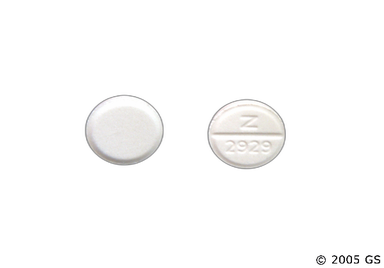
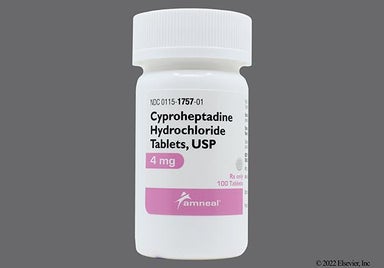
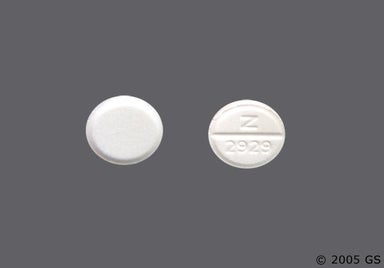
Cyproheptadine is first-generation antihistamine. It's taken by children and adults to treat allergy symptoms, such as sneezing, stuffy or runny nose, and itchy eyes or skin. It works by blocking histamine, a substance in your body that's created during an allergic reaction. Cyproheptadine is taken by mouth, typically 2 to 3 times a day. Some common side effects of this medication includes sleepiness and dizziness.

Cyproheptadine is first-generation antihistamine. It works by blocking histamine, which is a chemical in your body that's released during an allergic reaction. Blocking histamine helps ease allergy symptoms, such as sneezing, stuffy or runny nose, and itchy eyes or skin.
Cyproheptadine also has anticholinergic effects, which can cause symptoms such as constipation, dry eyes, and difficulty urinating.
| Common Brands | Periactin |
|---|---|
| Drug Class | Antihistamine |
| Controlled Substance Classification | Not a controlled medication |
| Generic Status | Lower-cost generic available |
| Availability | Prescription only |

The following side effects may get better over time as your body gets used to the medication. Let your healthcare provider know immediately if you continue to experience these symptoms or if they worsen over time.
Contact your healthcare provider immediately if you experience any of the following.
Along with its needed effects, a medicine may cause some unwanted effects. Although not all of these side effects may occur, if they do occur they may need medical attention.
Check with your doctor immediately if any of the following side effects occur:
Less common or rare
Less common or rare with azatadine, cetirizine, clemastine, cyproheptadine, desloratadine, dexchlorpheniramine, diphenhydramine, or loratadine
Abdominal or stomach pain
burning
chills
clay-colored stools or dark urine
difficulty swallowing
dizziness
fast or irregular heartbeat
headache
prickly sensations
puffiness or swelling of the eyelids or around the eyes, face, lips or tongue
redness of skin
seizures
shortness of breath
skin rash
swelling
tightness in chest
tingling
unusual tiredness or weakness
Check with your doctor as soon as possible if any of the following side effects occur:
Symptoms of overdose
Clumsiness or unsteadiness
convulsions (seizures)
drowsiness (severe)
dryness of mouth, nose, or throat (severe)
feeling faint
flushing or redness of face
hallucinations (seeing, hearing, or feeling things that are not there)
shortness of breath or troubled breathing
trouble in sleeping
Some side effects may occur that usually do not need medical attention. These side effects may go away during treatment as your body adjusts to the medicine. Also, your health care professional may be able to tell you about ways to prevent or reduce some of these side effects. Check with your health care professional if any of the following side effects continue or are bothersome or if you have any questions about them:
More common
Drowsiness
dry mouth, nose, or throat
gastrointestinal upset, stomach pain, or nausea
headache
increased appetite and weight gain
thickening of mucus
Less common or rare
Acid or sour stomach
belching
blurred vision or any change in vision
body aches or pain
clumsiness or unsteadiness
confusion (not with diphenhydramine)
congestion
difficult or painful urination
difficulty in moving
difficult or painful menstruation
dizziness (not with brompheniramine or hydroxyzine)
drowsiness (with high doses of desloratadine and loratadine)
dryness of mouth, nose, or throat
early menstruation
fast heartbeat
hoarseness
increased sensitivity of skin to sun
increased sweating
indigestion
loss of appetite
joint pain
muscle aching or cramping
muscle pains or stiffness
nightmares (not with azatadine, chlorpheniramine, cyproheptadine, desloratadine, hydroxyzine, or loratadine)
ringing or buzzing in ears
skin rash
swollen joints
stomach discomfort, upset or pain
tender swollen glands in neck
unusual excitement, nervousness, restlessness, or irritability
vomiting
Other side effects not listed may also occur in some patients. If you notice any other effects, check with your healthcare professional.
Call your doctor for medical advice about side effects. You may report side effects to the FDA at 1-800-FDA-1088.




Cyproheptadine can cause some serious health issues. This risk may be even higher for certain groups. If this worries you, talk to your doctor or pharmacist about other options.
Antihistamines, including cyproheptadine, might make young children less alert. Occasionally, it can have the opposite effect and cause them to be really excited.
In addition, taking too much cyproheptadine can be more harmful in infants and young children. For children ages two and older, always measure the dose carefully to prevent overdose. Overdose symptoms of antihistamines can include hallucinations, extreme sleepiness, and seizures. Children under 2 years old shouldn't take cyproheptadine because it's not known if it's safe or effective for this age group.
Cyproheptadine can make you less alert, which can affect activities such as driving or operating machinery. Sometimes, this side effect can last for hours after a dose. Taking cyproheptadine together with alcohol or other medications that also make you less alert (e.g., hypnotics, sedatives, tranquilizers, antianxiety medications) can raise the risk of having slower brain function. Older adults are more likely to experience side effects, like dizziness, sleepiness, and low blood pressure.
Cyproheptadine can worsen certain conditions, such as asthma, high eye pressure, overactive thyroid, heart conditions, or high blood pressure. Let your provider know if you have any of those conditions before starting this medication.


Although certain medicines should not be used together at all, in other cases two different medicines may be used together even if an interaction might occur. In these cases, your doctor may want to change the dose, or other precautions may be necessary. When you are taking any of these medicines, it is especially important that your healthcare professional know if you are taking any of the medicines listed below. The following interactions have been selected on the basis of their potential significance and are not necessarily all-inclusive.
Using medicines in this class with any of the following medicines is not recommended. Your doctor may decide not to treat you with a medication in this class or change some of the other medicines you take.
Using medicines in this class with any of the following medicines is usually not recommended, but may be required in some cases. If both medicines are prescribed together, your doctor may change the dose or how often you use one or both of the medicines.


Contraindications are specific health conditions or situations in which a person should not take a medication due to safety concerns. If you have any of the following conditions or if any of the following apply to you, let your healthcare provider know because Cyproheptadine will not be safe for you to take.


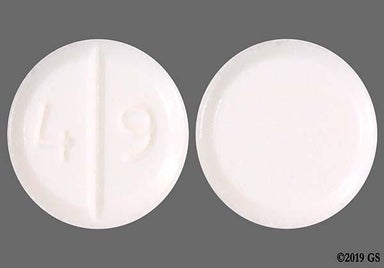
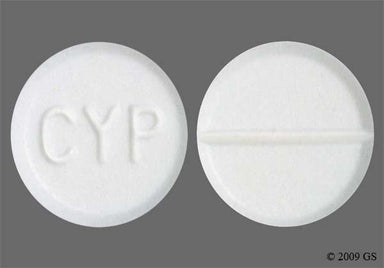
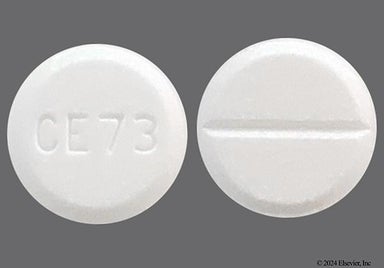


Prescription savings
Stop paying too much for your prescriptions. Compare prices, get pharmacy coupons, and save up to 80%.Resources
About GoodRx
 Find expert answers to your health questions so you can make the best decisions for yourself and your family.
Health conditions
Medications & treatment
Access & affordability
Well-being
Medication discounts

Like some other antihistamines, Cyproheptadine can cause weight gain as a side effect. While the exact reason this happens isn't well understood, Cyproheptadine is thought to cause weight gain because it makes you feel more hungry. Because of this, some studies have looked at whether or not works well to improve appetite, but more research is needed in this area. If you've questions about Cyproheptadine and weight gain, talk with your provider.
Drowsiness is a common side effect of first-generation antihistamines like Cyproheptadine. This might come and go while you're taking this medication, so be careful before driving or performing activities that require you to be alert.
In general, Cyproheptadine is safe if you take it as directed by your provider. But if you've certain medication conditions (e.g., bladder or prostate problems, glaucoma, stomach ulcer), you should discuss those with your provider first. This is because Cyproheptadine can make some health conditions worse. Older adults have a higher risk of side effects from antihistamines, such as dizziness, sleepiness, or low blood pressure. Because of this, your provider might have to start you on a lower dose.
No, Cyproheptadine is only available with a prescription from your healthcare provider. It isn't sold over the counter like some other antihistamines.
No. Cyproheptadine isn't a controlled substance and isn't known to be addictive.
There isn't enough information to know if Cyproheptadine raises the risk of miscarriage. If you're pregnant, talk to your provider about which antihistamines are safest for you to use to treat your allergy symptoms.
It's not known if Cyproheptadine passes into breast milk. But if it does, it can cause side effects in breastfed babies. In addition, research suggest Cyproheptadine can also affect your breast milk production. If you're breastfeeding, talk to your provider about safer medications during this time.
