Key takeaways:
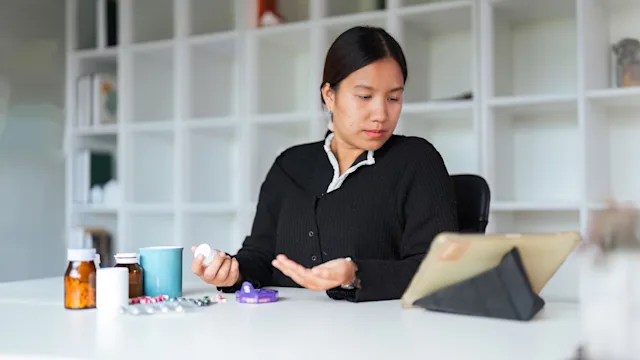
If you need a pain reliever for back pain, nonsteroidal anti-inflammatory drugs (NSAIDs) are the best first-choice treatment. Those who can’t take NSAIDs might consider topical treatments or acetaminophen.
Other recommendations for back pain relief that are supported by research include staying active, local heat, and massage.
Most of the time, acute back pain improves on its own. See a healthcare professional if your back pain doesn’t improve or if you have additional symptoms.
Save on related medications
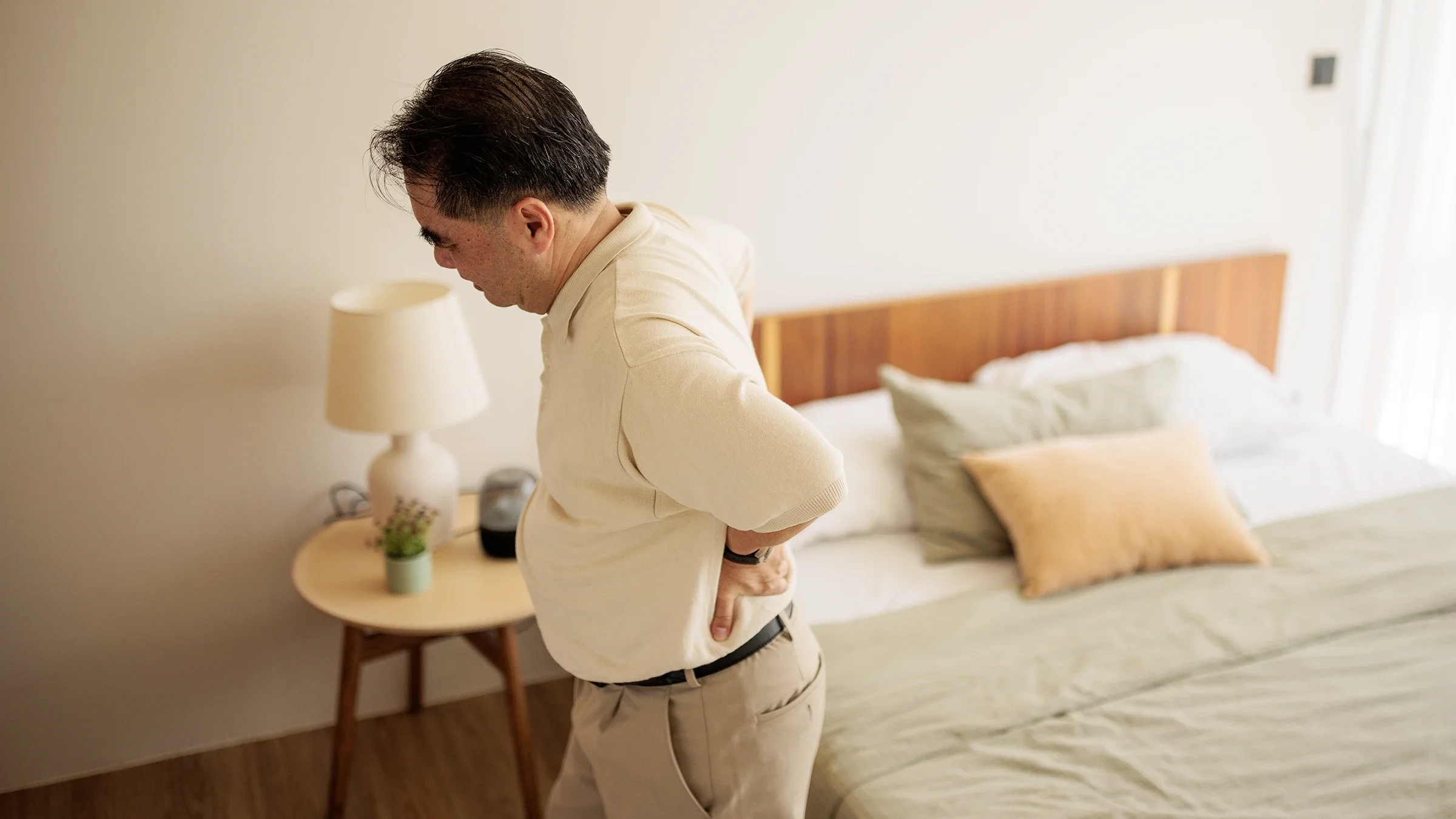
Back pain is common. About 40% of adults have experienced acute back pain (for fewer than 4 weeks) at some point in their lives.
But when back pain occurs, and it prevents you from doing what you want or need to do, it can be quite concerning. And it probably leaves you wondering what you can do to feel better and get on with your life.
The good news is that acute back pain often gets better without medications or other treatments. Until that happens, there are medications and other treatments that can help you feel more comfortable. We’ll share those here, as well as signs that might mean you should get medical attention.
Search and compare options
Best over-the-counter pain relievers for back pain
If you’re dealing with sudden back pain, it’s good to know what kind of pain relief you can access quickly. There are a few over-the-counter (OTC) options to choose from.
Nonsteroidal anti-inflammatory drugs (NSAIDs) are the best pain relievers for back pain. When you notice pain in your back, your body’s inflammatory system is active in that area. NSAIDs work by lowering inflammation, which in turn decreases back pain. Studies have shown that they can help improve pain and function for people with acute low back pain.
Best for fast back pain relief: Ibuprofen (Advil, Motrin)
Ibuprofen (Advil, Motrin) is an NSAID. NSAIDs work by decreasing pain and inflammation. Ibuprofen is available as branded medication and as a lower-cost generic.
Dosage
Most OTC ibuprofen comes in 200 mg tablets and capsules. The typical OTC ibuprofen dosage is 1 to 2 pills taken by mouth every 4 to 6 hours. The maximum OTC dosage is 6 pills (1,200 mg) in 24 hours.
Precautions and side effects
People with certain conditions should avoid NSAIDs or check with a healthcare professional before starting to take an NSAID:
Anyone with kidney disease or diabetes needs to talk with a healthcare professional before taking NSAIDs.
It’s best to avoid NSAIDs while pregnant.
NSAIDs increase the risk of stomach ulcers or bleeding, heart failure, heart attack, and stroke. So it’s best to avoid them if you have many medical conditions.
Best for all day/night back pain relief: Naproxen (Aleve)
Naproxen (Aleve) is another NSAID. It works by decreasing inflammation, similar to ibuprofen. But its effects last longer than ibuprofen, so you don’t have to take it as often throughout the day. Naproxen is available as branded medication and as a lower-cost generic.
Dosage
Naproxen is available OTC as a 220 mg tablet and capsule. A typical OTC naproxen dosage is 220 mg taken by mouth every 8 to 12 hours. The maximum OTC dosage is 3 pills (660 mg) in 24 hours. You shouldn’t take more than 2 pills (440 mg) in a 12-hour period.
Precautions and side effects
Aleve side effects are mostly the same as those of ibuprofen. You’ll want to check with a healthcare professional if you’ve had:
Heart disease or stroke
Kidney disease
Stomach ulcers
Best for back pain relief if you can’t use NSAIDs: Acetaminophen (Tylenol)
Acetaminophen (Tylenol) decreases pain and lowers fevers. But studies have shown it’s not very useful for back pain, and many experts no longer recommend it as a treatment on its own. That said, some people who can’t take NSAIDs may prefer to try acetaminophen. It’s safe for most people. Acetaminophen is available as branded medication and as a lower-cost generic.
Dosage
A typical OTC tablet of acetaminophen is:
325 mg (regular strength)
500 mg (extra strength)
650 mg (extended release)
The typical and maximum dosage depends on the specific product. In general, you shouldn’t take more than 3,000 mg to 4,000 mg of acetaminophen per day. Certain prescription pain relievers contain acetaminophen. But the FDA limits the amount of acetaminophen in these products to 325 mg per dose.
Precautions and side effects
Taking more than the recommended amount of acetaminophen can cause liver injury and other side effects. This includes acetaminophen from all sources, like OTC cold medications and prescription pain medications. So it’s important to make sure that you aren’t getting more than the maximum dose from all of your sources put together.
Best topical product for back pain relief if you can’t use oral NSAIDs
If you can’t or don’t want to take NSAIDs, you still have OTC options at the pharmacy. Consider a topical cream or gel that you can rub onto the painful area. These can be especially helpful in the setting of muscle tightness. Examples include:
Voltaren (diclofenac) gel, which is an NSAID
Capsaicin cream
Menthol-containing creams, such as Bengay, Icy Hot, and Tiger Balm
Best prescription back pain relievers
If OTC NSAIDs don’t provide relief, there are prescription options you can get from a healthcare professional. Here are some options they may recommend.
Prescription NSAIDs for back pain relief
There are prescription-only NSAIDs for back pain relief. These are a bit stronger than OTC options. Some common ones are:
Meloxicam (Mobic)
Celecoxib (Celebrex)
Indomethacin (Indocin)
Topical diclofenac patch
Dosage
Prescription-strength ibuprofen is available in the following tablets:
400 mg
600 mg
800 mg tabs
Prescription-strength naproxen is available in
High-dose tablets: 250 mg to 750 mg
Delayed-release tablets: 375 mg and 500 mg
Extended-release tablets: 375 mg to 750 mg
Precautions and side effects
Precautions and side effects of prescription NSAIDs are similar to those of the OTC versions. This is why your healthcare team will likely only prescribe a short course of them, as risks increase the longer you take them.
Muscle relaxants for back pain relief
Muscle relaxants work by relaxing large muscles (skeletal muscles). Most muscle relaxants have been around for a while, so they’re available as branded medications and lower-cost generics.
They can be helpful for acute back pain due to muscle strain for a short period of time, but they don’t help with function. And research suggests they don’t work for chronic (ongoing) low back pain.
Dosage
Different muscle relaxants have different dosages. Here are some common ones:
Cyclobenzaprine — 5 mg to 10 mg 3 times a day as needed
Baclofen — 5 mg to 20 mg 3 times a day as needed
Methocarbamol — 750 mg to 1,500 mg 3 to 4 times a day as needed
Tizanidine — 2 mg 3 times a day as needed (maximum 36 mg in 24 hours)
Precautions and side effects
Muscle relaxers have a greater risk of side effects. For this reason, people age 65 and older should avoid taking them. Common side effects include:
Drowsiness
Dry mouth
Headache
Dizziness
Nausea
Constipation
Opioids for back pain relief
Experts don’t recommend opioid pain medications for the relief of acute back pain. Opioids have a high risk for tolerance and addiction. Plus, they aren’t more effective than non-opioid medications for acute back or neck pain.
6 best natural remedies for back pain
There are other safe and effective ways to relieve back pain that don’t involve medication. Here are some to consider.
1. Activity
Moving your body at home can help with back pain symptoms. In fact, experts recommend staying active when you have back pain, as it can help with pain and function.
A home exercise regimen is a safe way to try to improve back pain on your own, without needing someone else’s help. This can include walking, core strengthening, and stretches.
2. Massage therapy
Different types of massage therapy may help with back pain. This can be especially useful if your muscles are tense, as it can help loosen muscle tension and knots.
3. Heat
It may help to apply ice or heat to your back in the area where you feel the pain. Generally speaking, cold helps with pain due to inflammation, which can be present with an acute injury. Heat can help loosen up tight muscles. Most expert recommendations include heat as a first-choice therapy for acute back pain. Be sure to protect your skin by not applying ice or heat directly.
4. Physical therapy
Certain people are more likely to benefit from physical therapy for low back pain. Consider physical therapy if you’re prone to episodes of back pain or you also have leg pain. A healthcare professional can refer you for outpatient or at-home physical therapy if they think you’ll benefit from it.
5. Acupuncture
Acupuncture involves placing small needles in specific points of your skin and body. It’s based on traditional Chinese medicine. And it’s very safe. Research suggests acupuncture can help improve acute back pain in the short term.
6. Spinal manipulation
Spinal manipulation is when a healthcare professional — such as a chiropractor, osteopathic physician, or physical therapist — moves the affected area with their hands. It may help with pain in some people with back pain, but studies find that it doesn’t help with function.
Common causes of back pain
When discussing pain relievers for back pain, it’s important to know that not all back pain is the same. There are many different causes of back pain, and they may respond to medications and treatments differently. Common causes include:
Inflammatory arthritis (such as ankylosing spondylitis)
Facet joint arthritis
Spinal stenosis
A healthcare professional can help you figure out what’s causing your pain or refer you to another qualified expert for further testing. Getting a diagnosis can help get you on the path to recovery with the right treatment.
When to see a doctor for back pain
In some cases, it’s best to get medical attention for back pain rather than waiting it out. Here are some examples:
Your back pain is persistent, worsening, and disruptive.
You’ve been injured, such as in a fall or car accident.
You have osteoporosis with new back pain.
You’ve recently had spine surgery.
Consider getting medical attention right away if you have any of the following signs or symptoms in addition to back pain:
Fever
Unexplained weight loss
Weakness in one or both legs
Problems controlling your bowel and/or bladder
Numbness in the groin and perineum area
Severe pain in both legs
These could mean something more serious is going on. So don’t delay in getting treatment.
Frequently asked questions
It’s common to have back pain before or during your menstrual cycle. Treatments for menstrual cramps — like heating pads and over-the-counter (OTC) pain relievers — will likely work for menstrual low back pain as well. Research suggests core stabilization exercises can also help with monthly back pain. Also, regular exercise is good for premenstrual symptoms in general.
The safest daily pain reliever depends on the person. As mentioned above, your other medications and medical conditions (if any) help determine what’s safest for you to take. Some people prefer to stick with topical treatments because they aren't as easily absorbed into your bloodstream and have fewer side effects. If you have concerns about the safety of certain medications, or if your pain is chronic, it’s best to discuss with a healthcare professional. Most pain relievers aren’t meant to be taken long term.
Getting a good night’s sleep with back pain can be tricky. But switching your sleep position might help. Research suggests there are a couple of ways to relieve pressure on your spine. For example, try sleeping on your side with a pillow between your legs. Or try sleeping on your back with your knees slightly bent. That said, try a few sleeping positions to see what works best for you.
It’s common to have back pain before or during your menstrual cycle. Treatments for menstrual cramps — like heating pads and over-the-counter (OTC) pain relievers — will likely work for menstrual low back pain as well. Research suggests core stabilization exercises can also help with monthly back pain. Also, regular exercise is good for premenstrual symptoms in general.
The safest daily pain reliever depends on the person. As mentioned above, your other medications and medical conditions (if any) help determine what’s safest for you to take. Some people prefer to stick with topical treatments because they aren't as easily absorbed into your bloodstream and have fewer side effects. If you have concerns about the safety of certain medications, or if your pain is chronic, it’s best to discuss with a healthcare professional. Most pain relievers aren’t meant to be taken long term.
Getting a good night’s sleep with back pain can be tricky. But switching your sleep position might help. Research suggests there are a couple of ways to relieve pressure on your spine. For example, try sleeping on your side with a pillow between your legs. Or try sleeping on your back with your knees slightly bent. That said, try a few sleeping positions to see what works best for you.
The bottom line
Back pain is common, and it can have a big effect on your life. Luckily, acute back pain gets better on its own for most people. Good options to ease back pain and get moving again include over-the-counter (OTC) nonsteroidal anti-inflammatory drugs (NSAIDs), heat or ice, and gentle exercise. If you’ve recently had surgery, been injured in an accident, or have additional symptoms, get medical attention.

Why trust our experts?




References
Cashin, A. G., (2021). Efficacy, acceptability, and safety of muscle relaxants for adults with non-specific low back pain: systematic review and meta-analysis. BMJ.
Cashin, A. G. (2023). Pharmacological treatments for low back pain in adults: An overview of cochrane reviews. Cochrane Database of Systematic Reviews.
Chiarotto, A. et al. (2022). Nonspecific low back pain. The New England Journal of Medicine.
DailyMed. (2023). Icy hot pain relieving cream- menthol and methyl salicylate cream [package insert].
DailyMed. (2024). Bengay ultra strength non-greasy (camphor- synthetic, menthol, unspecified form, and methyl salicylate cream).
Dowell, D., et al. (2016). CDC guideline for prescribing opioids for chronic pain — United States, 2016. Centers for Disease Control and Prevention.
Earwood, J. S., et al. (2025). Acute low back pain: Diagnosis and management. American Family Physician.
George, S. Z., et al. (2021). Interventions for the management of acute and chronic low back pain: Revision 2021. Journal of Orthopaedic & Sports Physical Therapy.
Hayden, J. A., et al. (2019). Exercise treatment effect modifiers in persistent low back pain: An individual participant data meta-analysis of 3514 participants from 27 randomised controlled trials. British Journal of Sports Medicine.
Jones, C. M. P., et al. (2023). Opioid analgesia for acute low back pain and neck pain (the OPAL trial): a randomised placebo-controlled trial. Lancet.
Oertel, J., et al. (2024). Acute low back pain: Epidemiology, etiology, and prevention: WFNS spine committee recommendations. World Neurosurgery: X.
Oldfield, B. J., et al. (2024). Long-term use of muscle relaxant medications for chronic pain. JAMA Network Open.
Paige, N. M., et al. (2017). Association of spinal manipulative therapy with clinical benefit and harm for acute low back pain. JAMA.
Rizzo, R. R. N., et al. (2025). Non‐pharmacological and non‐surgical treatments for low back pain in adults: an overview of Cochrane Reviews. Cochrane Database of Systematic Reviews.
Sanchez, B. N., et al. (2023). Premenstrual syndrome and exercise: A narrative review. Women.
Shakeri, H., et al. (2013). Effect of functional lumbar stabilization exercises on pain, disability, and kinesiophobia in women with menstrual low back pain: A preliminary trial. Journal of Chiropractic Medicine.
Zhou, T., et al. (2024). Recent clinical practice guidelines for the management of low back pain: A global comparison. BMC Musculoskeletal Disorders.