Key takeaways:
Genital herpes is caused by a virus that lives in your body forever. But this doesn’t mean you’ll have frequent outbreaks.
If you have genital herpes, medications can lessen the chances that you’ll have an outbreak and improve symptoms if you have one.
While not easy, it’s important to talk to your partner, since genital herpes can spread even if you don’t have symptoms.
Save on related medications
Genital herpes is a very common condition, affecting about 1 in 6 people in the US. There's no cure. But there are steps you can take to prevent genital herpes from spreading to your partners and to lower your chances of an outbreak. Here, we'll walk you through these prevention options and share tips for talking to partners about your diagnosis.
How to prevent genital herpes
Genital herpes spreads through vaginal, anal, or oral sex, and it can spread even when there are no visible sores. There are steps you can take to lower this risk. No single step removes the risk of spread and prevents herpes completely. But combining the steps below can lower the chances of passing the virus to a partner:
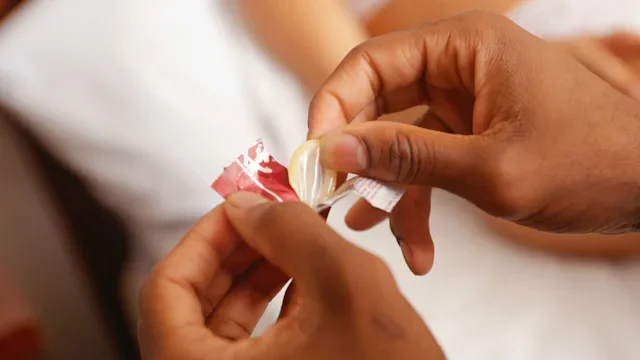
Condoms: Using condoms correctly every time you have sex lowers the risk of spreading genital herpes, but it doesn't eliminate it. Herpes can spread from skin that a condom doesn't cover. Condoms also work better at preventing spread from men to women than from women to men.
Suppressive therapy: People who have more frequent outbreaks sometimes choose to take a daily dose of antiviral medication to prevent outbreaks. This is called suppressive therapy, and it can be quite effective. Many people who choose this option have no symptomatic outbreaks at all. Daily antiviral medication also lowers the risk of passing genital herpes to a sexual partner.
Avoiding sex during outbreaks: Having sores or other symptoms makes it more likely that you'll spread the virus. Avoid sex from the first warning signs of an outbreak, like pain or burning where sores usually appear, until the sores have fully healed.
Telling your partners: Letting partners know about your diagnosis before sex gives them the chance to make informed choices.
Search and compare options
How to prevent genital herpes outbreaks
The frequency and duration of outbreaks differ person by person. Some people don't get them very often, while other people can get them frequently. Whether or not you have frequent outbreaks, it may help to be aware of some factors that tend to trigger outbreaks:
Sunlight
Hormonal changes, like the ones that occur with a menstrual cycle
Illness or surgery
Anything that weakens your immune system
With or without antiviral medications, outbreaks tend to become less frequent over time. So, if you choose to take suppressive therapy, it doesn’t mean you’ll have to take it for the rest of your life.
Talking to your current sexual partner about genital herpes
One of the hard things about living with genital herpes is knowing how and when to talk to your sexual partners about the condition. But this is an important step to help prevent the transmission of the infection, because transmission can happen even if you don’t have symptoms or experience an outbreak.
When you’re thinking about having this conversation, it can help to keep these tips in mind:
Before talking to your partner, practice what you’re going to say.
Don’t feel the need to apologize when you’re delivering the news.
Choose a safe, quiet space where you feel comfortable sharing this information.
Be open to any questions they may have.
They may ask if they should get tested. And this is probably a good idea, given that the risk of transmission is never zero. But no matter what you and your partner decide, honest communication will help you both feel more comfortable and stay healthy.
Talking to past sexual partners about genital herpes
If you’ve recently been diagnosed with genital herpes, you may wonder about whether to tell prior sexual partners about your diagnosis. Navigating this decision is difficult, because it can be impossible to know whom you got it from or when you got it. There are no strict rules or guidelines. But if you feel comfortable disclosing your diagnosis to past partners, this may inspire them to get tested. And this will, in turn, help them stay healthy and prevent future transmission.
But, of course, this can seem like a daunting task. So, if you don’t feel ready to have this conversation with prior partners face to face, consider using an anonymous online app or website. They allow you to anonymously alert past partners about a potential exposure via text message or email.
Talking to a healthcare professional about genital herpes
Getting diagnosed with genital herpes can leave you feeling depressed or anxious. You may have a lot of questions. Take steps to make yourself as comfortable as possible when discussing your diagnosis and your treatment options with your healthcare team. To prepare for an appointment, consider:
Writing down any questions that you have
Ensuring that you have a space to record answers (such as a notebook or mobile phone handy)
Never be afraid to ask questions more than once or state that you need clarification. You should feel like you have as much information as you need before leaving your appointment.
A healthcare professional may also recommend that you have other screenings for sexually transmitted infections (STIs). Routine herpes blood tests aren't recommended for people without symptoms or a known exposure, so ask a healthcare professional which tests make sense. If you have genital herpes, it's a good idea to get tested for HIV, since herpes raises the risk of getting HIV if you're exposed to it.
Frequently asked questions
Starting an antiviral medication right away is the best way to shorten a herpes outbreak. These medications work best when you start them as soon as sores appear or at the first warning signs of an outbreak. A healthcare professional can give you a prescription ahead of time so you can start treatment as soon as symptoms begin.
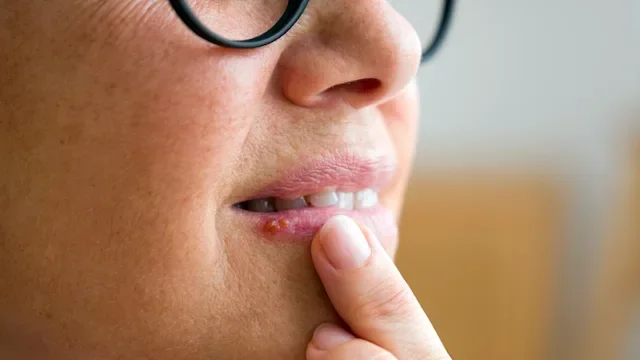
Sharing a drink won't give you genital herpes. But the herpes virus that causes cold sores — herpes simplex virus type 1 (HSV-1) — can spread through saliva. That said, it's best to avoid sharing cups, straws, or utensils with someone who has a cold sore. HSV-1 usually causes cold sores on your lips, but it can also cause genital herpes if it spreads to the genitals during oral sex.
The chances of a man getting genital herpes from a female partner are relatively low, but not zero. In one study of monogamous couples where only the woman had HSV-2, about 2 in 100 men got the virus over about a year and a half. This is much lower than the risk for women developing genital herpes from their male partners.
The bottom line
A genital herpes diagnosis can make you feel worried and unsettled. It helps to know that it’s a very common condition, and it doesn’t have to disrupt your life. There are ways to help prevent spread and outbreaks, which will likely decrease over time. Talking about your diagnosis with sexual partners may feel scary at first. But they’ll most likely appreciate your honesty — and talking can empower both of you to be open and proactive about your sexual health.

Why trust our experts?




References
Centers for Disease Control and Prevention. (2022). Sexually transmitted infections treatment guidelines, 2021: Genital herpes.
Centers for Disease Control and Prevention. (2024). About genital herpes.
Johns Hopkins Medicine. (n.d.). Genital herpes.
National Prevention Information Network. (n.d.). Tell your partner. Centers for Disease Control and Prevention.
Wald, A., et al. (2001). Effect of condoms on reducing the transmission of herpes simplex virus type 2 from men to women. JAMA.