Key takeaways:
Illness and certain cold medication ingredients can affect your blood glucose (sugar).
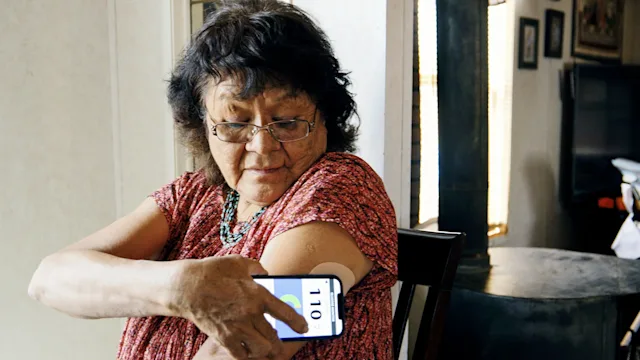
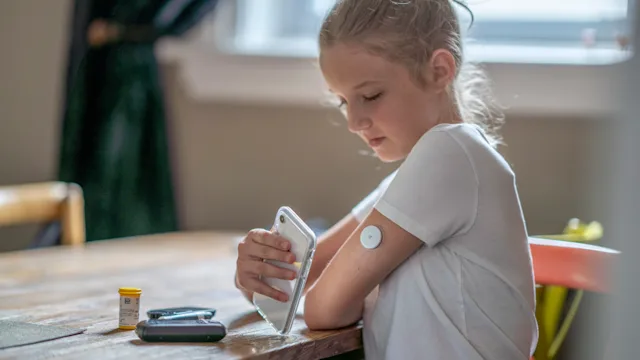
Some medications, including acetaminophen and aspirin, can interfere with blood sugar readings from continuous glucose monitors (CGMs).
If you have diabetes, it’s important to have a plan of action in place if you catch a cold. This will help you know what to do and avoid complications.
If you have diabetes and catch a cold, some of the medications used to treat it can make your diabetes harder to manage. Some over-the-counter (OTC) cold medications can affect your blood glucose level, making it harder to keep in the normal range. Also, the infection itself can cause your blood sugar levels to go up. So it’s important to know which medications are safe.
If you’re living with diabetes, it’s important to have a plan of action before catching a cold. In fact, there are even cold medications that are better than others for people with diabetes. Let’s take a closer look at which cold medications are safe for you to take to feel better and reduce your symptoms.
What cold medications are safe to take if you have diabetes?
It’s normal to feel overwhelmed with all the options for cold medications you see on store shelves or online. Adding diabetes to the mix can make it even more confusing. Below you can find medications that are safe to take if you have diabetes, organized by symptoms.
Cough medications
There are cough medications for people with diabetes that’ll suppress your cough without added sugar. The two main ingredients in OTC cough medications to look for are:
Guaifenesin, which loosens mucus
Dextromethorphan, which quiets your cough
You can use these medications separately, or you can find them combined. Some common combination cough medications for people with diabetes include:
Robitussin Sugar-Free
Diabetic Tussin
Safetussin
Scot-Tussin
Cough syrup is a common remedy for colds with cough because it can coat the throat and soothe a scratchy throat too. Just try to make sure you use the sugar-free options when possible.
Stuffy nose medications
Treating nasal congestion with OTC medication when you have diabetes can be a challenge, but there are a couple of options. Your best bet is to use treatments applied to the nose directly, such as with a neti pot or saline nasal spray. They won’t have an effect on your blood sugar.
Steroid nasal sprays (like Nasacort) are probably not effective against cold symptoms.
Sore throat medications
People with diabetes should choose sore throat medications that don’t have added sugar. Fortunately, there are OTC sugar-free sore throat medication options, like:
Numbing medicines: chloraseptic spray and benzocaine / menthol (Cepacol) lozenges
Coating agents: sugar-free throat drops
Be sure to talk with a healthcare professional before using numbing medications containing benzocaine — especially in children. In rare cases, its use can lead to dangerous complications and lower the oxygen level in the blood.
Fever and pain-relieving medications
Many cold medications contain fever and pain relievers. But it’s important to use caution with these. They don’t affect your blood sugar, but they might not be safe for other reasons:
Nonsteroidal anti-inflammatory drugs (NSAIDs) like ibuprofen (Advil) and naproxen can cause or worsen kidney and heart problems. They’re also not recommended for people with stomach ulcers or inflammatory bowel disease.
Tylenol (acetaminophen) isn’t recommended for people with liver disease. It can also cause inaccurate blood sugar readings if you use a continuous glucose monitor (CGM). More on this below.
Aspirin can also affect CGM results, and it carries the same risks as other NSAIDs.
That said, your diabetes care team might be OK with you taking one of these medications for short-term relief. If you’re feeling miserable and worried about what to take, don’t hesitate to contact them. They can help you weigh the benefits and risks of these medications for your situation.
Which cold medications should you avoid if you have diabetes?
You may want to avoid certain cold medication ingredients when you have diabetes. Let’s take a closer look at cold medications that may affect your blood sugar level.
Cough syrups
A lot of cough syrups have added sugars, which can make diabetes harder to manage. Avoid cough syrup with ingredients like:
Sugar
Corn syrup
Honey
Alcohol
If you must take a cough syrup with added sugar, make sure to take the extra carbohydrates into account for your meals or when deciding how much diabetes medication you need to take.
Decongestants
Pseudoephedrine (Sudafed) is a common OTC decongestant, but it may raise your blood sugar levels. Most nasal decongestant sprays — like oxymetazoline (Afrin) — also carry a warning for people with diabetes.
If you do take them, make sure you keep track of your blood glucose readings. That way you can adjust your medications as needed.
Pain and fever reducers
As mentioned above, acetaminophen (Tylenol) and aspirin can cause inaccurate readings on certain CGMs. This means your glucose level could be normal, but you may have an inaccurate reading. Taking acetaminophen when you have a cold may cause your CGM to have a false high reading. Meanwhile, aspirin may cause your glucose level to appear low.
If you decide to take aspirin or acetaminophen for your cold symptoms, be sure to check your blood sugar with a glucometer (finger prick). You’ll also want to check the labels of OTC cold medications, as these medications are often found in them.
Can being sick raise your blood sugar?
Yes. The stress of illness can trigger the release of hormones that increase your blood sugar levels. And sometimes, illness can cause a lack of appetite, and your blood glucose levels may drop. It can be a delicate balancing act to manage your blood sugar when you’re sick, even if you’re taking your diabetes medications as prescribed.
If you do get sick, it’s important to check your blood glucose readings at least 4 times a day. If readings are consistently higher than 250 mg/dL, check your urine ketone levels and let a healthcare professional know.
High glucose and urine ketones can be a sign of a serious complication called diabetic ketoacidosis (DKA). This is when your blood sugar levels become dangerously high. It can cause problems ranging from dehydration to kidney failure and even coma and death.
Illnesses like a cold or the flu are an important — but preventable — cause of DKA. It’s important to work with your diabetes care team when you’re ill. They can help you adjust your diabetes medications so that you can avoid DKA.
Tips for eating and drinking to stay hydrated when sick if you have diabetes
Nutrition and hydration are important when you have a cold — especially if you have diabetes. If you’re sick and not eating, this can mean big changes to your diabetes medication routine. You can stay hydrated with:
Water
Club soda
Broth
Vegetable juice
But if you have a poor appetite and your blood sugar level is low, try one of these options for a quick boost:
Fruit juice
Frozen ice pops or sherbet
Regular gelatin
Yogurt or milk
Regular soda
How to prevent illness when you have diabetes
It’s tough to avoid getting colds and other viral illnesses. This is partly because people often spread germs before they realize they’re sick. But taking simple steps can help keep germs away:
Avoid being around others who are sick when possible.
Wash your hands frequently, especially before eating or touching your face.
Keep your immune system strong with plenty of sleep, good nutrition, and stress management.
Gargle with salt water a few times per day.
When should you get medical care if you have diabetes and a cold?
If you have diabetes and a cold, and your symptoms aren’t improving, you should let a healthcare professional know. Get medical care right away if you:
Have trouble breathing
Have urine ketones
Are unable to keep fluids down
Lose more than 5 lbs while sick
Can’t keep food down for more than 24 hours
Have a temperature over 101°F (38.3°C) for more than 24 hours
Feel confused
Have a glucose level lower than 60 mg/dL
Frequently asked questions
Antihistamines aren’t effective for cold symptoms when taken alone. This is true for people with and without diabetes. Antihistamines may also cause you to be drowsy. Antihistamines combined with a decongestant like pseudoephedrine (Sudafed) might help symptoms. But Sudafed isn’t a great option for people with diabetes, as mentioned above.
Mucinex and Mucinex DM are safe for people with diabetes when taken as directed. Make sure to read the label when choosing a liquid version to ensure there’s no added sugar.
It’s always important to read labels if you’re living with diabetes. Regular NyQuil contains alcohol, sugar (fructose), and acetaminophen. There’s a version of NyQuil that doesn’t have alcohol or sugar, but it does have acetaminophen. If you’re using a CGM that gives false readings with acetaminophen, make sure to check your blood sugar with a finger stick.
Zyrtec (cetirizine) is a safe option for people with diabetes who have allergy symptoms. Keep in mind that Zyrtec can make you sleepy. And it’s not likely to help with cold symptoms.
Antihistamines aren’t effective for cold symptoms when taken alone. This is true for people with and without diabetes. Antihistamines may also cause you to be drowsy. Antihistamines combined with a decongestant like pseudoephedrine (Sudafed) might help symptoms. But Sudafed isn’t a great option for people with diabetes, as mentioned above.
Mucinex and Mucinex DM are safe for people with diabetes when taken as directed. Make sure to read the label when choosing a liquid version to ensure there’s no added sugar.
It’s always important to read labels if you’re living with diabetes. Regular NyQuil contains alcohol, sugar (fructose), and acetaminophen. There’s a version of NyQuil that doesn’t have alcohol or sugar, but it does have acetaminophen. If you’re using a CGM that gives false readings with acetaminophen, make sure to check your blood sugar with a finger stick.
Zyrtec (cetirizine) is a safe option for people with diabetes who have allergy symptoms. Keep in mind that Zyrtec can make you sleepy. And it’s not likely to help with cold symptoms.
The bottom line
Colds are normally not very serious. But some cold medications can make diabetes harder to manage. They can raise your blood sugar or make your glucose readings inaccurate. Always read the labels and check the ingredients on any cold medication you take when you have diabetes.
Taking care of a cold with diabetes doesn’t have to be complicated. Have a plan for sick days ahead of time so you’ll know what medications you can take and which ones you should avoid.

Why trust our experts?




References
American Diabetes Association. (n.d.). Preparing for sick days.
Degeorge, K. C. et al. (2019). Treatment of the common cold. American Family Physician.
Głowacka, K., et al. (2021). Pseudoephedrine — benefits and risks. International Journal of Molecular Sciences.
MedlinePlus. (2024). Diabetes - when you are sick.
Segboer, C., et al. (2019). Intranasal corticosteroids for non‐allergic rhinitis. Cochrane Database of Systematic Reviews.
U.S. Food and Drug Administration. (2018). Safety information on benzocaine-containing products.